
Planting
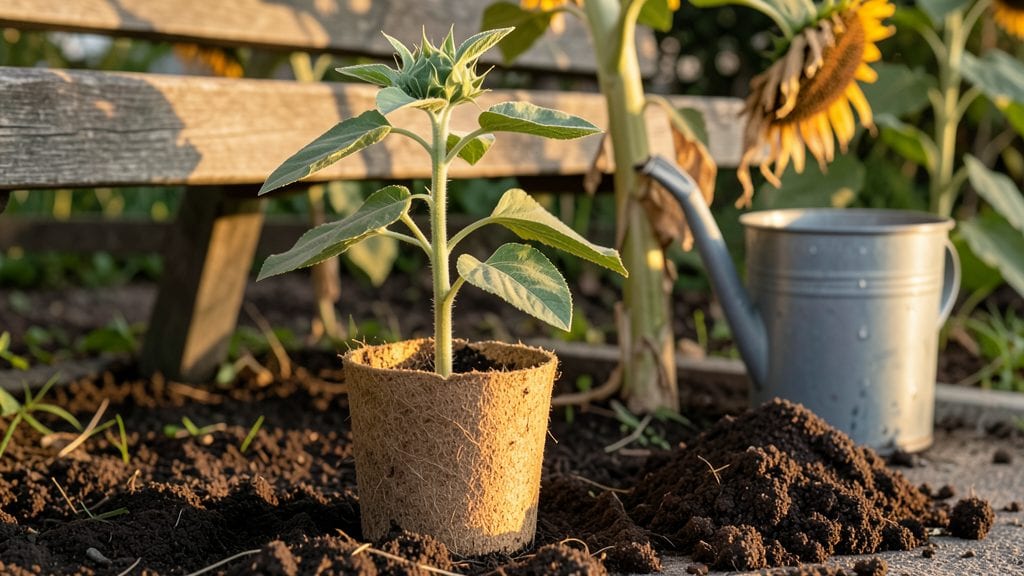
Planting sunflower sprouts is the fastest way to get edible greens on your table—5 days from seed to harvest. 🌱 I’ve grown them in my kitchen windowsill and my backyard, and the secret isn’t fancy soil or special tools—it’s knowing exactly when, where, and how to plant them for speedy growth.
The trick starts with moistened paper towels or a shallow tray of damp soil. Sunflower sprouts need consistent moisture and bright light to avoid leggy stems. Space them 1-2 inches apart in a tray or pot, and keep them warm (around 70°F) for the fastest results.
Most beginners overwater or bury the seeds too deep—both slow them down.
By day 5, you’ll have tender, nutrient-packed greens ready to snip and eat raw in salads or blend into smoothies. The flavor is mild, slightly nutty, and packed with vitamins—like a superfood that grows in a flash.
Just don’t let them turn yellow or get too tall, or they’ll lose their tender bite.
Works in containers, trays, or even a mason jar with a damp cloth. Once you master this, you’ll never buy sprouts again. Here’s how to do it right the first time.
📚 In This Guide
- What you need
- Instructions
- Tips and common mistakes
- Wrapping up and next steps
What you need
- ● Sunflower seeds: Choose untreated, organic, and raw sunflower seeds (about ½ cup or ~60-80 seeds). Look for varieties like Russian or Peredovik for best results!
- ● Growing container: A wide, shallow dish (8–10 inches in diameter) or a sprouting jar with a mesh lid (2-quart size works well). Cleanliness is key—sterilize with hot water or vinegar!
- ● Water: Room-temperature, filtered, or distilled water (chlorine can inhibit growth). You’ll need about 1–2 cups per soaking session.
- ● Cheesecloth or sprouting lid: A fine mesh (like a sprouting lid or double-layered cheesecloth) to drain excess water while keeping seeds contained.
- ● Colander or strainer: For rinsing seeds (a stainless-steel or plastic colander with small holes works best).
- ● A small spray bottle for gentle misting (keeps seeds hydrated without over-soaking).
- ● Grow lights or sunny windowsill: If your space lacks natural light, a LED grow light (12+ hours/day) speeds up growth.
- ● Food dehydrator or paper towels: For drying sprouts before storage (if you’re not eating them fresh).
- ● Notebook or app: To track soaking times, water changes, and growth progress (sprouting is all about timing!).
Step-by-step instructions for planting sunflower sprouts
Here’s how to grow vibrant sunflower greens in just 5 days—no soil, no garden needed.
🌱 Step 1: Soak and Prepare the Seeds
Start with 1 cup of sunflower seeds (raw, unsalted). Rinse them thoroughly under cool water to remove any debris, then place them in a quart-sized mason jar. Cover the seeds with filtered water—they should be submerged by about 1 inch. Let them soak for 8-12 hours at room temperature. You’ll notice the seeds plump up slightly as they absorb moisture, which kickstarts germination.
After soaking, drain the water completely and rinse the seeds again. This removes any residual water that could cause mold later. Spread the seeds in a single layer on a paper towel or mesh sprouting lid to dry for 10-15 minutes. The goal is to keep them moist but not soggy—think of a damp sponge. This step prevents the jar from becoming too humid once you start sprouting.
💧 Step 2: Sprout in a Jar with Daily Rinse Routine
Transfer the seeds back into the jar and secure the lid loosely—just enough to keep them contained but allow airflow. Place the jar in a dark, warm spot (like a pantry or cupboard) where the temperature stays between 65-75°F. Every 12 hours, remove the lid and rinse the seeds under cool, running water for 30-60 seconds. This keeps them clean and prevents bacteria from developing. After rinsing, drain them thoroughly by shaking the jar upside down over the sink for 10-15 seconds.
You’ll see tiny sprouts emerge within 24-48 hours. Once the sprouts reach about 1 inch tall (around day 3), move the jar to bright, indirect light. This halts further elongation and encourages the greens to thicken and develop chlorophyll. The transition to light should happen gradually—start with 2-3 hours of light and increase over the next 24 hours to avoid shocking the delicate sprouts.
☀️ Step 3: Harvest at Peak Freshness
Sunflower sprouts are ready to harvest when the greens reach 2-3 inches tall and the seed hulls have softened (usually days 4-5). The key is speed—these sprouts are most tender and nutrient-dense when young. To harvest, rinse them one final time under cool water, then drain in a fine-mesh strainer for 5 minutes. This removes any excess moisture, making them easier to store or use.
For the best texture, harvest in the morning when the sprouts are crispest. You can eat them straight from the jar or transfer them to an airtight container. Store them in the fridge for up to 5 days, but for maximum freshness, use them within 24 hours. The faster you consume them, the more vibrant and flavorful they’ll be—think fresh, slightly nutty, and crisp like alfalfa sprouts but with a sunflower twist.
✂️ Step 4: Optional Regrowth for More Harvests
If you want to extend your harvest, you can coax the seeds into a second growth cycle. After the first harvest, rinse the remaining sprouts (if any) and return them to the jar. Place them back in indirect light and continue the 12-hour rinse routine. Within 2-3 days, you may see a second flush of greens, though they’ll be smaller and less robust than the first harvest. This method works best with organic, non-GMO seeds—conventional seeds often don’t regrow well due to chemical treatments.
Real talk: Don’t expect miracles from regrowth. The first harvest is always the star, but it’s a fun experiment to see what happens. If the sprouts smell funky or develop slimy spots, toss them immediately—this is a sign of bacterial growth, and it’s not worth the risk. When in doubt, start fresh with a new batch of seeds for the safest, tastiest results.
Tips & tricks for perfect sunflower sprouts
Here's what I learned after growing these nutrient-packed greens for years—these tricks make all the difference between good sprouts and exceptional ones.
Soaking Secret: The 8-12 hour soak is your foundation, but here's the thing: use filtered water if possible. Tap water with chlorine can inhibit germination. I also recommend soaking overnight (12 hours) for maximum plumping—this gives you the best head start for those 5 days. After soaking, that 10-15 minute drying period is critical; spread seeds on a mesh lid or paper towel and give them a gentle shake every few minutes to ensure even drying.
Temperature Control: That 65-75°F range is non-negotiable for consistent growth. If your kitchen runs cooler, place the jar on top of your fridge (not inside) or near a sunny window during the day. For warmer climates, move the jar to a cooler spot like a basement at night. I've seen sprouts grow twice as fast when kept at the upper end of this range—just watch for humidity buildup, which can lead to mold.
Light Transition Strategy: The gradual light introduction after day 3 is where most people mess up. Start with just 2-3 hours of indirect light and increase by 1-2 hours daily. I use a north-facing window or grow light on low setting. Direct sunlight will bleach your sprouts white—think of it as sunburn for plants. The goal is to develop chlorophyll without shocking the delicate sprouts. After 24 hours of full light exposure, your greens will be vibrant and ready for harvest.
Harvest Timing: Don't wait until day 5 if your sprouts reach 2-3 inches earlier—they'll become fibrous. Morning harvests are always crispest because they haven't had time to wilt overnight. After draining in the fine-mesh strainer for 5 minutes, I like to give them one final rinse with ice water for 30 seconds. This extra step keeps them crisp for up to 24 hours in the fridge, making them perfect for salads or sandwiches.
Pro Tips for Plant Sunflower Sprouts
- Here's what I learned after growing these nutrient-packed greens for years—these tricks make all the difference between good sprouts and exceptional ones.
- Soaking Secret: The 8-12 hour soak is your foundation, but here's the thing: use filtered water if possible.
- Temperature Control: That 65-75°F range is non-negotiable for consistent growth.
Frequently asked questions
Got questions about growing sunflower sprouts? You’re not alone—this fast-growing green has plenty of curious gardeners! Here are answers to the most common queries to help you sprout like a pro.
Can I grow sunflower sprouts indoors without sunlight?
Sunflower sprouts thrive in indirect light or under a grow light (12–16 hours/day). Place them near a bright window or use a simple LED bulb to keep them happy. Just avoid direct sunlight, which can overheat them. Rotate the tray daily for even growth!
How long do sunflower sprouts stay fresh after harvesting?
Harvested sprouts last 3–5 days in the fridge, stored in a breathable container (like a paper towel-lined jar). For longer shelf life, rinse them just before eating and pat dry. Don’t wash ahead of time—excess moisture speeds up spoilage. Pro tip: Freeze extras for smoothies!
What if my sunflower seeds won’t sprout—what’s the fix?
If seeds stay dormant, check these fixes:
- Soak time: Try soaking seeds overnight (8–12 hours) instead of 4–6 hours.
- Temperature: Keep them in a warm spot (70–75°F)—a sunny windowsill or near a heater works.
- Seed quality: Test a few seeds in water—if they float, they’re likely non-viable. Swap for fresh, organic seeds.
Still stuck? Try a second rinse cycle (soak again for 2 hours) to jumpstart germination.
Are sunflower sprouts safe to eat raw, or do I need to cook them?
Sunflower sprouts are 100% safe and delicious raw! They’re packed with protein, vitamin E, and crunch—perfect for salads, wraps, or snacking. No cooking required! Just rinse thoroughly before eating. For extra flavor, toss them with lemon juice, salt, or a drizzle of olive oil.
Can I reuse the sprouting jar or tray after growing sunflowers?
Yes! Clean your jar or tray with hot, soapy water and rinse well to remove residue. For reusable trays, sanitize with a 10-minute bleach soak (1 tbsp bleach per gallon of water), then rinse. Avoid soap in sprouting—it can linger and harm new batches. Air-dry completely before reuse.
Wrapping up and next steps
Growing sunflower sprouts is a rewarding, fast, and nutrient-packed way to add fresh greens to your meals in just five days! With minimal space, tools, and effort, you can enjoy crisp, vitamin-rich sprouts that boost any dish.
Whether you’re a beginner or a seasoned gardener, this method proves that fresh, homegrown food is easier than you think.
Now that you’re equipped with the know-how, why not start your first batch today? Try experimenting with flavors—add them to salads, sandwiches, or even smoothies—and watch your kitchen (and health) bloom! 🌱✨