
Container Gardens
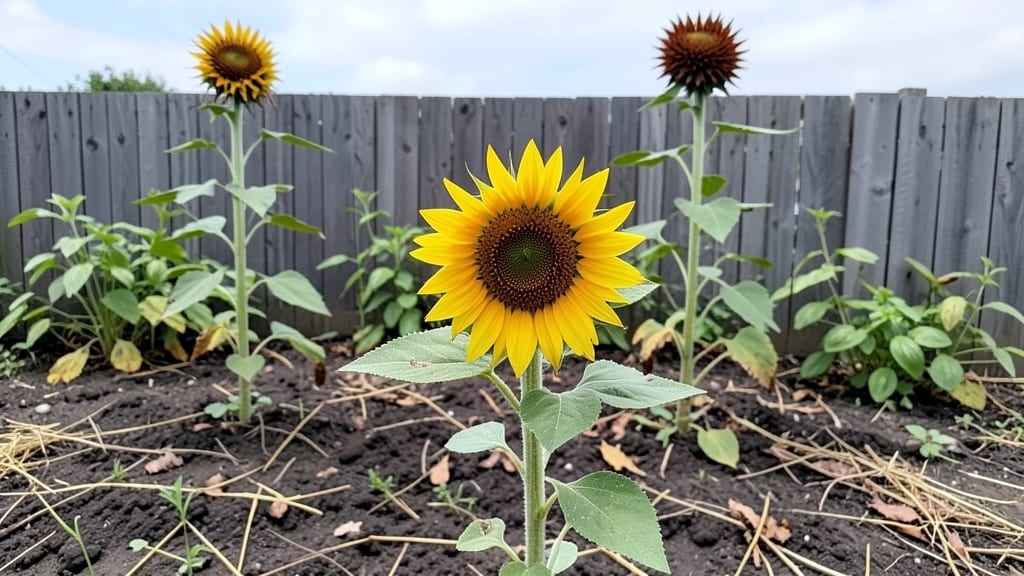
Sunflower seeds growing stages reveal nature's most dramatic transformation—from a tiny seed to a towering sunburst that turns heads. 🌻 I’ve watched my first sunflower shoot up 12 feet in just 90 days, and the journey is just as thrilling as the final bloom.
The real magic happens in the first few weeks, when those delicate sprouts push through the soil.
You’ll see the first true leaves appear within 10-14 days, followed by rapid growth as the plant focuses on building its sturdy stem.
By week 4, you’ll notice the classic jagged leaves and a noticeable thickening of the stalk—this is when sunflowers shift into high gear, reaching 3-5 feet by midsummer if given enough sunlight and water.
What makes this journey so satisfying is how each stage builds on the last—from the initial sprouts to the 6-inch buds that eventually open into those iconic yellow faces. The final stage brings the biggest reward: heavy, seed-filled blooms that attract pollinators and provide food for birds and squirrels.
Here’s the secret: sunflowers thrive on full sun and consistent moisture, but they’re surprisingly forgiving. Even if you miss a watering day, their deep roots help them bounce back. The real trick is patience—those towering stems need time to develop the strength to hold their weight.
📚 In This Guide
- What you need
- Instructions
- Tips and common mistakes
- Wrapping up and next steps
What you need
- ● Sunflower seeds: Choose Helianthus annuus varieties (e.g., 'Mammoth' or 'Autumn Beauty'). Buy 5–10 seeds per plant for a small container garden or 20+ for a larger display.
- ● Growing containers: Use pots (5–12 inches deep) or fabric grow bags with drainage holes. For multiple plants, opt for a raised bed or large container (at least 18 inches deep).
- ● Potting soil: A well-draining seed-starting mix (sterile and light) or a blend of 60% potting soil + 40% perlite/vermiculite for aeration.
- ● Drainage material: Small pebbles, gravel, or broken pottery pieces (1–2 inches thick) to prevent root rot.
- ● Watering can or spray bottle: A gentle spray nozzle helps avoid disturbing seeds.
- ● Grow lights or sunny windowsill: Sunflowers need 6–8 hours of sunlight daily. A full-spectrum LED grow light (12–16 hours/day) works for indoor starts.
- ○ Seedling heat mat: Keeps soil at 70–75°F for faster germination (optional but helpful in cool climates).
- ● Plant labels: Mark varieties and planting dates to track growth stages.
- ● Fertilizer: A balanced 10-10-10 or low-nitrogen 5-10-10 fertilizer for after sprouting (follow package rates).
- ● Stakes or cages: Tall varieties (6+ feet) may need support. Use 3–4 ft bamboo stakes or tomato cages.
- ● Pruning shears: For trimming dead leaves or harvesting seeds later.
- ● Warmth: Ideal soil temp for germination: 70–90°F. Wait until after the last frost for outdoor planting (or start indoors 4–6 weeks early).
- ● Space: Sunflowers need 12–24 inches of spacing between plants (check variety tags).
- ● Patience: Germination takes 7–14 days, and full growth spans 80–120 days!
How to track sunflower growth: key stages from seed to bloom
Sunflowers grow fast and dramatic—here’s how to follow their journey from tiny sprout to towering sunburst.
🌱 Step 1: Germination and First True Leaves
Sunflower seeds sprout in 7-14 days when soil stays at 70-75°F. You’ll see the first sign—a tiny shoot pushing through the soil, followed by the first true leaves (not the initial seed leaves). These early leaves are oval-shaped and appear in pairs along the stem.
Keep the soil consistently moist but not soggy—sunflower roots need steady hydration to establish. If the soil dries out too fast, germination slows or stops. Watch for the cotyledons (the first leaves) unfurling within 5-7 days after sprouting. This is your cue to reduce watering slightly while keeping the soil damp.
🌿 Step 2: Vegetative Growth and Stem Elongation
Once the third set of true leaves appears, your sunflower enters its rapid growth phase. You’ll notice the stem thickening and leaves growing larger—4-6 inches wide within 3-4 weeks. This is when sunflowers drink the most water, so aim for 1-2 inches of water per week.
Sunflowers need full sun (6-8 hours daily) to avoid leggy, weak stems. If you see them stretching toward light with pale leaves, move them closer to a south-facing window or supplement with a grow light. The stem will harden and stand upright as it reaches 3-4 feet tall, signaling it’s ready for its final growth surge.
☀️ Step 3: Bud Formation and Flower Development
When the plant hits 5-6 feet tall, you’ll spot the bud forming at the top—a fuzzy, green bump that swells rapidly over 7-10 days. This is the moment sunflowers shift focus from leaves to blooms. Reduce nitrogen-heavy fertilizers now—too much greenery delays flowering.
Watch for the bud opening when the outer petals begin to separate. The center will look tightly packed and greenish-yellow. Once fully open, the flower head will face east to west, tracking the sun’s movement. This is your signal to stop fertilizing—sunflowers now need phosphorus and potassium to support seed development.
⏰ Step 4: Maturity and Seed Ripening
After blooming, the flower head dries out, and the back of the petals turns brown. This happens 4-6 weeks after flowering, depending on variety. The seeds inside will mature when the outer husk turns golden-brown and the back splits slightly. Gently squeeze a seed—if it’s firm and cracks easily, it’s ready to harvest.
Leave mature sunflowers on the stem until the first frost if you’re in a cold climate. This ensures seeds fully dry and store well. Cut the head off, hang it upside down in a dry, dark place, and watch the seeds rattle—that’s your harvest signal. Remove seeds, dry them completely, and store in a sealed container for next year’s planting.
Tips & tricks for perfect sunflower growth tracking
Sunflowers reward patience with dramatic growth—here’s how to optimize each stage for the best results.
Germination Environment: The 70-75°F soil temperature range is critical for consistent germination. If your climate runs cooler, consider using a seedling heat mat to maintain warmth during those first 7-14 days. I’ve found that covering seeds with a thin layer of mulch helps retain moisture and warmth without overheating the soil. This small step can cut your germination time by nearly half in cooler conditions.
Watering Wisdom: During the 3-4 week vegetative growth phase when leaves reach 4-6 inches, water deeply but infrequently. The key is to water at the base rather than overhead to prevent fungal diseases. I use a moisture meter to check soil levels—aim for consistently damp soil 2-3 inches down, not soggy surface moisture. This approach prevents the leggy stems that come from inconsistent watering patterns.
Sunlight Strategy: Those critical 6-8 hours of daily sun can make or break your sunflower’s development. If you’re growing in containers, rotate them every few days to ensure even light exposure. I’ve seen sunflowers lean dramatically toward windows—if you notice this, move them closer to the light source immediately. For indoor growers, supplement with a full-spectrum grow light 12 inches above the plants for 14 hours daily during cloudy periods.
Fertilizer Timing: The shift from nitrogen-heavy to phosphorus-potassium focused fertilizers at bud formation is crucial. I recommend switching to a 5-10-10 fertilizer ratio once you see that fuzzy green bump forming. This adjustment prevents the plant from putting all its energy into leaf growth instead of flower development. Apply fertilizer every 2-3 weeks until flowering completes, then stop completely to allow seeds to mature properly.
Pro Tips for Sunflower Seeds Growing Stages
- Sunflowers reward patience with dramatic growth—here’s how to optimize each stage for the best results.
- Germination Environment: The 70-75°F soil temperature range is critical for consistent germination.
- Watering Wisdom: During the 3-4 week vegetative growth phase when leaves reach 4-6 inches, water deeply but infrequently.
Frequently asked questions
Got questions about growing sunflower seeds from tiny sprouts to towering giants?
Here are answers to the most common ones—whether you're troubleshooting, planning ahead, or just curious about the process!
How long does it take for sunflower seeds to germinate?
Sunflower seeds typically sprout in 7–14 days after planting, depending on temperature and soil conditions. Keep the soil consistently moist (not soggy!) and warm (around 70–75°F) to speed up germination. Patience is key—some varieties may take a little longer!
When is the best time to plant sunflower seeds?
Sunflowers thrive in warm weather, so plant them after the last frost when soil temperatures reach at least 50°F. For most regions, this means late spring to early summer. If you’re in a hot climate, opt for shorter varieties to avoid wilting in peak heat.
Why aren’t my sunflower seeds sprouting? Troubleshooting tips!
If your seeds aren’t germinating, check these common issues:
- Cold soil: Sunflowers need warmth—wait until the ground is consistently above 50°F.
- Too much water: Overwatering can drown seeds; keep soil moist but well-drained.
- Old or low-quality seeds: Use fresh seeds (stored properly) for best results.
- Poor soil: Amend with compost or a balanced fertilizer before planting.
If they’re still not sprouting after 2 weeks, try replanting!
Can I grow sunflowers in containers? What size pot do I need?
Sunflowers adapt well to containers, but bigger varieties need deeper pots (at least 12–18 inches deep) to support their roots. Dwarf varieties (like ‘Teddy Bear’) thrive in 5–6 gallon pots. Ensure pots have drainage holes and use a lightweight potting mix.
How do I know when sunflowers are ready to harvest?
Sunflower seeds are ready when the back of the flower head turns yellow and the petals start drooping. The seed heads should feel heavy and dry to the touch. Harvest on a dry day, cut the head, and hang it upside down in a warm, dry place for 1–2 weeks to fully dry before shelling.
Pro Tip:
For faster growth, give your sunflowers a phosphorus-rich fertilizer (like 5-10-10) when they’re 4–6 inches tall. This boosts root and stem development, helping them reach for the sky!
Wrapping up and next steps
Growing sunflowers from seeds is a rewarding journey—from the first tiny sprouts breaking through the soil to the majestic blooms reaching for the sky! 🌻 Each stage is a testament to nature’s resilience, and with patience and care, you’ll witness the magic of these towering beauties firsthand.
Ready to plant your seeds? Start by gathering your supplies, choosing the right variety, and giving them the love they deserve. Whether you’re a seasoned gardener or a curious beginner, every seed has the potential to become a sunburst of joy. Happy growing! 🌱