Flowers
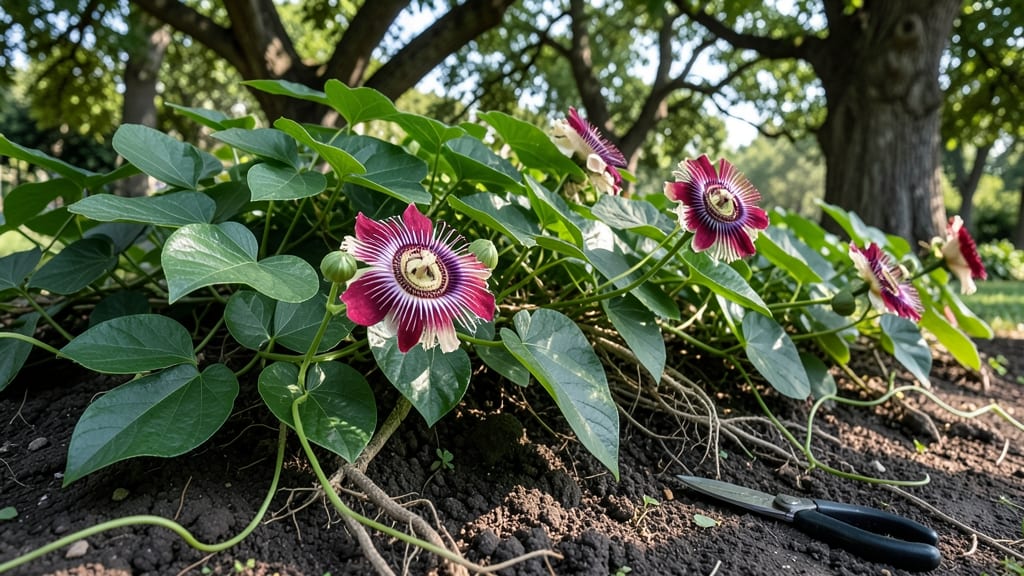
Growing Ruby Glow passion flower means waking up to vibrant orange-red blooms that look like they were painted by hand—every single morning. 🌸 This isn’t just another vine; it’s a showstopper with deep purple foliage, fragrant flowers, and fruit that doubles as a gourmet treat.
The key? Mimicking its tropical roots while keeping it happy in your climate, whether in pots or planted directly.
Start with well-draining soil and a spot that gets 6+ hours of sunlight daily—morning sun and afternoon shade works best in hot zones. Containers are perfect for small spaces, but if planting in the ground, amend heavy soil with compost to prevent root rot.
Ruby Glow thrives in USDA zones 7-11, but with winter protection (like moving pots indoors), you can grow it almost anywhere.
Water consistently but avoid soggy soil—think "damp sponge" rather than a swamp. Prune leggy growth in early spring to encourage bushier vines, and fertilize lightly with a balanced formula every 6-8 weeks during growing season.
The payoff? Year-round blooms that attract hummingbirds and fruit that tastes like a mix of pineapple and citrus.
Here’s the secret weapon: trellising early. Train young vines onto a sturdy support to save your fences from becoming a jungle. With the right care, Ruby Glow becomes the star of your garden—and your kitchen table. Ready to grow one?
📚 In This Guide
- What you need
- Instructions
- Tips and common mistakes
- Wrapping up and next steps
What you need
- ● Ruby Glow Passion Flower Plant: 1 healthy nursery-grown plant (ensure it’s disease-free and has vibrant foliage).
- ● Well-draining potting mix: 5–10 gallons of a blend designed for tropical plants (e.g., 60% peat moss, 20% perlite, and 20% compost).
- ● Containers: 1–2 large pots (12–15 inches in diameter) with drainage holes or a raised garden bed (if growing outdoors in warm climates).
- ● Slow-release fertilizer: 1 cup of organic, balanced fertilizer (10-10-10 or similar) mixed into the soil at planting.
- ● Support structure: 1 trellis, cage, or sturdy stake (6–8 feet tall) to guide the vining growth.
- ● Pruning shears: Sharp, sterilized shears for trimming and shaping vines.
- ● Mulch: Organic mulch (e.g., shredded bark) to retain moisture and regulate soil temperature.
- ● Liquid fertilizer: A water-soluble, high-phosphorus feed (e.g., 5-10-5) for blooming season.
- ● Grow lights: LED grow lights (if growing indoors in low-light conditions).
- ● Humidity tray: A pebble tray with water to boost humidity for indoor plants.
- ● Plant ties: Soft cloth or Velcro ties to secure vines to the trellis gently.
Step-by-step instructions for cultivating Ruby Glow Passion Flower
Here's how to coax these dramatic vines into thriving, bloom-heavy plants with minimal fuss.
🌱 Step 1: Select the Perfect Planting Site
Ruby Glow thrives in partial shade—think 4-6 hours of morning sun with afternoon shade protection. I always choose a spot near a trellis or fence where vines can climb 10-15 feet without competing with other plants. The ideal location gets bright, indirect light all day, which prevents leaf scorch while encouraging vibrant foliage.
Test your spot by observing how sunlight moves across the area. If leaves from nearby plants show brown edges by midday, your site gets too much direct sun. Amend the soil with 2-3 inches of compost to improve drainage, since Ruby Glow hates soggy roots. Work the compost into the top 12 inches of soil to create a loose, airy medium that mimics its native tropical conditions.
☀️ Step 2: Plant at the Right Time and Depth
Plant Ruby Glow in early spring after the last frost when soil temperatures reach 60°F. Dig a hole twice as wide as the root ball but only as deep—this prevents burying the stem, which can cause rot. Gently remove the plant from its container and loosen any circling roots with your fingers before placing it in the hole.
Backfill with native soil mixed with compost, tamping lightly to eliminate air pockets. Water deeply to settle the soil, then add 2-3 inches of mulch around the base (but not touching the stem) to retain moisture. I use wood chips because they break down slowly and improve soil structure over time. This mulch layer also helps regulate soil temperature, which is crucial for continuous blooming.
💧 Step 3: Establish a Watering and Fertilizing Routine
Keep the soil consistently moist but never waterlogged—Ruby Glow needs 1-2 inches of water weekly, more during 75-90°F heatwaves. Water at the base of the plant in the morning to reduce fungal risks. You'll know you're doing it right when the soil feels damp 2 inches down but not soggy. Overwatering causes yellowing leaves, while underwatering leads to drooping foliage and missed blooms.
Fertilize every 4-6 weeks during growing season with a balanced 10-10-10 formula. I switch to a low-phosphorus fertilizer (like 5-1-5) in late summer to prevent excessive foliage at the expense of flowers. Always water before fertilizing, and never apply fertilizer when soil is dry—this burns delicate roots. Look for new violet-tinged leaves as a sign your plant is thriving on the feeding schedule.
✂️ Step 4: Prune for Health and Abundant Blooms
Prune Ruby Glow in late winter before new growth begins, cutting back one-third of the previous year's growth to encourage bushier vines. Remove any dead, diseased, or crossing branches first—these compete for resources and reduce air circulation. I always sterilize my pruners with rubbing alcohol between cuts to prevent spreading pathogens.
After flowering, trim back spent blooms to the nearest leaf node. This redirects the plant's energy into producing more flowers rather than setting seed. You'll see new growth within 2 weeks if the pruning was done correctly. Avoid heavy pruning in fall, as the plant needs energy to harden off for winter. If you live in Zone 9 or warmer, minimal pruning is needed—just remove dead growth to keep the plant tidy.
🪴 Step 5: Support Vines and Protect for Winter
Install a strong trellis or fence within the first month of planting—Ruby Glow vines grow 1-2 feet per week in ideal conditions. I use metal or wooden trellises because they last longer than plastic and provide sturdy support for the heavy blooms. Train young vines by gently tying them to the trellis with soft plant ties, adjusting as they grow to avoid constricting the stems.
In Zones 8-10, protect Ruby Glow from winter chill by wrapping the trellis with burlap and adding 2-3 inches of mulch around the base. If you're in Zones 7 or colder, dig up the plant and store it in a cool, dark place (like a garage) with barely moist soil until spring. You'll know it's ready to replant when new shoots appear—usually around late March or early April.
Tips & tricks for perfect Ruby Glow Passion Flower cultivation
A few strategic moves will help you transform your Ruby Glow into a lush, blooming powerhouse that keeps giving all year.
Soil Science: The secret to vibrant growth lies in that 12-inch compost amendment we mentioned—don't skimp! I've seen plants struggle when gardeners only scratch compost into the top 2 inches. Use a soil probe to verify the compost extends fully to 12 inches. For heavy clay soils, mix in 20% perlite to improve aeration, which Ruby Glow's tropical roots crave.
Lighting Strategy: That 4-6 hours of morning sun window is non-negotiable, but here's the pro move: angle your trellis to capture reflected light from nearby surfaces. A white fence or wall can bounce an extra 1-2 hours of indirect light onto your vines, especially during shorter winter days. This extra light boosts chlorophyll production, leading to those signature ruby-red foliage tones.
Watering Wisdom: The 1-2 inches weekly guideline works, but timing matters more than volume. I've found that watering in two 1-inch sessions—once in the morning and once in the late afternoon—prevents fungal issues better than one heavy watering. Always check soil moisture 2 inches down before watering; if it's already damp, wait another day. Overwatering is the #1 cause of yellowing leaves in my experience.
Fertilizer Finesse: When switching to that low-phosphorus 5-1-5 in late summer, I recommend applying it in half-strength to avoid shocking the plant. Mix equal parts fertilizer with water before applying, then water thoroughly after. This gradual approach prevents the leaf burn I've seen when gardeners apply full-strength late-season fertilizer. Watch for those violet-tinged leaves—they're your plant's way of saying "thank you for the nutrients!"
Pro Tips for Ruby Glow Passion Flower
- A few strategic moves will help you transform your Ruby Glow into a lush, blooming powerhouse that keeps giving all y...
- Soil Science: The secret to vibrant growth lies in that 12-inch compost amendment we mentioned—don't skimp! I've seen...
- Lighting Strategy: That 4-6 hours of morning sun window is non-negotiable, but here's the pro move: angle your trelli...
Frequently asked questions
Got questions about growing Ruby Glow passion flower? You’re not alone!
Here are some of the most common queries—plus quick answers to help you cultivate vibrant, thriving vines with ease.
How fast does Ruby Glow passion flower grow, and how big does it get?
Ruby Glow is a fast grower, often putting on 12–24 inches per season with ideal care. Mature vines can reach 15–25 feet if given a sturdy trellis or support. In containers, growth slows slightly but still thrives with regular pruning to manage size. Pro tip: Train vines early to avoid tangled messes!
When is the best time to plant Ruby Glow passion flower?
Plant in early spring (after the last frost) for the best start, or in late summer if you’re in a warm climate (Zone 9–11). Young plants need time to establish roots before winter. If transplanting, water deeply and mulch to retain moisture. Warning: Avoid planting in fall—tender roots may struggle in cold snaps.
Does Ruby Glow passion flower need full sun, or can it tolerate shade?
While it loves full sun (6+ hours daily) for the most vibrant blooms, Ruby Glow tolerates partial shade (4–6 hours), especially in hot climates. In shadier spots, expect fewer flowers but lush foliage. Pro tip: If growing indoors, place near a south-facing window or use grow lights for optimal growth.
Why aren’t my Ruby Glow passion flowers blooming?
Common culprits include insufficient sunlight, over-fertilizing (too much nitrogen), or lack of support (vines need to climb to trigger blooms). Try moving to sunnier spot, switching to a balanced bloom booster fertilizer, and pruning leggy growth. Bonus: Deadhead spent blooms to encourage more flowers!
Can I grow Ruby Glow passion flower in a container, and what’s the best soil mix?
Use a 10–15 gallon pot with drainage holes and a mix of 50% potting soil, 30% perlite, and 20% compost. Add a slow-release fertilizer at planting. Containers dry out faster, so water when the top inch is dry. Warning: Root-bound plants bloom less—repot every 2–3 years.
How do I overwinter Ruby Glow passion flower in cold climates?
In Zones 7–8, dig up potted plants and store in a cool (40–50°F), dark garage until spring. For in-ground vines, mulch heavily (6+ inches) and wrap the base with burlap. Prune back dead growth in early spring. Pro tip: Avoid watering dormant plants to prevent rot.
Wrapping up and next steps
Growing Ruby Glow Passion Flower is a rewarding journey that brings vibrant color and exotic charm to your garden year-round! 🌿 With the right sunlight, soil, and care, you’ll enjoy its striking blooms and lush foliage—plus, its hardiness makes it a low-maintenance star.
Whether you’re a seasoned gardener or just starting out, this tropical beauty is ready to wow your outdoor space.
Ready to dive in? Start by gathering your supplies—then pick a sunny spot and let the adventure begin! 🌸 For extra tips, check out our FAQ section or share your progress with fellow plant lovers. Happy planting!