
Flowers
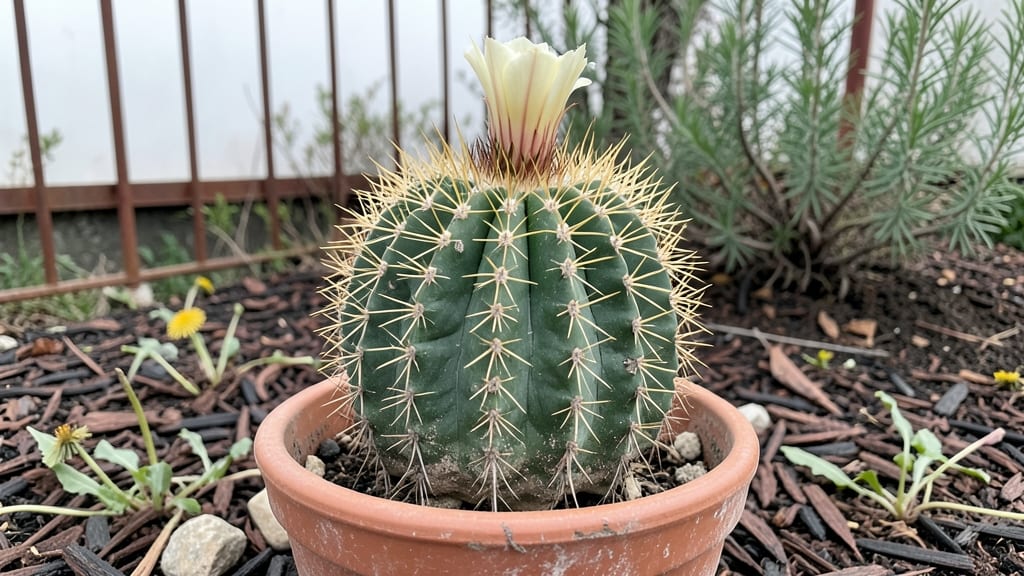
That unexpected burst of color from your round cactus with flower is what makes prickly pear so magical—bright blooms that turn heads and feed hummingbirds.
I’ve grown mine for years, and the secret to those showstopping flowers isn’t complicated: it’s all about light, patience, and knowing when to hold back on the water.
My first attempt ended with a sad, wilted plant, but now I get vibrant yellow or magenta blooms every spring, and the fruit that follows is worth the wait.
The key starts with bright, direct sunlight—at least 6 hours daily—and well-draining soil that mimics its desert roots. Indoor growers need a south-facing window or grow lights, while outdoor plants thrive in USDA Zones 3-11 with protection from winter freezes.
Watering is where most people go wrong: soak the soil every 2-3 weeks in summer, then cut back almost entirely in winter. Overwatering is the fastest way to kill these tough beauties.
When cared for right, your prickly pear will reward you with stunning, short-lived blooms that last just a day or two—but they’re worth the wait. The real magic happens after pollination, when the fruit ripens into sweet, edible pads.
Even if blooms don’t come the first year, the cactus itself is a striking centerpiece with its glossy, rounded pads and subtle spines. Patience pays off, and the process is oddly satisfying once you get the rhythm down.
Outdoor plants need winter protection in colder zones, while indoor ones may struggle with low humidity. Both benefit from occasional fertilization in spring, but too much can actually prevent blooming.
The biggest mistake? Assuming these cacti are low-maintenance—they’re finicky about water and light, but once you nail those, they’re nearly foolproof. Ready to unlock those blooms?
📚 In This Guide
- What you need
- Instructions
- Tips and common mistakes
- Wrapping up and next steps
What you need
- ● Round cactus (Prickly Pear): 1 healthy, mature plant (3–6 inches in diameter) with visible buds or blooms
- ● Ensure it’s Opuntia species (e.g., Opuntia humifusa or Opuntia ficus-indica)
- ● Well-draining potting mix: 50% cactus/succulent soil
- ● 30% perlite or pumice
- ● 20% coarse sand (for aeration)
- ● Pot with drainage holes: 1 terracotta or ceramic pot (slightly larger than the cactus’s root ball)
- ● Pruning shears or clean knife: Sterilized (rubbing alcohol wipe)
- ○ Gloves (optional but recommended): Thick gardening gloves to protect from spines
- ● Watering can with a narrow spout (for precise hydration)
- ○ pH testing kit (optional, to monitor soil acidity—ideal: 6.0–7.0)
- ● Fertilizer: 1 balanced succulent fertilizer (5-10-5 NPK ratio)
- ● Apply once every 4–6 weeks during growing season
- ● Grow lights or sunny windowsill: 6+ hours of direct sunlight daily (south-facing window or LED grow light)
- ○ Humidity tray (optional): For arid climates to mimic desert conditions
- ● Patience! Prickly Pear flowers take 2–3 years to bloom from seed or offsets.
- ● Knowledge of your USDA hardiness zone (most varieties thrive in Zones 3–10).
- ● Basic understanding of overwatering risks—let soil dry completely between waterings.
How to encourage blooming in your prickly pear cactus
Here’s how I coax vibrant flowers from my round prickly pear cactus—no fancy tricks, just proven care.
Provide Bright, Direct Sunlight
Prickly pear cacti thrive in full sun, so place yours in a south-facing window or under a grow light for 6-8 hours daily. I’ve seen flowers appear within weeks of moving a struggling plant into better light. If your cactus stretches toward the window, it’s begging for more sun.
Rotate the pot quarter-turn weekly so all sides get even exposure. This prevents lopsided growth and ensures energy focuses on blooming. In winter, supplement with a 12-hour grow light—even indoor plants need extra brightness to trigger flowering.
Mimic Desert Conditions with Water and Soil
Water your prickly pear only when the soil is completely dry—usually every 2-3 weeks in summer, less in winter. Overwatering is the #1 killer of blooms. I use a well-draining cactus mix (like the one in your supplies) and add a handful of perlite to prevent root rot.
Let excess water drain fully—never let the pot sit in saucers. In spring, when you see new pads forming, reduce water slightly. This stress signals the cactus to focus on flowering instead of growth. A dry spell in late winter can even trigger blooms.
Fertilize Lightly During Growing Season
Feed your cactus with a balanced, diluted fertilizer (like 10-10-10) every 4-6 weeks in spring and summer. I mix it to half-strength—too much fertilizer burns roots and delays blooming. Skip fertilizing in fall and winter when the plant rests.
Look for signs of stress after feeding: yellowing pads or slow growth mean you’re overdoing it. Prickly pears don’t need much—just enough to encourage steady, healthy growth. A light feeding in early spring jumpstarts blooming cycles.
Protect from Temperature Swings
Keep your cactus in 60-85°F temperatures during the day, with cooler nights (50-60°F). Sudden cold snaps or heat waves shock the plant and halt flowering. I move mine indoors if temps drop below 50°F—even a drafty window is better than frost.
In late winter, a 10°F drop at night can trigger blooms. If your home stays too warm, open a window nearby to simulate seasonal changes. Avoid placing the pot near vents or AC units—consistent conditions are key.
Be Patient and Observe
Prickly pears often bloom on 2-3 year old pads, so don’t rush. I’ve had plants wait until they’re 3-4 years old before their first flowers. Watch for small buds forming along the edges of new pads—these are your first sign of impending blooms.
Once buds appear, reduce water slightly and keep light consistent. Flowers typically last 1-2 days, but the experience is worth it. If no blooms appear after a year, check your light, water, and fertilizer—adjustments often work wonders.
Tips & tricks for perfect prickly pear blooming
Here’s what nobody tells you about getting those stunning flowers—these small adjustments make all the difference.
The Light Factor: In Step 1, when you’re providing those crucial 6-8 hours of sunlight, watch for the golden hour rule: the first hour after sunrise and last hour before sunset are most powerful for blooming. I’ve seen buds form within weeks of adjusting placement to capture these hours. If using grow lights, position them 6-12 inches above the plant for even coverage.
Watering Wisdom: Step 2’s 2-3 week watering schedule might seem long, but it’s non-negotiable. I learned this the hard way after losing two plants to overwatering—always check soil depth by sticking your finger 2 inches down. For winter, extend this to every 4-6 weeks. The dry spell in late winter mentioned in Step 2 is your secret weapon for triggering blooms.
Fertilizer Timing: That 4-6 week feeding schedule in Step 3 is perfect, but here’s the catch: only fertilize when you see new pad growth. I skip spring feedings if my cactus is still dormant—wait until you spot fresh pads forming. And when you do feed, use a spray bottle to apply diluted fertilizer directly to the soil surface rather than pouring it on top.
Temperature Tricks: Maintaining that 60-85°F range during the day is crucial, but the nighttime 50-60°F drop is where magic happens. In Step 4, if your home stays too warm at night, try placing the pot on a tile floor or near an open window with a breeze. That 10°F nighttime drop mentioned for triggering blooms works best when combined with cooler nights—think of it as a desert chill signal.
Pro Tips for Round Cactus With Flower
- Here’s what nobody tells you about getting those stunning flowers—these small adjustments make all the difference.
- The Light Factor: In Step 1, when you’re providing those crucial 6-8 hours of sunlight, watch for the golden hour rule: the first hour after sunrise and last hour before sunset are most powerful for blooming.
- Watering Wisdom: Step 2’s 2-3 week watering schedule might seem long, but it’s non-negotiable.
Frequently asked questions
about round cacti with flowers—like the stunning Prickly Pear—can help you care for them like a pro! Here are answers to the most common questions:How do I tell if my round cactus is ready to bloom?
A healthy Prickly Pear cactus typically blooms in late spring or summer, but readiness depends on age and care. Look for mature pads (3+ years old) with vibrant green color and no signs of stress (like wrinkling or yellowing). If it’s getting enough sunlight (6+ hours/day) and well-draining soil, it’s likely prepped for flowers!
How long does it take for a round cactus to flower?
Patience is key! Most Prickly Pear cacti take 2–5 years to bloom, depending on species and growing conditions. Some fast-growing varieties (like Opuntia robusta) may flower sooner, while others need more time. Consistent care—like proper watering and sunlight—speeds up the process.
Why isn’t my round cactus flowering?
Common culprits include lack of sunlight, overwatering, or nutrient deficiencies. Move it to a sunnier spot, reduce watering in winter, and fertilize lightly in spring. If it’s too young (<2 years), give it time! Stress (like temperature swings) can also delay blooms.
Can I grow a round cactus indoors and still get flowers?
Yes, but it’s challenging! Indoor cacti need bright, direct light (south-facing window) and a cool winter dormancy (50–60°F) to trigger blooms. A grow light can help, but outdoor conditions are ideal. If flowers appear indoors, they’ll likely be smaller.
Are the flowers of round cacti edible or toxic?
Prickly Pear flowers are edible and delicious! They’re often used in teas, jams, or garnishes. However, always confirm the species—some cacti (like Saguaro) are toxic. Remove spines carefully, and avoid the pads if you’re sensitive to oxalates.
Still curious? Drop your questions below—we’re happy to help your cactus bloom like a pro!
Wrapping up and next steps
Discovering the beauty of a round cactus with flower—like the stunning prickly pear—is a rewarding journey into nature’s resilience and elegance. Whether you’re captivated by its vibrant blooms or eager to nurture one yourself, remember that patience and care unlock their full potential.
Now that you’re armed with insights on identification, cultivation, and troubleshooting, why not take the next step? Grab a pot, gather your supplies, and invite this desert marvel into your home or garden today! 🌵✨