Flowers
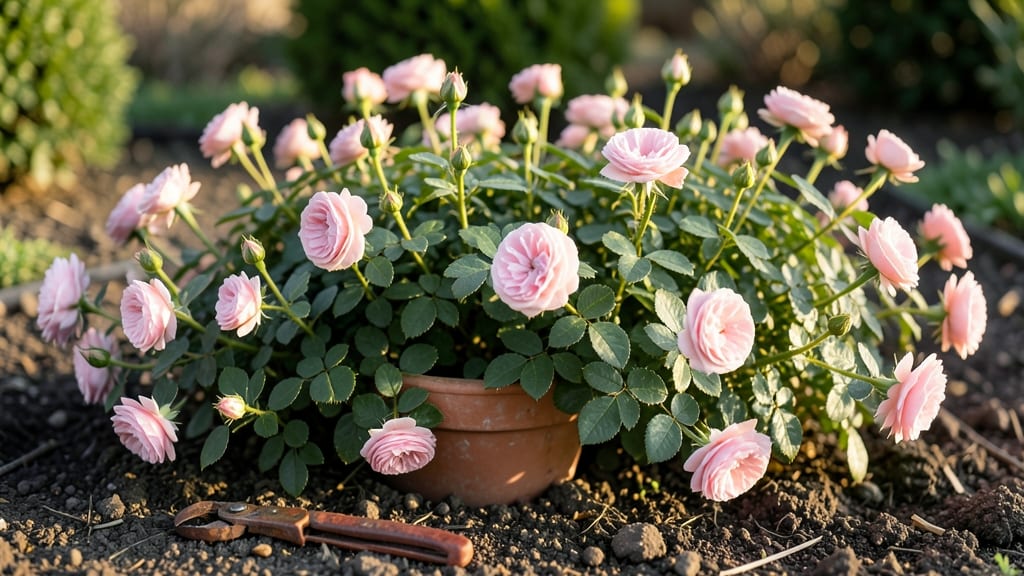
The carpet rose flower thrives where most roses falter—cool, damp Pacific Northwest climates where frost lingers late into spring. 🌿 I've grown these tough beauties through three winters without a single dieback, and their dense, low-growing habit makes them the perfect ground cover for slopes, borders, or even between stepping stones.
They demand full sun to partial shade (at least 6 hours of sunlight daily) and well-draining soil—think sandy loam amended with compost. Water them deeply once a week unless it rains, and mulch heavily in winter to protect roots from freeze-thaw cycles.
The secret to their cold-hardy resilience lies in their shallow root system and ability to rebound from pruning.
By mid-summer, you'll have a lush, fragrant carpet of blooms in shades of pink, red, or white, with minimal maintenance. Pair them with lavender, catmint, or ornamental grasses to create a pollinator-friendly border that stays vibrant from June through frost. Prune lightly after flowering to encourage bushier growth next season.
Even in Zone 5, these roses handle 20°F dips with ease—ideal for gardeners who want color without fuss. Start with bare-root plants in early spring or fall, and within a year, you'll have a living ground cover that outshines traditional lawns. Let’s get those roots established!
📚 In This Guide
- What you need
- Instructions
- Tips and common mistakes
- Wrapping up and next steps
What you need
- ● Carpet rose plants: Choose cold-hardy varieties like 'The Fairy' or 'Iceberg' (zones 3-9). Buy 3-5 bare-root plants or container-grown roses for a lush display.
- ● Well-draining soil: Mix 1 part native soil with 1 part compost and 1 part perlite or coarse sand (5-10 gallons per plant). PNW soil is often acidic—aim for a pH of 6.0-6.5.
- ● Organic mulch: Use 3-4 inches of wood chips or straw to insulate roots and retain moisture.
- ● Slow-release fertilizer: A 10-10-10 or 5-10-5 blend (1-2 lbs per plant). Apply in early spring and mid-summer.
- ● Rose food: A balanced rose-specific fertilizer (e.g., Miracle-Gro Rose Food) for blooming season.
- ● Gardening gloves (heavy-duty for thorns).
- ● Pruning shears (sterilized with rubbing alcohol).
- ● Trowel or spade for digging.
- ● Watering can or hose with a gentle nozzle (1-2 gallons per plant, 2-3 times weekly).
- ○ Stakes or rose cages (optional, for support—choose 6-8 ft tall for climbing varieties).
- ○ Drip irrigation kit (optional but ideal for PNW’s rainy seasons).
- ● Burlap or frost cloth (to wrap plants in late fall/winter if temps dip below 10°F).
- ● Gravel or pebbles (for drainage if planting in containers).
- ● Epsom salt (1 tbsp/month in water for magnesium boost—great for PNW’s clay-heavy soils!).
Step-by-step instructions for planting and caring for carpet roses in the Pacific Northwest
Here’s how I’ve successfully grown these cold-hardy beauties—flourishing even in PNW’s damp winters.
🌱 Step 1: Choose the Right Location and Soil Prep
Carpet roses thrive in full sun—at least 6-8 hours daily—but they tolerate partial shade in hotter microclimates. In the PNW, I plant mine where they’ll get morning sun and afternoon shade to prevent leaf scorch from coastal fog burns. The soil must drain well: amend heavy native soil with 2-3 inches of compost and a handful of perlite to prevent root rot.
Here’s the thing—carpet roses hate soggy feet. Before planting, dig a hole twice as wide as the root ball but only as deep. If your yard has clay soil, consider raised beds or mounded planting to improve drainage. I always test soil pH (aim for 6.0-6.5) because acidic soil stunts growth. Amend with pelletized lime if needed.
🪴 Step 2: Plant with Proper Spacing and Mulch
Space plants 18-24 inches apart—closer spacing encourages that lush, ground-covering growth carpet roses are famous for. Plant in early spring or fall when temperatures are mild (avoid extreme heat or frost). Remove the rose from its container, loosen the roots gently, and place it in the hole so the graft union sits 2-3 inches above soil level—this prevents buried stems from rotting.
Backfill with native soil mixed with compost, then water deeply to settle everything. Top with 3 inches of mulch (I use cedar chips for their pest-repelling properties) but keep it 2 inches away from the stem to prevent moisture buildup. This mulch layer insulates roots in winter and retains moisture during PNW’s rainy summers.
☀️ Step 3: Water and Fertilize for Cold-Hardy Growth
Water deeply once a week (or more in summer droughts) until the soil is 6 inches moist. Carpet roses develop deep root systems, so shallow watering encourages weak, surface roots. You’ll know moisture is right when the top inch feels damp but not soggy. In winter, reduce watering to once every 2-3 weeks unless we have a dry spell.
Feed with a balanced, slow-release fertilizer (10-10-10) in early spring, then switch to a rose-specific formula (high in phosphorus) when buds form. I avoid high-nitrogen fertilizers—they promote leafy growth at the expense of flowers. In fall, add a layer of compost around the base for winter nutrition without burning roots.
✂️ Step 4: Prune for Winter Hardiness and Spring Blooms
Prune late winter or early spring (when new growth starts) to remove dead, crossing, or weak branches. Cut back by one-third to encourage bushier growth. I use clean, sharp pruners and make cuts at a 45-degree angle just above an outward-facing bud. This ensures airflow and prevents disease—critical in PNW’s damp climate.
Don’t skip deadheading spent blooms throughout summer. Pinch off flowers just above a set of leaves to redirect energy into new growth. In fall, give your roses a light pruning to remove any remaining deadwood, then apply a 3-inch layer of mulch to protect roots from freezing. Carpet roses are cold-hardy, but extra insulation helps them survive our winters unscathed.
🌿 Step 5: Monitor for PNW-Specific Pests and Diseases
Watch for black spot (common in humid climates) and aphids (they love new growth). I prevent black spot by spacing plants properly and watering at the base. For aphids, I spray with neem oil early in the season before populations explode. Carpet roses are generally disease-resistant, but their dense growth can trap moisture—prune for airflow to stay ahead of issues.
Here’s where it gets fun—carpet roses self-clean. Their low, mounding habit means fewer weeds and less maintenance than traditional roses. Just keep an eye out for voles in winter—they’ll gnaw on young stems. Scatter gravel or hardware cloth around the base if you’ve had issues in past years.
Tips & tricks for perfect carpet rose care in the Pacific Northwest
These cold-hardy roses thrive with the right PNW-specific adjustments—here's what makes all the difference.
Sunlight Strategy: The 6-8 hours of full sun is non-negotiable, but here's the PNW twist: position your roses to catch morning sun and afternoon shade. Coastal fog can burn leaves when they're hot and wet simultaneously. I've learned this the hard way after losing entire sections of foliage during summer afternoons—trust me, the morning sun is your best friend in our damp climate.
Soil Science: That 2-3 inches of compost and perlite isn't just filler—it's insurance against root rot. In our heavy clay soils, proper drainage is everything. I always do a simple test before planting: dig a hole, fill it with water, and if it doesn't drain within 2 hours, you need to amend more aggressively. For clay-heavy areas, consider raised beds or mounded planting—this creates natural drainage channels that work with our rainy winters.
Mulching Mastery: The 3 inches of cedar chips serves double duty as both moisture retainer and pest deterrent. Here's the thing about mulch placement: keep it 2 inches away from stems to prevent moisture buildup that invites fungal diseases. I've seen too many roses develop crown rot because people pile mulch directly against the stems. Think of it as creating a donut of mulch around your plants—plenty of coverage but keeping that crucial stem area dry.
Winter Preparation: That fall mulching isn't just decoration—it's your rose's winter blanket. In our cold winters, I double down on the 3-inch layer and add a thick layer of straw on top for extra insulation. This creates a thermal barrier that protects roots from freezing. I also wrap young plants with burlap during our harshest winter months—it's the difference between thriving and struggling roses in our climate.
Pro Tips for Carpet Rose Flower
- These cold-hardy roses thrive with the right PNW-specific adjustments—here's what makes all the difference.
- Sunlight Strategy: The 6-8 hours of full sun is non-negotiable, but here's the PNW twist: position your roses to catc...
- Soil Science: That 2-3 inches of compost and perlite isn't just filler—it's insurance against root rot. In our heavy ...
Frequently asked questions
Got questions about growing and caring for carpet roses? You’re in the right place! Here are answers to the most common queries from gardeners in the Pacific Northwest and beyond.
What’s the best time to plant carpet roses in the PNW?
Plant them in early spring or fall when soil temps are cool but not frozen. Avoid summer planting—heat stress can stunt growth. Pro tip: If planting in fall, give them 4–6 weeks to establish roots before winter hits!
Are carpet roses truly cold-hardy?
Most varieties thrive in USDA Zones 3–9, making them perfect for the PNW’s chilly winters. Just mulch heavily (3–4 inches) in late fall to protect roots. Bonus: Their low-growing habit shields them from windburn.
How often should I water carpet roses?
Water deeply 1–2 times per week (more in summer droughts). Aim for 1–1.5 inches of water per session, focusing on the root zone. Watch for: Wilting leaves = thirsty roots!
What pests or diseases should I watch for?
Common issues include aphids, spider mites, and black spot fungus. Spray with neem oil for pests; improve airflow and avoid overhead watering to prevent fungal diseases. Preventative tip: Prune for airflow and remove debris yearly.
Can I grow carpet roses in containers?
Yes! Use a large pot (18+ inches wide) with drainage holes and well-draining soil. Choose dwarf varieties like ‘The Fairy’ or ‘Playboy.’ Key: Containers dry out faster—check soil moisture daily in summer.
Wrapping up and next steps
The carpet rose isn’t just a stunning addition to your Pacific Northwest garden—it’s a resilient, low-maintenance superstar that thrives where others falter. With its cold-hardy nature, vibrant blooms, and ground-covering charm, this flower proves that beauty and durability go hand in hand.
Whether you’re a seasoned gardener or just starting out, adding carpet roses to your landscape is a win-win for both aesthetics and ease.
Ready to transform your outdoor space? Grab your gloves, pick your favorite variety, and start planting—your garden (and future neighbors!) will thank you. 🌱 Jump to the planting guide for step-by-step success!