
Flowers
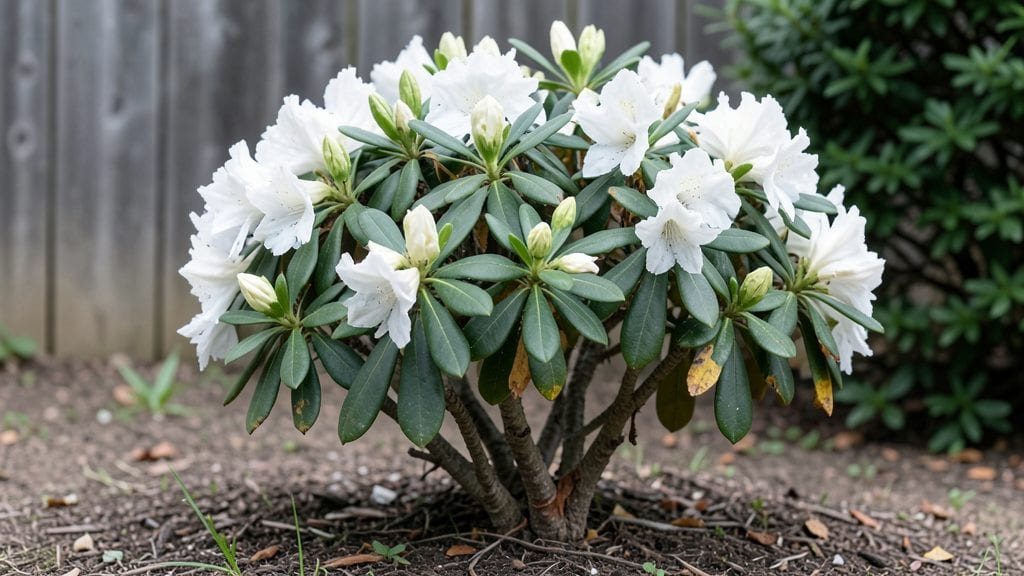
White rhododendron flowers transform gardens into ethereal moonlight scenes, especially when they bloom after sunset. 🌙 These frost-resistant stunners thrive in cooler climates, offering a dramatic contrast to dark foliage and evergreen shrubs. Their late-night fragrance and luminous petals create a magical atmosphere that few plants can match.
I’ve designed gardens where white rhododendrons anchor the space, their glossy leaves providing year-round structure while their blooms steal the show in spring and early summer. Pair them with deep purples, rich greens, or soft blues to amplify their luminosity, or let them stand alone as a bold, monochromatic statement.
Their adaptability makes them perfect for woodland gardens, modern landscapes, or even cottage-style borders.
What makes them truly special is their resilience—these plants handle frost, humidity, and partial shade with ease, making them low-maintenance yet high-impact. A single specimen can anchor a foundation planting, while a cluster creates a dramatic focal point.
Their night-blooming habit adds another layer of intrigue, turning your garden into an after-dark spectacle.
The key to showcasing their beauty lies in placement: position them where their blooms catch evening light, or use them as a backdrop for lighter-colored perennials. With the right companions, they’ll elevate any garden style—whether you’re aiming for rustic charm or sleek sophistication.
Let’s explore how to make them the star of your outdoor space.
📚 In This Guide
- What you need
- Instructions
- Tips and common mistakes
- Wrapping up and next steps
What you need
- ● Rhododendron plants with white flowers: Choose Rhododendron ‘Catawbiense Grandiflorum’ or Rhododendron ‘Annabelle’ (frost-resistant varieties). Quantity: 3–5 plants for a small garden, 5+ for a larger display.
- ● Well-draining acidic soil: Mix 50% peat moss or coconut coir with 30% garden soil and 20% perlite or sand (pH 4.5–5.5). Quantity: Enough to fill your planting area (e.g., 2–3 cubic yards for a 10’x10’ bed).
- ● Organic mulch: 3–4 inches of pine bark, wood chips, or shredded leaves to retain moisture and regulate temperature.
- ● Slow-release fertilizer: 10-10-10 or 12-4-8 (acid-loving plant formula). Quantity: 1 lb per 100 sq ft, applied in early spring.
- ● Watering can or drip irrigation: For deep watering (1–1.5 inches per week), especially during dry spells.
- ● Garden trowel or spade: For planting and soil amendments.
- ● Pruning shears: Sharp, bypass-style shears for shaping and deadheading.
- ● Garden gloves: Heavy-duty to protect against thorns and soil.
- ○ pH testing kit: To monitor soil acidity (optional but helpful).
- ○ Frost cloth (optional): Lightweight 30–50g/m² fabric for young plants in early spring/frost-prone zones.
- ● Epsom salt: 1 tbsp per gallon of water (monthly in growing season for magnesium boost).
- ● Compost tea: Homemade or store-bought to enrich soil microbiomes.
- ● Night-bloom trigger: A low-watt LED grow light (red spectrum) for 2–3 hours before dusk to encourage evening blooms (experimental!).
- ● Decorative stones or mulch rings: To enhance aesthetics and retain moisture.
Step-by-step guide to cultivating frost-resistant white rhododendrons
Here’s how to grow these stunning night-blooming shrubs that thrive in cooler climates.
🌱 Step 1: Select the Right Location and Soil
Rhododendrons demand acidic, well-draining soil with a pH between 4.5 and 6.0—test your soil first or amend with sulfur or peat moss if needed. Choose a spot with partial shade (morning sun, afternoon shade) to protect delicate blooms from harsh afternoon rays. Avoid low-lying areas where cold air settles, as these plants tolerate light frost but not prolonged cold snaps below 10°F.
Dig a hole twice as wide as the root ball but only as deep—planting too deep suffocates roots. Loosen the soil at the bottom of the hole with your fingers to encourage root spread. If your soil drains poorly, mix in perlite or coarse sand to improve aeration. This ensures roots stay oxygenated, which is critical for frost resistance.
🪴 Step 2: Plant and Mulch for Winter Protection
Remove the rhododendron from its container and tease the roots gently if they’re circling. Place the plant in the hole so the top of the root ball sits 1 inch above soil level—settling will occur over time. Backfill with native soil mixed with compost (never fresh manure—it burns roots). Press firmly around the base to eliminate air pockets, then water deeply to settle the soil.
Apply a 3-inch layer of organic mulch (pine needles, wood chips, or shredded bark) around the base, keeping it 6 inches away from the stem. Mulch insulates roots in winter and retains moisture in summer. Replenish annually in late fall to maintain protection. Avoid inorganic mulches like rocks—they don’t regulate temperature like organic materials.
☀️ Step 3: Water and Fertilize for Frost Hardiness
Water deeply once a week (more in extreme heat) to keep soil consistently moist but never soggy. Rhododendrons hate drought stress, which weakens their ability to withstand frost. Check moisture by digging 2 inches down—soil should feel like a damp sponge. In winter, reduce watering but keep soil from drying out completely, especially in dormant but unfrozen conditions.
Fertilize in early spring with an acid-loving plant formula (high in phosphorus and potassium). Avoid high-nitrogen feeds—they encourage leafy growth at the expense of frost resistance. I use a slow-release rhododendron-specific pellet applied according to package rates. Stop fertilizing by mid-summer to allow roots to harden off before winter.
✂️ Step 4: Prune and Prepare for Winter Blooms
Prune immediately after flowering (late spring) to shape the shrub and encourage next year’s blooms. Remove dead, crossing, or weak branches at the base, cutting just above a bud or outward-facing leaf. Never prune into old wood—rhododendrons bloom on new growth, and severe cuts reduce flowering potential. Thin the center to improve airflow, which prevents fungal diseases that weaken frost tolerance.
In late fall, apply a thin layer of anti-desiccant spray (like Wilt-Pruf) to protect foliage from winter drying. This isn’t just for aesthetics—healthy leaves insulate buds better. If your region experiences hard freezes below 0°F, wrap the shrub loosely in burlap (not plastic) and remove it in early spring. Overwintering properly ensures those white night-blooming flowers return year after year.
Tips & tricks for perfect frost-resistant rhododendrons
Here's what nobody tells you about growing these delicate yet hardy beauties—secrets that'll make your white rhododendrons thrive year after year.
Soil Testing is Non-Negotiable: That pH range of 4.5-6.0 isn't just a suggestion—it's critical for nutrient uptake. I learned this the hard way after my first rhododendrons struggled with yellowing leaves. Test your soil with a reliable kit before planting, and if you need to amend, sulfur works faster than peat moss for lowering pH. The goal is to mimic their natural acidic forest floor habitat.
Root Ball Position Matters More Than You Think: Planting with the top of the root ball just 1 inch above soil level might seem minor, but this prevents waterlogging that can suffocate roots. I've seen gardeners plant too deep, and within weeks, the plant showed signs of stress. That extra inch creates the perfect balance between drainage and stability.
Mulch Like a Pro: That 3-inch layer of organic mulch isn't just for looks—it's a winter survival blanket. Pine needles are ideal because they slowly release acidity as they break down, which benefits your rhododendrons. I make it a point to replenish this layer annually in late fall, right after the first frost warning. The key is keeping it 6 inches away from the stem to prevent rot.
Watering Wisdom: The "damp sponge" test at 2 inches down is your best friend. I check this every time I water because rhododendrons hate both drought and soggy conditions. In winter, I reduce watering but never let the soil dry out completely—even dormant plants need moisture to survive those sub-10°F nights.
Pro Tips for Rhododendron White Flowers
- Here's what nobody tells you about growing these delicate yet hardy beauties—secrets that'll make your white rhododendrons thrive year after year.
- Soil Testing is Non-Negotiable: That pH range of 4.5-6.0 isn't just a suggestion—it's critical for nutrient uptake.
- Root Ball Position Matters More Than You Think: Planting with the top of the root ball just 1 inch above soil level might seem minor, but this prevents waterlogging that can suffocate roots.
Frequently asked questions
Got questions about growing and enjoying rhododendron white flowers? You’re not alone! Here are some of the most common queries—plus quick, practical answers to help you cultivate these stunning blooms with confidence.
When is the best time to plant white rhododendrons for frost resistance?
Plant your white rhododendrons in early spring or fall—avoid extreme heat or frost. These plants thrive in cooler climates (USDA Zones 4–8) and need time to establish roots before winter. Pro tip: Mulch heavily in late fall to protect roots from freezing temps!
Why aren’t my white rhododendrons blooming at night like described?
Night-blooming rhododendrons often need cool evenings (50–60°F) and high humidity to trigger nocturnal flowers. If blooms are sparse, check soil moisture (too dry = fewer blooms) or prune spent flowers in early spring to encourage new growth. Fun fact: Some varieties bloom best after a light frost!
What’s the easiest alternative if I can’t grow rhododendrons?
Try azaleas, camellias, or pieris japonica—they’re equally frost-hardy and offer white blooms. For night-blooming appeal, opt for evening primrose (Oenothera) or moonflower vine (Ipomoea alba). All love acidic soil like rhododendrons!
How do I fix yellow leaves on my white rhododendron?
Yellow leaves usually signal overwatering, poor drainage, or nutrient deficiency. Let soil dry slightly between waterings, and amend with peat moss or pine bark for acidity. A light fertilizer (high in iron) in spring can also help. Warning: Avoid chlorinated water—it harms roots!
Can white rhododendrons survive a hard freeze (-10°F or lower)?
Most varieties handle short freezes down to -15°F if roots are mulched. For extreme cold, wrap young plants in burlap or use frost blankets. Older plants (3+ years) are tougher—just protect new growth with evergreen boughs as insulation.
Wrapping up and next steps
Growing rhododendron white flowers in your garden is a rewarding journey that blends beauty, resilience, and enchanting nighttime magic! 🌙✨ These frost-resistant stunners not only elevate your outdoor space but also attract pollinators and create a serene ambiance.
Whether you’re a seasoned gardener or just starting, the key lies in proper soil prep, strategic placement, and a little patience—your efforts will soon bloom into a breathtaking centerpiece.
Ready to take the next step? Start by selecting the perfect spot in your garden, gather your supplies, and dive into planting with confidence. Your future white rhododendron blooms will thank you—and so will your neighbors! 🌿💖