Flowers
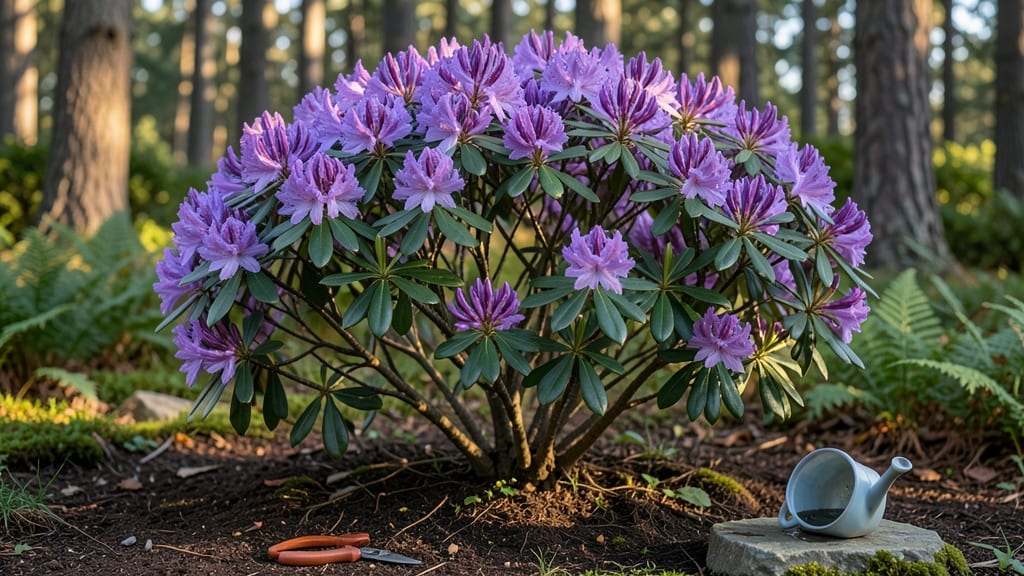
That first flush of purple rhododendron flowers in early spring is what makes Pacific Northwest gardens unforgettable—vibrant, frost-hardy, and impossible to resist. I still remember the first time I saw one in bloom along a misty Seattle hillside, its deep lavender petals standing out against the damp greenery.
These plants aren’t just pretty; they’re tough survivors that thrive where other shrubs give up.
Growing them starts with the right conditions: acidic, well-draining soil mixed with organic matter, partial shade to protect from harsh afternoon sun, and consistent moisture—especially during their first two years. The key is mimicking their native woodland habitat, where they grow under tree canopies.
Once established, they handle winter freezes like champions, with some varieties even blooming in late winter when everything else is still dormant.
You’ll know you’ve done it right when your rhododendron bursts into 3-inch-wide clusters of velvety blooms that last for weeks. The fragrance alone—lightly sweet with a hint of spice—will draw bees and hummingbirds to your yard.
And here’s the best part: with proper pruning after flowering, these shrubs keep producing for decades, becoming the backbone of your landscape.
Whether you’re planting a single specimen or creating a dramatic hedgerow, these tips will help you avoid common pitfalls like yellowing leaves or sparse blooms. Let’s get those roots settled so you can enjoy years of that signature Pacific Northwest charm.
📚 In This Guide
- What you need
- Instructions
- Tips and common mistakes
- Wrapping up and next steps
What you need
- ● Purple rhododendron plants: 1–3 mature nursery-grown plants (3–5 years old for best frost resistance) OR
- ● Seeds (if propagating from scratch—requires patience and a cold stratification process!)
- ● Well-draining, acidic soil: Peat moss or coconut coir (50% of soil mix)
- ● Compost or aged manure (20%)
- ● Perlite or sand (30%) to improve aeration
- ● Organic mulch: 2–3 inches of pine bark, wood chips, or leaf litter (to retain moisture and acidity)
- ● Slow-release fertilizer: Acid-loving plant fertilizer (e.g., Osmocote or Miracle-Gro Azalea/Rhododendron)
- ● Watering can or hose with a gentle spray nozzle
- ● Garden trowel or transplant spade
- ● Pruning shears (sterilized with rubbing alcohol)
- ● Garden gloves (to protect from thorns and acidic soil)
- ○ Optional but helpful: pH testing kit (ideal range: 4.5–6.0)
- ● Soil moisture meter (to avoid over/under-watering)
- ● Drip irrigation system (for large plantings)
- ● Location: Partial shade to full shade (6+ hours of indirect light daily; avoid hot afternoon sun)
- ● Climate: USDA Hardiness Zones 5–9 (perfect for the PNW!)
- ● Timing: Plant bare-root nursery plants in early spring or fall.
- ● Sow seeds in late fall (nature handles stratification!) or early spring indoors.
- ● Prep work: Test soil pH and amend if needed 2–4 weeks before planting.
How to cultivate hardy purple rhododendrons in the Pacific Northwest
These frost-resistant beauties thrive with the right site prep and ongoing care. Here's my battle-tested approach for reliable blooms year after year.
Select and Prepare the Planting Site
Choose a location with partial shade—morning sun with afternoon shade works best in our region. Rhododendrons hate hot afternoon sun, which can scorch leaves and reduce flowering. Test your spot by observing how long shade lasts; aim for 3-6 hours of direct sunlight maximum. The soil must be acidic (pH 4.5-6.0)—our native Pacific Northwest soils often need amendment to achieve this.
Dig a hole twice as wide as the root ball but only as deep. This encourages outward root growth rather than burying the trunk too deeply. Mix the excavated soil with 3 parts peat moss or pine fines and 1 part perlite to improve drainage while maintaining acidity. The amended soil should feel soft and spongy—like a well-wrung sponge—when moistened.
Plant with Proper Spacing and Mulching
Position the plant so the top of the root ball sits 1 inch above ground level. This prevents waterlogging and stem rot. Space plants 4-6 feet apart—crowding leads to poor air circulation and fungal diseases like powdery mildew. Backfill the hole with your amended mix, pressing gently to eliminate air pockets but avoiding compaction.
Apply 3 inches of organic mulch (pine needles or bark) over the root zone, keeping it 6 inches away from the trunk. This mimics the forest floor conditions rhododendrons prefer. The mulch should feel slightly damp but not wet—if it's bone dry, add a light watering first. Replenish mulch annually to maintain soil moisture and acidity.
Establish a Consistent Watering Routine
Water deeply once weekly during the first growing season to encourage deep root development. The soil should be moist 3-4 inches down—stick your finger in to check. Overwatering is more dangerous than underwatering; soggy soil leads to root rot, which these plants are particularly susceptible to. In summer, water every 5-7 days if rainfall is minimal, always directing water at the base rather than the foliage.
After the first year, established plants tolerate some drought but still need 1 inch of water weekly during dry spells. You'll know your watering is right when leaves stay dark green and firm—not yellowing or wilting. Yellowing leaves often signal either overwatering or insufficient acidity, so check both soil moisture and pH if this occurs.
Feed and Prune for Long-Term Health
Apply an acid-loving plant fertilizer in early spring (before new growth appears) and again after flowering. Use a low-phosphorus formula (like 10-10-10) at half-strength to avoid burning roots. The goal is to encourage strong foliage growth without excessive flowering, which can weaken the plant. Always water before and after fertilizing to prevent root burn.
Prune only to remove dead or crossing branches in late spring after flowering. Never cut into old wood—rhododendrons bloom on last year's growth, and severe pruning reduces next year's flowers. If you must shape the plant, limit cuts to no more than 25% of the foliage at one time. Use clean, sharp shears to make cuts at a 45-degree angle just above a bud.
Protect from Winter Elements
Our Pacific Northwest winters can be wet and windy, which stresses rhododendrons. Apply an extra 2 inches of mulch in late fall to insulate roots. For young plants or particularly harsh winters, wrap the base with burlap to prevent cold wind damage. Avoid heavy snow accumulation on branches—gently brush off snow to prevent breakage.
Watch for desiccated leaf edges in winter—a sign of dry air. If your microclimate is particularly exposed, consider installing a windbreak made of evergreen boughs or a temporary fence. Established plants develop better cold tolerance over time, but the first few winters are critical for root establishment. With proper winter care, you'll see stronger blooms each spring.
Tips & tricks for perfect purple rhododendron cultivation
These battle-tested insights will help you avoid common pitfalls and maximize your purple rhododendron's hardiness in our Pacific Northwest climate.
Site Selection Insight: When evaluating that 3-6 hour sunlight window in Step 1, consider using a shade cloth during peak afternoon sun (1-4 PM) if your location gets more than 4 hours of direct sunlight. This mimics the natural forest conditions these plants thrive in and prevents leaf scorch that can reduce flowering. I've seen dramatic improvements in plant health by adding temporary shade during summer months.
Soil Preparation Pro Tip: For Step 1's soil amendment, test your native soil's pH first using a simple soil test kit. If your soil tests above pH 6.0, you'll need to add more peat moss or sulfur to lower the pH to that critical 4.5-6.0 range. Our volcanic soils here often need 2-3 applications of amendment to reach the proper acidity level for optimal growth.
Watering Wisdom: During Step 3's weekly watering routine, I recommend using a rain gauge to measure exactly 1 inch of water. This ensures consistent moisture without overwatering. You can also check soil moisture by pressing your finger 3-4 inches deep—if it feels dry, that's your cue to water. The key is maintaining even moisture without creating soggy conditions that lead to root rot.
Winter Protection Strategy: For Step 5's winter care, consider creating a simple windbreak using evergreen boughs or a temporary fence on the north and west sides of your planting area. This protects against our Pacific Northwest's cold, drying winds that can cause winter desiccation. The extra 2 inches of mulch mentioned is especially critical in our wet winters—it acts as insulation against temperature fluctuations.
Pro Tips for Purple Rhododendron Flower
- These battle-tested insights will help you avoid common pitfalls and maximize your purple rhododendron's hardiness in...
- Site Selection Insight: When evaluating that 3-6 hour sunlight window in Step 1, consider using a shade cloth during ...
- Soil Preparation Pro Tip: For Step 1's soil amendment, test your native soil's pH first using a simple soil test kit....
Frequently asked questions
Got questions about purple rhododendron flowers? You’re not alone! Here are some of the most common inquiries—plus expert answers to help you grow (and enjoy) these stunning blooms with confidence.
When is the best time to plant purple rhododendrons in the Pacific Northwest?
The ideal window is late fall to early spring (October through March), when the soil is cool and moist but not frozen. This timing mimics their natural dormancy period, giving roots time to establish before summer heat arrives. Avoid planting in scorching summer months—transplant shock is more likely then!
How often should I water my purple rhododendron?
Newly planted rhododendrons need consistent moisture—water deeply 2-3 times per week for the first year, keeping the soil evenly damp (not soggy). Once established, aim for 1-2 inches of water weekly, especially during dry spells. Mulch heavily (3-4 inches) to retain moisture and protect roots.
Why aren’t my purple rhododendron flowers opening this year?
Common culprits include over-fertilizing (too much nitrogen = leafy growth, no blooms), drought stress, or improper pruning (cutting back flower buds in late winter). Check soil pH too—rhododendrons thrive in acidic soil (4.5–6.0). If buds form but fail to open, reduce watering slightly in late summer to encourage blooming.
Are purple rhododendrons truly frost-resistant? What’s the trick?
Yes! Most varieties handle down to 0°F (-18°C), but young plants or newly planted rhododendrons need extra protection. Mulch heavily with pine needles or wood chips and avoid pruning in late fall/winter. For severe freezes (< -10°F), wrap tender stems with burlap or use a frost blanket. Pro tip: Plant in sheltered spots (near fences or buildings) to trap heat.
What’s a great alternative if I want purple blooms but low-maintenance plants?
If rhododendrons feel too high-maintenance, try these Pacific Northwest-friendly purple stars:
- Heuchera (Coral Bells): Drought-tolerant, evergreen foliage, and pink/purple blooms in spring.
- Lavender (English or Spanish varieties): Fragrant, drought-resistant, and thrives in sunny spots.
- Salvia ‘May Night’: Heat-loving purple spikes that attract hummingbirds.
- Bluebeard (Caryopteris): Tough as nails, blooms late summer, and loves full sun.
All three handle dry summers and mild winters like a champ!
Wrapping up and next steps
The purple rhododendron isn’t just a stunning addition to your Pacific Northwest garden—it’s a resilient, low-maintenance powerhouse that thrives where others falter. With the right soil, sunlight, and care, you’ll enjoy its vibrant blooms year after year, even through frost. 🌿
Ready to transform your outdoor space? Start by choosing your variety (like ‘Catawbiense’ or ‘Nova Zembla’) and gather your supplies—then roll up your sleeves and plant with confidence! The reward? A garden that’s as tough as it is beautiful.