
Pests
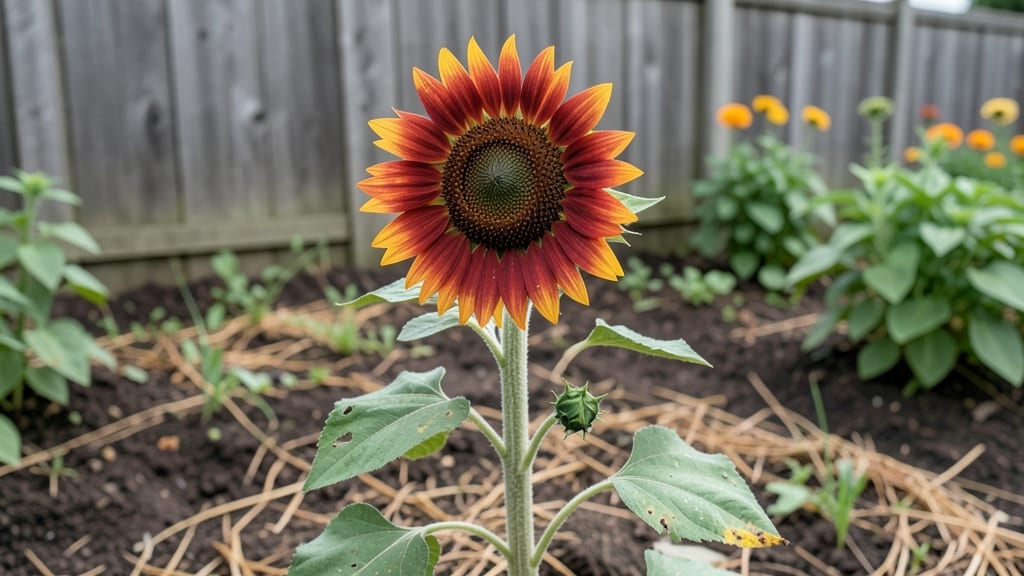
The reddish-orange sunflower transforms Pacific Northwest gardens into a buzzing, jewel-toned paradise where pollinators can’t resist. 🌻 I planted mine along the back fence last summer, and by August, the garden was alive with bees, butterflies, and hummingbirds—all while adding a warm, fiery glow that outshone every other flower.
This isn’t just about beauty; it’s about creating a thriving ecosystem that works harder than any chemical spray ever could.
Pair these sunflowers with deep purples like salvia or lavender for a striking contrast, or let them stand tall beside silvery foliage like lamb’s ear to make the color pop even more. They’re perfect for borders, cut-flower arrangements, or even as a dramatic centerpiece in a pollinator-friendly meadow.
The key is placement: position them where they’ll catch the morning sun but get afternoon shade to prevent wilting in our often-damp summers.
What you’ll end up with is a garden that feels like a living painting—rich, dynamic, and full of life. The reddish-orange blooms draw in pollinators by the dozens, while their towering stems provide shelter for beneficial insects.
By late summer, you’ll have a sea of golden-orange that keeps giving long after most annuals have faded. And the best part? These sunflowers thrive in our climate, needing little more than good soil and occasional watering to reward you with months of color.
Whether you’re designing a new bed or refreshing an old one, these sunflowers are the secret weapon for a garden that’s both stunning and functional. Let’s make yours the talk of the neighborhood—without the fuss.
📚 In This Guide
- What you need
- Instructions
- Tips and common mistakes
- Wrapping up and next steps
What you need
- ● Reddish-orange sunflower seeds (e.g., 'Autumn Beauty,' 'Moulin Rouge,' or 'Teddy Bear') – 100+ seeds (or 3–5 plants per square foot for dense planting).
- ● Well-draining garden soil – Amend with compost (2–3 inches mixed into the top 12 inches of soil) to improve fertility and drainage.
- ● Organic fertilizer – A balanced 5-5-5 or 10-10-10 (or compost tea for a natural boost).
- ● Mulch – Straw or wood chips (2–3 inches) to retain moisture and suppress weeds.
- ● Watering can or hose with a gentle spray nozzle for seedlings.
- ● Garden gloves – To protect your hands while planting.
- ● Garden trowel or transplanting spade – For digging holes (4–6 inches deep).
- ● Measuring tape or ruler – To space seeds/plants 12–24 inches apart.
- ● Row marker or stakes – For organizing plant spacing in larger gardens.
- ● Pruners or sharp scissors – For deadheading spent blooms (encourages more flowers!).
- ○ Pest deterrents (optional but recommended for PNW gardens): Neem oil spray (for aphids or spider mites).
- ● Row covers (to protect seedlings from slugs/snails).
- ● A sunny location – Sunflowers need 6+ hours of direct sunlight daily (PNW’s partial shade won’t cut it!).
- ● Pollinator-friendly zone – Ensure your garden is bee, butterfly, and hummingbird accessible (no pesticides!).
- ● Timing – Start seeds indoors 6–8 weeks before last frost or direct-sow after frost (March–May in PNW).
How to design a stunning reddish orange sunflower pollinator garden
Here's my go-to layout for a sunflower garden that bursts with color while attracting bees, butterflies, and hummingbirds—perfect for the Pacific Northwest's cooler summers.
🌱 Step 1: Choose the Right Varieties for Your Climate
For the Pacific Northwest's 60-70°F summers, select reddish orange sunflower varieties like 'Autumn Beauty' or 'Moulin Rouge'—both thrive in cooler conditions and produce bold, pollinator-friendly blooms. Avoid tall varieties like 'Russian Giant' unless you have strong winds to prevent flopping. I always plant 3-4 different sunflower types in each garden to extend the bloom season from mid-summer through fall.
Check seed packets for days to maturity—most reddish orange varieties take 60-75 days to flower. Plant early varieties first, followed by later ones every 2 weeks for continuous blooms. This staggered approach ensures you'll have flowers from July through October, giving pollinators a long feeding window.
☀️ Step 2: Select the Perfect Sunny Spot
Sunflowers need full sun (6+ hours daily) to develop their signature vibrant colors. In the Pacific Northwest, even partial shade can lead to weak stems and pale blooms. I look for south-facing locations that get morning sun and afternoon light—this prevents afternoon wilting in our humid summers.
Prepare the soil by removing weeds and loosening the top 6 inches with a garden fork. Sunflowers don't need rich soil, but they do require good drainage. If your soil stays soggy after rain, mix in 2-3 inches of compost to improve structure. I always test drainage by digging a hole, filling it with water, and checking if it drains within 30 minutes—if not, raise beds or amend the soil.
🪴 Step 3: Plant in Clusters for Maximum Impact
For a dramatic effect, plant sunflowers in groups of 5-7 plants, spaced 18-24 inches apart. This creates a natural "drift" that attracts pollinators more effectively than single plants. I arrange them in odd-numbered clusters—three or five plants per grouping—because it looks more natural and balanced.
Dig holes twice as wide as the root ball but no deeper. Gently remove seedlings from their containers and tease the roots if they're circling. Plant at the same depth they were in the pot—burying too deep can suffocate the stem. Water deeply right after planting to settle the soil and eliminate air pockets around the roots.
💧 Step 4: Water Deeply and Mulch to Retain Moisture
Water sunflowers deeply 2-3 times per week during the first 4 weeks after planting, ensuring the soil is moist 6 inches down. Once established, they're drought-tolerant, but consistent moisture prevents weak stems. I water in the early morning to reduce fungal diseases from evening dampness.
Apply 2-3 inches of mulch (straw or wood chips) around each plant, keeping it 3 inches away from the stem to prevent rot. Mulch conserves moisture and keeps roots cool in our warm summers. Replenish mulch as it breaks down—this is especially important in the Pacific Northwest's rainy springs and dry summers.
✂️ Step 5: Maintain and Support for Long-Lasting Blooms
Remove spent blooms by cutting the stem just above a set of leaves to encourage more flowers. This deadheading trick extends the bloom season by 3-4 weeks. I also watch for Japanese beetles—they love sunflowers—and handpick them early in the day when they're sluggish.
Tall varieties may need staking or tying if winds are strong. I use soft garden twine tied loosely around the stem and a stake—too tight, and you'll restrict growth. Harvest seeds when the back of the flower turns yellow and the petals drop. Leave a few seed heads for birds and collect the rest for next year's garden.
Tips & tricks for perfect reddish orange sunflower gardens
A few simple strategies can transform your sunflower garden from ordinary to extraordinary—especially in the Pacific Northwest's unique climate.
Variety Planning: The 60-75 day maturity range is your secret weapon for extended blooms. I recommend planting one early variety (like 'Teddy Bear') alongside your 'Autumn Beauty' and 'Moulin Rouge'—this staggered approach creates a continuous nectar source from July through October. Mark your calendar to plant successive batches every 2 weeks after your first planting. The key is maintaining that 2-week interval between plantings to keep flowers appearing throughout the season.
Soil Prep Secret: That 30-minute drainage test is more important than you might think. If your soil doesn't drain within 30 minutes, consider creating raised beds instead of amending with compost. Sunflowers hate soggy roots, and even our Pacific Northwest's rainy springs can lead to root rot if drainage isn't perfect. I've found that mixing in coarse sand (about 1 part sand to 3 parts soil) works wonders for improving drainage in heavy clay soils common to our region.
Pollinator Power Move: When arranging your clusters of 5-7 plants, leave some space between groupings—about 3 feet apart. This creates "pollinator highways" that make it easier for bees and butterflies to navigate your garden. I've noticed that hummingbirds particularly appreciate these open pathways when searching for nectar. The odd-numbered clusters (3 or 5 plants) aren't just for aesthetics—they create natural landing zones for pollinators.
Maintenance Shortcut: For that 3-4 week extension from deadheading, I've found that using clean, sharp pruners and cutting just above a set of leaves actually stimulates new flower production. The trick is to do this in the morning when the plants are fully hydrated—this reduces stress on the plant. I also recommend wearing gloves when handling sunflowers, as the sap can cause skin irritation for some people (especially those with sensitive skin).
Pro Tips for Reddish Orange Sunflower
- A few simple strategies can transform your sunflower garden from ordinary to extraordinary—especially in the Pacific Northwest's unique climate.
- Variety Planning: The 60-75 day maturity range is your secret weapon for extended blooms.
- Soil Prep Secret: That 30-minute drainage test is more important than you might think.
Frequently asked questions
Got questions about growing reddish orange sunflowers in your Pacific Northwest garden? Here are some common ones—and their answers—to help you create a thriving pollinator haven!
What pests are most likely to attack reddish orange sunflowers?
Reddish orange sunflowers are tough but can still face threats like aphids, sunflower moths, and beetles. In the PNW, spider mites and squirrels (who love the seeds!) are also common. Use neem oil for insects or row covers early in the season to deter pests. For squirrels, try bird netting over seed heads once mature.
When is the best time to plant reddish orange sunflowers in the PNW?
For the Pacific Northwest’s cooler climate, plant seeds 2–3 weeks after the last frost (typically late April to early May). If you’re in a cooler microclimate (e.g., Western WA or coastal OR), wait until May to avoid frost damage. Sunflowers thrive in full sun (6+ hours/day), so choose a warm, sheltered spot.
Can I grow reddish orange sunflowers from store-bought seeds?
Yes! Store-bought sunflower seeds (like those from grocery stores) will grow, but they may not produce the vibrant reddish orange hues of heirloom varieties. For true color and pollinator appeal, opt for specialty seeds like ‘Autumn Beauty’ or ‘Moulin Rouge’. Save seeds from your plants for next year by letting a few heads dry on the stalk before harvesting.
How do I keep my sunflowers from falling over in windy PNW conditions?
Sunflowers can topple in strong winds (common in the PNW!). To prevent this:
- Stake tall varieties (5+ ft) with bamboo stakes or tomato cages tied loosely to the stem.
- Choose shorter varieties (3–4 ft) like ‘Teddy Bear’ for windier areas.
- Plant in sheltered spots near fences or buildings.
Are reddish orange sunflowers better for pollinators than yellow ones?
Both colors attract pollinators, but reddish orange sunflowers have a unique advantage: their deep hues are easier for bees and butterflies to spot from a distance. Plus, their long blooming season (summer to fall) provides extended nectar. For maximum pollinator power, plant in clusters with other native PNW flowers like bee balm or lavender.
Wrapping up and next steps
Transforming your Pacific Northwest garden into a vibrant pollinator haven with reddish orange sunflowers isn’t just possible—it’s a joyful, rewarding project! These sunflowers don’t just brighten your space; they invigorate it, drawing bees, butterflies, and hummingbirds while keeping pests at bay. 🌻✨
Ready to take the next step? Start small—plant a few sunflower seeds this weekend, or sketch a layout for your dream garden. Whether you’re a seasoned gardener or just beginning, every seed you sow is a step toward a thriving, colorful ecosystem. Happy planting!