Flowers
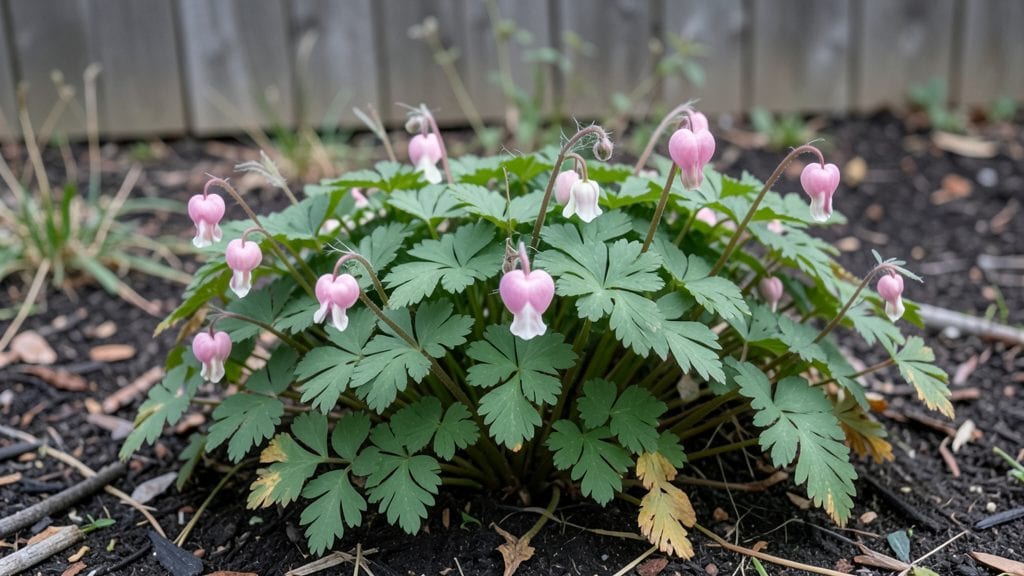
The purple-pink bleeding heart flower ( Dicentra spectabilis ) is the Pacific Northwest’s secret weapon for shade gardens—drooping, heart-shaped blooms that turn even the gloomiest corner into a dreamy spring spectacle. 🌿 I’ve grown mine for years, and the key to their success lies in mimicking their native woodland conditions: cool roots, rich soil, and just enough moisture to keep those delicate stems upright.
The real magic happens in partial to full shade, where they thrive without wilting in summer heat. They're picky about soil too—amend your garden with compost or leaf mold to create that moist, well-draining, slightly acidic mix they crave.
Plant them in early spring or fall, when temperatures are mild, and space them 18-24 inches apart for that lush, cascading effect.
Once established, they're surprisingly low-maintenance—just consistent moisture (no soggy roots!) and a light pruning after flowering to tidy up. The trade-off? They go dormant in summer, but that's when they're recharging for next year's show.
With the right spot, these beauties will reward you with years of reliable blooms and a garden that feels like a fairy tale.
Perfect for woodland gardens, shade borders, or under trees where other plants struggle. Let's get those roots settled so you can enjoy the view next spring!
📚 In This Guide
- What you need
- Instructions
- Tips and common mistakes
- Wrapping up and next steps
What you need
- ● Bleeding heart plants: 3–5 Dicentra spectabilis plants (pink or purple varieties, or a mix!)
- ○ Optional: Seeds (if starting from scratch—germination can be slow!)
- ● Soil amendments: 2–3 gallons of well-draining, organic compost (e.g., coconut coir + peat moss blend)
- ● 1 cup bone meal or 10-10-10 fertilizer (for root and bloom support)
- ● Planting tools: 1 garden trowel (for digging holes)
- ● 1 hand pruners (for trimming dead foliage)
- ● 1 garden hose or watering can (with a fine rose nozzle)
- ● Mulch: 3–4 inches of wood chips or shredded bark (to retain moisture)
- ● Location: Partial to full shade (3–6 hours of dappled sunlight daily). Avoid harsh afternoon sun!
- ● Climate: Hardy to USDA Zones 3–9 (perfect for PNW’s cool, wet winters!).
- ● Watering: Consistent moisture—water deeply 2–3 times per week (more in summer droughts).
- ● Timing: Planting: Early spring (March–April) or fall (September–October) for best root establishment.
- ● Pruning: Cut back yellowed foliage in late summer (after blooms fade).
- ● 🌧️ Rain-friendly hack: Bleeding hearts thrive in PNW’s damp climate—just ensure soil isn’t waterlogged (amend with perlite if needed).
- ● 🐞 Pest watch: Keep an eye out for slugs (use beer traps or diatomaceous earth if needed).
- ● 🌿 Companion plants: Pair with ferns, hostas, or astilbes for a lush, woodland vibe!
Step-by-step guide to cultivating Pacific Northwest bleeding hearts
Here's how I've learned to grow these delicate, heart-shaped blooms thriving in cool, damp climates.
🌱 Step 1: Select and Prepare the Planting Site
Bleeding hearts adore partial shade—think dappled sunlight through trees or morning sun with afternoon shade. In the Pacific Northwest's 60-70°F summers, they'll reward you with 3-4 weeks of stunning blooms if given the right conditions. Choose a spot with well-draining, humus-rich soil—they hate soggy roots but love organic matter.
I always test the soil first by squeezing a handful. If it crumbles easily, it's ready. If it sticks together, amend with 3-4 inches of compost mixed into the top 12 inches of soil. Their native woodland habitat taught me they prefer slightly acidic to neutral soil (pH 6.0-7.5).
🪴 Step 2: Plant at the Right Depth and Spacing
Dig holes twice as wide as the root ball but only as deep—these plants hate being buried too deeply. The top of the root ball should sit just below soil level when planted. I space mine 18-24 inches apart for a lush, natural look that mimics their woodland origins.
Gently remove the plant from its container and loosen any circling roots with your fingers. Place it in the hole, backfill with native soil, and water deeply to settle everything. The key is gentle handling—bleeding hearts have delicate root systems that bruise easily. Mulch with 2-3 inches of organic mulch (like shredded bark) to protect roots and retain moisture.
☀️ Step 3: Establish Watering and Light Routines
Water newly planted bleeding hearts deeply once weekly during the first growing season, aiming for 1-1.5 inches of water per week. They'll tell you when they're thirsty—leaves will droop slightly before wilting. In the Pacific Northwest's humid climate, you'll rarely need to water after establishment, but check soil moisture by sticking your finger 2 inches deep.
Here's the thing—these plants thrive on neglect once established. They'll bloom best with morning sun and afternoon shade. Too much direct sun scorches their delicate foliage, while too little shade reduces flowering. I've found that planting them 3-5 feet from evergreen trees creates perfect filtered light conditions.
✂️ Step 4: Prune and Maintain for Continuous Blooms
After the first flush of blooms fades, cut back the stems by one-third to encourage a second, often lighter-colored bloom cycle. I always use clean, sharp pruners to make cuts just above a leaf node. This prevents disease and stimulates new growth from the base.
In late fall, when foliage yellows, cut back stems to 6 inches tall but leave the basal growth intact. The Pacific Northwest's mild winters mean they'll often resprout from the crown in spring. Divide clumps every 3-4 years in early spring to prevent overcrowding—simply dig up the plant, separate the sections, and replant immediately.
🌿 Step 5: Overwinter for Next Season's Beauty
Bleeding hearts are surprisingly cold-hardy, surviving USDA zones 3-9 with no special winter care. Their evergreen foliage provides winter interest, but in harsh winters, a 3-4 inch mulch layer protects roots from freeze-thaw cycles. I've never lost a plant to winter damage, even in our occasional 20°F dips.
Spring is the best time to fertilize—apply a balanced 10-10-10 fertilizer at ½ the recommended rate when new growth appears. Too much fertilizer produces lush foliage but fewer flowers. Watch for leaf miners or aphids, which occasionally bother bleeding hearts. A strong spray of water usually dislodges pests before they cause damage.
Tips & tricks for perfect Pacific Northwest bleeding hearts
These insights will help you cultivate thriving bleeding hearts that produce those iconic heart-shaped blooms year after year.
Soil Preparation Secret: The 3-4 inches of compost mixed into the top 12 inches of soil isn't just about nutrients—it's about creating the perfect air-to-water ratio these plants crave. I've found that adding a handful of perlite to the compost mix improves drainage even further, especially in our rainy Pacific Northwest climate. This prevents the soggy roots that can lead to root rot while maintaining the moisture retention bleeding hearts love.
Planting Precision: When planting, pay close attention to the root ball's position—it should sit just below soil level, not buried deeper. I've learned this the hard way after accidentally burying plants too deeply, which causes stem rot. For the 18-24 inch spacing, think of it as creating a woodland understory effect. This spacing mimics their natural habitat and prevents overcrowding that can lead to fewer blooms.
Watering Wisdom: The 1-1.5 inches of water per week during the first season is crucial, but timing matters too. Water in the morning so leaves have all day to dry, preventing fungal issues. In our humid climate, I've noticed that established plants often need even less water—just check that 2-inch deep soil moisture by sticking your finger in. If it's damp, hold off on watering.
Pruning Pro Tip: When cutting back stems by one-third after the first bloom, make your cuts just above a leaf node at a 45-degree angle. This technique promotes better healing and encourages stronger regrowth. For the late fall cutback to 6 inches, I always use sterilized pruners to prevent introducing diseases to your plants during their dormant period.
Pro Tips for Purple Pink Bleeding Heart Flower
- These insights will help you cultivate thriving bleeding hearts that produce those iconic heart-shaped blooms year after year.
- Soil Preparation Secret: The 3-4 inches of compost mixed into the top 12 inches of soil isn't just about nutrients—it's about creating the perfect air-to-water ratio these plants crave.
- Planting Precision: When planting, pay close attention to the root ball's position—it should sit just below soil level, not buried deeper.
Frequently asked questions
What’s the best time of year to plant bleeding heart flowers in cold climates?
The ideal planting window for Dicentra spectabilis is early spring (March–April) or early fall (September–October). This gives roots time to establish before winter’s chill sets in. Avoid planting in late summer or heatwaves—roots can stress easily. For PNW gardeners, spring planting is often safer if your soil is still damp from winter.
How much water do bleeding heart flowers need, especially in rainy PNW winters?
While bleeding hearts tolerate moist soil, they hate soggy roots. Water deeply 1–2 times per week in dry spells, but ensure your planting site has well-draining soil (amend with compost if needed). In the PNW’s rainy season, prioritize mulching (2–3 inches of shredded bark) to protect roots from waterlogging and frost.
Why aren’t my bleeding heart flowers blooming? Troubleshooting tips for PNW gardens.
If your plant is lush but flower-free, check these fixes:
- Age: Bleeding hearts often bloom best in their 2nd or 3rd year. Be patient!
- Light: They thrive in partial shade (3–6 hours of sun). Too much sun = fewer blooms.
- Fertilizer: Over-fertilizing (especially with nitrogen) encourages foliage over flowers. Use a low-phosphorus fertilizer in early spring instead.
- Stress: Sudden temperature swings or drought can delay blooms. Mulch and water consistently.
Are there purple-pink bleeding heart alternatives for smaller gardens or containers?
Yes! If space is tight, try these Dicentra cousins:
- Bleeding Heart Vine (Dicentra spectabilis ‘Gold Heart’): A compact variety with golden foliage and pink hearts.
- Fringe Cups (Dicentra eximia): Delicate, fern-like foliage with pink blooms—perfect for containers.
- Pacific Coast Bleeding Heart (Dicentra formosa): Native to the PNW, with soft pink flowers and drought tolerance.
All thrive in partial shade and moist, well-draining soil—just like their larger relatives!
Do bleeding heart flowers survive PNW winters without extra protection?
Most varieties are hardy to USDA Zones 3–9, meaning they’ll handle PNW winters (down to -20°F/-29°C) with minimal fuss. However, young plants or those in exposed sites may benefit from a light mulch (straw or leaves) in late fall. Avoid heavy mulching—it can smother roots. Prune back dead foliage in early spring to encourage fresh growth.
Wrapping up and next steps
The purple-pink bleeding heart flower is a stunning, cold-hardy gem that brings whimsy and elegance to Pacific Northwest gardens—even in chilly climates! 🌸 With the right care, soil prep, and a little patience, you can cultivate these charming blooms year after year.
Whether you’re a seasoned gardener or a curious beginner, this guide gives you the blueprint to success.
Ready to transform your space? Start small—plant a few this season and watch your garden flourish! For even more tips, explore companion plants or creative container ideas to elevate your blooming paradise.