
Blooming
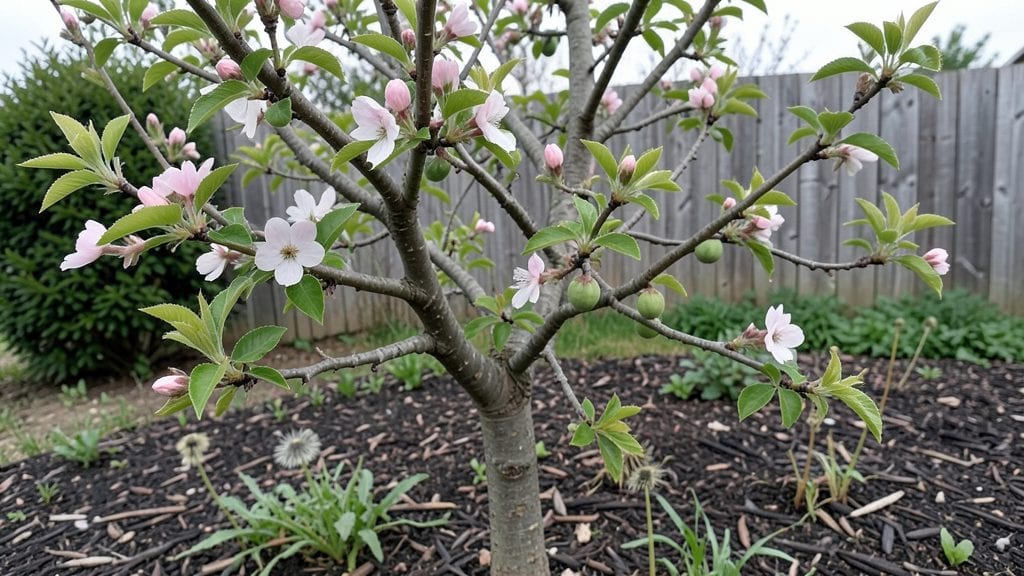
There’s nothing quite like the peach blossom flower lighting up a Pacific Northwest spring—soft pink clouds against rain-washed skies, defying frost to bloom when most flowers hesitate. 🌸 I’ve watched them transform my garden from a winter sleep into a dreamy, fragrant stage, their delicate petals catching the morning dew like scattered pearls.
These blossoms thrive where others falter, their cold-hardy nature making them the star of early-season garden design. Pair them with bleeding hearts for vertical drama or dwarf iris for contrasting textures, and you’ll create a spring tableau that lasts weeks.
Their placement matters too—plant them where they’ll spill over stone walls or frame a patio, where their scent drifts with the breeze.
Imagine the effect: clusters of blossoms arching over pathways, their color shifting from pale blush to deep rose as the sun moves. They’re not just pretty—they’re the season’s first true showstoppers, drawing bees before tulips even think about blooming.
A single tree becomes a centerpiece; a row of them feels like a secret garden.
For maximum impact, group them with early blooming bulbs like grape hyacinths or evergreen shrubs like boxwood to anchor the display. Their fleeting beauty makes every spring feel like a gift—one you can design, shape, and savor from the first hint of pink until the petals fall like confetti.
Let’s make yours unforgettable.
📚 In This Guide
- What you need
- Instructions
- Tips and common mistakes
- Wrapping up and next steps
What you need
- ● Peach blossom seeds or bare-root saplings: Choose Prunus persica varieties (e.g., ‘Bonanza’ or ‘Elberta’) rated for USDA Zones 5-8. 1-2 plants for small gardens, 3+ for full blooms.
- ● Well-draining soil: Mix 1 part native soil with 1 part compost (avoid clay-heavy spots!). Test pH (ideal: 6.0-7.0).
- ● Organic mulch: 2-3 inches of cedar chips or straw to insulate roots from PNW frost.
- ● Slow-release fertilizer: 10-10-10 NPK ratio, 1 lb per plant at planting time.
- ● Garden trowel or spade (for digging 18-24" deep holes).
- ● Watering can or hose with gentle nozzle (peach trees need 1-2 gallons/day in dry spells).
- ● Pruners (sterilized) for shaping branches post-bloom.
- ○ Frost cloth (optional) for young saplings in late frosts (💡 Pro tip: Secure with stakes!).
- ● Sunlight access: 6+ hours of full sun daily (PNW’s partial shade won’t cut it!).
- ● Frost protection: Avoid planting near cold air sinks (e.g., valleys).
- ● Pest watch: Check for peach leaf curl (treat with copper fungicide if spotted).
How to grow frost-resilient peach blossoms in the Pacific Northwest
Here's how to coax those iconic pink blooms into your garden—even when spring frosts linger.
🌱 Step 1: Select the Right Variety for Your Climate
Not all peach trees thrive in the Pacific Northwest's cool, damp springs. Look for low-chill varieties like 'Redhaven' or 'Elberta'—they require 300-500 hours below 45°F to bloom, perfect for our region. Dwarf varieties like 'Bonanza' are ideal for containers or small spaces, producing 4-5 blooms per branch while staying manageable.
Check your USDA zone (PNW ranges from 7-9) and match it to the tree's needs. If you're in Zone 8, 'Sanguinole' is a standout—its deep pink blossoms tolerate light frosts better than standard varieties. Avoid high-chill cultivars; they'll just sit dormant all spring, waiting for heat that never comes.
☀️ Step 2: Plant in Late Winter for Early Blooming
Bare-root peach trees arrive dormant, so plant them 6-8 weeks before your last frost date—typically mid-February to early March in the PNW. Dig a hole twice as wide as the root ball but only as deep as the container it came in. Amend the native soil with 2 inches of compost to improve drainage, since peaches hate soggy roots.
Position the tree where it gets full sun (6+ hours daily)—south-facing is best. In the PNW, afternoon shade helps prevent sunburn on delicate blossoms. Water deeply right after planting, then mulch with 3 inches of wood chips to protect roots from temperature swings. The key here is consistent moisture—peach trees establish best when soil stays evenly damp but not waterlogged.
💧 Step 3: Protect Blooms from Late Frosts
Here's where PNW gardeners outsmart frost: cover blossoms at night when temperatures dip below 28°F. Use frost cloth (not plastic—it traps heat and burns blooms) or row covers secured with bricks. Water the ground before frost hits; the moisture releases heat as it freezes, creating a microclimate shield around the tree.
Timing matters—wait until buds swell but haven't opened (usually late April to early May in the PNW). If buds are already open, frost will kill them in minutes. I've seen entire branches stripped bare overnight. For extra insurance, plant near a south-facing wall—it absorbs daytime heat and radiates it back at night.
✂️ Step 4: Prune for Maximum Blooms Next Season
After blooms fade, prune in late spring to shape the tree and encourage next year's flowers. Remove dead, crossing, or inward-growing branches first—these compete for energy and reduce airflow (which invites fungal diseases). Then, cut back last year's fruiting wood by 1/3 to stimulate new growth where blossoms form.
Thin out overcrowded branches to let light penetrate to the center. Peach trees bloom on both old and new wood, so avoid heavy pruning in winter—you'll sacrifice next spring's flowers. Use sterilized pruners to prevent bacterial canker, a common PNW peach tree killer. Seal larger cuts with pruning sealant to protect against moisture loss.
🌿 Step 5: Maintain Soil and Water for Repeat Blooms
Peach trees are heavy feeders, so side-dress with 10-10-10 fertilizer in early spring and again after harvest. Work it into the top 6 inches of soil—never apply directly to the trunk. In the PNW's acidic soils, lime applications (1-2 pounds per tree) every 2-3 years keep pH in the 6.0-7.0 range, which peaches prefer.
Water deeply once a week during dry spells, aiming for 1-1.5 inches per session. Let the soil dry slightly between waterings—peaches hate wet feet but tolerate brief dry spells better than soggy conditions. In Zone 7-8, a drip irrigation system set on a timer ensures consistent moisture without overwatering. Mulch annually with 2-3 inches of wood chips to retain soil moisture and regulate temperature.
Tips & tricks for perfect Pacific Northwest peach blossoms
These insider strategies will help you beat frost and grow showstopping blooms that thrive in our unpredictable climate.
Chill Hour Precision: The 300-500 hour chill requirement isn't just a number—it's the difference between blooms and disappointment. Use a chill hour calculator specific to your exact location (not just your zip code) for accuracy. I've seen 'Redhaven' trees in Portland bloom perfectly while identical trees just 10 miles away in the Willamette Valley struggle—microclimates matter! For extra insurance, plant near a south-facing wall that absorbs daytime heat.
Frost Protection Hack: When temperatures dip below 28°F, I've found that watering the soil before sunset creates a natural insulating layer. The moisture releases heat as it freezes, raising soil temperatures by 2-4°F. Combine this with frost cloth, and you've essentially created a mini greenhouse effect around your blossoms. Just remember to remove covers by 10am to prevent overheating during the day.
Pruning Timing Secret: Late spring pruning (after blooms fade) is critical for next year's flowers, but timing matters more than most gardeners realize. Wait until new leaves unfurl—this signals the tree has finished flowering for the season. I've made the mistake of pruning too early and ended up sacrificing potential bloom sites. Also, never prune when the tree is stressed from drought or disease.
Soil Science: The PNW's acidic soils need special attention. Before planting, conduct a soil test—aim for pH 6.0-7.0. If your test shows lower than 6.0, apply pelletized lime in early fall (not spring) to avoid shocking the tree. I've seen peach trees in unamended soil produce half the blossoms of properly limed trees—it's that critical. For container-grown 'Bonanza' varieties, use a well-draining potting mix with added perlite.
Pro Tips for Peach Blossom Flower
- These insider strategies will help you beat frost and grow showstopping blooms that thrive in our unpredictable climate.
- Chill Hour Precision: The 300-500 hour chill requirement isn't just a number—it's the difference between blooms and disappointment.
- Frost Protection Hack: When temperatures dip below 28°F, I've found that watering the soil before sunset creates a natural insulating layer.
Frequently asked questions
Got questions about peach blossom flowers? You’re not alone! Here are answers to the most common curiosities about these delicate, frost-resistant blooms—perfect for Pacific Northwest gardens.
What’s the best time to plant peach blossom trees in the PNW?
Plant bare-root trees in late fall or early spring (October–March) when the ground isn’t frozen. Container-grown trees can go in anytime the soil isn’t soggy. Choose a spot with full sun (6+ hours/day) and well-draining soil to avoid root rot.
How cold can peach blossom trees tolerate?
Most peach blossom varieties handle down to 10–15°F (-12 to -9°C), but young trees or late blooms may need frost protection (like row covers or windbreaks). Prune in late winter to remove weak branches before buds swell—this boosts cold hardiness!
Can I grow peach blossoms in containers?
Yes! Dwarf varieties (like ‘Bonanza’ or ‘Redhaven’) thrive in 15–20 gallon pots with drainage holes. Use loamy, slightly acidic soil (pH 6.0–6.5) and repot every 2–3 years. Move containers indoors or to a garage if temps drop below 20°F (-7°C).
Why aren’t my peach blossom flowers producing fruit?
Common culprits:
- Pollination issues: Plant a second variety nearby (peaches are self-pollinating but better with a partner).
- Late frost: Cover blooms with frost cloth if temps dip below 28°F (-2°C) during bloom.
- Nutrient deficiency: Test soil for nitrogen/phosphorus and amend with compost or a balanced 10-10-10 fertilizer in early spring.
What’s a low-maintenance alternative to peach blossoms?
If you love the look but want less upkeep, try:
- Cherry blossoms (Prunus): Similar frost tolerance, fewer pests.
- Magnolia (Magnolia stellata): Stunning blooms, thrives in shade.
- Japanese plum (Prunus mume): Early spring flowers, drought-resistant.
Wrapping up and next steps
The peach blossom flower isn’t just a stunning symbol of Pacific Northwest spring—it’s a resilient, low-maintenance beauty that brings joy and color to gardens year after year.
Whether you’re drawn to its delicate petals, fragrant blooms, or frost-hardy charm, this flower proves that nature’s most breathtaking gifts often require the least effort to cultivate. Now’s the perfect time to plant your own!
🌸 Next steps:
- Pick your favorite variety and check the requirements.
- Plant in early spring (or fall in milder zones) for a head start.
- Share your blooms on social media—tag #PNWPeachBlossom for a chance to inspire others!