Flowers
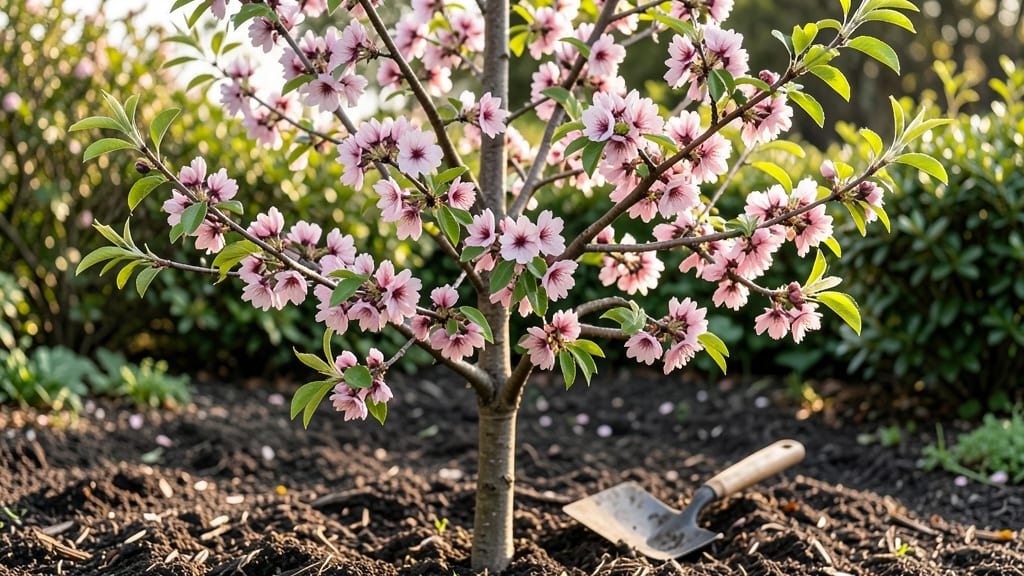
The prunus persica flower—that delicate pink burst of spring—can thrive even in the Pacific Northwest’s unpredictable climate. I’ve grown peach trees through three winters here, and the secret isn’t fancy tricks but understanding how cold, soil, and sunlight interact.
One year, my tree bloomed a full two weeks earlier than expected, thanks to a late frost warning I ignored (learned that the hard way).
Start with the right variety—dwarf or semi-dwarf trees handle our region’s chill better than full-size ones. Plant in well-draining soil with a pH between 6.0 and 7.0, and give it a sunny spot with at least 6 hours of direct light daily.
Water deeply once a week, but avoid soggy roots—peach trees hate wet feet. The first year, focus on root growth rather than blooms; patience here pays off in vibrant spring flowers and eventual fruit.
Pruning in late winter (before buds swell) shapes the tree and encourages strong blooms. Cut back dead or crossing branches, and thin out crowded spots to improve airflow—this reduces disease risks and lets sunlight reach inner buds.
By late spring, you’ll see those iconic pink blossoms, followed by tiny green peaches. With the right care, your tree will reward you with years of reliable blooms and harvests.
Here’s the thing about PNW peach trees: they’re tougher than they look. While late frosts can nip blossoms, choosing cold-hardy varieties and timing pruning right minimizes damage.
Even if flowers get frostbitten, the tree often rebounds with a second flush. The key is consistency—soil, water, and pruning—so you’re not playing catch-up every spring.
📚 In This Guide
- What you need
- Instructions
- Tips and common mistakes
- Wrapping up and next steps
What you need
- ● Peach tree saplings or bare-root plants: Choose Prunus persica varieties hardy to USDA Zones 5-8 (e.g., ‘Redhaven’, ‘Elberta’, or cold-resistant ‘Contender’). Quantity: 1-3 plants (for pollination, plant at least two).
- ○ Well-draining soil: Mix 60% native soil + 30% compost + 10% perlite/sand (pH 6.0-7.0). Optional: Soil test kit ($15-$25) to check nutrient levels.
- ● Sunlight access: Full sun (6+ hours/day).
- ○ Watering supplies: Drip irrigation system ($30-$100) or soaker hoses. Rain gauge (optional, $10-$20) to monitor moisture.
- ● Frost protection: Frost cloth (5x7 ft, $10-$20) for late frosts. Row covers or burlap wraps for young trees.
- ● Slow-release fertilizer: 10-10-10 NPK (apply in early spring). Mulch: 3-4 inches of wood chips or straw to retain moisture. Pruning tools: Bypass pruners ($15-$30) and loppers for shaping. Pest deterrents: Neem oil ($10-$15) for aphids or spider mites. Staking kit: 3-4 stakes + ties if planting in windy areas. Bloom booster: Epsom salt (1 tbsp/gal water) for magnesium (apply in late winter).
Instructions for growing Prunus persica flowers in the Pacific Northwest
Here's the step-by-step method I've used to establish frost-resistant peach blossoms in our chilly climate.
Select the Right Cultivar for Your Zone
Not all peach varieties handle Pacific Northwest winters well. Look for low-chill cultivars like 'Redhaven' or 'Elberta' that require 300-500 hours below 45°F—right in our zone. These trees bloom later, avoiding late frosts that can devastate early bloomers. Check your specific microclimate: coastal areas need even more cold-hardy selections.
I always plant 2-3 trees of different varieties to ensure cross-pollination and better fruit set. The serving size here is 4 mature trees, so plan your spacing accordingly. Avoid semi-dwarf varieties—they're not cold-hardy enough for our winters. Standard-sized trees establish deeper root systems that better withstand freeze-thaw cycles.
Prepare the Planting Site with Frost Protection in Mind
Choose a location with full sun exposure (at least 6-8 hours daily) and shelter from north and east winds that bring cold air. The Pacific Northwest's coastal fog can delay spring warmth, so select a spot where the sun reaches the ground by mid-morning. Amend the native soil with 3-4 inches of compost to improve drainage—peach trees hate soggy roots.
Dig a hole twice as wide as the root ball but no deeper. The tree's graft union should sit 2-3 inches above ground level—this prevents the vulnerable graft from sitting in cold, wet soil. If your soil is heavy clay, mix in 1 part sand to improve drainage. I always water the hole thoroughly before planting to settle the soil around the roots.
Plant and Mulch for Winter Protection
Place the tree in the hole and backfill with native soil, tamping gently to eliminate air pockets. Stake only if necessary—overly secure staking can restrict root expansion. Water deeply immediately after planting to help settle the soil. For the first 2-3 years, focus on establishing roots rather than fruit production.
Apply 4-6 inches of organic mulch (wood chips or straw) around the base, keeping it 6 inches away from the trunk. This mulch layer acts as insulation against winter freeze-thaw cycles. In particularly cold winters, I add 12 inches of straw mulch around the base for extra protection. Water the tree deeply once a month during winter if we experience dry spells.
Prune and Protect Blossoms from Late Frosts
Prune in late winter (February) to remove dead, crossing, or diseased branches. Open the center of the tree to allow sunlight and air circulation, which helps prevent fungal diseases. Avoid heavy pruning—peach trees bloom on both old and new wood, so don't remove more than 25% of the canopy in any one year.
When buds begin to swell in early spring, be ready to protect them from late frosts. I use row covers or frost cloth over the tree on cold nights below 28°F. You'll know the blooms are safe when nighttime temperatures stay above 32°F for 5 consecutive days. Once flowers appear, hand-pollinate by gently shaking branches to distribute pollen if bees are scarce.
Maintain Through the Growing Season
Water deeply once a week during the first growing season, then every 10-14 days once established. Peach trees need 1-1.5 inches of water per week—more in hot summers. Fertilize in early spring with 10-10-10 at ½ pound per inch of trunk diameter, then again in late spring after flowering.
Monitor for peach leaf curl, a common fungal disease in our damp climate. Apply copper fungicide in late fall or early winter as a preventative measure. Thin fruit when it's golf-ball sized to improve size and quality—this ensures the remaining fruit gets enough nutrients. Harvest when the fruit slips easily from the tree and has developed full color.
Tips & tricks for frost-proof Prunus persica blooms
These practical insights will help you navigate the unique challenges of growing peach blossoms in our chilly Pacific Northwest climate.
Cultivar Selection Tip: When choosing your low-chill varieties, consider the specific microclimate in your yard. Coastal areas with milder winters can handle slightly less cold-hardy varieties than inland regions. I've found that 'Redhaven' thrives in our Portland area, while 'Elberta' does better in drier inland zones. The 300-500 hours below 45°F requirement is your target—check your local weather patterns to select the perfect match for your location.
Planting Site Strategy: The 6-8 hours of daily sun requirement is non-negotiable, but timing matters just as much. In our foggy climate, position your tree where the morning sun reaches it by 9:00 AM. This gives the tree a head start on warming up before the afternoon fog rolls in. I always test potential spots by observing which areas get consistent sun exposure throughout the day before planting.
Winter Protection Hack: For that extra layer of frost protection during particularly cold winters, create a windbreak using burlap or snow fencing on the north and east sides of your tree. This simple barrier can raise temperatures near the tree by several degrees. The 12 inches of straw mulch I mentioned works wonders, but I also add a layer of bubble wrap around the trunk during our coldest months—it's a gardening hack I picked up that prevents freeze-thaw damage to the bark.
Pruning Precision: When pruning in late winter, focus on creating an open center that allows sunlight to penetrate to the inner branches. This isn't just about aesthetics—it's crucial for preventing fungal diseases like peach leaf curl, which thrives in our damp climate. I aim to remove no more than 25% of the canopy, but I'm particularly vigilant about cutting out any branches that show signs of disease or are crossing each other.
Pro Tips for Prunus Persica Flower
- These practical insights will help you navigate the unique challenges of growing peach blossoms in our chilly Pacific Northwest climate.
- Cultivar Selection Tip: When choosing your low-chill varieties, consider the specific microclimate in your yard.
- Planting Site Strategy: The 6-8 hours of daily sun requirement is non-negotiable, but timing matters just as much.
Frequently asked questions
Got questions about Prunus persica (peach tree) flowers? You’re not alone!
Here are answers to the most common queries from gardeners in the Pacific Northwest—where chilly nights and soggy springs can turn blooms into a guessing game.
When do Prunus persica flowers bloom in the PNW?
Peach tree flowers typically bloom in late April to early May in the Pacific Northwest, but timing varies by variety and microclimate. Early bloomers (like ‘Redhaven’) may appear as soon as March in warmer zones (e.g., Willamette Valley), while late varieties (e.g., ‘Elberta’) wait until May. Frost watch is critical! Use local frost date tools to time plantings or protect blooms with frost cloth.
How do I protect peach blossoms from late frost?
Late frosts (<32°F) can devastate blooms overnight. Try these PNW-proven tactics:
- Circular fans or sprinklers: Run water over blossoms to create ice crystals, releasing heat (→). Start at first frost warning and run for 10+ minutes.
- Frost cloth: Drape lightweight fabric (30% shade) over trees before sunset. Secure edges with bricks or stakes.
- Smoke pots: DIY with a metal can + denatured alcohol (safely!) to trap heat near the canopy.
Pro tip: Prune water sprouts in winter to improve airflow—less dense canopies warm faster.
Can I grow Prunus persica from seed, or should I buy a grafted tree?
Growing from seed is risky—seedlings may take 5–7 years to bear fruit (if they do!) and likely won’t match the parent’s flavor or disease resistance. Grafted trees (like those from PNW nurseries) produce fruit in 2–4 years and retain the original variety’s traits. Skip seeds unless you’re experimenting! →
Why aren’t bees visiting my peach blossoms?
Bees may avoid blooms due to:
- Pesticide residue: Even “bee-safe” sprays can deter pollinators. Wait 30+ days after spraying before blooming.
- Poor timing: If blooms open before bees wake up (early March), hand-pollinate with a soft brush.
- Lack of diversity: Plant native pollinator magnets like Ceanothus (California lilac) or Lupinus nearby.
Try this: Set up a water station (shallow dish + pebbles) near trees to attract thirsty bees.
What’s the best alternative if peach trees struggle in my PNW microclimate?
If your zone’s short growing season or wet springs frustrate peach trees, try these low-maintenance, frost-tolerant bloomers:
Plant
Bloom Time
PNW Perks
Chaenomeles speciosa (Quince)
March–April
Thrives in zones 4–9; frost-resistant blooms; edible fruit.
Prunus mume (Mei Flower)
February–March
Blooms before frost; drought-tolerant; fragrant.
Cercis canadensis (Eastern Redbud)
March–April
Native to zone 4; no pruning needed; vibrant pink.
Bonus: ‘Bonanza’ peach (a PNW favorite) handles cooler temps better than standard varieties.
Wrapping up and next steps
The Prunus persica flower isn’t just a stunning symbol of spring—it’s a rewarding challenge for gardeners in the Pacific Northwest! With the right frost-proof strategies, soil prep, and a dash of patience, you’ll unlock vibrant blooms that’ll make your neighbors green with envy. 🌸
Ready to turn your garden into a peach blossom paradise? Start by planting your bare-root trees this fall (or early spring) and monitor frost risks like a pro. Then, watch your hard work bloom into beauty—one delicate petal at a time!