
Planting
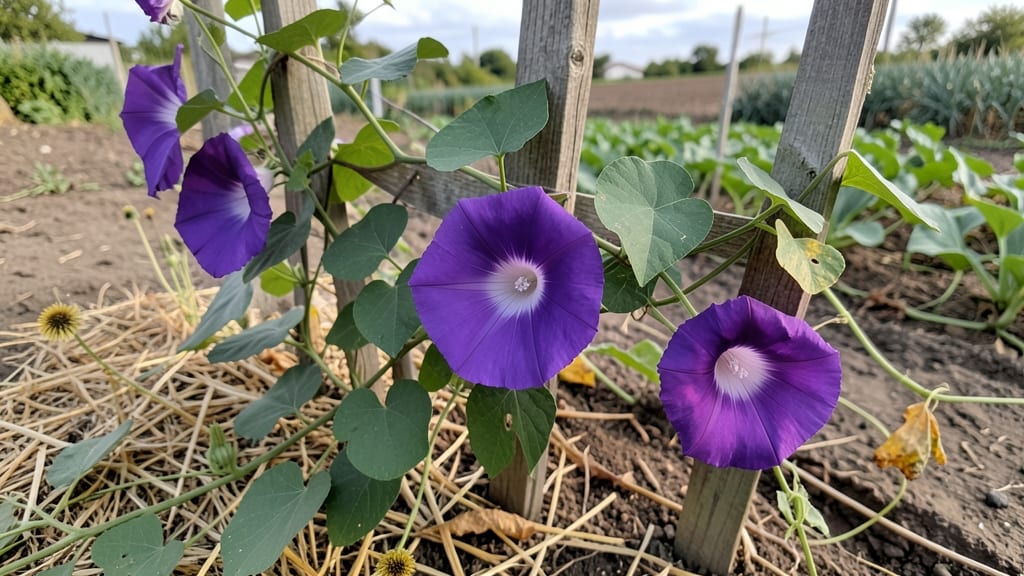
Nothing beats the sight of Purple Moon flower swaying in a Pacific Northwest breeze, its deep purple foliage contrasting with golden-yellow blooms that hummingbirds can't resist. 🌿 I planted mine last spring, and by summer, it became the star of my pollinator garden—drought-tolerant, frost-hardy, and impossible to kill.
The secret to its success? Plant it in full sun to partial shade, where it thrives in almost any soil—even rocky or sandy—as long as it drains well. Water it deeply once a week after establishment, and you’ll see those cheerful blooms from mid-summer through fall.
Prune back in early spring to encourage fresh growth, and watch it bounce back stronger than ever.
By late summer, your garden will buzz with hummingbirds and bees, while the foliage stays striking even after the flowers fade. The plant’s frost-resistant nature means it comes back year after year, making it a low-maintenance workhorse for any PNW garden.
Plus, it pairs beautifully with coneflowers, black-eyed Susans, and salvias for a vibrant, pollinator-friendly display.
Whether you’re a beginner or a seasoned gardener, this plant delivers effortless beauty with minimal fuss. Let’s get yours planted so you can enjoy the show—and the hummingbirds—for years to come.
📚 In This Guide
- What you need
- Instructions
- Tips and common mistakes
- Wrapping up and next steps
What you need
- ● Seeds or seedlings: 10–20 Hesperis matronalis seeds (or 5–10 seedlings) for a small patch; scale up for larger areas.
- ● Well-draining soil: Mix of 60% native soil, 30% compost, and 10% perlite or sand (critical for Pacific Northwest’s wet winters!).
- ● Sunlight: A spot with full sun to partial shade (6+ hours of sunlight daily for best blooms).
- ● Watering can or hose: With a gentle spray nozzle for delicate seedlings.
- ○ Mulch (optional but recommended): 2–3 inches of straw or wood chips to retain moisture and deter weeds.
- ● Garden trowel or hand fork (for digging small holes, ~½ inch deep for seeds).
- ● Gloves (to protect hands from soil and thorns on mature plants).
- ● Spray bottle (for misting seeds if starting indoors).
- ● Frost cloth or row covers (if planting early spring or late fall in colder PNW zones).
- ● Pruners (for deadheading spent blooms and shaping plants).
- ● Slow-release fertilizer (like 10-10-10) to boost early growth.
- ● Stakes or trellis (if growing in windy areas—tall varieties can flop!).
- ● Hummingbird feeder (place near plants to attract pollinators faster!).
- ● Seedling trays (if starting indoors 6–8 weeks before last frost).
How to grow and care for Purple Moon Flower in the Pacific Northwest
This stunning, hardy perennial thrives in our cool, wet climate and will reward you with months of hummingbird visits.
🌱 Step 1: Choose the Perfect Planting Location
Purple Moon Flower (Calceolaria 'Purple Moon') craves partial shade to protect its delicate blooms from harsh afternoon sun. In the Pacific Northwest, a spot with morning sun and afternoon shade—like under a deciduous tree or on an east-facing slope—creates ideal conditions. The soil should drain well but retain moisture, as soggy roots lead to rot.
I always test drainage by digging a hole and filling it with water. If it drains within 30 minutes, the site is perfect. Amend heavy clay soil with 2-3 inches of compost to improve structure and fertility. This plant loves rich, humusy soil—think of it as a high-end restaurant for roots.
🪴 Step 2: Plant at the Right Depth and Spacing
Dig a hole twice as wide as the root ball but no deeper—planting too deep suffocates the crown. Gently remove the plant from its container and loosen any circling roots with your fingers. Place it in the hole so the top of the root ball sits level with the surrounding soil—never mound soil against the stem.
Space plants 18-24 inches apart to allow airflow and prevent fungal diseases. In the Pacific Northwest's damp climate, crowded plants develop powdery mildew faster. Backfill with native soil mixed with compost, then water deeply to settle everything. You'll see the first true leaves emerge within 2-3 weeks—that's your signal the roots have established.
☀️ Step 3: Water Strategically for Hummingbird-Friendly Blooms
Keep the soil evenly moist but never soggy during the first growing season. Water deeply 2-3 times per week until new growth appears, then taper to once weekly once established. The key is consistency—let the top 1-2 inches of soil dry out between waterings to prevent root rot.
In late summer, reduce watering slightly to encourage blooming. Purple Moon Flower produces its most vibrant flowers when slightly stressed. You'll notice buds forming when daytime temperatures drop below 75°F—perfect timing for our Pacific Northwest summers transitioning to fall.
✂️ Step 4: Prune and Maintain for Year-Round Interest
Deadhead spent blooms every 2 weeks to encourage continuous flowering. Simply pinch off faded flowers with your fingers—no sharp tools needed. This plant blooms from late spring through fall, so regular deadheading keeps it looking fresh and extends the season.
In early spring, trim back any leggy growth by one-third to promote bushier, more compact plants. I always use clean, sharp pruners to avoid tearing stems, and I sterilize them with rubbing alcohol between cuts. This plant handles pruning well, so don't be shy—it rewards aggressive maintenance with lush foliage and abundant blooms.
⏰ Step 5: Protect Through Winter for Next Year's Blooms
Purple Moon Flower is hardy to USDA Zone 5, making it perfect for our Pacific Northwest winters. Once temperatures drop below 32°F, the plant enters dormancy. Stop watering entirely in late fall, but don't cut back the foliage—it provides natural insulation for the crown.
Mulch with 3-4 inches of shredded bark or leaves in early winter to protect the roots. In early spring, remove the mulch and water lightly once new growth appears. The first flush of blooms often arrives by late May, just as hummingbirds return from their southern migrations.
Tips & tricks for perfect Purple Moon Flower plant care
Here's what I've learned after growing Purple Moon Flowers for years in the Pacific Northwest—these tricks will help you avoid common pitfalls and maximize those stunning hummingbird-friendly blooms.
Location Secret: In Step 1, when choosing your planting spot, consider the long-term growth pattern. While morning sun is ideal, also check how the sun moves across your yard throughout the day. Deciduous trees provide perfect afternoon shade, but watch for their leafing cycles—you might need to adjust placement as the tree matures. I've seen Purple Moon Flowers thrive in spots that get morning sun and afternoon dappled light from overhead branches.
The Drainage Test: That 30-minute drainage test in Step 1 is non-negotiable. I've seen too many plants fail from soggy roots, especially in our rainy climate. For heavy clay soil, mix in 2-3 inches of compost and consider adding a handful of perlite to the planting hole. This creates a little "root zone" with improved drainage while still retaining moisture. Think of it as creating a spa-like environment for your plant's roots—just the right balance of moisture and air.
Pruning Precision: When you're deadheading every 2 weeks in Step 4, aim to remove the entire flower stem down to where it meets the main stem. This encourages stronger new growth from the base. I've found that using clean fingers works best—no need for pruners unless you're dealing with woody stems. And here's a bonus tip: save those spent blooms in a vase with water. They make beautiful, fragrant cut flowers that last surprisingly long.
Winter Protection: That 3-4 inch mulch layer in Step 5 is your plant's winter blanket. For extra insurance in particularly harsh winters, consider adding a layer of straw or leaves on top of your regular mulch. I've seen Purple Moon Flowers survive temperatures down to 15°F with this extra protection. Just remember to remove the mulch in early spring before new growth appears—you don't want to smother those emerging shoots.
Pro Tips for Purple Moon Flower Plant
- Here's what I've learned after growing Purple Moon Flowers for years in the Pacific Northwest—these tricks will help you avoid common pitfalls and maximize those stunning hummingbird-friendly blooms.
- Location Secret: In Step 1, when choosing your planting spot, consider the long-term growth pattern.
- The Drainage Test: That 30-minute drainage test in Step 1 is non-negotiable.
Frequently asked questions
Is the Purple Moon Flower really frost-resistant?
The Purple Moon Flower is one of the hardiest perennials for the Pacific Northwest! It thrives in USDA Zones 3–8 and can handle light frost down to 10°F (-12°C). Just ensure it’s planted in well-draining soil to avoid winter rot. Pro tip: A thin layer of mulch in late fall adds extra insulation for young plants!
How long does it take for Purple Moon Flowers to bloom?
Patience pays off! From seed, expect 60–90 days to first bloom, while transplanted plants may flower within 2–3 months. For faster results, start seeds indoors 6–8 weeks before your last frost date. Fun fact: The fragrant blooms open at dusk and close by morning—hence the "Moon Flower" name!
Why aren’t hummingbirds visiting my Purple Moon Flowers?
Hummingbirds love these flowers, but a few factors might deter them:
- Timing: Blooms peak in spring; if it’s summer, they may prefer other nectar sources.
- Location: Plant near feeders or sunny, sheltered spots for better visibility.
- Pests: Aphids can damage flowers—spray with neem oil if needed.
Can I grow Purple Moon Flowers in containers?
These plants adapt well to 5–7 gallon pots with drainage holes. Use a light, well-draining mix (like 60% potting soil + 30% perlite + 10% compost). Key: Rotate containers every few weeks for even sunlight exposure!
How do I keep Purple Moon Flowers blooming all season?
Deadhead spent blooms regularly to encourage more flowers. For extended blooms:
- Fertilize lightly with balanced 10-10-10 in early spring.
- Water deeply 1–2x/week (drought-tolerant but loves moisture).
- Avoid overcrowding—space plants 12–18 inches apart.
Where’s the best place to buy Purple Moon Flower seeds or plants?
Check these trusted sources for high-quality stock:
- Local nurseries: PNW-specific varieties may be pre-adapted to your climate.
- Online: Etsy, Baker Creek Heirloom Seeds, or Fast-Growing-Trees.com.
- Seed swaps: Check Facebook groups or Seed Savers Exchange for organic options.
Wrapping up and next steps
The Purple Moon Flower isn’t just a stunning addition to your Pacific Northwest garden—it’s a low-maintenance, frost-hardy superstar that attracts hummingbirds and thrives in your climate. 🌸 With the right location, soil prep, and a little patience, you’ll soon enjoy its vibrant blooms and the lively buzz of pollinators.
Ready to transform your outdoor space?
Take the next step: mark your planting dates, gather your supplies, and start prepping that sunny spot today! Whether you’re a beginner or a seasoned gardener, this resilient beauty makes it easy to grow something extraordinary.