
Flowers
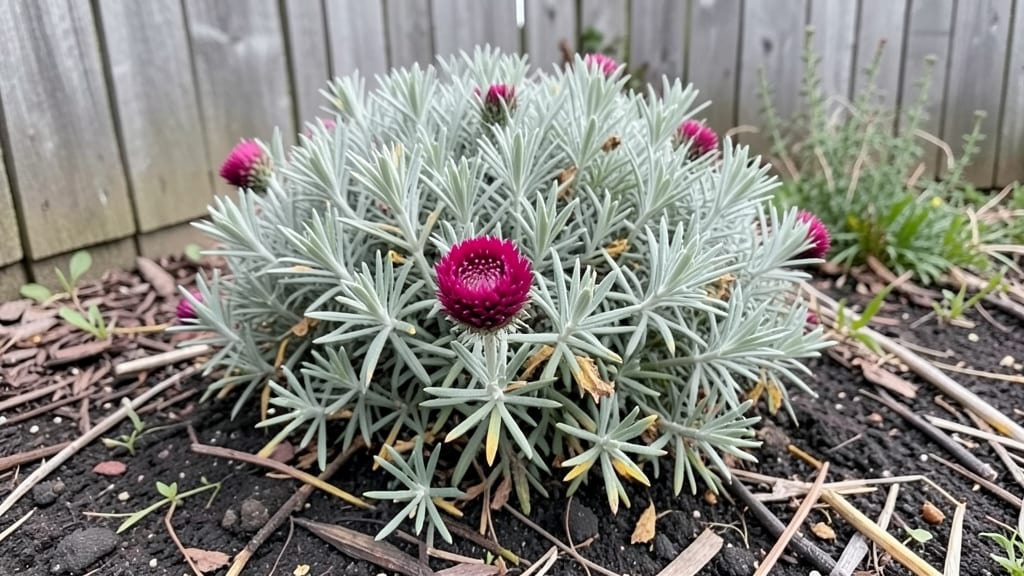
Pin cushion flowers bring cottage garden charm with their fuzzy, pom-pom blooms that last from early summer through frost. 🌸 I fell in love with them after seeing how effortlessly they thrived in my partial shade garden—adding three-dimensional texture where other flowers just can't compete.
These hardy perennials (like Knautia macedonica) bloom nonstop with almost no pruning, making them perfect for busy gardeners who still want color.
The secret to their success lies in well-draining soil and morning sun with afternoon shade—they tolerate heat and humidity better than many flowers. Plant them in clumps of 3-5 for the best display, spacing them 12-18 inches apart in USDA zones 4-8.
They’re drought-tolerant once established, but young plants need consistent moisture during their first growing season to prevent flopping stems.
By midsummer, you’ll have weeks of blooms that butterflies and bees adore, with stems that stay sturdy enough for cutting. The velvety foliage adds texture even when flowers fade, and they self-seed minimally—meaning you’ll likely get more plants next year without extra effort.
Prune back in early spring to tidy up, but otherwise, they’re maintenance-free.
Works beautifully in wildflower meadows, cottage borders, or containers—their whimsical shape makes them stand out in any setting. Once you plant them, you’ll understand why they’re a garden staple that keeps giving year after year.
📚 In This Guide
- What you need
- Instructions
- Tips and common mistakes
- Wrapping up and next steps
What you need
- ● Pin cushion flower seeds (choose from varieties like Scabiosa columbaria or Knautia macedonica for best results). Pro tip: Opt for heirloom or organic seeds for long-term vibrancy! 🌿
- ● Well-draining potting mix (6-8 quarts) – avoid heavy clay soil to prevent root rot.
- ● Containers or garden beds: For containers: 12-16" pots with drainage holes (2-3 plants per container).
- ● For garden beds: Full sun exposure (6+ hours/day) and loose, fertile soil.
- ● Organic compost or slow-release fertilizer (1 cup per planting area).
- ● Watering can or hose with a gentle spray nozzle (avoid over-saturating roots).
- ● Garden trowel or transplanting spade (for digging and spacing plants 12-18" apart).
- ● Pruning shears (for deadheading spent blooms and shaping plants).
- ● Mulch (straw or shredded bark) to retain moisture and suppress weeds.
- ○ Plant markers (optional but helpful for tracking varieties).
- ○ Drip irrigation system (optional for automated watering in hot climates).
Step-by-Step instructions for growing pin cushion flowers
Here's how to cultivate these charming, low-maintenance blooms for vibrant color all year.
🌱 Step 1: Select the Right Location and Soil
Pin cushion flowers thrive in full sun to partial shade, with at least 4-6 hours of direct sunlight daily. I always choose a spot with well-draining soil—they hate soggy roots, which leads to root rot and stunted growth. If your garden soil is heavy clay, amend it with 2-3 inches of compost mixed into the top 6 inches of soil.
These plants tolerate a range of soil types but perform best in slightly acidic to neutral pH (6.0-7.0). Test your soil with a simple pH kit before planting. If it’s too alkaline, work in sulfur or peat moss to lower the pH gradually. The key is loose, fertile soil that lets roots spread easily—pin cushion flowers reward you with bushier growth and more blooms when they’re happy.
🪴 Step 2: Plant at the Correct Depth and Spacing
Dig holes twice as wide as the root ball but only as deep as the container. Gently remove the plant from its pot and loosen any tangled roots with your fingers. Place it in the hole so the top of the root ball sits just below soil level—burying the stem too deeply can cause rot, while planting too high stresses the plant.
Space plants 12-18 inches apart for a full, lush look. I like to arrange them in small clusters of 3-5 for a cottage-garden effect. Water deeply after planting to settle the soil around the roots, then add a 1-inch layer of mulch to retain moisture and suppress weeds. Mulch also keeps roots cool in summer and insulated in winter, which is why these flowers bloom reliably year-round.
☀️ Step 3: Water Consistently Without Overdoing It
Water pin cushion flowers once a week during the first growing season, aiming for 1 inch of water per week. Let the top 2 inches of soil dry out between waterings—you’ll know it’s time when the soil feels dry to the touch. Overwatering is the fastest way to kill these plants, so resist the urge to water on a schedule. Instead, check the soil moisture with your finger.
Once established, pin cushion flowers are drought-tolerant, but they’ll reward you with more blooms if you keep them evenly moist. In containers, water every 3-4 days in hot weather, as pots dry out faster. Always water at the base to avoid wetting the foliage, which can lead to fungal issues. A drip irrigation system or soaker hose makes this effortless—just set it and forget it.
✂️ Step 4: Prune for Bushier Growth and Longer Blooming
Pin cushion flowers bloom best with minimal pruning, but a little maintenance keeps them compact and encourages more flowers. After the first flush of blooms fades, trim back the stems by one-third using clean, sharp pruners. Cut just above a set of leaves or a bud to promote branching. I always prune in the morning when the stems are firm, which reduces the risk of spreading disease.
Deadhead spent blooms regularly to prevent seed formation, which diverts energy from new growth. Snip off the faded flowers with a single cut—no need for elaborate pruning. In late fall, cut back the entire plant by half its height to shape it and remove any dead or diseased stems. This rejuvenates the plant and sets it up for a strong spring rebloom. With this light pruning, you’ll enjoy continuous color with almost no effort.
⏰ Step 5: Fertilize Lightly for Vibrant Blooms
Feed pin cushion flowers with a balanced, slow-release fertilizer (10-10-10 or 20-20-20) in early spring, just as new growth appears. Use half the recommended dose to avoid burning the roots—these plants are light feeders and prefer consistency over heavy doses. I sprinkle the granules around the base and water them in well to help them dissolve into the soil.
Avoid high-nitrogen fertilizers, which encourage leafy growth at the expense of flowers. Instead, opt for a bloom-boosting formula like 7-9-5 or 5-10-10 in mid-summer to extend the blooming season. Fertilize again in early fall if you want a late-season display. Too much fertilizer leads to weak stems and fewer flowers, so less is always more with pin cushion flowers.
Tips & tricks for perfect pin cushion flower cultivation
These simple yet game-changing tips will help you coax year-round blooms from your pin cushion flowers with minimal effort.
Sunlight Secret: While 4-6 hours of daily sunlight is ideal, these flowers can handle up to 8 hours in partial shade—especially in hot climates. I've found they actually produce more blooms when given morning sun and afternoon shade, which prevents stress during peak heat. The key is avoiding harsh afternoon sun in summer months when temperatures exceed 90°F.
Soil Prep Strategy: Don't just amend the planting hole—work that 2-3 inches of compost into the top 6 inches of surrounding soil. This creates a nutrient-rich zone that encourages deeper root growth. For containers, mix compost directly into the potting soil at a 3:1 ratio. The goal is loose, aerated soil that mimics their natural woodland habitat where they thrive.
Watering Wisdom: The "1 inch per week" guideline works best with morning watering sessions. Watering in the morning gives foliage time to dry completely, preventing fungal diseases like powdery mildew that can ruin your blooms. I use a rain gauge to track weekly rainfall—if we get 0.75 inches naturally, I only add 0.25 inches more to meet the target.
Pruning Precision: When cutting back stems by one-third in Step 4, make your cuts at a 45-degree angle just above a leaf node. This angled cut prevents water from pooling on the stem, which could cause rot. For the late fall pruning, I cut back to about 6 inches tall—this height gives the plant enough structure to withstand winter winds while still allowing new growth in spring.
Pro Tips for Pin Cushion Flowers
- These simple yet game-changing tips will help you coax year-round blooms from your pin cushion flowers with minimal effort.
- Sunlight Secret: While 4-6 hours of daily sunlight is ideal, these flowers can handle up to 8 hours in partial shade—especially in hot climates.
- Soil Prep Strategy: Don't just amend the planting hole—work that 2-3 inches of compost into the top 6 inches of surrounding soil.
Frequently asked questions
Got questions about growing and caring for pin cushion flowers? You’re not alone!
Whether you’re a first-time gardener or a seasoned pro, these frequently asked questions will help you keep your Leucadendron thriving with vibrant blooms year-round.
How often should I water pin cushion flowers?
Pin cushion flowers (Leucadendron) are drought-tolerant once established, so water deeply but infrequently—about once every 1–2 weeks, depending on your climate. Overwatering can lead to root rot, so always ensure the soil is well-draining. During the first year, keep the soil slightly moist until roots are firmly established.
When is the best time to prune pin cushion flowers?
Prune right after flowering (late spring to early summer) to maintain shape and encourage new growth. Avoid heavy pruning in fall or winter, as this can stress the plant. Use clean, sharp shears to trim dead or overgrown branches, but never cut into old wood—this can harm the plant’s structure.
Can pin cushion flowers grow in containers?
Yes! They thrive in containers if given well-draining soil and a pot with drainage holes. Choose a container at least 12–18 inches wide to accommodate their root system. Place them in full sun and water sparingly, as container-grown plants dry out faster than in-ground plants.
What pests or diseases should I watch for?
Pin cushion flowers are generally pest-resistant, but keep an eye out for aphids, spider mites, or scale insects. Treat infestations early with neem oil or insecticidal soap. Fungal issues like powdery mildew can occur in humid conditions—improve airflow and avoid overhead watering to prevent this.
Do pin cushion flowers need winter care?
These hardy plants handle light frost (down to 20°F), but in colder zones (below 15°F), protect them with mulch or burlap wrap. If growing in containers, move pots to a sheltered spot or indoors (if possible) during extreme cold. Resume normal care in spring once temperatures rise.
Wrapping up and next steps
Pin cushion flowers are a low-maintenance, high-reward addition to any garden, offering year-round bursts of color with minimal effort. Whether you’re a seasoned gardener or just starting out, their resilience and beauty make them a perfect choice for vibrant, fuss-free landscaping.
Now that you’re armed with the right tips, why not plant a few this season? Grab your gloves, pick a sunny spot, and watch your garden transform into a blooming paradise! 🌸
🌱 Ready to Grow?
Start small—try a single plant in a pot or a cluster in your garden bed. Once you see their potential, you’ll be inspired to expand! Share your progress or ask questions in gardening communities for even more inspiration.