
Flowers
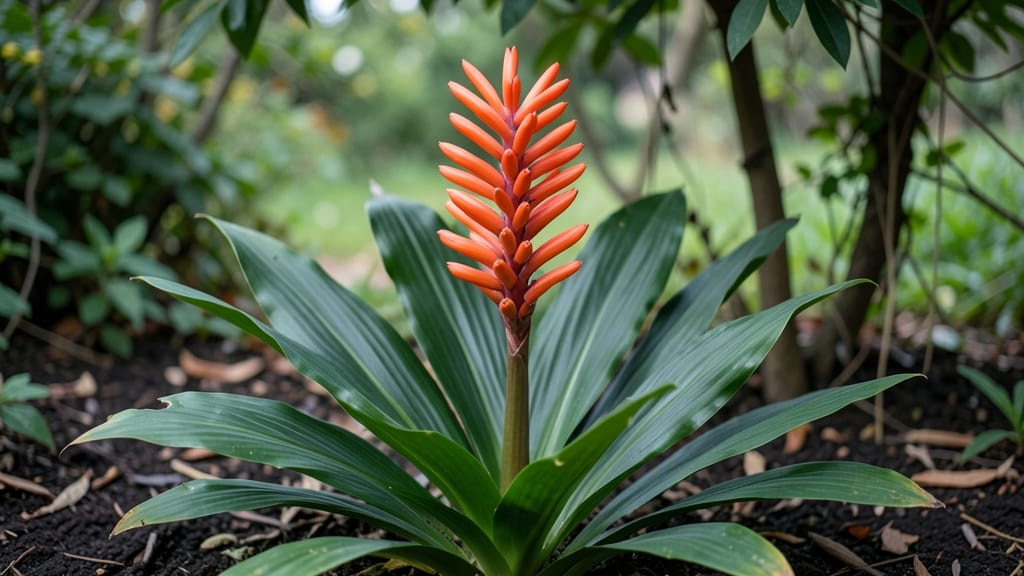
Growing orange ginger flowers (Hedychium coronarium) brings bold, citrus-scented blooms to containers with almost no effort. 🌺 I’ve grown these fiery orange flowers in pots for years—they’re the showstopper of my patio, thriving where other tropicals would flop.
The key? Mimicking their rainforest home with the right moisture, warmth, and a little shade in peak summer.
These plants love warm climates (Zones 9-11) but can be grown as annuals in cooler areas. Start with a well-draining potting mix mixed with compost, and choose a container with drainage holes—at least 12 inches wide for mature plants.
They’ll reward you with fragrant, trumpet-shaped blooms from summer through fall, even in small spaces.
Water consistently—keep soil moist but not soggy—and place them in morning sun with afternoon shade. A light fertilizer every 4-6 weeks keeps them blooming, and deadheading spent flowers encourages more blooms. The fragrance alone makes them worth growing, but their bold orange color turns heads too.
Bonus: They’re drought-tolerant once established and attract pollinators. If you’re in a cooler zone, treat them as a seasonal container star—they’ll put on a show before winter kills them back. Ready to add some tropical drama to your space?
📚 In This Guide
- What you need
- Instructions
- Tips and common mistakes
- Wrapping up and next steps
What you need
- ● Orange ginger flower rhizomes: 1–3 healthy, dormant rhizomes (3–5 inches long, with visible buds). Choose organic or nursery-grown for best results!
- ● Well-draining potting mix: 5–10 gallons of a blend designed for tropical plants (e.g., 60% peat moss, 30% perlite, 10% coconut coir). Pro tip: Avoid heavy garden soil—it can cause root rot! 💡
- ● Containers: 1–3 large pots (12–16 inches in diameter) with drainage holes, or
- ● A raised garden bed (if planting outdoors in warm zones).
- ● Slow-release fertilizer: 1 cup of balanced (10-10-10) granules or organic compost (like worm castings).
- ● Mulch: 2–3 inches of pine bark or straw to retain moisture and regulate temperature.
- ● Pruning shears: Sharp, sterilized shears for trimming dead foliage or dividing rhizomes.
- ● Gloves: Heavy-duty gardening gloves (rhizomes can be prickly!).
- ● Spray bottle: For misting leaves in dry climates.
- ○ Trellis or stakes (optional): If your variety grows tall (up to 6 feet), support stems to prevent flopping.
- ○ pH test kit (optional): Ideal soil pH: 6.0–7.0. Adjust with lime or sulfur if needed.
Step-by-step instructions for growing orange ginger flower in containers
Here's how to coax vibrant citrus-scented blooms from this tropical stunner using simple container techniques.
🌱 Step 1: Select and Prepare the Right Container
Choose a 10-12 inch diameter container with drainage holes—orange ginger (Hedychium coronarium) needs room for its fibrous root system and hates soggy feet. I use unglazed terra cotta pots because they allow excess moisture to evaporate through the walls, which prevents root rot in this humidity-loving plant.
Line the bottom with 1-2 inches of coarse gravel or broken pottery pieces to create an air pocket. This dual-layer drainage system ensures water flows freely while preventing soil from clogging the holes. The reason I insist on this step is that orange ginger's roots are sensitive to waterlogging, and proper drainage is the #1 factor separating thriving plants from those that decline after a few months.
🌿 Step 2: Create the Ideal Soil Mix
Fill the pot with a well-draining potting mix that mimics its native tropical conditions. I blend 50% peat moss, 30% perlite, and 20% compost to create a loose, airy medium that holds moisture without compacting. The peat provides acidity (orange ginger prefers pH 5.5-6.5), while the perlite prevents the mix from becoming too dense.
Moisten the mix until it feels like a wrung-out sponge—damp but not dripping. Press it gently into the pot to eliminate air pockets, then create a 2-inch deep planting hole in the center. Here's the thing—orange ginger doesn't like having its crown buried. Plant with the rhizome partially exposed (about ½ inch above soil level) to prevent rot while still anchoring the plant securely.
☀️ Step 3: Plant and Position for Optimal Light
Gently place the rhizome into the hole, spreading the roots outward. Cover lightly with soil, leaving the top ½ inch exposed. Water immediately to settle the soil around the roots, then place the container in a location with morning sun and afternoon shade. Orange ginger tolerates 6-8 hours of indirect light daily—direct afternoon sun will scorch its broad leaves.
I keep my containers on a dappled shade patio during summer months, moving them to a bright indoor spot near an east-facing window when temperatures drop below 50°F. Watch for yellowing leaves—this is your signal the plant is getting too much light or needs more humidity. Mist the foliage daily during dry spells to replicate its tropical habitat.
💧 Step 4: Water and Fertilize for Continuous Blooms
Water when the top 2 inches of soil feel dry to the touch—this plant drinks heavily but hates soggy conditions. I use room-temperature rainwater when possible, as orange ginger is sensitive to chlorine and fluoride in tap water. During the growing season (spring through fall), fertilize every 4-6 weeks with a balanced liquid fertilizer (10-10-10) diluted to half strength.
Here's where it gets fun—the blooms! When you see the first flower buds forming (usually in late summer), reduce fertilizer to quarter strength to encourage flowering instead of leafy growth. Deadhead spent blooms promptly to redirect the plant's energy into producing more vibrant citrus-scented flowers. The scent is strongest in the morning, so enjoy your container garden's natural perfume during those early hours.
✂️ Step 5: Overwinter and Divide for Next Season
As temperatures drop below 50°F, move your container indoors to a bright, humid spot (like a greenhouse or sunroom). Reduce watering to every 10-14 days, allowing the top 3-4 inches of soil to dry out between waterings. Orange ginger is semi-dormant in winter, so don't fertilize during this period—it needs to rest to rebloom vigorously in spring.
In early spring, divide mature clumps every 2-3 years to rejuvenate growth. Use a sterilized knife to separate sections with 3-4 healthy shoots each, then replant in fresh potting mix. This prevents overcrowding and ensures each division gets enough nutrients to produce abundant blooms. The divisions will establish quickly in the warm spring soil, giving you multiple containers of orange ginger for your patio by summer.
Tips & tricks for perfect orange ginger flower growth
A few strategic moves will ensure your orange ginger thrives and blooms spectacularly in containers.
Container Selection: While 10-12 inch pots work well, consider adding a saucer underneath to catch excess water—this prevents mineral buildup from evaporated water that can harm the plant's delicate roots. For colder climates, choose containers with built-in legs to protect the rhizome from frost heaving during winter months. I've found that wider, shallower pots actually work better than deep ones since orange ginger's rhizomes spread horizontally rather than growing deep.
Soil Mix Pro Tip: The 50-30-20 peat-perlite-compost ratio is perfect, but here's the secret: add a handful of orchid bark to the mix for extra aeration. This creates tiny air pockets that prevent compaction over time, which is especially important for container-grown plants that don't have the natural soil turnover of in-ground gardens. The bark also helps maintain that slightly acidic pH range (5.5-6.5) that orange ginger craves.
Light Management: That 6-8 hours of indirect light is crucial, but here's how to optimize it: position your container where it gets morning sun on the east side of your patio or deck, then move it to partial shade by midday. For indoor growing, supplement with a grow light for 4-6 hours daily if natural light is insufficient. I've noticed the leaves develop a deeper green color when they receive this balanced light exposure, indicating healthier photosynthesis.
Winter Care Strategy: When moving indoors below 50°F, place your container on a pebble tray filled with water to increase humidity around the plant. This mimics the tropical conditions it thrives in and prevents the crispy leaf edges that often signal dry air. The pebbles create a natural humid microclimate without directly wetting the soil, which could promote rot.
Pro Tips for Orange Ginger Flower
- A few strategic moves will ensure your orange ginger thrives and blooms spectacularly in containers.
- Container Selection: While 10-12 inch pots work well, consider adding a saucer underneath to catch excess water—this prevents mineral buildup from evaporated water that can harm the plant's delicate roots.
- Soil Mix Pro Tip: The 50-30-20 peat-perlite-compost ratio is perfect, but here's the secret: add a handful of orchid bark to the mix for extra aeration.
Frequently asked questions
Got questions about growing orange ginger flower? You're not alone! Here are some of the most common queries—plus straightforward answers to help you cultivate these vibrant blooms with confidence.
Can orange ginger flower grow in containers?
This tropical beauty thrives in containers as long as they’re at least 12 inches wide with drainage holes. Use well-draining potting mix (like a blend of peat, perlite, and compost) and place it in bright, indirect light. Just avoid soggy soil—overwatering is their #1 enemy!
How long does it take for orange ginger flower to bloom?
Patience pays off! With ideal conditions (warmth, humidity, and bright light), you can expect first blooms in 12–18 months. Young plants may take longer—focus on healthy foliage first. Pro tip: Fertilize lightly every 2 months with a balanced 10-10-10 mix to speed up flowering.
What’s the best temperature range for orange ginger flower?
These tropical divas love warmth! Keep them in 65–85°F (18–29°C) year-round. Below 50°F (10°C), growth slows, and frost will kill them. If you live in a cooler climate, grow them as annuals or bring pots indoors during winter.
Why are my orange ginger flower leaves turning yellow?
Yellow leaves usually signal overwatering or poor drainage. Let the top 1–2 inches of soil dry out between waterings, and ensure your pot has drainage holes. Check for:
If you love bold, citrusy foliage but want lower-maintenance options, try:
Are there any easy alternatives to orange ginger flower?
For edible ginger-like plants, consider galangal (a rhizome cousin) or turmeric, though neither has the same floral appeal.
Wrapping up and next steps
Growing orange ginger flower (Hedychium coronarium) in containers is a rewarding way to bring vibrant citrusy blooms to your space—even if you’re working with limited room! 🌸 With the right mix of sunlight, well-draining soil, and a dash of patience, you’ll soon be enjoying fragrant, tropical beauty that thrives year after year.
Ready to dive in? Start small—plant your first container today, and soon you’ll be sharing your lush, zesty blooms with neighbors (or gifting cuttings to fellow plant lovers!). Happy growing! 🌱