Container Gardens
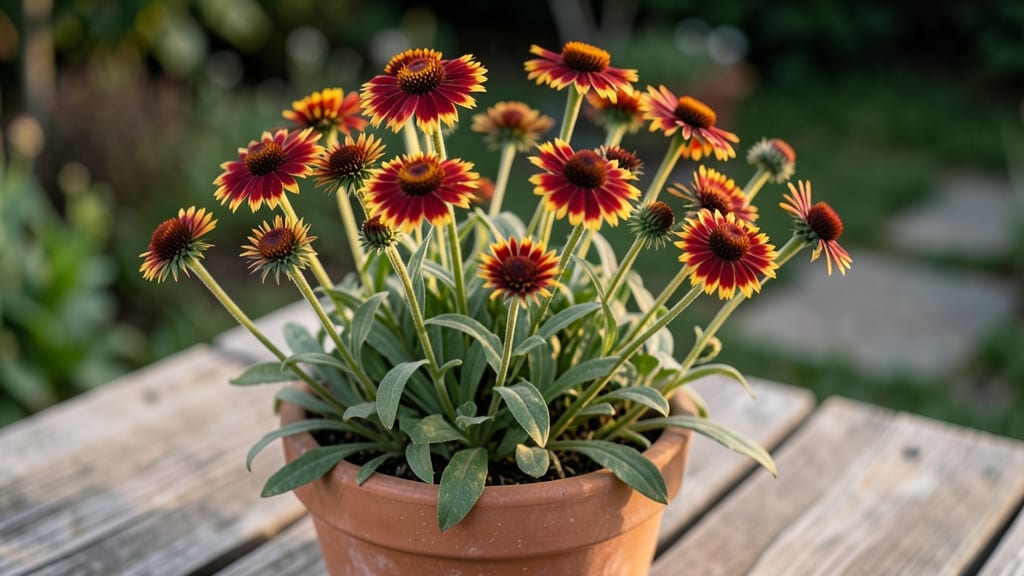
Blanket flowers in pots bring that bold, sunlit meadow look to patios and balconies without the fuss of in-ground planting. 🌻 I’ve grown them in containers for years, and they never fail to deliver those fiery red-and-yellow blooms from June until frost—even in my hot, dry zone.
The secret isn’t complicated: they thrive in well-draining soil, need just a few hours of sun, and tolerate neglect better than most perennials.
Start with a 5-7 gallon pot for each plant, since blanket flowers spread but don’t like soggy roots. A mix of 50% potting soil, 30% perlite, and 20% compost keeps them happy without extra fuss.
Water when the top inch feels dry—overwatering is their only real enemy—and feed them once in early summer with a balanced fertilizer. That’s it. No deadheading required; spent blooms just add texture.
By midsummer, your pots will be bursting with cheerful, drought-tolerant blooms that hummingbirds can’t resist. The foliage stays compact, and the flowers last longer than most annuals—sometimes until first frost.
For cold climates, move pots to a sheltered spot or wrap them in burlap to protect roots. Even in winter, they’ll surprise you with fresh growth come spring.
Perfect for small spaces, urban gardens, or anyone who wants low-maintenance color that outshines most annuals. Once you try them in containers, you’ll wonder why you ever planted them in the ground. Let’s get those pots prepped!
📚 In This Guide
- What you need
- Instructions
- Tips and common mistakes
- Wrapping up and next steps
What you need
- ● Blanket flower seeds or nursery plants: 1–3 plants per 10–12" pot (choose Gaillardia pulchella or G. aristata for best container performance).
- ● Well-draining potting mix: 1–2 bags (look for a blend labeled "container gardening" or "cactus/succulent mix" for extra drainage).
- ● Containers: 1–3 pots (10–12" diameter for single plants, larger for groupings).
- ● Drainage holes: Non-negotiable! Drill them if your pots don’t have them.
- ● Slow-release fertilizer: 1–2 pellets or granules (10–12 month release, 10-10-10 NPK ratio).
- ● Gravel or perlite: Small handful (for extra drainage at the pot’s bottom).
- ● Garden trowel or small shovel: For planting and mixing soil.
- ● Watering can or hose with gentle spray nozzle: Avoid overwatering—these flowers hate soggy feet! 💦
- ○ Mulch (optional): 1–2 inches of shredded bark or pebbles to retain moisture and suppress weeds.
- ○ Stakes or decorative pot holders (optional): For windy spots or aesthetic flair.
- ○ Plant labels (optional): If you’re growing multiple varieties, mark them to track blooms!
Step-by-Step instructions for growing blanket flowers in pots
Here's how I transform my patio into a nonstop summer show with these sun-loving perennials—no fuss, just bold color.
🪴 Step 1: Select the Right Containers and Drainage
Blanket flowers (Gaillardia) need well-draining pots with at least one drainage hole—they hate soggy roots. I use 8-12 inch diameter containers for each plant, as their roots spread aggressively. Terra cotta pots work best because they wick away excess moisture, but any plastic or ceramic pot with drainage will do.
If your pots lack holes, drill at least two near the bottom. Line the pot with landscape fabric to prevent soil from washing out while still allowing water to drain freely. The fabric also blocks weeds that might try to hitch a ride from your garden soil.
🌱 Step 2: Prepare Soil and Plant Your Blanket Flowers
Fill the pot ¾ full with a lightweight potting mix—never garden soil. Blanket flowers thrive in sandy, well-draining soil, so I blend mine with 20% perlite or coarse sand. This prevents root rot, which is their biggest enemy in containers.
Dig a hole twice as wide as the root ball but only as deep as the container’s original planting depth. Gently remove the plant from its nursery pot, loosen the roots if they’re circling, and place it in the hole. Fill around the roots with soil, pressing lightly to eliminate air pockets. Water deeply until it drains from the bottom hole—this settles the soil and removes any air gaps.
☀️ Step 3: Position for Maximum Sun and Water Correctly
Blanket flowers demand full sun—at least 6-8 hours daily—or their vibrant blooms will fade to pale pinks and yellows. Place pots on a south- or west-facing patio where they’ll get unfiltered afternoon sun. If your space only offers partial sun, choose the ‘Arizona Sun’ cultivar, which tolerates 4-6 hours of direct light but still rewards you with bold color.
Water when the top 1-2 inches of soil feel dry to the touch. In summer, this means every 2-3 days, but adjust for your climate—containers dry out faster than in-ground beds. Always water at the base, not overhead, to prevent fungal diseases. Mulch with 1 inch of gravel to retain moisture and keep roots cool.
✂️ Step 4: Prune and Fertilize for Continuous Blooms
Deadhead spent blooms weekly by pinching off the faded flowers just above the next set of leaves. This encourages nonstop reblooming from early summer through fall. I also trim back any leggy stems to half their height in mid-summer to promote bushier growth and more flowers.
Feed every 4-6 weeks with a balanced, water-soluble fertilizer (10-10-10) diluted to half strength. Over-fertilizing leads to lush foliage but fewer blooms—blanket flowers reward restraint. Stop fertilizing in late summer to harden the plants for winter.
⏰ Step 5: Overwinter and Reset for Next Year
In USDA Zones 5-8, blanket flowers are perennial, but they need protection. Once frost threatens, move pots to a sheltered spot (like a garage or under eaves) where temps stay above 20°F. Reduce watering to once every 2-3 weeks—they enter dormancy naturally.
In spring, when new growth appears, prune back one-third of the plant to encourage fresh, vigorous shoots. Repot if roots are circling the container, and refresh the soil with new potting mix. With this care, your blanket flowers will return bigger and bolder every year.
Tips & tricks for growing vibrant blanket flowers in pots
Here's what I've learned from years of growing these show-stopping perennials—these simple tricks will help you avoid common pitfalls and keep your blanket flowers thriving all summer.
Container Size Matters: In Step 1, when selecting your 8-12 inch pots, remember that blanket flowers have aggressive root systems. If you're growing multiple plants together, increase container size by at least 2 inches in diameter for each additional plant. I've seen too many gardeners underestimate this—root-bound plants will quickly become stressed and stop blooming. The extra space prevents competition and keeps your plants healthy longer.
Soil Mix Secret: The sandy, well-draining mix in Step 2 is non-negotiable, but here's the pro move: add 10% coconut coir to your mix for better moisture retention without sacrificing drainage. This helps maintain consistent moisture levels between your every 2-3 day waterings. The coir also adds beneficial microbes that support root health—something standard potting mixes often lack.
Sunlight Strategy: For the critical 6-8 hours of sun in Step 3, position your pots where they'll get morning sun and afternoon shade if you're in a very hot climate (Zone 9+). The afternoon sun can scorch the delicate petals, turning vibrant reds into dull browns. If you notice leaves curling or petals wilting by midday, move the pots to a slightly shadier spot for a few hours—your plants will thank you with more consistent blooms.
Pruning Timing: When deadheading weekly in Step 4, do it in the morning when the blooms are fully open. This gives you the best view of which flowers are truly spent and which still have potential. I also recommend using clean, sharp pruners or your fingers to pinch off the stems—this prevents tearing and reduces the risk of disease. The morning timing also helps prevent nighttime pests from finding damaged stems.
Pro Tips for Blanket Flower In Pots
- Here's what I've learned from years of growing these show-stopping perennials—these simple tricks will help you avoid common pitfalls and keep your blanket flowers thriving all summer.
- Container Size Matters: In Step 1, when selecting your 8-12 inch pots, remember that blanket flowers have aggressive root systems.
- Soil Mix Secret: The sandy, well-draining mix in Step 2 is non-negotiable, but here's the pro move: add 10% coconut coir to your mix for better moisture retention without sacrificing drainage.
Frequently asked questions
Got questions about growing blanket flowers in pots?
You’re not alone! Here are answers to the most common concerns—from planting tips to troubleshooting—so you can enjoy those bold blooms with confidence.
What’s the best pot size for blanket flowers?
Blanket flowers thrive in pots with at least 6–8 inches of depth and diameter to accommodate their roots. For multiple plants, opt for a 12-inch container or larger—just ensure it has drainage holes to prevent soggy soil. Smaller pots work for single plants but may need more frequent watering.
How often should I water potted blanket flowers?
Water when the top inch of soil feels dry—usually 2–3 times per week in hot weather. Containers dry out faster than ground soil, so check moisture daily during heatwaves. Pro tip: Use a moisture meter or stick your finger in the soil to avoid over- or under-watering!
Can blanket flowers survive winter in pots?
Most blanket flowers (Gaillardia) are perennial in zones 3–10 but may die back in freezing temps. Overwinter them by moving pots to a garage or sheltered spot (keep soil slightly moist) or dig up tubers to replant next spring. In cold climates, treat them as annuals for seasonal color.
Why are my blanket flowers wilting or turning yellow?
Wilting often signals underwatering or heat stress, while yellow leaves may mean overwatering, poor drainage, or nutrient deficiency. Check for:
- Root rot (mushy stems, foul smell)—repot with fresh, dry soil.
- Pests (aphids, spider mites)—spray with neem oil or insecticidal soap.
- Sunburn (brown edges)—move to partial shade if in harsh afternoon sun.
What are some low-maintenance alternatives to blanket flowers?
If blanket flowers feel too high-maintenance, try these zero-fuss container picks:
- Zinnias – Bright, long-lasting blooms; thrive in heat.
- Lantana – Drought-tolerant with clusters of tiny flowers.
- Salvia – Drought-resistant and attracts pollinators.
- Marigolds – Pest-repellent and easy to grow.
Wrapping up and next steps
Growing blanket flowers in pots is a game-changer for adding bold, sunny charm to your space—without the fuss! 🌸 With the right soil, container, and a little sunlight, these low-maintenance beauties thrive year after year.
Whether you’re a seasoned gardener or just starting out, their vibrant blooms and easy care make them the perfect choice for patios, balconies, or even windowsills.
Ready to bring some summer cheer to your home? Pick your favorite variety, grab a pot, and get planting! Then, share your progress with us—we’d love to see your stunning container garden come to life! 📸