
Mower
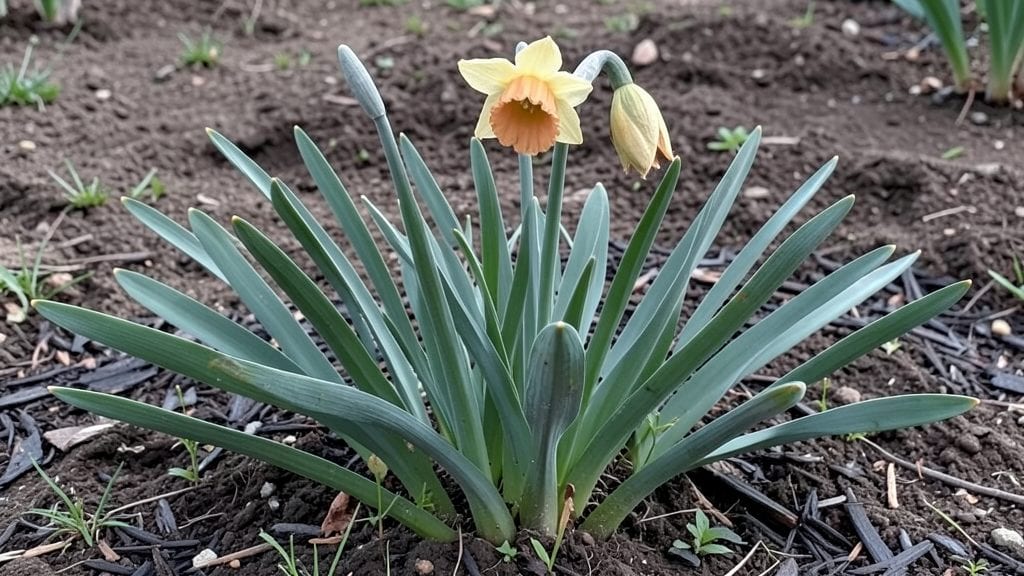
Once daffodils have flowered, the real work begins—not cutting back those yellow trumpets too soon. 🌱 I’ve learned the hard way that leaving the foliage until it yellows naturally is the secret to fat, healthy bulbs for next year’s showstopping blooms.
That stubborn stem isn’t just dead weight; it’s the plant’s lifeline, feeding nutrients back into the bulb.
The key is patience and a sharp pair of shears. Wait until the leaves turn completely brown and crispy before snipping—usually 6-8 weeks after flowering. This timing ensures the bulb stores enough energy for next spring.
While you’re at it, give the area a light top-dressing of compost or a balanced bulb fertilizer to reward the bulbs for their hard work.
You’ll notice stronger stems and bigger blooms the following year if you follow this routine. The bulbs will multiply naturally, too, sending up new shoots nearby. Just avoid overwatering after flowering—daffodils hate soggy roots once the blooms fade.
Perfect for gardeners who want bold, reliable blooms year after year without the guesswork. This method works for all daffodil varieties, from classic yellows to fiery oranges. Let’s get those bulbs prepped for next season’s performance!
📚 In This Guide
- What you need
- Instructions
- Tips and common mistakes
- Wrapping up and next steps
What you need
- ● Freshly cut daffodil stems – Harvest after blooms fully open but before leaves yellow (aim for 6–12 inches long).
- ● Clean, sharp pruning shears – Dull blades crush stems; opt for bypass pruners for precision.
- ● Vase or deep container – Choose one with a narrow neck (3–4 inches wide) to hold 3–5 stems per bunch.
- ● Room-temperature water – 1–2 cups per vase (change every 2–3 days).
- ○ Commercial flower food packet – Optional but recommended (contains sugar + preservatives).
- ● Hydrogen peroxide (3%) – 1 capful per vase to prevent bacterial growth.
- ● Sharp knife or scissors – For trimming stems underwater (prevents air pockets).
- ● Cooling water bath – A bucket of ice water (10 mins) to slow ethylene gas buildup.
- ● Aluminum foil – Wrap stem bases to block light (extends vase life).
- ● Spray bottle with water – Keeps foliage hydrated if stems dry out.
Instructions for reviving daffodil stems after blooming
Here’s how to transform last year’s spent daffodil stems into next season’s showstopper blooms.
✂️ Step 1: Remove Faded Flowers and Seed Pods
Once the daffodil blooms fade completely and the petals droop, snip the flower stem just above the first set of leaves using clean, sharp pruners. This redirects the plant’s energy from seed production to bulb storage. I always leave the foliage intact—removing it now weakens the bulb and reduces next year’s flower size.
Watch for those unsightly seed pods forming at the stem’s base. If left unchecked, they’ll drain nutrients meant for the bulb. Pinch or cut them off immediately after they appear. The goal is to preserve the plant’s strength for underground growth, not above-ground reproduction.
🌱 Step 2: Leave Foliage Until It Fully Yellows
This is the most critical step—many gardeners make the mistake of cutting back daffodil leaves too soon. After removing the flowers, wait until the foliage turns completely yellow and begins to wither naturally. This process, which typically takes 6-8 weeks, allows the bulb to photosynthesize and store nutrients for next year’s blooms.
You’ll know the leaves are ready to remove when they’re dry and brittle to the touch. At this stage, the bulb has absorbed all possible nutrients, and the foliage serves no further purpose. If you’re unsure, gently tug a leaf—if it pulls away easily without resistance, it’s time to trim.
🪴 Step 3: Trim Foliage and Apply Mulch
Once the foliage is fully yellow and crispy, cut it back to about 2 inches above the soil line using clean pruners. This prevents disease and keeps the garden tidy, but the real benefit is allowing the bulb to dry out properly before dormancy. Avoid cutting too close to the base, as this can damage emerging next-year shoots.
Apply a 2-3 inch layer of mulch around the base of the plant, but avoid piling it directly against the stems. I use shredded bark or straw because they improve soil moisture while allowing air circulation. This layer also protects the bulbs from extreme temperature fluctuations and keeps weeds at bay.
💧 Step 4: Water Sparingly Until Dormancy
After trimming, reduce watering significantly but don’t let the soil dry out completely. Daffodils need moderate moisture during the 4-6 weeks it takes for the foliage to die back naturally. Water deeply once every 10-14 days, focusing on the soil around the bulb rather than the surface.
Overwatering now can lead to rot, while underwatering stresses the bulb. A good rule of thumb is to water when the top 1-2 inches of soil feel dry to the touch. Once the foliage is fully yellow and withered, you can taper off watering entirely until spring.
☀️ Step 5: Monitor for Pests and Disease
Daffodils are generally low-maintenance, but after blooming, they’re vulnerable to pests like thrips and aphids, which can weaken the bulb. Inspect the foliage weekly for signs of infestation, such as discolored leaves or sticky residue. If you spot pests, treat with neem oil or insecticidal soap—both are safe for bulbs and effective against common garden pests.
Also, keep an eye out for fungal diseases like basal rot, which appears as soft, mushy stems at the base. If you notice this, remove the affected plant immediately and dispose of it in the trash (not compost). Healthy daffodils should have firm, upright stems with no signs of decay.
Tips & tricks for reviving daffodil stems after blooming
Reviving daffodils after their first bloom is all about patience and precision—here’s how to turn last year’s spent stems into next season’s showstopper blooms.
Timing is Everything: In Step 2, when the instructions mention waiting until foliage turns completely yellow, don’t rush this process. The 6-8 week window is critical for nutrient absorption. I’ve seen gardeners impatiently cut back too soon, only to get weak stems and smaller blooms the following year. Mark your calendar when you remove the flowers to track the timeline accurately.
Pruning Precision: When trimming foliage in Step 3, cut back to exactly 2 inches above the soil line—no more, no less. Cutting too close can damage emerging shoots, while leaving too much creates a mess. Use clean, sharp pruners to make clean cuts that won’t tear the stems. I also recommend wearing gloves to avoid sap irritation from the daffodil stems.
Mulch Selection Matters: The 2-3 inch layer of mulch in Step 3 serves multiple purposes, but not all mulches are created equal. Shredded bark or straw are my top choices because they allow moisture to penetrate while preventing weeds. Avoid dense mulches like wood chips that could suffocate the bulbs or block airflow. Apply it loosely around the base, keeping it away from the stems.
Watering Wisdom: The instructions mention watering every 10-14 days during the 4-6 week period, but here’s the secret: water deeply but infrequently. Shallow watering encourages weak roots, while deep watering strengthens them. Stick your finger into the soil—if the top 1-2 inches feel dry, it’s time to water. Overwatering now can lead to bulb rot, so err on the side of caution.
Pro Tips for Once Daffodils Have Flowered
- Reviving daffodils after their first bloom is all about patience and precision—here’s how to turn last year’s spent stems into next season’s showstopper blooms.
- Timing is Everything: In Step 2, when the instructions mention waiting until foliage turns completely yellow, don’t rush this process.
- Pruning Precision: When trimming foliage in Step 3, cut back to exactly 2 inches above the soil line—no more, no less.
Frequently asked questions
Got questions about what to do with daffodil stems after they’ve bloomed? You’re not alone! Here are some of the most common concerns—and straightforward answers—to help you prep for next year’s vibrant display.
What should I do with daffodil stems once they’ve flowered?
After blooming, leave the foliage intact until it turns yellow and dies back naturally (usually 6–8 weeks post-flowering). This ensures the plant stores energy for next year’s blooms. Only then can you cut back the stems—never remove them too soon!
How long do I wait before cutting back daffodil leaves?
Wait until at least 60% of the leaves have yellowed (typically late spring to early summer). Cutting too early weakens the bulb, reducing—or even eliminating—next year’s flowers. Patience pays off for lush, repeat blooms!
Can I deadhead daffodils to encourage more flowers?
Deadheading (removing spent blooms) is fine, but never cut the stems—just snip the faded flowers. The leaves must stay attached to feed the bulb. Focus on keeping the foliage healthy, and you’ll reward yourself with bigger, bolder blooms next season!
What if my daffodils aren’t blooming well after a year?
Poor blooming often means the leaves were cut too soon or the plant lacks nutrients. Feed with a balanced bulb fertilizer in early fall, ensure full sun (6+ hours/day), and avoid overwatering. Over time, your daffodils will bounce back!
Are there any alternatives if I miss the foliage window?
If you accidentally trim too early, don’t panic! Just stop fertilizing until the leaves fully die back. Next year, focus on leaving the foliage until it’s crispy. Daffodils are hardy—they’ll recover, though blooms may be smaller that season.
Still unsure? Drop your daffodil dilemmas below—we’re happy to help you grow a garden full of golden cheer!
Wrapping up and next steps
Once daffodils have flowered, you’ve got the power to turn last year’s stems into next year’s showstopping blooms—with just a little care! 🌱 The key is acting quickly after flowering to trim, fertilize, and protect your bulbs, ensuring they recharge for a vibrant return.
Don’t let their post-bloom phase fool you—this is your chance to set the stage for a garden that steals the show year after year.
Ready to level up your daffodil game? Grab your tools, follow the steps above, and watch your garden transform into a lush, repeat-performing masterpiece. Your future blooms will thank you! 🌸✨