
Size
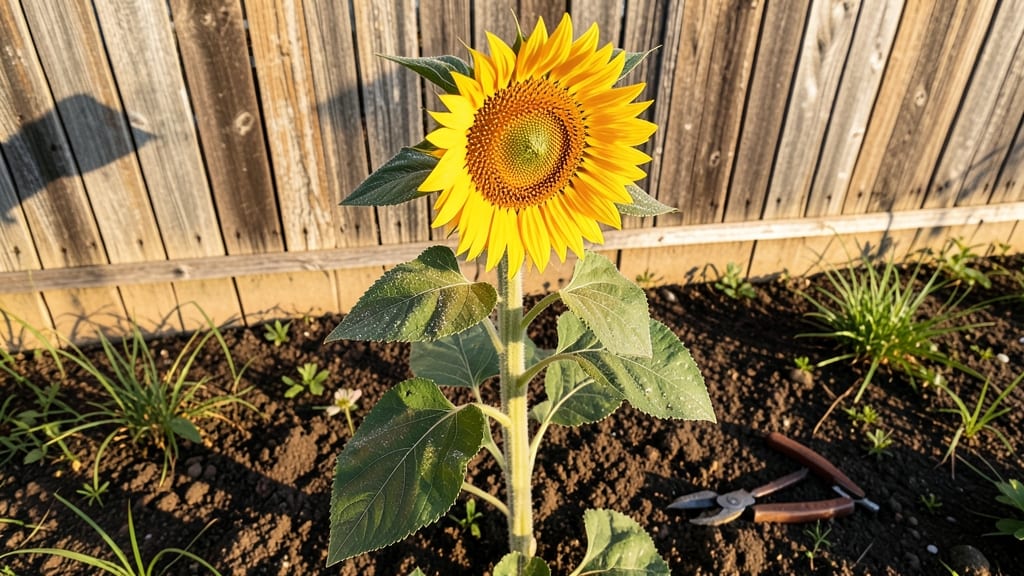
Growing giant sunflowers from tiny seeds is the kind of gardening magic that makes neighbors stop and stare. 🌻 I’ve watched 5-foot seedlings transform into 12-foot giants with just the right soil, spacing, and a little patience—something I nearly gave up on after my first attempt flopped from weak stems.
Here’s the secret: start with well-draining soil mixed with compost, plant seeds 1 inch deep and 6 inches apart, and give them full sun (at least 6-8 hours daily).
Water deeply twice a week once they sprout, but avoid soggy soil—this is what keeps stems sturdy enough to support those massive blooms.
By midsummer, you’ll have sunflowers taller than you are, their petals radiating like golden suns. The key is staking tall varieties (like ‘Mammoth’ or ‘Russian Giant’) early to prevent toppling, and harvesting seeds before birds do.
Trust me, the first time you see one bloom at eye level, you’ll understand why this is worth every ounce of effort.
Works in any sunny spot, from backyard plots to large containers. Let’s get those seeds in the ground—your future skyline awaits.
📚 In This Guide
- What you need
- Instructions
- Tips and common mistakes
- Wrapping up and next steps
What you need
- ● Giant sunflower seeds: Choose a variety like Mammoth Russian or American Giant (5–10 seeds per plant).
- ● Well-draining soil: 5+ gallons of a mix with 50% compost and 50% potting soil (or garden soil with added organic matter).
- ● Large containers or garden space: For containers: 5-gallon pots or larger (at least 12" deep).
- ● For ground planting: Full sun (6+ hours/day) and space 2–3 feet apart.
- ● Fertilizer: Balanced 10-10-10 or 5-10-10 granular fertilizer (1 tbsp per plant every 4–6 weeks).
- ● Watering can or hose with a gentle spray nozzle.
- ● Stakes or trellis: 6–8 ft tall (bamboo or metal) to support heavy blooms.
- ● Mulch: Straw or wood chips (2–3 inches) to retain moisture.
- ● Pruning shears (for deadheading or trimming).
- ● Soil pH tester (ideal range: 6.0–7.0).
- ● Organic pest control (neem oil or insecticidal soap).
- ● Garden gloves (to protect hands from prickly stems!).
How to grow towering sunflowers from seed to stalk
Here's my battle-tested method for growing sunflowers that reach 10+ feet—no fancy tricks, just reliable results.
🌱 Step 1: Start Seeds Indoors for Early Growth
Sunflower seeds need warmth to germinate quickly. I plant mine indoors 6-8 weeks before the last frost date when nighttime temperatures stay above 50°F. Fill 2-3 inch deep biodegradable pots with sterile seed-starting mix—never garden soil, which can harbor diseases that kill seedlings.
Plant 2-3 seeds per pot at a depth of ½ inch, pressing gently but not packing the soil. Sunflower seeds are large, so they don’t need light to germinate. Water lightly with a spray bottle until the soil feels evenly moist but not soggy. Place the pots in a warm spot (70-75°F)—a seedling heat mat speeds germination to 5-10 days.
Once the first true leaves appear (not the initial cotyledons), thin to the strongest seedling per pot. Watch for yellowing or weak stems—these are signs of damping-off, a fungal disease that thrives in overwatered conditions. If you see it, reduce watering and improve airflow immediately.
☀️ Step 2: Harden Off and Transplant Outdoors
When nighttime temperatures consistently stay above 55°F and all danger of frost has passed, it’s time to transplant. I start hardening off seedlings 10-14 days before moving them outside by placing them in a sheltered spot for 1-2 hours the first day, gradually increasing exposure over a week.
Choose a sunny location with full sun (6+ hours daily) and well-draining soil. Sunflowers hate soggy roots, so amend heavy clay with compost or sand to improve drainage. Dig a hole twice as wide as the root ball but no deeper—planting too deep can rot the stem. Space seedlings 18-24 inches apart to allow for their massive growth.
Water deeply at transplanting to settle the soil around the roots. Mulch with 2-3 inches of straw to retain moisture and suppress weeds. Avoid overhead watering after transplanting—direct water to the base to prevent fungal diseases like powdery mildew, which sunflowers are prone to.
💧 Step 3: Feed and Support for Maximum Height
Sunflowers are heavy feeders, so 4-6 weeks after transplanting, apply a balanced fertilizer (10-10-10) at half-strength. I mix it into the soil around the base rather than top-dressing, which can burn tender roots. Follow up with a low-nitrogen fertilizer (5-10-10) once the flower buds form to encourage strong stem development.
As the stalks grow, they’ll need support. I install 6-foot stakes or strong cages at planting time, tying the main stem loosely with soft plant ties every 2-3 feet. Sunflowers grow 2-4 inches per day in ideal conditions, so check ties weekly—they’ll need adjusting as the stem thickens. If you forget, don’t worry; sunflowers are resilient and will lean toward the sun if unsupported.
Water deeply 1-2 times per week, aiming for 1-2 inches of water per week. Let the top 2-3 inches of soil dry out between waterings—overwatering leads to weak stems that snap under their own weight. If your area experiences drought, increase frequency but avoid wetting the leaves to prevent mildew.
✂️ Step 4: Prune and Harvest for Long-Lasting Blooms
To encourage multiple blooms, pinch off the first flower bud when it’s about 2 inches tall. This redirects the plant’s energy into producing side branches, each of which will develop its own flower. You’ll see secondary stems emerge from the leaf axils within 2-3 weeks—these are your future blooms.
Harvest sunflowers when the back of the flower turns yellow and the petals begin to droop slightly. Cut the stem at a 45-degree angle about 6 inches below the flower head to allow for easier water absorption. Remove any remaining buds or spent flowers to redirect energy to new growth. If you want to save seeds, leave 1-2 flowers on the plant until they fully mature and dry.
For the biggest blooms, deadhead spent flowers regularly. This prevents the plant from wasting energy on seed production and encourages it to put all its effort into growing larger, showier flowers. With proper care, a single sunflower can produce 50+ seeds, ensuring you’ll have more than enough for next season.
Tips & tricks for perfect giant sunflower growth
A few simple strategies will help you bypass common pitfalls and grow sunflowers that defy expectations.
Timing Secret for Indoor Starts: The 6-8 week indoor start window is non-negotiable for towering sunflowers. I always check my local frost date online and work backward—sunflowers need that full indoor head start to develop strong stems capable of supporting 10+ foot growth. Pro Tip: Set a calendar reminder 6 weeks before your last frost date to avoid rushing this critical phase.
Soil Science for Seedlings: Sterile seed-starting mix isn't just a recommendation—it's essential. Regular garden soil contains fungal spores that cause damping-off, which can kill your seedlings before they even sprout. I sterilize my mix by baking it at 200°F for 30 minutes if I'm worried about pathogens. The 2-3 inch deep pots are perfect because they prevent overcrowding while allowing roots to establish without becoming root-bound.
Harden Off Like a Pro: The gradual 10-14 day hardening process is where most beginners fail. I start with just 1-2 hours of outdoor exposure on day one, then increase by 1-2 hours daily. Watch for wilting—this means you're moving too fast. Sunflowers are tough, but their leaves need time to adjust to direct sunlight and wind. On cloudy days, you can extend the hardening period by 2-3 days without risk.
Support System Strategy: Installing 6-foot stakes at planting time might seem premature, but trust me—it's worth the effort. Sunflowers grow 2-4 inches per day in ideal conditions, and their stems thicken rapidly. I use soft plant ties and adjust them every week as the stem grows. If you wait until the plant is already leaning, you'll struggle to provide proper support without damaging the stem.
Pro Tips for Giant Sunflower Grow A Garden
- A few simple strategies will help you bypass common pitfalls and grow sunflowers that defy expectations.
- Timing Secret for Indoor Starts: The 6-8 week indoor start window is non-negotiable for towering sunflowers.
- Soil Science for Seedlings: Sterile seed-starting mix isn't just a recommendation—it's essential.
Frequently asked questions
Got questions about growing giant sunflowers?
You’re not alone! Here are answers to the most common queries—from planting tips to troubleshooting—so you can grow those towering beauties with confidence.
How tall can giant sunflowers really grow?
Giant sunflower varieties like Mammoth Russian or American Giant can reach 12–15 feet tall (or even higher!) with proper care. Their massive blooms (up to 16 inches wide) make them a showstopper in any garden. Just stake them early—wind can topple these giants!
When is the best time to plant giant sunflowers?
Start seeds indoors 4–6 weeks before your last frost date or directly outdoors after soil warms to 50°F+ (spring or early summer). Giant sunflowers thrive in long, warm seasons—plant too late, and they may bolt (flower too quickly) or struggle to mature. Aim for full sun (6+ hours/day)!
Can I grow giant sunflowers in containers?
Yes, but choose large pots (15+ gallons) with drainage and support stakes. Dwarf varieties like Russian Giant Dwarf (8–10 ft) adapt better to containers than full-sized types. Use lightweight potting mix and fertilize regularly—container-grown sunflowers need extra nutrients to reach their potential.
Why are my giant sunflower leaves turning yellow or spotted?
Yellowing leaves often signal overwatering, nutrient deficiency (like nitrogen), or fungal diseases (e.g., powdery mildew). For spots, check the undersides for pests like aphids or spider mites. Improve airflow, water at the base (not leaves), and apply neem oil if needed.
Are giant sunflowers drought-tolerant once established?
While they prefer consistent moisture, giant sunflowers can handle short dry spells once rooted. Mulch around the base to retain soil moisture, but avoid waterlogging. Deep watering 1–2 times per week (more in extreme heat) keeps them thriving. Drought stress can stunt growth or cause blooms to wilt—so don’t skip hydration!
Wrapping up and next steps
Growing a giant sunflower is a rewarding challenge that brings towering beauty to your garden—and yes, you can do it! 🌻 With the right soil, sunlight, and care, those tiny seeds will transform into sun-soaked giants that turn heads (and Instagram feeds).
Whether you're a seasoned gardener or a curious beginner, this journey is all about patience, passion, and watching nature’s magic unfold.
Ready to take the next step? Start small: Plant a few seeds this season, experiment with varieties, and track your progress. Who knows? Next year, you might just be the one with the tallest sunflower in the neighborhood—and the bragging rights to match. Happy growing! 🌱