
Planting
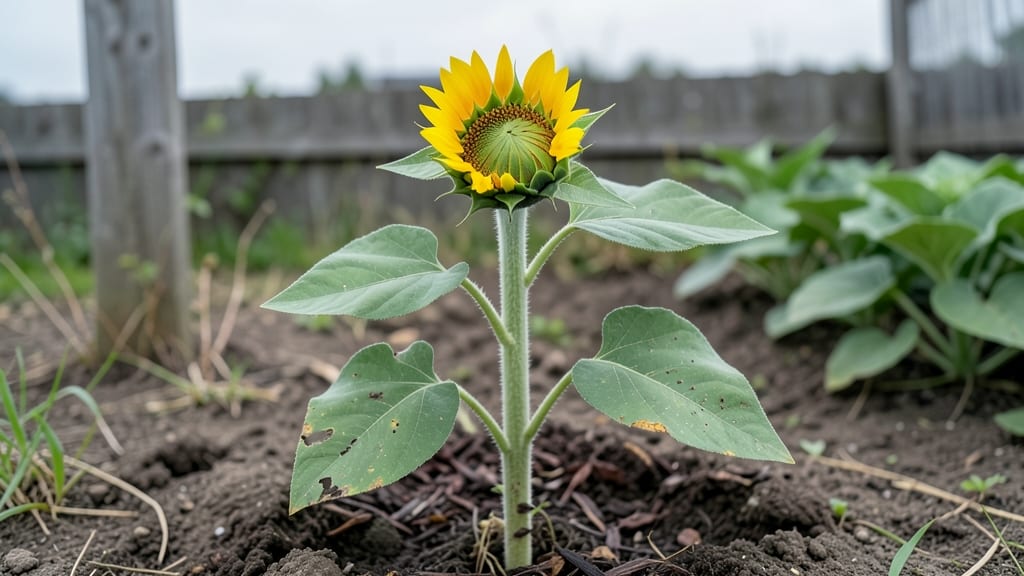
Planting a new sunflower plant from seed is one of those gardening moments that feels like magic—you drop a tiny seed in the dirt, and within weeks, you're staring up at a towering stalk.
I still remember the first time I watched my sunflower seeds push through the soil in just five days, their bright green leaves unfurling like nature's own party poppers.
The key to this rapid growth isn't complicated: it's about giving them the right start with loose, well-draining soil and a sunny spot where they can stretch toward the light.
Sunflowers are surprisingly forgiving plants, which makes them perfect for beginners. You don't need fancy tools—just a trowel, some compost, and a spot that gets at least six hours of direct sunlight daily.
The soil should be loose enough to let those taproots dive deep without resistance, and watering should be consistent but not soggy. Overwatering is the biggest rookie mistake, as it can rot those delicate new stems before they even get a chance to grow tall.
Think of it like giving them a drink, not a bath.
By the time you're pinching back the tops of your sunflowers to encourage bushier growth, you'll already be seeing those familiar yellow faces peeking over the garden fence.
Within 8-10 weeks, you'll have sunflowers that can reach 10 feet tall, their blooms attracting bees and butterflies like a five-star buffet. The best part? Every stage of growth is satisfying—from the first sprouts to the final towering stalks that make your neighbors do a double-take.
This method works for both backyard gardens and container setups, making it adaptable to any space. Whether you're growing sunflowers for their beauty, their seeds, or just the sheer joy of watching them grow, the process is simple enough that even my black thumb can't mess it up.
Let's get those seeds in the ground and start growing!
📚 In This Guide
- What you need
- Instructions
- Tips and common mistakes
- Wrapping up and next steps
What you need
- ● Sunflower seeds: 10–20 fast-germinating varieties (e.g., 'Moulin Rouge' or 'Autumn Beauty'). Opt for untreated, organic seeds for best results.
- ● Seed-starting soil: 1–2 gallons of lightweight, sterile potting mix (avoid garden soil—it can harbor diseases).
- ● Planting containers: Small pots (3–4 inches wide) or seed trays with drainage holes for each seedling.
- ● Watering can or spray bottle: A gentle sprayer helps avoid disturbing seeds.
- ● Grow lights or sunny windowsill: Sunflowers need 6–8 hours of light daily to germinate properly.
- ● Gloves: Protect your hands from soil and seed debris.
- ● Plant labels: Small stakes or markers to track seed varieties and planting dates.
- ○ Fertilizer (optional): A balanced, water-soluble fertilizer (5-10-5 ratio) to boost early growth.
- ○ Mulch (optional): Straw or shredded leaves to retain moisture and suppress weeds once transplanted.
- ● Transplanting tools (if direct-sowing): A small shovel or trowel for digging holes in garden beds.
- ● Warmth: Sunflower seeds germinate best in soil temperatures of 70–90°F (21–32°C). Use a heat mat if starting indoors early.
- ● Sun exposure: Ensure your outdoor location gets full sun (6+ hours daily) for healthy growth.
- ● Space: Mature sunflowers need 12–24 inches of spacing between plants (check your variety’s needs!).
How to grow sunflowers from seeds for quick, towering blooms
Here's my foolproof method for getting sunflowers to sprout fast and grow tall.
Choose the Right Sunflower Variety and Prepare the Soil
Pick a fast-maturing variety like 'Mammoth' or 'Autumn Beauty' for quick results. Sunflowers thrive in well-draining soil with a pH between 6.0 and 7.0. I like to mix 3 inches of compost into the top 6 inches of soil to give roots the nutrients they need right from the start. This ensures strong stems that can support those towering blooms.
Sunflowers love full sun, so pick a spot that gets at least 6-8 hours of direct sunlight daily. If you're planting in containers, choose pots that are at least 12 inches deep—sunflowers have long taproots that need room to grow. Loosen the soil to a depth of 12 inches with a garden fork to help roots penetrate easily.
Plant Seeds at the Correct Depth and Spacing
Plant seeds 1 inch deep and 6 inches apart in rows that are 18-24 inches apart. I like to plant 2-3 seeds per hole and thin to the strongest seedling once they sprout—this gives you a backup if one doesn’t germinate. Press the soil gently around the seeds to ensure good contact, but don’t pack it down too tightly.
Sunflower seeds germinate quickly in warm soil, usually within 7-14 days. To speed things up, I soak the seeds in warm water for 24 hours before planting. This softens the seed coat and encourages faster sprouting. Keep the soil consistently moist but not soggy—sunflowers hate waterlogged roots.
Provide Consistent Water and Support for Rapid Growth
Water deeply once a week, giving each plant about 1 gallon of water at the base. Let the soil dry slightly between waterings to prevent fungal diseases. Sunflowers grow fast, so I add a 2-3 inch layer of mulch around the base to retain moisture and suppress weeds. This keeps the soil cool and prevents crusting, which can stunt root growth.
As sunflowers grow taller, they’ll need support. I install sturdy stakes or cages when the stems reach 12-18 inches tall. This prevents them from toppling over in wind or rain. Watch for yellowing leaves—this can signal overwatering or nutrient deficiency. If you see it, reduce watering slightly and add a balanced fertilizer to encourage strong, healthy growth.
Monitor for Pests and Harvest at Peak Bloom
Sunflowers attract pests like aphids and beetles, but I’ve found that a strong spray of water usually knocks them off. For stubborn infestations, I use neem oil as a natural deterrent. Keep an eye out for chewed leaves or holes—these are signs of insect activity. Early intervention prevents damage to the flower buds.
Harvest sunflowers when the back of the bloom turns yellow and the petals start to droop. Cut the stem at a 45-degree angle about 6 inches below the flower head to encourage regrowth. If you want to save seeds, leave a few heads on the plant until they turn brown and dry. Store the seeds in a cool, dry place for next year’s planting.
Tips & tricks for growing towering sunflowers from seeds
Here's what I've learned after growing sunflowers for years—these little tricks make a big difference in how fast and tall your plants grow.
Speed Up Germination: The 24-hour warm water soak is your secret weapon for faster sprouting. I like to use a bowl of warm (not hot) water and let the seeds soak while I prep the soil. After soaking, I gently pat them dry with a paper towel before planting—this prevents mold and keeps them ready to sprout. The 7-14 day germination window can shrink to just 5-7 days with this method, especially in warm soil.
Soil Prep Secret: When loosening soil to 12 inches deep in Step 1, I go one step further by mixing in a handful of perlite or coarse sand with the compost. This improves drainage while still providing nutrients, which is especially important if your soil is heavy clay. The goal is to create a spongy texture that holds moisture but doesn't become compacted—sunflower roots need that air space to grow strong.
Watering Wisdom: That once-a-week watering guideline works best when you give each plant a full gallon at the base. I use a watering wand with a gentle spray to avoid disturbing the soil surface, which can expose delicate roots. The key is to water deeply but infrequently—this encourages roots to grow deeper in search of moisture, which leads to those sturdy stems that support towering blooms. Yellowing leaves often signal overwatering, so if you see this, let the soil dry out more between waterings.
Pest Prevention: I've found that the strong spray of water mentioned in Step 4 works best if you do it in the early morning. This gives the plants time to dry completely before evening, which prevents fungal issues. For stubborn pests, I mix 1 tablespoon of neem oil with 1 quart of water and spray both the tops and undersides of leaves. The oil disrupts the pests' life cycle while being completely safe for your plants when used as directed.
Pro Tips for New Sunflower Plant
- Here's what I've learned after growing sunflowers for years—these little tricks make a big difference in how fast and tall your plants grow.
- Speed Up Germination: The 24-hour warm water soak is your secret weapon for faster sprouting.
- Soil Prep Secret: When loosening soil to 12 inches deep in Step 1, I go one step further by mixing in a handful of perlite or coarse sand with the compost.
Frequently asked questions
Got questions about growing your own sunflower plants? Here are some of the most common ones—and their answers—to help you get started on your sunflower-growing journey!
How long does it take for sunflower seeds to germinate?
Sunflower seeds typically germinate within 7 to 14 days after planting, depending on soil temperature and moisture. For faster results, keep the soil consistently moist and warm (around 70°F or warmer). If you’re impatient, pre-sprouting seeds indoors can shave off a few days!
Can I grow sunflowers from store-bought seeds?
Yes! Store-bought sunflower seeds (like the ones from birdseed bags) can work, but they may not produce the same vibrant blooms as heirloom or hybrid varieties. For the best results, opt for seeds labeled as "non-GMO" or "organic" from a garden center. Pro tip: Save seeds from your healthiest sunflowers for next year’s crop!
How tall will my sunflower plants grow?
Sunflower height varies by variety, but most common types reach 6 to 12 feet tall. Giant varieties can even surpass 15 feet! Check the seed packet for specific height expectations. If you’re short on space, dwarf varieties (like ‘Teddy Bear’) stay under 3 feet—perfect for containers or small gardens.
What should I do if my sunflower seedlings look weak or wilted?
Weak or wilted seedlings are often a sign of overwatering, poor drainage, or pests. Let the soil dry slightly between waterings and ensure pots or beds have drainage holes. Check for aphids or cutworms—handpick pests or use an organic insecticidal soap if needed. If the issue persists, transplant seedlings to a sunnier spot with richer soil.
Do sunflowers need full sun to grow?
Sunflowers thrive in full sun (6+ hours daily). While they can tolerate partial shade, blooms may be smaller or sparse. If your garden is shady, consider dwarf varieties or place them near a fence/shed to maximize sunlight exposure. A south-facing window or balcony works great for container sunflowers too!
Wrapping up and next steps
Growing a new sunflower plant from fast-germinating seeds is a rewarding journey that brings vibrant color and joy to your garden!
With the right soil, sunlight, and care, you’ll soon be watching those towering blooms reach for the sky—perfect for attracting pollinators or adding a cheerful touch to your space. 🌻
Now that you’re armed with tips and answers, it’s time to roll up your sleeves and plant those seeds. Start small, stay patient, and enjoy the process—your future sunflower giants will thank you!