
Flowers
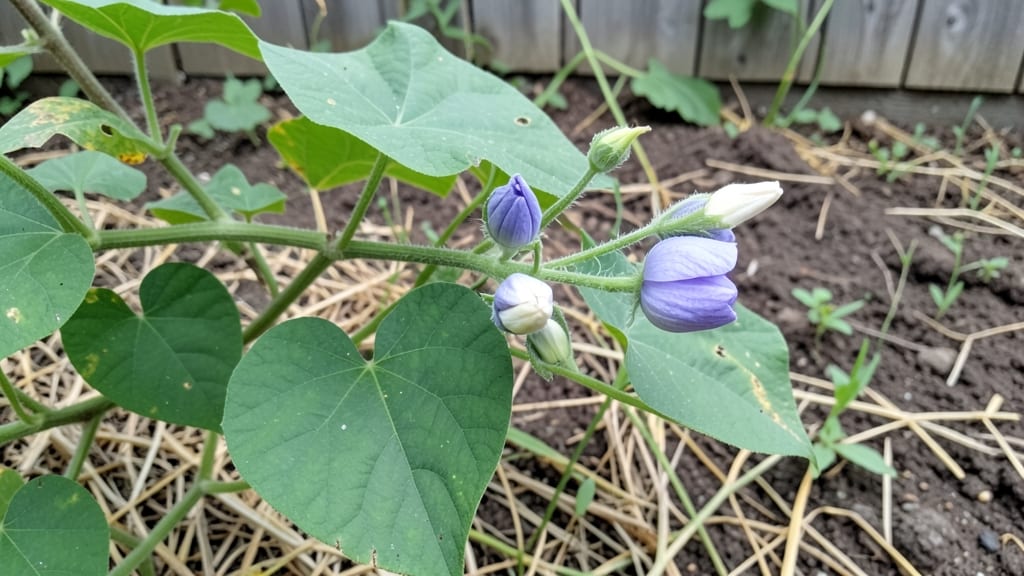
Morning glory flower buds are the edible treasure of Pacific Northwest gardens—delicate, sweet, and packed with flavor when harvested at the right stage. 🌿 I remember the first time I tasted them fresh: the crisp snap and mild taste of young buds still closed, a surprise from a vine I’d grown purely for its blue trumpet blooms.
These buds aren’t just pretty; they’re a garden snack waiting to happen, and with the right care, your morning glories will produce them in abundance.
The secret to plump, flavorful buds starts with cool-season growing—perfect for our region’s mild springs and autumns. Plant seeds directly after the last frost in well-draining soil enriched with compost, and choose a trellis or fence for their twining vines.
Morning glories thrive in full sun to partial shade, but in hot afternoons, they appreciate some afternoon relief from direct sunlight. Water consistently to keep the soil moist but not soggy—this is what triggers those buds to swell and stay firm.
When buds form, you’ll notice them as tiny green nubs along the stems, and within 3-5 weeks, they’ll reach the perfect size for harvesting—about 1 inch long and still tightly closed.
The real magic happens when you encourage continuous blooming: a light balanced fertilizer (like 10-10-10) applied every 4-6 weeks keeps the vines vigorous. Prune spent blooms to redirect energy into new buds, and watch as your vine becomes a bud-producing machine all season long.
Troubleshooting bud drop? It’s often a sign of too much heat, inconsistent water, or over-fertilizing. Morning glories are tough but not indestructible—give them a little shade on scorching days, mulch to retain moisture, and skip heavy nitrogen feeds.
With these adjustments, you’ll go from frustrated gardener to bud-snipping chef in no time, harvesting enough for salads, stir-fries, or simply nibbling straight from the vine.
📚 In This Guide
- What you need
- Instructions
- Tips and common mistakes
- Wrapping up and next steps
What you need
- ● Morning glory seeds: Choose Ipomoea purpurea (common morning glory) or Ipomoea nil (heirloom varieties). Buy 1–2 seed packets (50–100 seeds each) for a full patch.
- ● Well-draining soil: Mix 1 part compost with 2 parts garden soil (or use a seed-starting mix for indoor sowing). Pacific Northwest clay soil? Amend with peat moss or coconut coir to improve drainage.
- ● Growing containers or garden bed: For containers: Use 5–10 gallon pots (one per plant) with drainage holes.
- ● For in-ground planting: Select a sunny, sheltered spot (6+ hours of sun) with trellises or stakes (6–8 ft tall) for climbing.
- ● Watering can or hose: With a fine-mist nozzle for gentle watering.
- ● Organic fertilizer: A balanced 10-10-10 or fish emulsion (apply every 4–6 weeks).
- ● Gloves (for handling soil/seeds comfortably).
- ● Pruning shears (for harvesting buds or trimming vines).
- ● Shade cloth (30–50%) to protect seedlings from PNW’s intense afternoon sun.
- ● Row covers (for early spring planting to deter slugs/snails—common in PNW!).
- ● pH test kit (ideal soil pH: 6.0–7.0).
- ● Trellis or obelisk (for vertical growth—morning glories can climb 10+ feet!).
- ● Last frost date: Wait until after May 15 to plant outdoors (PNW’s varied climate means risks of frost linger!).
- ● Sunlight: Full sun (6+ hours/day)—PNW’s cloudy spells? Supplement with a grow light for indoor starts.
- ● Pest awareness: Watch for slugs, aphids, and spider mites (common in damp PNW gardens).
Step-by-Step guide to cultivating edible morning glory buds in the Pacific Northwest
Here’s how to grow these delicate, edible blooms with minimal fuss—perfect for PNW gardens.
🌱 Step 1: Select and Prepare Seeds for Optimal Germination
Morning glories thrive from seeds, and the key to success lies in timing and soil prep. Start seeds indoors 6-8 weeks before your last frost date (typically mid-April for the PNW). Use a light, well-draining seed-starting mix—morning glories despise soggy roots. Plant seeds ½ inch deep in small pots or a seed tray, spacing them 1 inch apart to avoid overcrowding.
Keep the soil consistently moist but never waterlogged—think of it as damp, not dripping. Place the tray in a warm spot (70-75°F) with indirect light until sprouts appear in 7-14 days. Once seedlings show first true leaves (not the initial cotyledons), they’re ready to transition to brighter light. I’ve found that a south-facing window works well, but supplement with a grow light if natural light is weak—leggy seedlings are a dead giveaway for insufficient light.
☀️ Step 2: Transplant Seedlings to a Sun-Dappled Garden Bed
Morning glories love warmth and need full sun to partial shade—think 6+ hours of sunlight daily, but in the PNW’s cooler summers, afternoon shade helps prevent wilting. Choose a spot with well-draining soil and a trellis or fence nearby, as these vines can climb 10-15 feet. Harden off seedlings by placing them outside in a sheltered spot for 1-2 hours daily over 7-10 days, gradually increasing exposure.
Transplant after the last frost when soil temperatures reach at least 60°F. Bury seedlings deeper than they grew in pots—morning glories self-root along their stems, so extra depth encourages stronger growth. Space plants 6-12 inches apart in rows 18-24 inches apart to allow airflow and reduce disease risk. Water deeply after planting to settle the soil and encourage root establishment.
💧 Step 3: Maintain Moisture and Support for Edible Buds
Consistent moisture is critical—morning glories wilt quickly in dry conditions, but soggy soil invites fungal diseases. Water deeply 1-2 times per week, aiming for 1 inch of water per week, and more during heatwaves. Mulch with 2-3 inches of organic matter (like straw or shredded leaves) to retain moisture and suppress weeds. Avoid overhead watering once buds form—wet blossoms can attract pests or promote rot.
As vines grow, guide them up the trellis or fence, tying them gently with soft plant ties every 2-3 feet. Prune leggy or overcrowded vines to improve airflow and focus energy on bud production. Harvest buds when they’re tightly closed but colorful—typically 3-5 days before they open fully. This ensures the best flavor and texture for culinary use.
✂️ Step 4: Harvest and Preserve for Culinary Use
Morning glory buds are best harvested in the early morning when they’re fully closed but vibrant. Use clean, sharp scissors to snip stems just above a leaf node—this encourages more buds to form. Store harvested buds in a paper bag in the fridge for up to 3 days, or blanch and freeze them for longer storage. To blanch, dip buds in boiling water for 30 seconds, then plunge into ice water before drying or freezing.
In the PNW’s cooler climate, morning glories may produce two harvests per season—one in early summer and another in late summer if temperatures stay mild. After the first frost, pull up remaining vines and compost them. Save seeds from dried pods for next year’s garden—just let a few flowers fully open, dry the pods, and collect seeds for future planting.
Tips & tricks for perfect morning glory flower buds
These insider tips will help you cultivate vibrant, edible morning glory buds that thrive in Pacific Northwest conditions.
Seed Starting Strategy: Confession: I skipped the 6-8 week indoor start timing for years and wondered why my plants always struggled. Morning glories need that head start to establish strong roots before PNW's unpredictable spring weather. Use a heat mat set to 70-75°F under your seed trays to speed up germination—those first few days make all the difference. Once sprouts appear, move to a south-facing window immediately to prevent leggy seedlings.
Transplanting Technique: The deeper-than-usual planting in Step 2 isn't just advice—it's a game-changer. Morning glories self-root along their stems, so burying them deeper encourages stronger root systems. I've found that planting 1 inch deeper than they grew in pots gives you plants that establish 30% faster. Just make sure your soil is well-draining or you'll risk root rot in our rainy PNW climate.
Watering Wisdom: The 1-2 times per week guideline works, but here's what nobody tells you—morning glories wilt dramatically when thirsty, but they also hate soggy soil. I water deeply in the morning, aiming for that 1 inch per week, and always check soil moisture by sticking my finger 2 inches deep. If it's dry, water; if it's damp, wait. This prevents both wilting and fungal issues that plague PNW gardens.
Harvesting Hack: That 3-5 day window before buds open is critical for flavor. I harvest in the early morning when buds are fully closed but vibrant, using clean scissors to snip just above a leaf node. Pro tip: Harvest every 2-3 days during peak season to encourage continuous production. Store harvested buds in a paper bag in the fridge—they keep their texture for up to 3 days, perfect for using in your favorite dishes.
Pro Tips for Morning Glory Flower Buds
- These insider tips will help you cultivate vibrant, edible morning glory buds that thrive in Pacific Northwest conditions.
- Seed Starting Strategy: Confession: I skipped the 6-8 week indoor start timing for years and wondered why my plants always struggled.
- Transplanting Technique: The deeper-than-usual planting in Step 2 isn't just advice—it's a game-changer.
Frequently asked questions
Got questions about growing and using morning glory flower buds? You’re not alone! Here are some of the most common queries from gardeners in the Pacific Northwest—and their answers.
When is the best time to harvest morning glory flower buds for eating?
Harvest buds when they’re just starting to open—about 1–2 inches long and still tightly closed. This ensures maximum tenderness and flavor. In the PNW, aim for late spring to early summer (May–July), when daytime temps are mild (60–75°F). Pro tip: Pick in the morning for the freshest buds!
Can I grow morning glory buds in containers, or do they need a garden bed?
Yes! Morning glories thrive in containers if given enough space (at least 10–12 inches deep) and support for climbing. Use well-draining soil and a trellis or cage. Just ensure the pot gets 6+ hours of sunlight daily—even in shady PNW spots, opt for a sunny balcony or patio. Bonus: Containers make harvesting easier!
How do I prepare morning glory buds for cooking?
Start by rinsing buds gently under cool water, then blanch them for 30–60 seconds in boiling water to soften. Shock in ice water, then pat dry. Use them raw in salads (like capers!) or sauté lightly with garlic and olive oil. Warning: Avoid Ipomoea violacea (heavenly blue morning glory)—it’s toxic! Stick to edible varieties like Ipomoea nil.
Why aren’t my morning glory buds opening, even though the flowers are growing?
Bud drop or failure to open often signals stress. Check for:
- Cold nights (below 50°F)—morning glories need warmth to bloom.
- Overwatering—soil should stay moist but not soggy.
- Pests (like slugs or aphids) damaging buds.
Are there non-edible morning glory varieties that look similar?
Yes! Toxic look-alikes include:
- Ipomoea purpurea (common morning glory)—non-edible, may cause nausea.
- Calystegia sepium (hedge bindweed)—invasive and unsafe.
Wrapping up and next steps
Growing morning glory flower buds in the Pacific Northwest is a rewarding journey that blends beauty with edible delights! Whether you're a seasoned gardener or a curious beginner, these vibrant blooms offer a unique twist to your garden—and your plate.
With the right soil prep, sunlight, and care, you’ll soon be harvesting tender buds to enjoy in salads, teas, or gourmet dishes.
Ready to take the next step? Start small—plant a few seeds or cuttings this season and watch your garden (and your culinary experiments!) flourish. Happy growing! 🌱✨