
Orchid Care
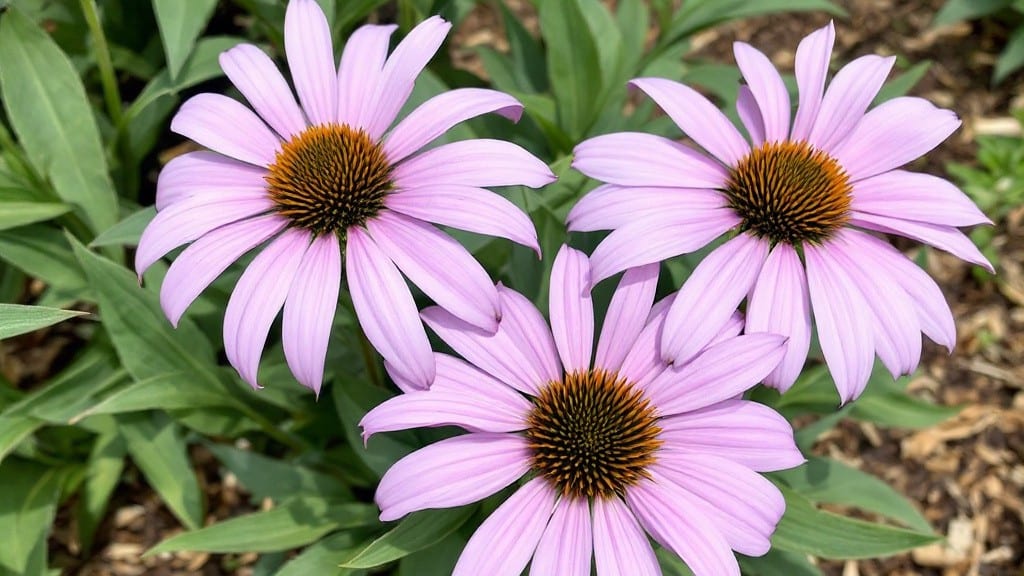
The double decker coneflower stands taller and bolder than its single-layered cousins, with those signature purple petals topped by a second tier of tiny florets. 🌻 I fell for it the first time I saw one in a PNW garden—it wasn’t just the height (up to 36 inches) that impressed me, but how it held its own through our damp, cool summers and frosty winters.
This isn’t your average coneflower; it’s a showstopper that thrives where others falter.
Here’s the secret to growing it successfully: full sun (at least 6 hours daily) and well-draining soil that mimics its prairie roots. Amend heavy clay with compost or sand, and space plants 18-24 inches apart to give them room to stretch their legs.
Watering is simple—deep but infrequent—once established, these tough plants can handle drought like a champ. The real magic happens in late summer when those layered blooms emerge, attracting pollinators for weeks.
Pruning is minimal, but a quick cleanup in early spring removes dead foliage and makes way for fresh growth. Watch for powdery mildew in humid stretches (a light spray of neem oil helps), and deer usually leave it alone—unlike some of its relatives.
By fall, the seed heads add texture to winter gardens, and the roots toughen up for another year of resilience. This isn’t just a plant; it’s a frost-proof statement piece for your garden.
Perfect for cutting gardens, pollinator-friendly borders, or even container growing (in larger pots). Once you try it, you’ll wonder why you didn’t plant more sooner—it’s that good. Let’s get those roots in the ground and watch them grow!
📚 In This Guide
- What you need
- Instructions
- Tips and common mistakes
- Wrapping up and next steps
What you need
- ● Double decker coneflower plants: 3–5 nursery-grown plants (choose healthy, established specimens with strong stems).
- ● Well-draining potting mix: 5–10 gallons (or enough to fill containers 12–18" deep). Pro tip: Mix in 20% perlite or sand for improved drainage!
- ● Garden soil (for in-ground planting): Amend with 2–3 inches of compost to enrich fertility.
- ● Organic fertilizer: Slow-release 10-10-10 or balanced bloom booster (follow package rates).
- ● Mulch: 2–3 inches of shredded bark or straw to retain moisture and protect roots.
- ● Garden trowel or spade: For planting and soil prep.
- ○ Gloves (optional but recommended): Protect your hands from thorns and rough soil.
- ● Watering can or hose with nozzle: Gentle watering is key for these drought-tolerant beauties.
- ● Measuring tape or ruler: Ensure proper spacing (18–24" apart for full sun, 12" for partial shade).
- ○ Stakes or cages (optional): For taller varieties in windy PNW areas.
- ● Echinacea-specific fertilizer: Boosts purple hues and resilience.
- ● Drip irrigation system: Automates watering for consistent moisture.
- ● Pruning shears: For deadheading spent blooms to encourage reblooming.
- ● Soil pH test kit: Aim for 6.0–7.0 (PNW soil is often acidic!).
Step-by-step guide to growing double decker coneflower in the Pacific Northwest
Here's how to cultivate these striking perennials for maximum height and frost resilience.
🌱 Step 1: Select and Prepare the Planting Site
Choose a location with full sun exposure (6-8 hours daily)—these plants thrive in the Pacific Northwest's brightest spots. Double Decker Coneflowers tolerate a wide range of soils but perform best in well-draining, slightly acidic to neutral soil (pH 6.0-7.5). If your soil is heavy clay, amend it with 2-3 inches of compost mixed into the top 12 inches of soil.
I like to test soil moisture before planting. Stick your finger 4 inches deep—if it feels compacted or stays clumpy when squeezed, add organic matter. These plants hate soggy roots, so raised beds or mounded soil work well in wetter areas. Mark the planting spots with stakes to avoid disturbing the soil later.
☀️ Step 2: Plant at the Right Depth and Spacing
Dig holes twice as wide as the root ball but only as deep as the container height. The top of the root ball should sit just below soil level—burying too deep suffocates the plant while planting too shallow exposes roots to drying winds. Gently remove the plant from its container and loosen any circling roots with your fingers.
Space plants 18-24 inches apart for optimal air circulation and stem strength. Crowding leads to weak stems that flop in Pacific Northwest's frequent rains. Backfill the hole with native soil mixed with a handful of bone meal for phosphorus—this encourages strong root development. Water deeply immediately after planting to eliminate air pockets.
💧 Step 3: Establish a Consistent Watering Routine
Water newly planted Double Decker Coneflowers 1-2 inches per week, keeping the soil evenly moist but never soggy. These plants are drought-tolerant once established, but young roots need consistent moisture. I check soil moisture by lifting a plant—if the root ball feels light, it's time to water. In the Pacific Northwest's cooler climate, morning watering prevents fungal issues.
After the first growing season, reduce watering to 1 inch per week during dry spells. You'll notice the plants develop deeper roots and stronger stems when watered less frequently. Mulch with 2-3 inches of shredded bark to retain moisture and regulate soil temperature. Keep mulch 3 inches away from stems to prevent rot.
✂️ Step 4: Prune for Height and Frost Resistance
Deadhead spent blooms in early fall to encourage a second flush of flowers before winter. Cut back stems to 6-8 inches tall after flowering to redirect energy to root development. This pruning also prevents flopping in wet conditions. I always use clean, sharp shears to avoid tearing stems—ragged cuts invite disease.
In late fall, cut back the entire plant to 4-6 inches above ground level. This frost-resistant technique protects the crown from winter dieback. The plants will regrow vigorously in spring. Avoid heavy pruning in early spring—wait until you see new growth emerging from the base before shaping the plant.
🪴 Step 5: Maintain Through Seasons for Maximum Height
Fertilize lightly in early spring with a balanced 10-10-10 formula at half-strength. These plants don't need heavy feeding—they thrive on Pacific Northwest's natural soil fertility. I apply fertilizer when new growth appears, usually in late March or early April. Over-fertilizing leads to weak stems that can't support the plant's height.
Monitor for powdery mildew, which can occur in the Pacific Northwest's damp summers. Space plants properly and avoid overhead watering to prevent this issue. If you notice white powder on leaves, remove affected foliage immediately and improve air circulation. These plants will reward you with 3-5 foot tall stems when given proper care and spacing.
Tips & tricks for perfect double decker coneflower growth
These expert strategies will help you cultivate Double Decker Coneflowers that thrive in Pacific Northwest's challenging climate.
Soil Preparation: Before amending your soil with the recommended 2-3 inches of compost into the top 12 inches, consider adding a handful of perlite or coarse sand to improve drainage in heavy clay soils. This creates the perfect well-draining environment these plants crave. I've found that mixing in a 1/4 cup of lime (if your soil tests below pH 6.0) helps maintain that ideal 6.0-7.5 pH range without overcorrecting.
Planting Depth: When planting, use a level as your guide to ensure the top of the root ball sits just below soil level. I've learned the hard way that planting too deep can suffocate the plant while too shallow exposes roots to drying winds. For container-grown plants, gently squeeze the sides to check if roots have circled—they need loosening before planting. This attention to depth pays off with stronger stems that reach those impressive 3-5 foot heights.
Watering Strategy: The 1-2 inches per week watering guideline works perfectly in Pacific Northwest's cooler climate, but I've found that watering in the morning gives plants time to dry slightly before evening, reducing fungal risks. For the first few weeks, I like to use a moisture meter to verify soil moisture—it's more accurate than the finger test, especially in heavier soils. This helps prevent both underwatering and the soggy roots these plants hate.
Pruning Technique: When deadheading in early fall, I always cut back stems to 6-8 inches tall using clean shears, then make a second cut just above a leaf node to encourage new growth. For late fall pruning, I mark the 4-6 inch height with a stake before cutting—this visual guide prevents over-pruning. The key is to leave enough foliage to protect the crown while still redirecting energy to root development for winter resilience.
Pro Tips for Double Decker Coneflower
- These expert strategies will help you cultivate Double Decker Coneflowers that thrive in Pacific Northwest's challenging climate.
- Soil Preparation: Before amending your soil with the recommended 2-3 inches of compost into the top 12 inches, consider adding a handful of perlite or coarse sand to improve drainage in heavy clay soils.
- Planting Depth: When planting, use a level as your guide to ensure the top of the root ball sits just below soil level.
Frequently asked questions
Got questions about growing double decker coneflowers in your Pacific Northwest garden? You’re not alone! Here are some of the most common queries—and their answers—to help you cultivate these striking perennials with confidence.
What’s the best time to plant double decker coneflowers in the PNW?
Plant them in early spring (March–April) or early fall (September–October) for optimal root establishment. Avoid late summer planting—the heat can stress young plants. If using potted starts, water them well before transplanting to reduce shock.
Are double decker coneflowers truly frost-resistant?
These hardy beauties thrive in USDA Zones 3–9, making them perfect for the PNW’s chilly winters. Their deep roots insulate them from frost, and they often rebloom after winter dieback. Just mulch lightly in harsh winters for extra protection.
How do I keep my double decker coneflowers looking tidy?
Deadhead spent blooms in late summer to encourage more flowers and prevent seed formation. Cut back 1/3 of the plant in early spring to promote bushier growth. Avoid heavy pruning in fall—let the foliage die back naturally for winter resilience.
Do double decker coneflowers attract pollinators?
You bet! Their daisy-like flowers are a magnet for butterflies, bees, and hummingbirds. The double-layered petals make them especially appealing to pollinators. For extra buzz, plant them near other native perennials like bee balm or black-eyed Susans.
What can I do if my double decker coneflowers aren’t blooming?
Check these fixes:
- Sunlight: Ensure they get 6+ hours of sun daily—shady spots reduce blooms.
- Soil: Amend heavy clay soil with compost to improve drainage.
- Fertilizer: Skip high-nitrogen feeds; use a balanced 10-10-10 in early spring instead.
- Age: Young plants may take 1–2 years to bloom fully.
Can I grow double decker coneflowers in containers?
Yes! Use a 5-gallon pot or larger with well-draining soil and place it in full sun. Water consistently (containers dry out faster), and fertilize lightly in spring. Just be prepared to divide the plant every 2–3 years to prevent overcrowding.
Wrapping up and next steps
Growing double decker coneflowers in your Pacific Northwest garden isn’t just about adding beauty—it’s about embracing resilience, color, and effortless charm! 🌸 With their frost-hardy nature and striking blooms, these perennials prove that stunning gardens can thrive even in cooler climates.
Whether you’re a seasoned gardener or just starting, their low-maintenance care makes them the perfect addition to any outdoor space.
Ready to level up your garden? Start by gathering your supplies, choosing the right location, and planting with confidence. Before you know it, your yard will be buzzing with pollinators—and you’ll be the envy of the neighborhood! 🌿