Flowers
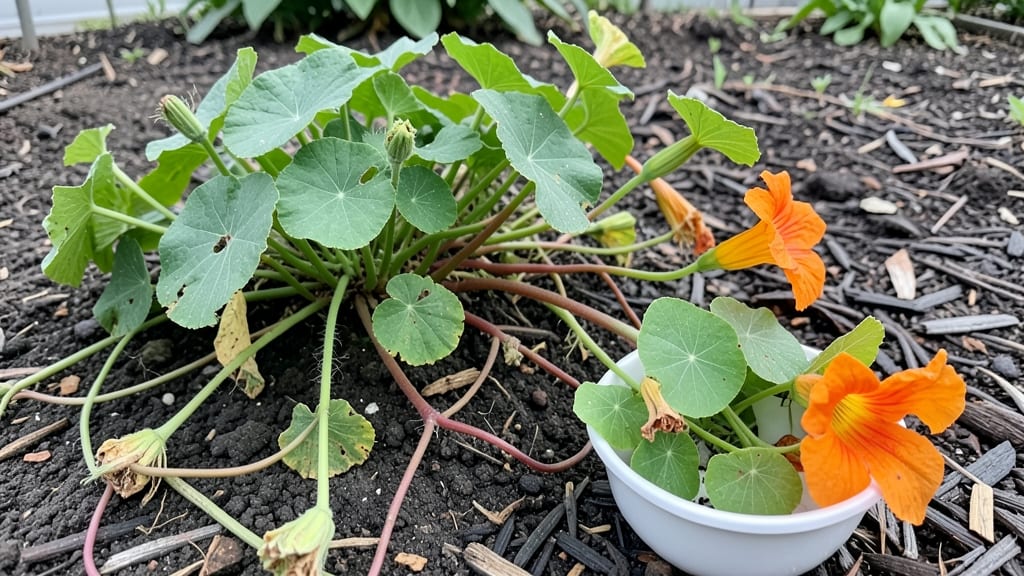
Your garden just got a dual-purpose superstar—nasturtium flowers edible in every sense, with peppery blooms that double as edible garnishes and vibrant pollinator magnets. 🌸 I planted my first tray last spring after seeing how effortlessly they thrived in my raised beds, and now they’re the star of my salads, teas, and summer tablescapes.
The best part? Nasturtiums grow like weeds—literally—with minimal fuss. They’re happy in full sun or partial shade, tolerate poor soil, and bloom from early summer until frost.
Just snip the flowers as needed for cooking, and the plants keep producing. They even deter pests like aphids, making them a garden MVP.
You’ll end up with bright orange, yellow, and red blooms that add a peppery kick to salads, sandwiches, and cocktails—think of them as nature’s edible confetti.
The leaves are edible too, with a mild mustard flavor perfect for pesto or stir-fries. Just avoid overharvesting from a single plant to keep it blooming.
Works in containers, hanging baskets, or sprawled along garden edges—ideal for small spaces or urban gardens. Whether you’re growing for beauty, bounty, or both, nasturtiums deliver year after year with almost no effort. Let’s get those seeds in the ground!
📚 In This Guide
- What you need
- Instructions
- Tips and common mistakes
- Wrapping up and next steps
What you need
- ● Fresh or dried nasturtium flowers: At least 10-15 blooms (more for larger dishes or decorating). Organic preferred (avoid flowers treated with pesticides or herbicides).
- ● Scissors or clean pruning shears (for harvesting or trimming stems).
- ● A colander or strainer (for rinsing flowers gently).
- ● Paper towels or a clean kitchen towel (to pat flowers dry).
- ● Small mixing bowl or plate (for arranging flowers before use).
- ● Edible flower syrup or honey (to lightly glaze flowers for a sweet-savory touch).
- ● Citrus zest or a splash of lemon juice (to brighten flavors and preserve color).
- ● Microplane or fine grater (for zesting or grating flower buds into dishes).
- ● Food-safe spray bottle (for misting flowers with water to keep them crisp).
- ● Drying screen or mesh bag (if preserving flowers for later use).
- ● Food processor or mortar & pestle (for making nasturtium flower salt or pestos).
Step-by-step guide to growing and using edible nasturtium flowers
Here's how to cultivate these peppery beauties from seed to plate—ready for salads and garnishes in just weeks.
🌱 Step 1: Choose the Right Variety and Planting Time
Nasturtiums thrive in cool weather, so I always plant mine 4-6 weeks before the last frost in spring or again in early fall for a second harvest. Look for edible varieties like 'Jewel Mix' or 'Alaska'—their bright blooms are just as tasty as they are pretty. These annuals grow quickly, so don't wait until summer heat arrives.
Sow seeds directly in the garden—nasturtiums hate being transplanted. Press them ½ inch deep in loose, well-draining soil. I like to scatter seeds loosely (they self-sow easily) and thin later. The key is patience: germination takes 7-14 days, so keep soil consistently moist until you see those first tiny leaves.
☀️ Step 2: Provide Ideal Growing Conditions
Nasturtiums love full sun to partial shade—they'll tolerate a bit of afternoon shade in hot climates, but too much heat makes flowers bitter. I plant mine where they get 4-6 hours of morning sun and afternoon shade. The soil should be fertile but well-draining; nasturtiums rot easily if soggy.
Water at the base once a week (more in extreme heat) and avoid wetting leaves to prevent fungal issues. You'll know they're happy when vines sprawl 12-24 inches and produce clusters of bright orange, yellow, or red flowers. The peppery flavor comes from their high sulfur content—perfect for adding a spicy kick to dishes.
🌿 Step 3: Harvest Flowers for Culinary Use
Pick flowers when fully open but before they wilt—this is when they're most flavorful and vibrant. Use clean scissors to snip stems just above a leaf node to encourage more blooms. I harvest in the morning after dew dries, as flowers hold up best in recipes when fresh.
For salads, use the petals whole (they're edible and add color). For garnishes, remove the bitter white base before using. Nasturtiums pair beautifully with goat cheese, fish, or as a peppery substitute for capers. Store harvested flowers in the fridge for 2-3 days or dry them for later use.
✂️ Step 4: Maintain Plants for Continuous Blooms
Deadhead spent flowers regularly to keep plants producing new blooms all season. Pinch back leggy growth to encourage bushier plants. I also remove any yellowing leaves to prevent disease. Nasturtiums are self-seeding, so you'll often find volunteers popping up the next year—just thin them to avoid overcrowding.
Watch for pests like aphids or squash bugs, which love nasturtiums. A strong spray of water usually knocks them off. These flowers are also excellent companion plants—they deter pests like whiteflies and aphids from nearby veggies. With proper care, one plant can provide enough blooms for 4-6 servings of garnishes or salads.
Tips & tricks for perfect edible nasturtium flowers
Growing and using edible nasturtium flowers gets even easier with these insider tips that'll make your harvest more flavorful and your garden more productive.
Variety Matters: While 'Jewel Mix' and 'Alaska' are great choices, don't overlook 'Empress of India' for larger flowers perfect for garnishes. The peppery flavor varies slightly between varieties—'Alaska' has the mildest taste, while 'Jewel Mix' offers the most intense kick. I always plant at least two varieties to balance flavors in my dishes.
Germination Hack: The 7-14 day germination window can feel like forever! To speed things up, soak seeds in warm water for 4-6 hours before planting. Place them in a damp paper towel in a sealed bag overnight—they'll sprout faster and more uniformly. This is especially helpful if you're planting for a specific event.
Sunlight Strategy: Those 4-6 hours of morning sun are crucial, but don't worry if your garden gets less. Nasturtiums will tolerate 3-4 hours of morning sun if paired with afternoon shade. In hot climates, I've successfully grown them under 50% shade with only a slight reduction in peppery flavor intensity.
Harvesting Tip: Always harvest in the morning after dew dries but before the heat of midday. The flowers hold their vibrant color and peppery flavor best when picked fresh. For continuous harvests, cut back stems to just above the first set of leaves—this encourages bushier growth and more flowers. I can get 4-6 servings of garnishes from just one well-maintained plant!
Pro Tips for Nasturtium Flowers Edible
- Growing and using edible nasturtium flowers gets even easier with these insider tips that'll make your harvest more flavorful and your garden more productive.
- Variety Matters: While 'Jewel Mix' and 'Alaska' are great choices, don't overlook 'Empress of India' for larger flowers perfect for garnishes.
- Germination Hack: The 7-14 day germination window can feel like forever!
Frequently asked questions
Got questions about using nasturtium flowers in your cooking?
Here are some of the most common queries—plus quick, practical answers to help you get started with confidence!
Can you eat nasturtium flowers raw or do they need cooking?
Nasturtium flowers are perfectly safe and delicious raw—they’re most prized for their bright, peppery kick in salads, sandwiches, and garnishes. Lightly rinsing them first removes dirt or pests. If you prefer a milder flavor, a quick blanch (30 seconds in boiling water) can soften the texture slightly.
When is the best time to harvest nasturtium flowers for eating?
Harvest flowers in the morning after the dew has dried but before the sun intensifies their heat. Choose fully open blooms (but before they wilt) for the best flavor and texture. Avoid flowers that have been exposed to pesticides or heavy traffic—organic or homegrown is ideal!
What’s the best way to store edible nasturtium flowers?
Store them in the fridge (unwashed) in a paper towel-lined container for up to 3–4 days. For longer storage, try drying them: lay flowers on a tray, let them air-dry, then store in an airtight jar. Freezing isn’t recommended—they lose texture and flavor.
Are nasturtium flowers spicy like hot peppers? Can kids eat them?
Yes! They have a mild, peppery heat (similar to watercress or radish), but it’s gentle enough for most kids—just start with tiny amounts. If your little ones are sensitive to spice, remove the calyx (the green base), which is the spiciest part. Always supervise first tries!
What can I substitute if I can’t find nasturtium flowers?
If you’re craving that peppery, floral crunch, try:
- Viola flowers (violets)—sweeter but similar texture.
- Calendula petals—milder, citrusy flavor.
- Radish sprouts or microgreens for a peppery bite.
- Dried rose petals (culinary-grade) for garnish.
Wrapping up and next steps
Nasturtium flowers aren’t just a feast for the eyes—they’re a delicious, nutrient-packed addition to your kitchen! Whether you’re sprinkling them over salads, crafting vibrant garnishes, or experimenting with peppery teas, these edible blooms bring flavor and fun to any dish.
With their easy-to-grow nature and versatility, there’s no better time to start incorporating them into your meals.
Ready to dive in? Plant a few seeds, harvest with confidence, and let your culinary creativity bloom! 🌸🍽️ Start your edible garden today—your taste buds will thank you!