
Planting
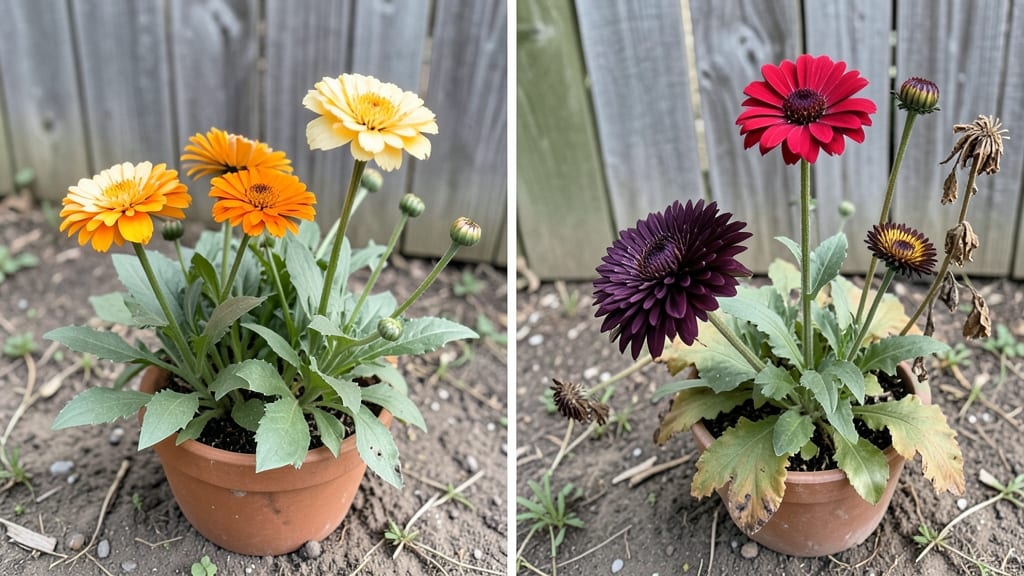
Follow this month-by-month flower planting guide to transform your garden into a vibrant, year-round display instead of a fleeting seasonal burst.
I’ve been using this approach for five years, and the difference between a garden that fades after summer and one that blooms from spring to frost is night and day.
The key isn’t just picking flowers—it’s understanding when they thrive, what they need, and how to layer them so your yard never looks bare.
Start with your local frost dates as your guide. In most temperate zones, March is for bulbs and early perennials like daffodils and crocuses, while May brings heat-loving annuals like zinnias and marigolds. Southern Hemisphere gardeners simply flip the calendar—what we plant in June, they plant in December.
The real magic happens when you pair flowers with their ideal planting window, so they bloom in sequence rather than all at once.
By following this schedule, you’ll end up with a garden that’s always in bloom, from the delicate petals of early spring tulips to the bold, late-summer dahlias. You’ll also cut down on maintenance—no more deadheading wilted flowers or weeding around plants that never got a fair chance.
The payoff? A garden that feels like it’s always in its prime, no matter the season.
This guide works for containers, borders, and full sun or partial shade—just adjust the flower choices to match your light conditions. Whether you’re in Zone 5 or Zone 9, the principles stay the same. Let’s get those blooms on a schedule that works for you.
📚 In This Guide
- What you need
- Instructions
- Tips and common mistakes
- Wrapping up and next steps
What you need
- ● Gardening gloves – 1 pair (water-resistant, breathable fabric for comfort)
- ● Hand trowel – 1 (5-7 inch stainless steel or durable plastic)
- ● Garden fork – 1 (heavy-duty, 12-18 inch for digging)
- ● Pruning shears – 1 (bypass-type for clean cuts)
- ● Watering can or hose – 1 (with adjustable nozzle for precision)
- ● Mulch – 2-3 bags (organic like shredded bark or inorganic like gravel)
- ● Compost or fertilizer – 1-2 bags (balanced 10-10-10 or organic options like worm castings)
- ● Seedlings or seeds – Varies by month/region (check your zone’s planting calendar!)
- ● Plant markers – 10-20 (biodegradable labels or stakes for tracking)
- ● Knee pad or cushion – 1 (for comfort during long planting sessions)
- ● Wheelbarrow – 1 (for hauling soil, mulch, or tools)
- ● Soil tester kit – 1 (to check pH and nutrient levels)
- ● Shade cloth or row covers – 1-2 rolls (for protecting young plants)
- ● Drip irrigation system – 1 (for efficient watering)
- ● Sun hat & sunscreen – 1 each (because gardening is outdoor fun!)
Instructions: month-by-month planting schedule for year-round blooms
Here's the seasonal roadmap I use to keep my garden bursting with color—no matter where you live.
🌱 Step 1: Early Spring (March-April) – Cool-Season Starters
Start with hardy annuals and perennials that tolerate cooler temperatures. In USDA Zones 3-7, plant pansies, violas, and snapdragons directly outdoors once nighttime temperatures stay above 35°F. These tough little flowers handle light frosts and bloom for weeks.
For Zones 8-10, focus on cool-season favorites like sweet peas and larkspur. Sow seeds directly into the garden after the last frost date, which typically falls between mid-March and early April. Water gently but thoroughly to settle the soil around seeds—don't let the surface dry out during germination.
Here's the thing—if your area still experiences frost, wait until two weeks after your average last frost date. Check your local extension service for precise timing. Mulch lightly with 2-3 inches of straw after planting to protect emerging seedlings from temperature swings.
☀️ Step 2: Late Spring (May-June) – Heat-Loving Annuals and Transplants
Now's the time for sun-loving annuals like zinnias, marigolds, and petunias. Start with transplants if your growing season is short—these give you an instant burst of color. Plant after soil warms to at least 60°F, usually by mid-May in most regions. Dig holes slightly deeper than the root ball to encourage strong root growth.
Direct-sow heat-loving seeds like sunflowers and cosmos when soil reaches 65°F. These thrive in full sun and tolerate dry spells once established. Water deeply once a week after planting to encourage deep root systems—shallow watering leads to weak stems that flop in summer heat.
Don't skip this: If you're transplanting, remove any flowers already present. You'll get more blooms later when the plant focuses on root establishment rather than flowering. Pinch back leggy growth to encourage bushier plants that produce more flowers.
🌿 Step 3: Summer (July-August) – Succession Planting and Maintenance
Keep the blooms coming by succession planting fast-growing annuals like cosmos and zinnias every 2-3 weeks through early July. These self-seed easily, so deadhead spent blooms to encourage more flowers and prevent unwanted seedlings next year.
For perennials, this is the time to divide overcrowded plants like daylilies and hostas. Dig up clumps in early summer, separate the roots, and replant sections with 6-8 inches between plants. Water thoroughly after transplanting to reduce shock—you'll see new growth within 10-14 days.
Watch for pests like aphids and Japanese beetles. A strong spray of water in the morning often dislodges them before they cause damage. For stubborn infestations, use neem oil—it's gentle on plants and effective against soft-bodied insects.
⏰ Step 4: Fall (September-October) – Late Bloomers and Winter Prep
Plant cool-season annuals like asters, chrysanthemums, and calendulas for late-season color. These handle autumn's chill and often bloom until the first hard frost. Sow seeds 6-8 weeks before your first expected frost date, which gives them time to establish before winter sets in.
For perennials, apply a 2-3 inch layer of compost around the base to nourish roots for next year. Cut back dead foliage from perennials like coneflowers and black-eyed Susans, but leave seed heads on plants you want to naturalize—they provide winter interest and food for birds.
Mulch heavily with 4-6 inches of shredded leaves or straw to insulate roots from freezing temperatures. This protects tender perennials and gives you a head start in spring by warming the soil earlier.
✂️ Step 5: Winter (November-February) – Planning and Indoor Starts
Use this downtime to plan your layout. Sketch a rough design showing where each plant will go, considering mature sizes and sunlight requirements. Group plants with similar water needs together to simplify maintenance.
Start tender annuals like impatiens and geraniums indoors 8-10 weeks before your last frost date. Use a grow light if natural light is limited—these need 14-16 hours of light daily to prevent leggy growth. Keep soil consistently moist but not soggy during germination.
Prune roses and other woody perennials in late winter (just before buds swell). Remove any dead or crossing branches first, then shape the plant by cutting back to an outward-facing bud. This encourages strong new growth and better airflow to prevent disease.
Tips & tricks for perfect seasonal flower planting
Here's what I've learned over years of gardening—these tricks will help you avoid common pitfalls and get the most vibrant blooms from your seasonal planting.
Zone-Specific Timing: The 35°F nighttime temperature threshold in Step 1 is your green light for cool-season starters in Zones 3-7. For Zones 8-10, pay close attention to your last frost date—it varies dramatically by location. I always check my local extension service's frost calendar, which is more accurate than general guidelines. In my area (Zone 7), we've had late frosts as late as April 15, so I wait until April 30 to be safe.
Soil Temperature Matters: In Step 2, that 60°F soil temperature is crucial for heat-loving annuals. Use a soil thermometer to check—it's more reliable than guessing. If your soil runs cooler, consider using black plastic mulch a week before planting to warm it up faster. I've found that even a 5°F difference can delay germination by a week or more for seeds like cosmos.
Succession Planting Strategy: The 2-3 week interval in Step 3 works best for fast growers like zinnias and cosmos. I mark my calendar with planting dates and set reminders—this ensures continuous blooms through summer. For slower growers like sunflowers, you can stretch this to 3-4 weeks without sacrificing too much bloom time. Just adjust based on your local growing season length.
Winter Planning Shortcut: Use free garden planning apps to sketch your layout during winter (Step 5). I love using SketchUp Free's garden design templates—it helps visualize plant sizes and sunlight patterns before you dig a single hole. This saves me from costly mistakes like planting shade-loving flowers in sunny spots.
Pro Tips for Month By Month Flower Planting Guide
- Here's what I've learned over years of gardening—these tricks will help you avoid common pitfalls and get the most vibrant blooms from your seasonal planting.
- Zone-Specific Timing: The 35°F nighttime temperature threshold in Step 1 is your green light for cool-season starters in Zones 3-7.
- Soil Temperature Matters: In Step 2, that 60°F soil temperature is crucial for heat-loving annuals.
Frequently asked questions
Got questions about timing, care, or troubleshooting your flower garden? Here’s what you need to know to keep your blooms thriving all year round!
Can I plant flowers year-round, or should I wait for a specific season?
Most flowers thrive when planted during their natural growing season—spring or fall—but some, like pansies or snapdragons, can handle cooler weather. Check your USDA Hardiness Zone and flower type for exact timing. Pro tip: Avoid planting in extreme heat or frost, as young roots struggle to establish.
What’s the best way to prepare soil for winter planting?
For winter planting (like snowdrops or winter aconites), focus on drainage and organic matter. Mix compost into the soil, and avoid working it when wet. Mulch lightly after planting to insulate roots. Skip heavy fertilizers—roots need to rest, not feed, in cold months.
My flowers aren’t blooming—what’s wrong?
Common culprits: over-fertilizing (leads to leafy growth, not flowers), poor sunlight, or stress (like drought or pests). Deadhead spent blooms, ensure 6+ hours of sun daily, and check for pests. Try this: Move suspect plants to a sunnier spot for 2 weeks to test.
Are there low-maintenance flowers for beginners?
Start with zinnias, marigolds, or black-eyed Susans—they’re drought-tolerant, pest-resistant, and bloom prolifically. Lavender and sedum also thrive with minimal fuss. Bonus: These attract pollinators, so your garden gets a double benefit!
How do I extend my blooming season?
Stagger plantings every 2–3 weeks (e.g., petunias in May, June, and July) and deadhead regularly. For fall, try mums or aster—they love cooler temps. Pro move: Use slow-release fertilizer to keep flowers fed without overpowering roots.
Wrapping up and next steps
From cool-season blooms in early spring to hardy perennials in fall, this month-by-month guide has given you the confidence to plant with purpose—no matter your climate! 🌸 Whether you’re a first-time gardener or a seasoned green thumb, every seed sown today is a future burst of color and life.
The key? Start small, observe your local microclimate, and let nature guide your rhythm.
Ready to transform your space? Your next step? Pick one month’s plan to try this season—grab your gloves, sketch a quick layout, and watch your garden bloom with intention. Need inspiration? Browse our seasonal plant pairings to mix textures, heights, and fragrances like a pro! 🌿