
Flowers
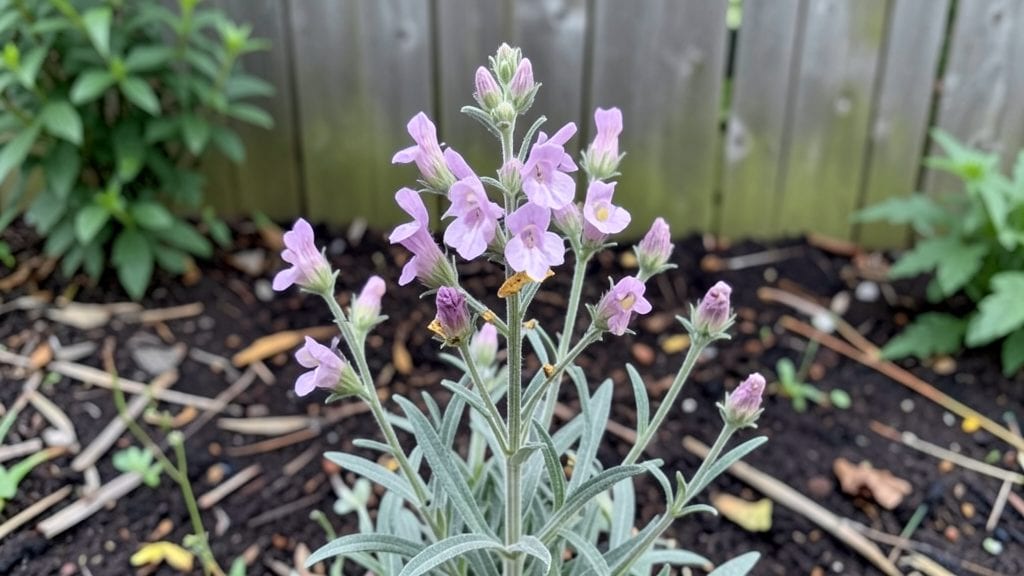
There's nothing quite like the fragrant, moonlit charm of Matthiola incana blooms lighting up your garden at dusk. 🌙 I fell for these flowers after my first whiff of their sweet, intoxicating scent—like a midnight garden party in every bloom.
The secret to growing them successfully lies in their love for cool weather and well-drained soil, which makes them perfect for early spring or fall planting.
These cold-hardy annuals thrive in partial shade to full sun, making them ideal for borders, containers, or even cut flower arrangements. Start seeds indoors 6-8 weeks before your last frost, or plant transplants directly into the garden once temperatures dip below 75°F.
The key is patience—seeds can take 10-14 days to germinate, but once they do, you’ll be rewarded with lush, fragrant foliage and clusters of delicate blooms.
With just a little care, you’ll enjoy months of blooms—from late spring through summer—with their signature vanilla, honey, or spicy fragrance. Prune spent flowers to encourage more blooms, and watch as your garden transforms into a scented sanctuary that hummingbirds and butterflies can’t resist.
The best part? They’re beginner-friendly and forgiving, even if you’re not a seasoned gardener.
Whether you’re adding them to a cottage garden, a balcony planter, or a cut flower bouquet, Matthiola incana brings effortless elegance to any space. Ready to grow your own fragrant masterpiece? Let’s get started!
📚 In This Guide
- What you need
- Instructions
- Tips and common mistakes
- Wrapping up and next steps
What you need
- ● Seeds: High-quality Matthiola incana seeds (choose a variety like ‘Moonlight’ or ‘Perfume Delight’ for fragrant blooms). Quantity: ~50-100 seeds (adjust based on desired plant count).
- ● Growing Containers or Garden Bed: Containers: 6-inch pots or trays with drainage holes (Quantity: 1 per plant or shared trays for seedlings).
- ● Garden Soil: Well-draining, slightly alkaline soil (pH 6.5–7.5). Amend with compost for fertility.
- ● Grow Lights or Sunlight: 6–8 hours of direct sunlight daily (or a grow light for indoor starts).
- ● Watering Can or Spray Bottle: For gentle, consistent moisture (avoid soggy soil!).
- ● Fertilizer: Balanced, water-soluble fertilizer (e.g., 10-10-10) or slow-release granules.
- ● Hand Trowel or Transplant Spade: For sowing seeds or repotting.
- ● Pruning Shears: To deadhead spent blooms and encourage regrowth.
- ○ Glove (Optional): Protects hands from prickly seed pods.
- ○ Cold Frame or Greenhouse (Optional): Extends the growing season in colder climates.
How to grow Matthiola incana for stunning fragrant blooms
Here's the straightforward approach I use to coax these cold-hardy annuals into producing their signature moonlight-scented flowers.
🌱 Step 1: Choose the Right Location and Prepare the Soil
Matthiola incana thrives in full sun to partial shade, with at least 6 hours of direct sunlight daily. I always pick a spot sheltered from strong afternoon winds, which can damage the delicate stems. The soil should be well-draining—these plants despise soggy roots—and slightly alkaline with a pH between 6.7 and 7.3.
Before planting, mix in 2-3 inches of compost to enrich the soil without compacting it. Work it into the top 6 inches of soil, breaking up any clumps. A light application of bone meal fertilizer (about 1 tablespoon per plant) provides phosphorus for strong root development. You'll see the difference in root vigor when seedlings establish themselves.
🌱 Step 2: Start Seeds Indoors 8-10 Weeks Before Last Frost
Matthiola incana seeds germinate best at 60-65°F, so I start them indoors under grow lights. Fill seed trays with a sterile seed-starting mix, moisten it until damp but not soggy, then press seeds ¼ inch deep—any deeper delays germination. I like to plant 2-3 seeds per cell to ensure at least one strong seedling per spot.
Cover the trays with plastic wrap to retain moisture and place them in a warm, dark spot until germination, which typically occurs in 7-14 days. Once sprouts emerge, remove the plastic and move them to a bright location. Thin to the strongest seedling per cell after 2-3 weeks, when they develop their first true leaves. This prevents overcrowding and ensures robust growth.
☀️ Step 3: Harden Off and Transplant Seedlings
About 10-14 days before your last frost date, begin hardening off seedlings by placing them outdoors in a sheltered spot for 1-2 hours daily. Gradually increase exposure over 7-10 days, ending with full sun conditions. This acclimates them to outdoor temperatures and prevents transplant shock.
Transplant seedlings into the garden after all danger of frost has passed, spacing them 10-12 inches apart in rows 12-18 inches apart. Dig holes slightly deeper than the root ball to encourage strong root establishment. Water deeply after planting to settle the soil and remove any remaining plastic pots if you used biodegradable containers. You'll know they're settling in when new growth appears within 7-10 days.
💧 Step 4: Water and Fertilize for Continuous Blooms
Keep the soil consistently moist but never waterlogged—matthiola incana has shallow roots and benefits from 1 inch of water per week. Water at the base of plants in the morning to allow foliage to dry, reducing disease risk. Mulch with 1-2 inches of organic mulch to retain moisture and suppress weeds, but keep it 2 inches away from stems to prevent rot.
Feed plants lightly with a balanced 10-10-10 fertilizer every 4-6 weeks during the growing season. Too much nitrogen promotes leafy growth at the expense of flowers, so I use half-strength fertilizer to encourage blooming. Deadhead spent flowers promptly to redirect energy into new buds—you'll see a second flush of blooms within 3-4 weeks if you stay on top of this.
✂️ Step 5: Maintain and Extend the Blooming Season
Prune leggy stems back by ⅓ to encourage bushier growth and more flowers. I always use clean, sharp scissors to make cuts just above a leaf node. This not only shapes the plant but also stimulates lateral branching, which produces more blooms. Regular pruning keeps plants compact and prevents them from becoming top-heavy in windy conditions.
To extend the blooming season, cut back plants by half their height after the first flush of flowers fades. This rejuvenates the plant and often triggers a second round of blooms. In cooler climates, matthiola incana may self-seed prolifically—simply thin excess seedlings in early spring to avoid overcrowding. With proper care, these fragrant beauties can bloom from early summer until the first hard frost.
Tips & tricks for perfect Matthiola incana flower growth
These practical insights will help you coax the most fragrant, vibrant blooms from your matthiola incana plants with minimal effort.
Soil pH Precision: While the instructions specify a pH range of 6.7-7.3, I recommend testing your soil before planting. If your soil is naturally acidic, mix in 1 tablespoon of garden lime per square foot and work it into the top 6 inches. The slight alkalinity is crucial for preventing chlorosis (yellowing leaves) and encouraging those signature moonlight-scented blooms.
Seed Starting Hack: For the 60-65°F germination temperature, place your seed trays on top of your refrigerator (not inside) for consistent warmth. I've found this creates a perfect microclimate without needing a heat mat. Once sprouts emerge, move them to a sunny windowsill or under grow lights for 12-14 hours daily to prevent leggy seedlings.
Transplant Timing Secret: When hardening off seedlings, I gradually increase exposure by moving them to progressively sunnier spots each day. Start with morning sun only, then add afternoon sun over 3-4 days. This mimics natural conditions and prevents transplant shock. The 10-14 day hardening period is non-negotiable—rushing this step often results in wilting or stunted growth after transplanting.
Fertilizer Strategy: The half-strength 10-10-10 fertilizer recommendation is spot-on, but I've found that switching to a 5-10-10 fertilizer (higher phosphorus) after the first flush of blooms encourages even more flowers. Too much nitrogen at any stage will give you lush foliage but few blooms—the exact opposite of what we want from these fragrant beauties.
Pro Tips for Matthiola Incana Flower
- These practical insights will help you coax the most fragrant, vibrant blooms from your matthiola incana plants with minimal effort.
- Soil pH Precision: While the instructions specify a pH range of 6.7-7.3, I recommend testing your soil before planting.
- Seed Starting Hack: For the 60-65°F germination temperature, place your seed trays on top of your refrigerator (not inside) for consistent warmth.
Frequently asked questions
Got questions about growing Matthiola incana flowers? You're not alone!
Here are some of the most common queries—and their answers—to help you cultivate these fragrant, moonlit blooms with confidence.
How long does it take for Matthiola incana to bloom after planting seeds?
With proper care, Matthiola incana seeds typically sprout in 7–14 days and produce flowers 8–12 weeks later. For faster blooms, opt for young plants from nurseries—just ensure they’re hardened off before transplanting! Cold frames or row covers can also speed up growth in cooler climates. Pro tip: Deadhead spent blooms to encourage continuous flowering.
Can Matthiola incana survive frost, or do I need to protect it?
This cold-hardy annual tolerates light frosts (down to 20–25°F / -6 to -4°C) but may suffer damage in prolonged freezes. For extra protection, mulch the base with straw or use frost cloth in winter. In zones below 6, treat it as a tender annual—plant after the last frost and enjoy its fragrance until fall!
What’s the best way to keep Matthiola incana blooming all season?
To extend flowering, deadhead regularly (remove faded blooms) and fertilize lightly with a balanced, water-soluble fertilizer every 3–4 weeks. Ensure well-draining soil and full sun (6+ hours/day). Water at the base (avoid wetting leaves) to prevent fungal issues like powdery mildew. Bonus: Interplant with Lavender or Thyme to repel pests naturally!
Can I grow Matthiola incana in containers, or does it need a garden bed?
Matthiola incana thrives in containers 12+ inches deep with drainage holes. Use a lightweight potting mix and pair it with dwarf varieties (like ‘Moonlight’). Place pots in full sun and water consistently—containers dry out faster than garden beds. Pro move: Add a time-release fertilizer at planting for steady nutrition.
Why are my Matthiola incana leaves turning yellow or dropping?
Yellowing leaves often signal overwatering or poor drainage. Ensure soil is moist but not soggy—these flowers prefer dry conditions between waterings. Check for pests like aphids (use neem oil if spotted) or fungal diseases (improve airflow). If leaves drop suddenly, it may be heat stress—provide afternoon shade in extreme heat.
Are there any fragrant alternatives to Matthiola incana?
If you love Matthiola incana’s scent, try these fragrant, cold-tolerant alternatives:
- Sweet Alyssum (Lobularia maritima) – Tiny white/purple blooms, honeybee magnet.
- Stock (Matthiola longipetala) – Classic perfume plant, taller spikes.
- Dianthus (Dianthus barbatus) – Clove-scented, great for borders.
- Lavender (Lavandula) – Drought-tolerant, calming aroma.
Wrapping up and next steps
Growing Matthiola incana—the fragrant, moonflower—is a rewarding journey that brings delicate blooms and a heavenly scent to your garden.
With its cold-hardy nature and low-maintenance care, this annual is perfect for both novice and experienced gardeners eager to add a touch of elegance. Now that you’re armed with the right tips, why not plant a few seeds this season and enjoy the magic of these enchanting flowers?
Ready to dive in? Start by choosing your preferred variety—whether for cut flowers, borders, or containers—and gather your supplies. Happy gardening! 🌸✨