Flowers
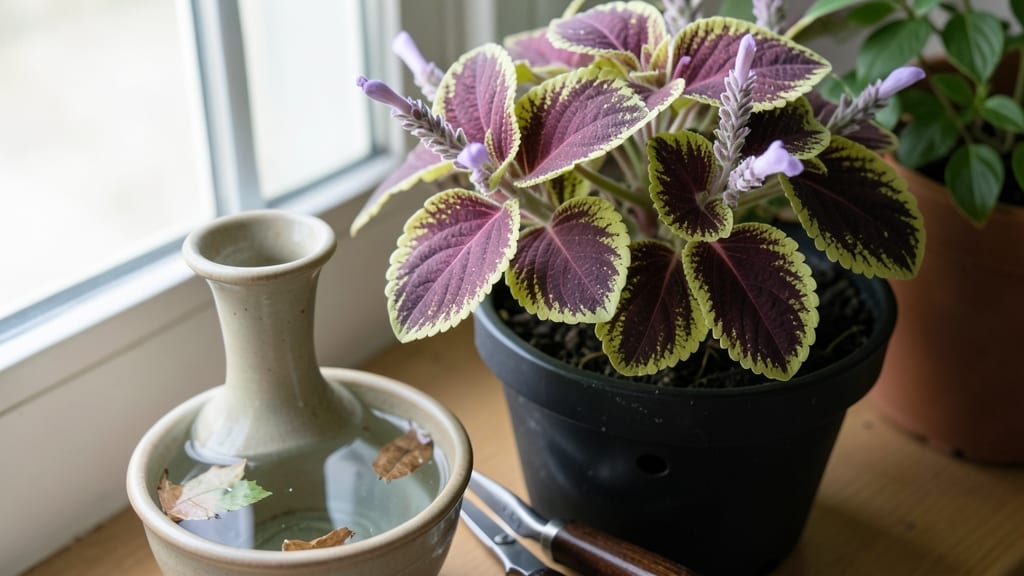
Coleus in flower arrangements turns ordinary bouquets into bold, eye-catching statements that last longer than most blooms. 🌿 I’ve used it to transform weddings, dinner tables, and even office desks—its velvety leaves hold color like no other foliage, and the contrast with delicate flowers creates drama.
The secret isn’t just pairing colors; it’s about texture and balance, letting coleus anchor the arrangement while flowers take center stage.
You don’t need fancy tools—just sharp scissors, a clean vase, and a mix of sunlight and shade-loving coleus varieties. Start with 3-5 stems per arrangement, cutting at an angle for better water uptake.
For longevity, trim stems underwater and change the water every 2-3 days to prevent bacterial growth. Pair deep burgundy coleus with white roses or chartreuse varieties with hydrangeas for a modern, natural look.
The payoff is instant: arrangements stay vibrant for 2-3 weeks, far outlasting most cut flowers. The foliage’s rich hues—from fire-engine red to mint green—add depth without overwhelming the blooms.
Whether you’re designing a bridal bouquet or a weekend centerpiece, coleus brings that wow factor without the high price tag of exotic flowers.
Works for every occasion—weddings, holiday tables, or just brightening up a dull corner. The best part? You can grow your own coleus year-round in containers, ensuring a steady supply of fresh, pesticide-free foliage. Let’s get creative with color and texture!
📚 In This Guide
- What you need
- Instructions
- Tips and common mistakes
- Wrapping up and next steps
What you need
- ● Coleus plants: 3–5 mature coleus stems (choose varieties with vibrant, contrasting foliage like Coleus scutellarioides or Plectranthus coleoides). Opt for stems with at least 3–4 healthy leaves per cutting.
- ● Floral preservative: 1 packet or bottle (e.g., Floralife or Smart-Flowers) to extend freshness.
- ● Floral foam or chicken wire: Enough to secure stems in your arrangement (foam for lightweight designs, wire for heavier or mixed-media pieces).
- ● Scissors or floral shears: Sharp, clean pair to trim stems at a 45° angle.
- ● Container: A vase, bucket, or creative vessel (e.g., mason jars, ceramic pots, or even repurposed tin cans) with a diameter to fit your design.
- ● Water: Fresh, room-temperature water to fill the container.
- ○ Support structures (optional but helpful): Floral tape or wire for reinforcing stems.
- ● Toothpicks or small skewers to secure foliage in place.
- ● Complementary flowers: Small blooms like statice, baby’s breath, or solidago to add height and texture.
- ● Dried elements: Eucalyptus, dried grasses, or seed pods for a rustic or boho vibe.
- ● Decorative accents: Ribbon, lace, or painted stones to elevate the presentation.
- ● Color coordination tools: A color wheel or mood board to pair coleus shades with other foliage.
Step-by-Step instructions for designing coleus-centric flower arrangements
Here’s how to make coleus the star of your arrangements—where bold foliage takes center stage.
🌿 Step 1: Select and Prep Coleus Stems
Choose coleus stems with vibrant, undamaged leaves and no flower buds—these will steal focus from your blooms. Cut stems at a 45-degree angle just below a leaf node using sharp scissors. This angle increases water absorption and prevents air pockets that can block nutrient flow.
Strip the lower leaves from each stem, leaving only the top 3-4 inches of foliage exposed. This creates a clean base for your arrangement and prevents rot in the water. I like to work with stems 12-18 inches long—long enough to reach the back of the container but not so long they flop over later.
☀️ Step 2: Choose a Container and Hydration System
Pick a container that complements your coleus’s colors—ceramic or glass works best for showcasing the foliage. Ensure it has a wide enough opening to accommodate stems without crowding, which can lead to mold. For arrangements lasting 7-10 days, use 1 quart of fresh water per 4 stems to prevent bacterial growth.
Add 1 teaspoon of floral preservative (or a pinch of bleach for sterilization) to the water. This extends freshness by slowing bacterial and fungal growth. Place a small piece of floral foam in the container, soak it thoroughly, and let excess water drain before inserting stems. This keeps the base stable and prevents soggy soil contact.
🎨 Step 3: Layer Coleus and Flowers for Depth
Start by placing the tallest coleus stems in the center of the foam, fanning them outward to create a natural, full base. Add medium-height stems next, weaving them around the center pieces to fill gaps. This ensures your coleus dominates the arrangement while still allowing blooms to peek through.
Fill remaining spaces with smaller coleus stems and complementary flowers. I like to tuck blooms like statice, snapdragons, or dusty miller behind the coleus leaves to let the foliage shine. Avoid overcrowding—stems should be tight enough to look full but loose enough to breathe. Trim any stems that feel wobbly to maintain structural integrity.
💧 Step 4: Secure and Hydrate for Longevity
Once all stems are in place, gently press them into the foam to secure them without bending. Trim any stems that still feel unstable to 6-8 inches—this prevents them from flopping later. Place the arrangement in a cool, shaded spot for 24 hours before displaying. This helps the stems absorb water and reduces stress from handling.
Change the water every 3-4 days and trim stems by ½ inch at the base each time. This keeps the cuts fresh and maximizes water uptake. For extra longevity, mist the foliage lightly with room-temperature water every 2 days to combat dryness. Your coleus arrangement should stay vibrant for 10-14 days with proper care.
⏰ Step 5: Maintain and Refresh as Needed
Watch for wilting leaves or yellowing edges—these are signs the arrangement needs water or a trim. If stems start to sag, recut them at a 45-degree angle and place them in fresh water immediately. Coleus thrives on bright, indirect light, so avoid placing arrangements in direct sunlight, which can scorch the leaves.
To refresh an arrangement, remove any wilted stems and add new ones to the foam. Replace the water entirely and add a fresh preservative. With this care, your coleus-centric designs will stay lush and eye-catching for weeks, proving foliage can be just as dramatic as blooms.
Tips & tricks for perfect coleus-centric arrangements
These little-known details will help you create arrangements where coleus truly shines—without the common pitfalls that ruin the effect.
Stem Prep Secret: When cutting coleus stems at a 45-degree angle in Step 1, make sure to do it just below a leaf node. This isn't just about water absorption—it's also about encouraging new growth later if you want to propagate your plants. I've found that stems cut this way last 2-3 days longer in arrangements than those cut straight across.
Foam Placement Trick: In Step 2, don't just place the floral foam in the container and call it good. Press it firmly against the sides of the container first—this creates hidden pockets that hold more water, which is especially important when working with the 1 quart per 4 stems ratio. The extra water capacity means you won't need to refresh as often between the 3-4 day changes.
Layering Strategy: For Step 3's depth effect, think of your arrangement like a forest canopy. Place your tallest coleus stems in the center (like towering trees), then weave medium stems around them (like the understory), and finally fill gaps with smaller stems and flowers (like ground cover). This creates that magical "wild garden" look where every leaf gets noticed. The 6-8 inch trim mentioned for unstable stems actually works perfectly for these ground-level positions.
Lighting Consideration: After your 24-hour resting period in Step 4, pay attention to where you place your arrangement. Coleus leaves can develop sunburn spots if exposed to direct sunlight for more than a few hours. I keep mine near east-facing windows where they get bright but indirect light all day. This lighting strategy helps maintain that vibrant color for the full 10-14 days lifespan.
Pro Tips for Coleus In Flower Arrangements
- These little-known details will help you create arrangements where coleus truly shines—without the common pitfalls th...
- Stem Prep Secret: When cutting coleus stems at a 45-degree angle in Step 1, make sure to do it just below a leaf node...
- Foam Placement Trick: In Step 2, don't just place the floral foam in the container and call it good. Press it firmly ...
Frequently asked questions
Got questions about adding coleus to your floral designs? You’re not alone! Here are answers to the most common queries—from care tips to creative swaps—so you can confidently incorporate this showstopper into your arrangements.
How long will coleus last in a flower arrangement?
With proper care, coleus can last 2–3 weeks in a bouquet! Keep stems fresh by trimming ends at an angle, changing the water every 2–3 days, and storing arrangements away from direct sunlight or drafts. For longer life, add a drop of bleach or floral preservative to the water.
Can I use dried coleus in arrangements?
While coleus isn’t traditionally dried like flowers, you can preserve its leaves by pressing them between heavy books or using silica gel for a papery texture. These dried leaves work beautifully in winter arrangements or as decorative accents—just avoid wilted stems in water-based designs.
What’s the best way to cut coleus stems for arrangements?
Use sharp shears to cut stems at a 45-degree angle (about 2–3 inches from the base). Remove lower leaves to prevent bacterial growth in water. For extra longevity, strip stems and soak them in warm water for 10–15 minutes before arranging—this rehydrates the foliage!
Are there coleus varieties that work better for arrangements?
Look for compact, bushy varieties like 'Wagon Wheel' or 'Black Dragon', which hold their shape well. Avoid overly leggy types—opt for those with bold, contrasting patterns (e.g., pink/red with deep green) for maximum visual impact. Pro tip: Mix coleus with textural flowers like asters or eucalyptus for depth!
Why is my coleus wilting faster than other flowers?
Coleus wilts quickly if stems are crushed or left out of water too long. Check for blocked stems (re-cut if needed) and ensure the vase has enough water. Also, avoid placing arrangements near heat sources (like radiators) or under direct sunlight, which accelerates drying. A spritz of water on leaves can temporarily revive droopy foliage!
What’s a good alternative if I can’t find coleus?
Try these foliage swaps for similar texture and color:
- Sweet potato vine (trailing, vibrant hues)
- Caladium (heart-shaped leaves, tropical vibes)
- Hosta (large, lush leaves for dramatic arrangements)
- Pothos (hardy, variegated, and long-lasting)
Wrapping up and next steps
Incorporating coleus in flower arrangements is a game-changer for adding bold color and texture—no blooms required! 🌿 Whether you're a seasoned florist or a DIY enthusiast, these versatile plants bring drama, depth, and year-round appeal to any bouquet or centerpiece.
Their vibrant hues and striking patterns make them perfect for stealing the show in any design.
Ready to elevate your next arrangement? Grab a few coleus leaves, experiment with textures, and let your creativity bloom! 🌸 Start small—try a single stem or mix them into an existing bouquet—and watch your designs transform. Happy arranging!