
Flowers
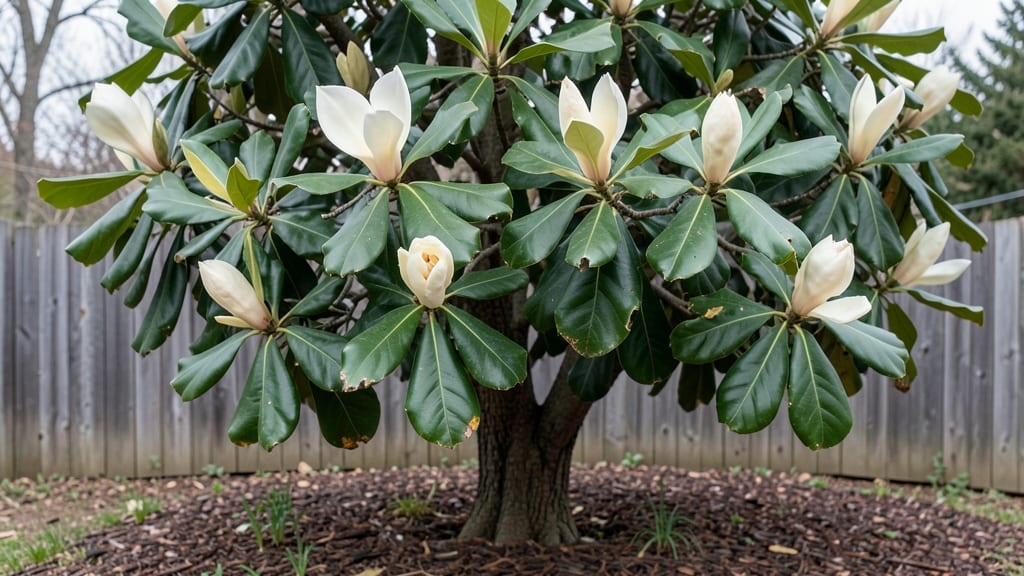
Growing magnolia macrophylla in the Pacific Northwest means you’re cultivating one of nature’s most dramatic blooms—those giant, creamy-white flowers that smell like honey and sunshine. 🌸 I’ve watched mine push through the damp spring soil here, unfazed by our chilly winters, and learned exactly how to coax them into thriving despite the frost risks.
The secret starts with moist, well-draining soil rich in organic matter—think forest floor conditions. These magnolias love morning sun and afternoon shade, especially in hotter summers, and they’ll reward you with 3-foot-wide blooms that outshine anything at the nursery.
Watering is simple: keep the roots consistently moist but never soggy, and mulch heavily to protect those shallow roots from winter’s freeze-thaw cycles.
By late spring, you’ll see those iconic flowers emerge—each one a statement piece that lasts for weeks. Pruning is minimal: just remove dead wood in early spring and shape lightly after blooming to keep the tree’s majestic form.
The real magic happens when you understand their frost tolerance tricks, like wrapping young trees in burlap or choosing a sheltered planting spot.
Whether you’re starting from a bare-root sapling or a container-grown tree, these care essentials will give you a magnolia that outlasts the seasons. The payoff? A garden centerpiece that turns heads—and fills the air with that intoxicating fragrance—year after year.
📚 In This Guide
- What you need
- Instructions
- Tips and common mistakes
- Wrapping up and next steps
What you need
- ○ Magnolia macrophylla: 1–3 bare-root saplings (3–5 ft tall, 1–2 inches caliper) or container-grown plants (5-gallon pots). Optional: Seeds (fresh or stratified for 60–90 days).
- ● Certified disease-free stock for best results.
- ● Planting site: Full sun to partial shade (6+ hours sunlight daily).
- ● Well-draining, slightly acidic soil (pH 5.0–6.0). Amend with: 3–5 gallons of peat moss or pine bark fines per planting hole.
- ● 1–2 cups of slow-release fertilizer (10-10-10 or 8-3-9 blend).
- ● Mulch: 2–3 inches of wood chips or pine straw (keep 6 inches away from trunk).
- ● Digging tools: 1 shovel or spade (for planting holes).
- ● 1 garden trowel (for transplanting seedlings).
- ● Soil prep: 1 garden fork or broadfork (to loosen soil).
- ○ 1 pH testing kit (optional but recommended).
- ● Watering: 1 hose with adjustable nozzle or watering can (3+ gallons capacity).
- ● 1 soaker hose (for deep watering).
- ● Protective gear: 1 pair gloves (gardening or work gloves).
- ● 1 knee pad (for comfort).
- ● Frost protection: 1–2 burlap sacks or frost cloth (for young plants in early spring/fall).
- ○ Anti-desiccant spray (optional, for winter drought prevention).
- ● Local climate notes: Verify USDA Hardiness Zones 5–8 compatibility for your region.
- ● Check microclimate (e.g., sheltered from wind/late frosts).
- ● 🌡️ Timing: Plant bare-root saplings in early spring (March–April) or container-grown plants in fall (September–October).
- ● ✨ Soil test: If your soil isn’t acidic, add sulfur (1 lb per 100 sq ft) 2–3 months before planting.
- ● 🔥 Watering: Keep soil consistently moist (not soggy) for the first 2 years.
Step-by-Step instructions for planting and caring for Magnolia macrophylla
Here’s the straightforward approach I’ve used to establish thriving Magnolia macrophylla in the Pacific Northwest’s challenging climate—where winter hardiness and proper siting make all the difference.
🌱 Step 1: Select the Perfect Planting Site
Choose a location with partial shade—at least 4-6 hours of morning sun and afternoon shade to protect the delicate blooms from late-season heat. In the PNW’s cooler microclimates, a north- or east-facing spot works best. The soil should drain well but retain moisture; clay-loam mixes are ideal, but avoid soggy ground where roots rot.
Dig a hole twice as wide as the root ball but only as deep—planting too deep suffocates roots. Loosen the sides of the hole with your hands or a trowel to encourage root spread. If your soil is heavy, mix in 2-3 inches of compost into the bottom third of the hole to improve aeration.
☀️ Step 2: Plant and Mulch for Winter Protection
Remove the plant from its container and gently tease apart any circling roots. Position it so the top of the root ball sits 1 inch above ground level—this prevents waterlogging during winter rains. Backfill with native soil, pressing lightly to eliminate air pockets but not compacting.
Water deeply to settle the soil, then apply 3-4 inches of organic mulch (wood chips or shredded bark) around the base, keeping it 6 inches away from the trunk. This insulates roots from PNW’s fluctuating winter temps (down to 10°F) while suppressing weeds. Replenish mulch annually in early spring.
💧 Step 3: Water Strategically for Establishment
Water twice weekly for the first month, then taper to once every 10-14 days once leaves appear—Magnolia macrophylla is drought-tolerant once established but needs consistent moisture to root in. Check soil moisture by probing 2 inches deep; if dry, water slowly until it drains through.
Deep watering (not frequent light sprinkles) encourages roots to grow downward. Avoid overhead watering after planting—direct streams can displace soil and expose roots. Instead, use a soaker hose or drip irrigation at the base.
✂️ Step 4: Prune for Health and Bloom Optimization
Prune immediately after flowering (late spring) to shape the tree and remove any dead or crossing branches. Use clean, sharp pruners to make cuts just above a bud or branch collar. Never prune in fall—this stimulates new growth that won’t harden off before winter.
Thin out crowded branches to improve airflow, which reduces fungal risks like anthracnose (common in PNW’s damp summers). Limit pruning to no more than 25% of the canopy per year; heavy cuts stress the tree and delay blooming.
⏰ Step 5: Monitor for PNW-Specific Challenges
Watch for late frost damage—young flowers are vulnerable until mid-May in most of the PNW. If frost is forecasted, drape frost cloth over the tree or use a hair dryer on low to warm buds. Avoid chemical sprays; Magnolia macrophylla blooms are sensitive to residues.
Yellowing leaves in summer often signal iron deficiency—common in alkaline PNW soils. Apply chelated iron in early spring if foliage turns pale yellow between veins. Over time, the tree’s deep roots will access nutrients better, but young plants need a boost.
Tips & tricks for perfect Magnolia macrophylla flower care
These essential strategies will help you navigate the unique challenges of growing this stunning tree in the Pacific Northwest's unpredictable climate.
Soil Preparation Insight: Before planting, conduct a simple soil test to check pH levels—Magnolia macrophylla thrives in slightly acidic to neutral soil (pH 5.5-7.0). If your PNW soil tests alkaline, amend with 2-3 inches of peat moss mixed into the bottom of the planting hole. This mimics the tree's native conditions and prevents nutrient deficiencies that cause yellowing leaves. The compost you add in Step 1 will also help balance pH over time, but don't skip the initial test.
Winter Protection Strategy: The 3-4 inches of organic mulch mentioned in Step 2 is non-negotiable for PNW winters. For added insurance against temperature swings down to 10°F, consider wrapping the trunk with burlap or tree wrap during the coldest months. This creates a microclimate that protects against frost cracks and temperature fluctuations that can stress the bark. I've seen trees survive -5°F with this extra protection—though they'll still appreciate the morning sun you're providing.
Watering Technique: When establishing your tree, use the "finger test" for soil moisture at 2 inches deep—this is more reliable than guessing. In the PNW's damp summers, you might find you need watering less frequently than the 10-14 day guideline suggests. The key is to water deeply but infrequently to encourage deep root growth. If you notice leaves curling at the edges, that's your signal to water more frequently rather than waiting for the schedule.
Pruning Timing: The late spring pruning window in Step 4 is critical—wait until after flowering but before new growth hardens off. I've found that pruning just as the first new leaves begin to unfurl gives you the best balance between encouraging new growth and maintaining the tree's energy for blooming. And remember, those 25% canopy limits aren't just arbitrary—they help prevent stress that could delay your tree's spectacular flower displays for years.
Pro Tips for Magnolia Macrophylla Flower
- These essential strategies will help you navigate the unique challenges of growing this stunning tree in the Pacific Northwest's unpredictable climate.
- Soil Preparation Insight: Before planting, conduct a simple soil test to check pH levels—Magnolia macrophylla thrives in slightly acidic to neutral soil (pH 5.5-7.0).
- Winter Protection Strategy: The 3-4 inches of organic mulch mentioned in Step 2 is non-negotiable for PNW winters.
Frequently asked questions
Got questions about growing Magnolia macrophylla? You’re not alone! Here are some of the most common queries—plus straightforward answers to help you nurture these stunning giants with confidence.
How cold-hardy is Magnolia macrophylla, really?
Magnolia macrophylla thrives in USDA Zones 5-8, making it a standout for the Pacific Northwest’s chilly winters. While young plants may need winter protection (like burlap wraps), mature specimens handle frost beautifully—just avoid late spring frosts, which can damage tender new growth.
How fast does this magnolia grow, and when will it flower?
Expect slow but steady growth: 12–24 inches per year under ideal conditions. Patience is key—Magnolia macrophylla typically flowers after 5–10 years, but the wait is worth it for those fragrant, 12-inch-wide blooms! Pro tip: Rich, acidic soil and consistent moisture speed up the process.
Why are my leaves yellowing or dropping?
Yellow leaves often signal overwatering, poor drainage, or nutrient deficiencies. Check the soil—it should stay evenly moist but not soggy. If leaves curl or drop, your magnolia might be stressed by heat or pests (like scale insects). Prune affected branches and adjust care to revive it.
Can I grow Magnolia macrophylla in a container?
While possible, it’s not ideal—this magnolia’s massive roots (up to 10 feet deep!) need space. If you must pot it, use a huge container (minimum 30-gallon), well-draining soil, and repot every 2–3 years. Outdoor containers work best in mild climates. For most, planting in the ground is the happy medium.
What’s the best companion plant for Magnolia macrophylla?
Pair it with shade-tolerant perennials like Hosta, Ferns, or Rhododendrons to mimic its understory habitat. Avoid competitive plants—stick to moisture-loving, low-maintenance friends. Bonus: Mulch with pine needles to keep soil acidic!
Wrapping up and next steps
The Magnolia macrophylla is a stunning, frost-resistant gem perfect for Pacific Northwest gardens, offering fragrant blooms and lush foliage that bring joy for years. With the right care—well-draining soil, partial shade, and patience—you’ll nurture a thriving tree that rewards you with breathtaking spring displays. 🌸
Ready to grow your own? Start by choosing a healthy sapling or seedling from a trusted nursery, then mark your calendar for spring planting to give it the best head start. Happy gardening—your future magnolia awaits! 🌱