Size
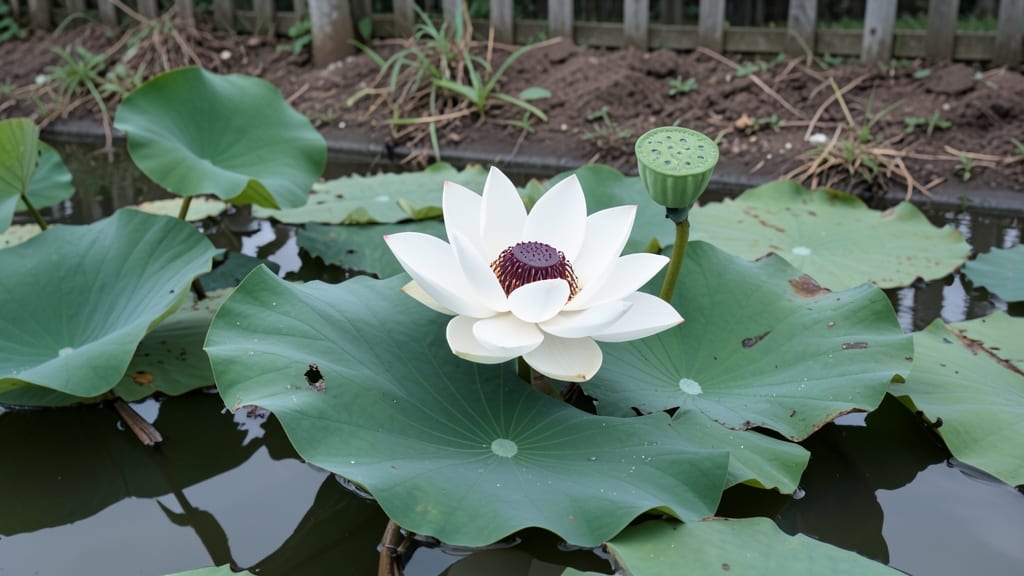
Growing lotus flowers in your garden is like inviting a slice of the Nile to your backyard—those velvety pink blooms rise from the water like nature’s own fireworks. 🌸 I’ve grown them in ponds as small as 3 feet across, and the secret isn’t just the water depth or sunlight, but the quiet patience of letting the rhizomes settle before they explode into growth.
Most gardeners assume lotuses demand a tropical climate, but hardy varieties like Nelumbo lutea (the yellow lotus) thrive in zones 4-9 with the right care.
The real magic happens in the setup: 6-12 inches of still water (no waves or strong currents), full sun for 6+ hours daily, and rich, slightly mucky soil at the pond’s edge.
You’ll need a container or pre-dug hole for the rhizomes, planted 2-3 inches deep with the crown just above the waterline. The first year is all about establishing roots—think of it as planting a slow-burning ember that’ll burst into flame by summer’s end.
By mid-July, you’ll watch buds unfurl into blooms that last 3-5 days, their petals opening like a slow-motion dance at dawn. The fragrance? A mix of honey and wet earth, stronger on humid mornings.
Prune spent blooms to encourage more flowers, and in fall, drain the pond slightly to protect rhizomes from freezing—though hardy lotuses can survive winter with a 2-inch mulch layer over the soil.
Pair them with water lilies for contrast, or edge the pond with irises and cattails for a natural look. The key to avoiding pests is clean water—add a few goldfish to snack on mosquito larvae, and you’ve got a self-regulating ecosystem.
Even in cooler climates, lotuses reward persistence with blooms that make every summer feel like a vacation.
📚 In This Guide
- What you need
- Instructions
- Tips and common mistakes
- Wrapping up and next steps
What you need
- ● Lotus tubers (rhizomes): 5–10 healthy, firm rhizomes (size: 2–4 inches long). Choose Nelumbo nucifera (Asian lotus) or Nelumbo lutea (American lotus) for best results.
- ● Large container or pond: For containers: 12–18" deep, 24" diameter minimum (e.g., half-barrel, ceramic pot with drainage holes).
- ● For ponds: 18" minimum depth (lotuses need water!).
- ● Pond soil or aquatic substrate: 2–3 bags (6–8 cubic feet total). Use clay or loam soil for ponds; a mix of garden soil + perlite (1:1 ratio) for containers.
- ● Water source: Dechlorinated water (use a water conditioner like Seachem Prime) or rainwater. Aim for 12–18" of water depth.
- ● Fertilizer: Slow-release aquatic fertilizer (e.g., Miracle-Gro Shake ’n Feed for aquatic plants).
- ● OR organic options: Fish emulsion (1 tbsp/month) or compost tea.
- ● Sunlight access: 6+ hours of direct sunlight daily (south-facing spot ideal).
- ● Garden trowel or shovel (for planting rhizomes).
- ● Gravel or small rocks (1–2 bags, 5–10 lbs each) for pond drainage/weight.
- ○ Water testing kit (optional but helpful to monitor pH 6.0–7.5 and nutrients).
- ○ Floating plants (optional): Water hyacinth or duckweed to reduce algae and provide shade for baby lotuses.
- ● Pond net or mesh (to protect blooms from pests like dragonflies).
- ○ Water pump (optional): For oxygenation if growing in still water.
Step-by-step guide to establishing a lotus flower garden
Here’s how I create a thriving lotus garden—even in cooler climates—using proven techniques for water depth, sunlight, and seasonal care.
🪴 Step 1: Select the Perfect Water Feature
Lotus plants need at least 18 inches of water depth to support their rhizomes and roots. I use a pre-formed pond liner (minimum 4-foot diameter) or a large, sturdy container with drainage holes covered by mesh. The container must hold at least 5 gallons of water per plant—more if you’re planting multiple lotuses.
Position your water feature in full sun (6+ hours daily) with no afternoon shade. If your climate has cooler summers, choose Hardy Water Lilies (like Nelumbo nucifera) or Miniature Lotus varieties—they tolerate temperatures down to 50°F. Avoid shallow pools; lotus roots need depth to anchor and prevent floating.
🌱 Step 2: Plant Rhizomes at the Right Depth and Time
Plant rhizomes in early spring (after the last frost) or late summer when water temperatures are 70°F+. Place each rhizome 1–2 inches below the soil surface, with the bud end (small bump) facing upward. Space plants 18–24 inches apart—crowding leads to weak blooms and disease.
Use aquatic plant soil or a mix of 60% pond mud and 40% compost for nutrient-rich planting. Cover rhizomes with 2–3 inches of soil to prevent them from floating. If your pond has fish, add a barrier cloth temporarily to protect young plants from nibbling.
☀️ Step 3: Maintain Water Quality and Sunlight
Lotus plants require crystal-clear water—cloudy water from algae or debris smothers roots. I add a small solar-powered fountain to circulate water and prevent stagnation. Test water weekly for pH (ideal range: 6.0–7.5) and add barley straw (natural algae inhibitor) if needed.
During cool summers, supplement with a submersible heater (set to 65°F minimum) to encourage blooming. If your lotus leaves turn yellow, it’s a sign of nutrient deficiency—add slow-release aquatic fertilizer in spring and early summer. Prune dead leaves below the waterline to keep the plant tidy and disease-free.
✂️ Step 4: Winterize for Cooler Climates
In Zone 5–7, lotus rhizomes need winter protection. After the first frost, trim all foliage to 2 inches above the rhizome. If your pond freezes, insulate with a thick layer of straw or bubble wrap over the water surface. In Zone 8+, lotuses can overwinter in the pond if left undisturbed.
If you live in Zone 4 or colder, dig up rhizomes in fall, store them in moist peat moss in a cool (40–50°F), dark place, and replant in late spring. Never let rhizomes dry out—wilting kills them. Hardy varieties like Nelumbo lutea (yellow lotus) survive winters better than tropical types.
🌿 Step 5: Encourage Blooms with Strategic Care
Lotus plants bloom best with consistent sunlight and warmth. If your lotus isn’t flowering, check these three things:
- water depth (too shallow = no blooms),
- sunlight (must be direct and unfiltered), and
- fertilizer (use low-phosphorus aquatic plant food in spring). Over-fertilizing leads to lush leaves but fewer flowers.
Once buds form, do not disturb the plant—even gentle touch can cause buds to drop. If your lotus blooms early but fades quickly, it’s too cold. Move the container to a warmer, sunnier spot or use a pond heater to extend the blooming season. A single lotus can produce dozens of flowers per season with proper care.
Tips & tricks for perfect lotus flower garden establishment
Creating a thriving lotus garden in cooler climates takes some strategic planning—and these insider tips will help you avoid common pitfalls while maximizing your chances of stunning blooms.
The Depth Factor: When selecting your water feature, remember that 18 inches of water depth is non-negotiable for lotus rhizomes. If you're using containers, calculate at least 5 gallons per plant—this ensures proper root development. I've seen many gardeners underestimate this, leading to weak plants that struggle to bloom. For larger ponds, consider adding a submerged shelf at 12 inches depth where you can plant additional rhizomes.
Rhizome Orientation: Here's what nobody tells you—the bud end (that small bump on the rhizome) must face upward when planting. I learned this the hard way after watching several plants fail to sprout. Planting with the bud end down can prevent germination entirely. Also, burying rhizomes 1-2 inches below soil with 2-3 inches of soil cover creates the perfect balance between stability and access to sunlight.
Water Temperature Matters: In cooler climates, maintaining water temperatures above 70°F is crucial for active growth. If your summer temperatures frequently dip below this, consider adding a submersible heater set to 65°F minimum—this small investment can mean the difference between vibrant blooms and struggling plants. I've found that even a 10°F difference can significantly impact flowering potential during marginal seasons.
Winter Protection: For Zone 5-7 gardeners, the 2-inch foliage trim after first frost is essential, but don't stop there. I've had the best success by adding an extra layer of pond insulation foam under the straw or bubble wrap. This creates a more stable temperature buffer during freeze-thaw cycles. In Zone 4, storing rhizomes in moist (not wet) peat moss at 40-50°F is critical—drying them out completely will kill them.
Pro Tips for Lotus Flower Grow A Garden
- Creating a thriving lotus garden in cooler climates takes some strategic planning—and these insider tips will help you avoid common pitfalls while maximizing your chances of stunning blooms.
- The Depth Factor: When selecting your water feature, remember that 18 inches of water depth is non-negotiable for lotus rhizomes.
- Rhizome Orientation: Here's what nobody tells you—the bud end (that small bump on the rhizome) must face upward when planting.
Frequently asked questions
Got questions about growing lotus flowers in your garden?
You’re not alone! Here are answers to the most common concerns—from planting to troubleshooting—so you can cultivate these stunning blooms with confidence.
Can lotus flowers grow in cool climates like mine?
While lotuses thrive in warm climates, hardy varieties (like Nelumbo lutea) tolerate cooler temps down to USDA Zone 4. For colder regions, grow them in containers and overwinter them indoors or in a greenhouse. Just ensure they get full sun (6+ hours/day) and warm water to mimic their natural habitat.
How long does it take for a lotus to bloom after planting?
Patience is key! Lotus tubers planted in spring typically bloom in 3–5 months, while those planted in summer may take until the following year. First-year plants focus on root growth, so don’t be discouraged if flowers don’t appear immediately. With proper care, you’ll see those iconic blooms by mid-to-late summer.
Why aren’t my lotus leaves or flowers opening?
Common culprits include insufficient sunlight, cold water, or nutrient deficiencies. Check these fixes:
- Sunlight: Move to a sunnier spot (lotuses need direct light).
- Water: Keep water warm (70–85°F) and stagnant (they thrive in still ponds!).
- Fertilizer: Use a balanced aquatic fertilizer (like 10-10-10) every 4–6 weeks.
- Pests: Snails or insects can damage leaves—remove them manually or use barrier treatments.
Can I grow lotuses in a small garden or just a pot?
Yes! Lotuses adapt well to containers, making them perfect for patios, balconies, or small ponds. Use a wide, shallow pot (12"+ diameter) with drainage holes and 3–5 gallons of water per tuber. For dwarf varieties (like Nelumbo ‘Texas Dawn’), even a 5-gallon bucket works. Just ensure the pot can’t tip over!
What’s a low-maintenance alternative if lotuses seem too tricky?
If lotuses feel high-maintenance, try these easy aquatic plants with similar beauty:
All are beginner-friendly and add drama to water gardens!
Wrapping up and next steps
Growing lotus flowers in your garden is a rewarding journey that blends patience, care, and a touch of tropical magic—even in cooler climates! 🌸 With the right soil, sunlight, and a little creativity (like using containers or greenhouses), you can cultivate these stunning blooms and transform your space into a serene oasis.
Whether you’re drawn to their symbolic beauty or simply love the challenge, every step brings you closer to a garden that feels like a hidden paradise.
Ready to dive in? Start by sketching your garden layout or browsing local nurseries for hardy varieties. Then, roll up your sleeves—your future lotus haven awaits! 🌱