Flowers
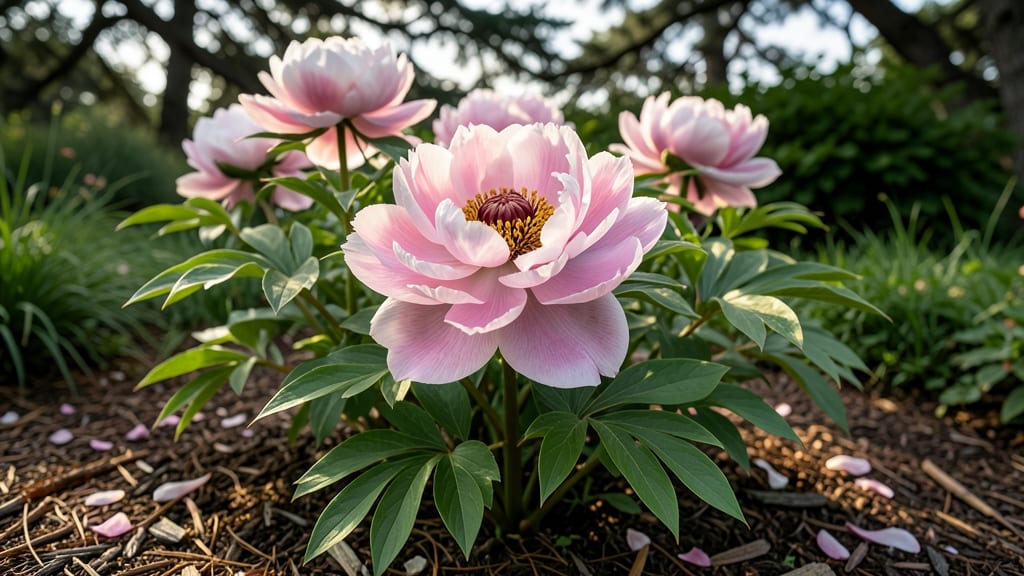
Growing a giant peony flower means transforming your garden into a fragrant, velvety masterpiece with just a few strategic cuts each year. 🌸 I’ll never forget the first time I saw my first giant peony bloom—it was the size of a dinner plate, and the scent lingered for days.
These beauties thrive in cold climates, which makes them perfect for gardeners in zones 3-8 who want drama without fuss.
The secret to their massive blooms starts with well-draining soil rich in organic matter—think compost mixed into the top 12 inches of planting area. Giant peonies need full sun (6+ hours daily) and consistent moisture, especially during their first two growing seasons.
Unlike fussy flowers, they reward patience with blooms that last for weeks, and the roots actually get stronger every year.
Pruning is where the magic happens—and it’s simpler than you’d think. Cut back the foliage in late fall or early spring, leaving just a few inches of stem. This minimal approach encourages next year’s blooms to grow larger, not smaller.
By summer’s end, you’ll have stems thick as your wrist, ready to burst into those iconic, lush blooms.
They’re also surprisingly low-maintenance: deer usually avoid them, and pests rarely bother plants this hardy. The only real challenge? Waiting—giant peonies take 2-3 years to reach their full potential, but once they do, they’ll be the star of your garden for decades. Ready to plant the seeds of beauty?
📚 In This Guide
- What you need
- Instructions
- Tips and common mistakes
- Wrapping up and next steps
What you need
- ● Peony roots: Choose Paeonia lactiflora or Paeonia suffruticosa (tree peonies) from a reputable nursery. Aim for 1-2 healthy root crowns (3-4 eyes per crown) for optimal blooms.
- ● Well-draining soil: Mix 50% garden soil, 30% compost, and 20% coarse sand or perlite to prevent root rot.
- ● Fertilizer: Bone meal (5-10-0):** 1 cup per planting hole (rich in phosphorus for root development).
- ● Balanced 10-10-10 fertilizer: 2 tbsp per plant annually (spring or early fall).
- ● Mulch: 3-4 inches of organic mulch (straw, wood chips, or shredded leaves) to retain moisture and regulate temperature.
- ● Garden trowel or spade (for digging planting holes).
- ● Pruning shears (sterilized with rubbing alcohol).
- ● Garden gloves (to protect hands from thorns and soil).
- ● Watering can or hose with a gentle spray nozzle (peonies hate soggy roots!).
- ○ pH testing kit (optional but helpful—ideal soil pH: 6.0-7.0).
- ● Sunlight: Full sun (6-8 hours daily)—partial shade (morning sun) works in hot climates.
- ● Climate: Hardy in USDA Zones 3-8 (cold-hardy but hates humidity).
- ● Spacing: Plant roots 3-4 feet apart (they spread over time!).
- ● Patience: Giant peonies take 2-3 years to bloom fully after planting.
How to grow cold-resistant giant peonies with minimal effort
These hardy beauties thrive with just a few key steps—no fuss, no fussing.
🌱 Step 1: Choose the Right Location and Plant in Early Fall
Giant peonies need full sun—at least 6-8 hours daily—to produce their massive blooms. I always pick the sunniest spot in my yard because peonies won’t tolerate shade. The roots establish best when planted in early fall, about 6-8 weeks before the first frost. This gives them time to settle before winter dormancy.
Dig a hole twice as wide as the root ball but only 2 inches deeper than the roots. Peonies hate being planted too deep—they’ll never bloom if buried too far. Loosen the roots gently if they’re tightly bound, then place the plant so the eyes (buds) sit just 1-2 inches below soil level. This ensures strong stems and abundant flowers.
☀️ Step 2: Amend Soil for Drainage and Fertility
Peonies thrive in well-draining, slightly alkaline soil with a pH of 6.5-7.5. If your soil is heavy clay, mix in 2-3 inches of compost or organic matter to improve drainage. I avoid fresh manure—it can burn the roots. For extra insurance, add a 5-10-10 fertilizer at planting time, following package rates, to give them a nutrient boost.
Don’t overdo it with fertilizer, though. Peonies are heavy feeders but don’t need much once established. Over-fertilizing leads to lush foliage but fewer blooms. Water deeply after planting to settle the soil, then let it dry slightly before watering again. You’ll see new growth in spring, signaling the roots have taken hold.
✂️ Step 3: Prune Only When Necessary—Late Winter or Early Spring
Here’s the thing—peonies don’t need much pruning. The only time I cut them back is in late winter or early spring, just as new shoots begin to emerge. Remove dead or diseased stems first, then trim the remaining foliage back to 2-3 inches above the ground. This keeps the plant tidy and prevents pests from hiding in old growth.
Never cut back peonies in fall—it can damage the buds for next year’s blooms. And avoid heavy pruning mid-season, even if the plant looks messy. Peonies store energy in their roots, and pruning too late can weaken them. You’ll know you’ve pruned at the right time when new shoots appear within 2-3 weeks of your cut.
💧 Step 4: Water Deeply and Mulch for Winter Protection
Water peonies deeply once a week during their first growing season to encourage strong root growth. After that, they’re drought-tolerant but still need 1 inch of water weekly during dry spells. I water at the base, avoiding the foliage to prevent fungal diseases. You’ll know they’re getting enough water when the soil feels moist 2-3 inches down but not soggy.
In fall, apply a 3-4 inch layer of mulch around the base to insulate the roots. I use straw or shredded leaves because they break down slowly and improve soil structure. This protects the peonies from freezing temperatures and keeps the soil from heaving in winter. Remove the mulch in early spring once new growth appears—it’s time to let the soil warm up.
🌿 Step 5: Enjoy the Blooms and Divide Every 5-7 Years
Peonies bloom in late spring to early summer, and their flowers last 1-2 weeks per stem. To encourage more blooms, deadhead spent flowers by cutting the stem back to the first set of leaves. This redirects energy to next year’s buds. Avoid cutting the stems back to the ground—it can harm the plant.
Every 5-7 years, divide peonies in early fall to keep them healthy. Dig up the clump, separate the roots into sections with 3-5 eyes each, and replant immediately. This prevents overcrowding and ensures bigger, stronger blooms. You’ll know a division is ready when the center of the plant stops flowering—it’s a sign the roots are too crowded.
Tips & tricks for perfect giant peony flower growth
Here's what nobody tells you about growing these stunning, low-maintenance perennials—tricks that'll make all the difference for those showstopping blooms.
Location is Everything: That 6-8 hours of full sun in Step 1 is non-negotiable. I've seen peonies struggle in partial shade—even just 2 hours less sunlight can drastically reduce bloom size. If your yard doesn't have a perfect sunny spot, consider using reflective surfaces like light-colored walls or gravel to bounce extra light onto the plants.
Planting Depth Matters More Than You Think: In Step 1, those 1-2 inches for eye placement are critical—any deeper and your peonies might never bloom. I always double-check by using a ruler to measure from the soil surface to the eyes after planting. If you're unsure, it's better to plant slightly shallower than too deep.
Soil Test Before Amending: When amending soil in Step 2, test your soil's pH first. If it's already in the ideal 6.5-7.5 range, you might not need to adjust it. I've seen gardeners over-correct by adding too much lime, which can actually harm the roots. A simple home test kit is all you need to avoid this common mistake.
Watering Wisdom: That weekly 1-inch watering guideline in Step 4 is perfect for most climates, but adjust for your local conditions. In hot, dry summers, you might need to water every 5-6 days instead. The key is keeping that 2-3 inches of soil moist—not soggy. I use a rain gauge to track exactly how much water my peonies are getting.
Pro Tips for Giant Peony Flower
- Here's what nobody tells you about growing these stunning, low-maintenance perennials—tricks that'll make all the dif...
- Location is Everything: That 6-8 hours of full sun in Step 1 is non-negotiable. I've seen peonies struggle in partial...
- Planting Depth Matters More Than You Think: In Step 1, those 1-2 inches for eye placement are critical—any deeper and...
Frequently asked questions
Got questions about growing giant peony flowers? You’re not alone! Here are answers to the most common queries—from planting to blooming troubleshooting.
When is the best time to plant giant peony tubers?
Plant them in early fall (4–6 weeks before the ground freezes) for the best root establishment. If you miss that window, spring planting works too—just ensure the soil is workable and not soggy. Pro tip: Avoid planting in summer heat, as tubers can rot!
How cold-hardy are giant peonies, and do they need winter protection?
Most giant peonies thrive in USDA Zones 3–8 and handle winter well, but heavy snow or icy winds can damage buds. Mulch with 2–3 inches of straw or leaves after the ground freezes to insulate roots. Avoid piles of snow on stems—gently brush it off to prevent breakage.
Do giant peonies need heavy pruning, and when should I cut back dead blooms?
No heavy pruning! Cut back foliage in late fall or early spring (after new growth appears) to tidy up. Remove spent blooms by trimming stems to the first set of leaves—but never prune more than ⅓ of the plant. Over-pruning reduces next year’s flowers!
Why aren’t my giant peonies blooming, even though they look healthy?
Common culprits:
- Too much shade—they need 6+ hours of sunlight daily.
- Over-fertilizing (especially nitrogen) boosts leaves but stunts blooms.
- Young plants (3–5 years) may still be establishing roots.
- Dormancy issues—ensure they get a full winter chill (below 40°F/4°C).
Can I grow giant peonies in containers, or do they need garden beds?
While possible in containers, they’re not ideal—their massive roots need deep, well-draining soil. If container-growing, use a 15+ gallon pot with a mix of garden soil, compost, and sand. Move pots to a sheltered spot in winter. Warning: Container peonies often bloom less vigorously than in-ground plants.
Wrapping up and next steps
The giant peony flower is a stunning, low-maintenance addition to any garden, offering bold blooms and resilience in colder climates. With the right soil, sunlight, and minimal pruning, you can enjoy their lush beauty for years—even decades! 🌸
Now that you’re armed with the essentials, why not take the next step? Start by selecting your favorite peony variety, prepare your garden bed, and plant with confidence. Watch as these cold-hardy beauties reward you with vibrant, fragrant blooms season after season!