
Light Requirements
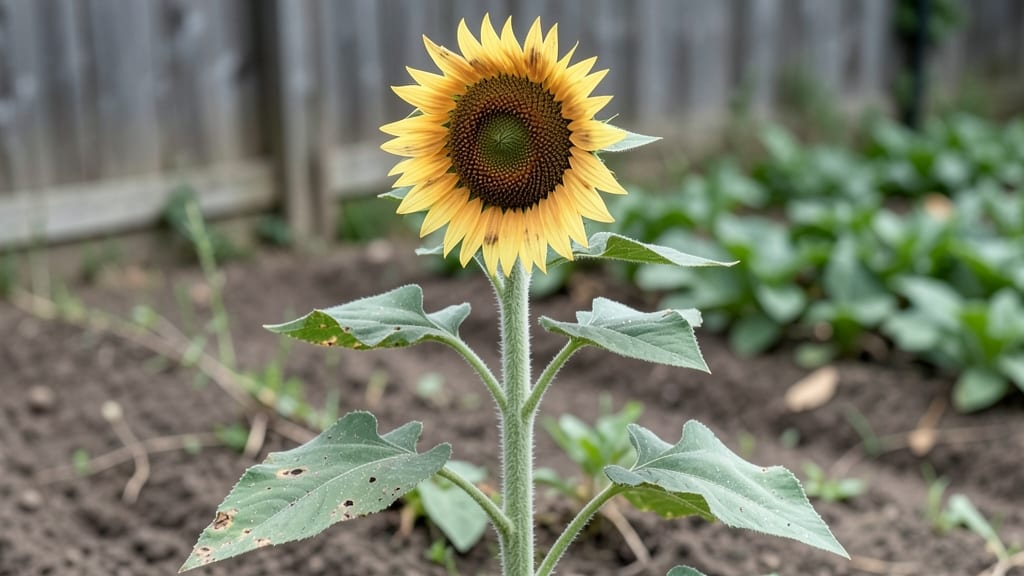
Light yellow sunflowers stand out like a sunbeam in the Pacific Northwest's often gloomy skies—towering, cheerful, and tough enough to handle early frosts. 🌻 I fell for them the first time I saw one in a coastal garden, its golden petals glowing against the misty backdrop.
Unlike their deep-red cousins, these sunflowers thrive in cooler climates, blooming reliably even when summer feels reluctant.
These sunflowers aren’t just frost-resistant; they’re showstoppers in any garden design. Pair them with deep purples like salvia or dusty blues like delphiniums for a striking contrast, or let them stand alone as dramatic focal points.
Their light hue also works beautifully in cottage gardens, where they soften the look of traditional blooms like peonies or lavender.
You’ll love how they attract pollinators—bees and butterflies adore their nectar—while adding height and movement to your space. Their seed heads, once dried, make stunning winter arrangements or rustic decor. The best part? They grow easily from seed, reaching heights of 6 to 8 feet without fuss.
For maximum impact, plant them in clusters of three or more, or mix them with shorter perennials to create layered displays. In the PNW, they’re a game-changer for adding warmth and joy to any garden, no matter the weather.
📚 In This Guide
- What you need
- Instructions
- Tips and common mistakes
- Wrapping up and next steps
What you need
- ● Sunflower seeds: Choose a light yellow variety like 'Pacific Giant' or 'Autumn Beauty' (5–10 seeds per plant, or a packet of 50–100 for multiple plants).
- ● Well-draining potting soil: 1–2 bags (10–20 lbs each) of organic, peat-free mix (e.g., FoxFarm Ocean Forest or Black Gold Natural & Organic).
- ● Containers or garden bed: For containers: 5–10 gallon pots (1 per plant) with drainage holes.
- ● For in-ground: Full-sun spot (6+ hours/day) with loose, fertile soil (amend with compost if needed).
- ● Fertilizer: Balanced organic fertilizer (e.g., 10-10-10 or fish emulsion) or slow-release granules.
- ● Watering can or hose: With a gentle spray nozzle for seedlings.
- ● Gloves: Gardening gloves to protect your hands.
- ● Trowel or transplanting tool: For planting seeds or moving seedlings.
- ○ Mulch (optional but recommended): Straw or wood chips to retain moisture and insulate roots (1–2 inches).
- ● Row cover or frost cloth (PNW-specific!): For early planting (late spring) to protect seedlings from late frosts.
- ○ Stakes or trellis (optional): Tall sunflowers may need support in windy PNW areas (3–4 ft stakes or a lightweight trellis).
Step-by-step instructions for growing light yellow sunflowers
Here's how to cultivate these striking sunflowers that thrive even in the Pacific Northwest's cooler climate.
🌱 Step 1: Choose the Right Location and Prepare the Soil
Light yellow sunflowers need full sun—at least 6-8 hours daily—so pick a south-facing spot where they'll get maximum light. In the Pacific Northwest, this might mean a sunny patch near your home or a raised bed that warms up faster. If your yard has limited sun, consider a large container where you can move the plant as needed.
Test your soil's drainage by digging a small hole and filling it with water. If it drains within 15-30 minutes, your soil is good. If it stays soggy, amend with 2-3 inches of compost or sand to improve drainage. These sunflowers tolerate poor soil but grow best in well-draining, slightly acidic to neutral soil with a pH between 6.0 and 7.0. A quick soil test kit makes this easy to check.
🌱 Step 2: Plant Seeds at the Correct Depth and Spacing
Direct-sow seeds ¼ inch deep in early spring, about 2 weeks after your last frost date. I like to plant them in clusters of 3-4 seeds spaced 12 inches apart—this creates a fuller, more dramatic display. If you're growing in containers, use 5-gallon pots for each cluster, ensuring they have drainage holes.
Water the soil gently before planting to help the seeds settle. After sowing, cover them lightly with soil and water again until the surface is moist. Keep the soil consistently moist but not waterlogged—water when the top inch feels dry. Germination typically takes 7-14 days, depending on soil temperature. If your spring is cool, consider using a seedling heat mat to speed up the process.
☀️ Step 3: Provide Support and Maintain Consistent Care
Light yellow sunflowers can grow 8-10 feet tall, so they need strong support to prevent toppling. Install sturdy stakes or a trellis near each plant as soon as they reach 12 inches tall. I use 3-foot bamboo stakes driven 6 inches into the ground and tie the stems loosely with soft garden twine. Avoid tying too tightly—you want the plant to grow, not strangle.
Fertilize lightly 4-6 weeks after planting with a balanced, slow-release fertilizer (like 10-10-10) to encourage strong stem development. Water deeply once a week, increasing to twice a week during dry spells. Watch for yellowing leaves—this often signals overwatering or nutrient deficiency. If the soil feels compacted, loosen it gently around the base to improve root health.
✂️ Step 4: Deadhead and Prepare for Frost
To encourage more blooms and prolong the flowering season, deadhead spent flowers by snipping off the faded blooms just above the next set of leaves. This redirects the plant's energy toward new growth rather than seed production. I do this every 2-3 weeks during the peak blooming season, which usually lasts 6-8 weeks for light yellow varieties.
Light yellow sunflowers are frost-tolerant, but their stems may weaken in prolonged cold. If frost is forecast, cut back the stems to 12 inches tall and mulch the base with 2-3 inches of straw or leaves. This protects the roots and allows the plant to regrow in spring. In mild climates, some sunflowers may even rebloom the following year from the same roots!
🌿 Step 5: Harvest Seeds and Enjoy the Display
If you want to save seeds for next year, leave 1-2 of the tallest, healthiest flowers on the plant until the back of the seed head turns brown and the seeds rattle when shaken. Cut the head off, place it in a paper bag, and let it dry indoors for 1-2 weeks. Then, rub the seeds out and store them in a cool, dry place for planting next spring.
For the best display, plant 4-6 sunflowers in a cluster to create a striking focal point in your garden. Their light yellow petals contrast beautifully with deep green foliage and add a cheerful touch to any landscape. With proper care, these sunflowers will reward you with towering beauty that stands out even in the Pacific Northwest's cooler, cloudier days.
Tips & tricks for growing light yellow sunflowers
These practical tips will help you coax the most dramatic blooms from your sunflowers, even in the Pacific Northwest's challenging climate.
Sunlight Strategy: While 6-8 hours of sun is ideal, these sunflowers can adapt to less light if you're in a particularly shady spot. If you're growing in containers, move them to catch the sun's path throughout the day—morning sun on the east side and afternoon sun on the west side can make a big difference. I've seen them thrive with just 4-5 hours of direct sun, though they'll be slightly shorter.
Soil Prep Secret: The 15-30 minute drainage test is your best friend—don't skip it! If your soil drains too quickly, mix in some peat moss to help retain moisture. For heavy clay soil, blend in 2-3 inches of compost with your existing soil before planting. I've found that amending with a bit of worm castings (about 1 cup per planting hole) gives an extra nutrient boost without overwhelming the young plants.
Planting Clusters: When planting those clusters of 3-4 seeds spaced 12 inches apart, consider adding a few extra seeds in each cluster—sunflowers have a high germination rate, and you can thin to the strongest plants once they're about 2 inches tall. This gives you a backup if some seeds don't sprout, which is especially helpful in cooler springs where germination can be slower.
Frost Protection Hack: For that 2-3 inch mulch layer before frost, I like to use straw because it breaks down slowly and adds organic matter to the soil. If you're in a particularly cold area, consider wrapping the stems with burlap or even old fabric to protect them from harsh winds. In my experience, these sunflowers can handle light frosts, but their stems need protection from prolonged freezing temperatures.
Pro Tips for Light Yellow Sunflower
- These practical tips will help you coax the most dramatic blooms from your sunflowers, even in the Pacific Northwest's challenging climate.
- Sunlight Strategy: While 6-8 hours of sun is ideal, these sunflowers can adapt to less light if you're in a particularly shady spot.
- Soil Prep Secret: The 15-30 minute drainage test is your best friend—don't skip it!
Frequently asked questions
about light yellow sunflowers—especially in the Pacific Northwest’s unique climate—can help you grow these stunning, frost-resistant beauties with confidence! Here are answers to the most common queries:Why do my light yellow sunflowers look pale or weak in the PNW?
Light yellow sunflowers need full sun (6+ hours daily) to maintain vibrant color and strength. In the PNW’s cloudy or rainy seasons, supplement with a grow light (12–14 hours/day) or choose a sunnier spot. Overcast days slow growth, but these sunflowers are hardy—just be patient!
Can light yellow sunflowers survive early frosts like the PNW’s?
These varieties are bred for frost resistance and can handle light freezes (down to 25°F/-4°C). For extra protection, mulch the base with straw or cover young plants with frost cloth. Just avoid planting too early—wait until soil temps hit 50°F (10°C) for best results.
What’s the best alternative if my soil is too acidic for sunflowers?
Light yellow sunflowers prefer neutral to slightly alkaline soil (pH 6.0–7.5). If your PNW soil is acidic (common in the region), amend it with lime (calcium carbonate) or wood ash before planting. Alternatively, grow in raised beds with potting mix blended for neutral pH.
How long do light yellow sunflowers take to bloom in the PNW’s short growing season?
From seed to bloom, expect 60–90 days, depending on variety and weather. Start seeds indoors 4–6 weeks before last frost (typically mid-April in the PNW) or direct-sow after soil warms. Late summer varieties may bloom into October, giving you extended color!
Do light yellow sunflowers attract pollinators like other sunflowers?
Yes! Their bright petals and high nectar content make them a magnet for bees, butterflies, and hummingbirds—just like classic sunflowers. The light yellow hue is especially eye-catching to pollinators. For extra buzz, plant near other pollinator-friendly flowers like coneflowers or lavender.
Can I save seeds from light yellow sunflowers for next year?
Let a few heads mature fully (brown and dry), then harvest seeds by rubbing the head over a bucket. Store them in a cool, dry place for up to 3 years. Pro tip: Label varieties—some may revert to darker hues over generations!
Wrapping up and next steps
The light yellow sunflower isn’t just a stunning addition to the Pacific Northwest—it’s a resilient, low-maintenance superstar that thrives where others falter. 🌻 With its frost resistance, towering height, and cheerful hue, it’s perfect for gardeners who crave beauty without the fuss.
Whether you’re a beginner or a seasoned pro, this sunflower is your ticket to effortless elegance.
Ready to grow your own? Start by picking your spot—partial shade or full sun—and grab those seeds! Plant them this season, and watch your garden transform into a sunlit sanctuary.