
Propagation
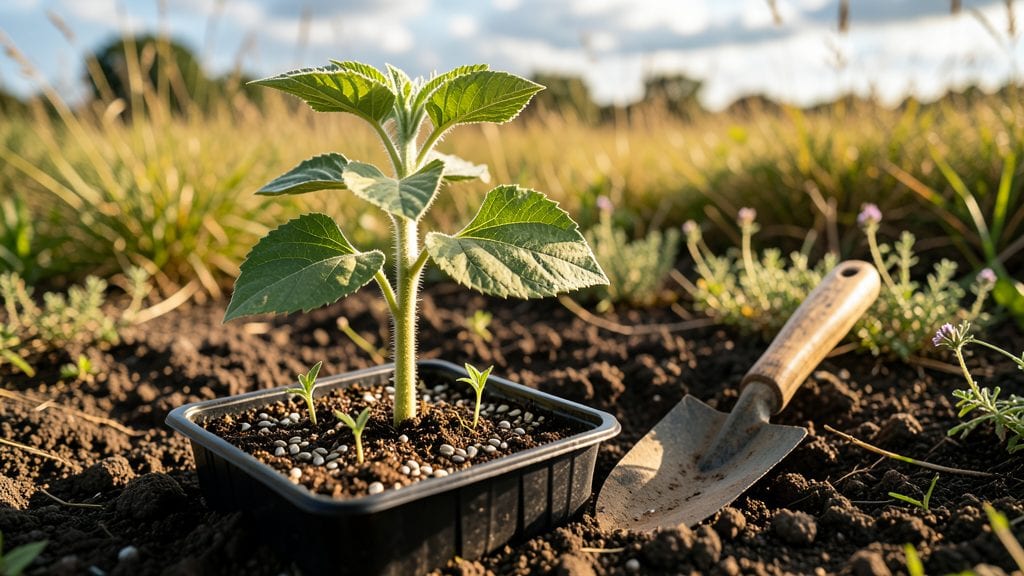
Starting sunflower seeds indoors gives you a head start on those 10-foot giants that’ll steal the show next summer. 🌻 I’ve learned that soaking seeds overnight isn’t just a trick—it cuts germination time in half, and my first batch of sprouts popped up in just three days instead of a week.
The key is patience and the right conditions, because sunflowers don’t forgive neglect like some finicky annuals.
You’ll need a shallow tray, well-draining potting mix, and a sunny windowsill or grow light. Plant seeds half an inch deep, water gently, and keep the soil consistently moist but never soggy.
Sunflowers love warmth—70°F or warmer is ideal for germination—and they’ll push through the soil faster than you’d expect once they get going. The first true leaves appear in about a week, and that’s when the real magic begins.
By the time you transplant them outdoors, you’ll have sturdy seedlings ready to handle real sunlight. The payoff? Sunflowers that tower over your fence, attract pollinators by the dozen, and give you edible seeds to boot.
Just be ready to stake them—they grow fast, and wind can knock them over before they even bloom. Here’s how to get them from seed to sky-high stems without a hitch.
This method works whether you’re starting them in February for early blooms or direct-sowing in spring. The same principles apply—just adjust timing for your climate.
Sunflowers are one of the most forgiving plants to grow from seed, but a little prep makes all the difference between scraggly stems and showstopping blooms.
📚 In This Guide
- What you need
- Instructions
- Tips and common mistakes
- Wrapping up and next steps
What you need
- ● Sunflower seeds: Choose heirloom or hybrid varieties (e.g., 'Mammoth' or 'Autumn Beauty'). Buy 5–10 seeds for a small garden or 20+ for larger patches.
- ● Containers: For soaking/sprouting: A shallow dish (like a pie tin) or small bowl.
- ● For germination: Paper towels or a damp cloth + a sealed plastic bag.
- ● For transplanting: Small pots (3–4 inches deep) or biodegradable seedling cups.
- ● Growing medium: For sprouting: No soil needed! Just water.
- ● For transplanting: Seed-starting mix (lightweight, sterile) or a blend of 50% potting soil + 50% perlite.
- ● Water: Room-temperature, filtered water (avoid chlorine).
- ● Sunlight: A sunny windowsill (6+ hours/day) or a grow light (12–16 hours/day).
- ● Spray bottle (for gentle watering).
- ● Heat mat (keeps soil warm for faster germination, 70–75°F ideal).
- ● Fertilizer: Balanced liquid fertilizer (e.g., 10-10-10) or compost tea once seedlings emerge.
- ● Plant labels (to track varieties).
- ● Gloves (if handling large quantities of seeds).
Step-by-step instructions for starting sunflower seeds indoors
Here's how I grow sunflower seedlings that reach 10+ feet tall—with fewer pests and stronger stems.
🌱 Step 1: Soak Seeds Overnight for Faster Germination
Place 4 sunflower seeds in a small bowl and cover them with warm water (about 75°F). Let them soak for 12 hours—this softens the tough outer shell and speeds up sprouting. You'll see the seeds plump up noticeably, which means they're ready to break through the soil faster.
After soaking, drain the water completely. Pat the seeds dry with a paper towel—this prevents mold from forming in the damp soil. I always test one seed by gently pressing it; if it feels firm but not hard, it's perfect for planting.
🪴 Step 2: Plant in Biodegradable Pots with Well-Draining Soil
Fill 4-inch biodegradable pots with seed-starting mix (not garden soil—it's too dense). Press the mix down lightly so the surface is firm but not compacted. Make a ½-inch deep hole with your finger—this is just deep enough to cradle the seed without burying it too far.
Drop one soaked seed into each hole and cover it with ¼ inch of soil. Gently water until the soil feels damp 1 inch down, but avoid soaking it. Overwatering at this stage can cause the seeds to rot before they sprout. Place the pots in a warm spot (70-75°F) where they won’t be disturbed.
💧 Step 3: Provide Warmth and Moisture Until Sprouts Emerge
Cover the pots with a clear plastic dome or plastic wrap to retain warmth and humidity. Sunflower seeds germinate best in consistent moisture—check daily and mist the soil if it feels dry at the surface. You’ll see tiny green sprouts in 7-10 days, but don’t remove the cover until all seeds have sprouted to prevent drying out.
Once sprouts appear, remove the cover immediately. Place the seedlings under a grow light (14-16 hours daily) to prevent leggy growth. If you notice stems stretching toward the light or turning pale, move the light closer—2-3 inches away is ideal. Strong seedlings will have thick stems and dark green leaves within 2 weeks.
✂️ Step 4: Thin and Harden Off Before Transplanting Outdoors
If more than one seedling emerges in a pot, snip the weakest one at the soil line with clean scissors. Keep the strongest seedling, which should have the thickest stem and most vibrant leaves. Water deeply every 2-3 days, letting the top ½ inch of soil dry between waterings to build root strength.
Two weeks before your last frost date, start hardening off the seedlings. Place them outside in a shaded, sheltered spot for 1 hour the first day, then gradually increase time and sun exposure over 7-10 days. Watch for wilting or yellowing leaves—if you see these signs, they’re not ready yet. Once they tolerate full sun for 6+ hours, they’re ready for the garden.
☀️ Step 5: Transplant and Support for Maximum Height
Dig a hole twice as wide as the root ball and place the seedling in so the soil line matches the pot’s edge. Firm the soil gently around the base and water deeply to settle it. Sunflowers need sturdy support—install a 5-foot stake or tomato cage right away to prevent wind damage as they grow.
Space plants 18-24 inches apart in full sun (6+ hours daily). Mulch with 2 inches of organic matter to retain moisture and suppress weeds. You’ll see rapid growth—expect 1-2 inches per day in ideal conditions. Keep soil evenly moist (not soggy) and watch for pests like aphids; a strong spray of water usually clears them.
Tips & tricks for perfect sunflower seed starting
A few simple tricks will help you grow sunflower seedlings that reach their full potential—tall, sturdy, and pest-resistant.
Soaking Secret: The 12-hour soak at 75°F isn't just about speed—it's about breaking dormancy. If your kitchen is cooler, warm the water slightly or place the bowl in a sunny spot to maintain that perfect temperature. I've found that seeds soaked in water below 70°F often take 24 hours to sprout instead of 12, and some may never break through the shell at all.
Pot Selection Matters: While 4-inch biodegradable pots work perfectly, consider using peat pots instead—they dissolve into the soil when transplanted, eliminating root disturbance. If you must reuse containers, sterilize them with a 10% bleach solution (1 part bleach to 9 parts water) to prevent disease transmission from previous plantings.
Lighting Strategy: Those critical 14-16 hours of grow light can make or break your seedlings. If you notice stems stretching toward the light (a condition called etiolation), you're either too far away or the light isn't strong enough. Move the light to within 2-3 inches of the seedlings and check your bulb—sunflower seedlings need a minimum of 10,000 lux (about 1,000 watts of light output) to grow properly.
Harden Off Gradually: The 1-hour initial outdoor exposure might seem short, but it's crucial to start slow. Sunflowers are sensitive to sudden temperature changes, and rushing this process can cause shock. I recommend increasing exposure by 30 minutes each day—if your seedlings are wilting by day 3, they're not ready for more sun yet. Watch for vibrant leaves that perk up after a few hours outside.
Pro Tips for Start Sunflower Seeds
- A few simple tricks will help you grow sunflower seedlings that reach their full potential—tall, sturdy, and pest-resistant.
- Soaking Secret: The 12-hour soak at 75°F isn't just about speed—it's about breaking dormancy.
- Pot Selection Matters: While 4-inch biodegradable pots work perfectly, consider using peat pots instead—they dissolve into the soil when transplanted, eliminating root disturbance.
Frequently asked questions
How long do sunflower seeds need to soak before sprouting?
Soak sunflower seeds for 8–12 hours in warm water to soften the outer shell and kickstart germination. After soaking, rinse them thoroughly and drain well before planting. Over-soaking (beyond 24 hours) can lead to mold or rot—so keep it short and sweet!
Can I plant sunflower seeds directly in the ground without sprouting them first?
While soaking speeds up germination, sunflower seeds can be direct-sown outdoors after the last frost when soil is at least 55°F (13°C). Plant them 1 inch deep and 6–12 inches apart. Just be patient—they may take 7–14 days to sprout compared to pre-soaked seeds (3–5 days).
Why aren’t my sunflower seeds sprouting? Troubleshooting tips?
If your seeds aren’t sprouting, check these common issues:
- Cold soil: Sunflowers need warmth (at least 60°F/15°C) to germinate. Wait until spring or use a heat mat indoors.
- Old or low-quality seeds: Use seeds less than 1–2 years old for best results.
- Overwatering: Keep soil moist but not soggy—drainage is key!
- Depth issues: Plant seeds too deep (more than 1.5 inches) can suffocate sprouts.
How do I grow sunflowers indoors for sprouts or microgreens?
For edible sprouts (not full plants), soak seeds overnight, then spread them on a damp paper towel or sprouting tray. Rinse 2x daily and keep in indirect light until sprouts reach 1–2 inches (ready in 5–7 days). For microgreens, plant in soil and harvest when leaves are 2–3 inches tall.
What’s the best time of year to start sunflower seeds?
Sunflowers thrive in warm weather, so start seeds:
- Indoors: 4–6 weeks before the last frost (early spring).
- Outdoors: After soil warms (typically May–June in most U.S. zones).
- Late summer: For fall blooms, plant seeds 60–90 days before your first frost.
Wrapping up and next steps
Starting sunflower seeds is a rewarding journey that yields bright blooms and vibrant energy—perfect for beginners and green thumbs alike! By following the simple steps of soaking, sprouting, and planting, you’ll unlock the potential for towering sunflowers in your garden. Now’s your chance to turn seeds into sunshine!
Ready to dive deeper? Try planting a few seeds this weekend—watch them grow, and soon you’ll be sharing your sunflower success with neighbors (or even selling cut flowers!). Happy gardening! 🌻✨