
Flowers
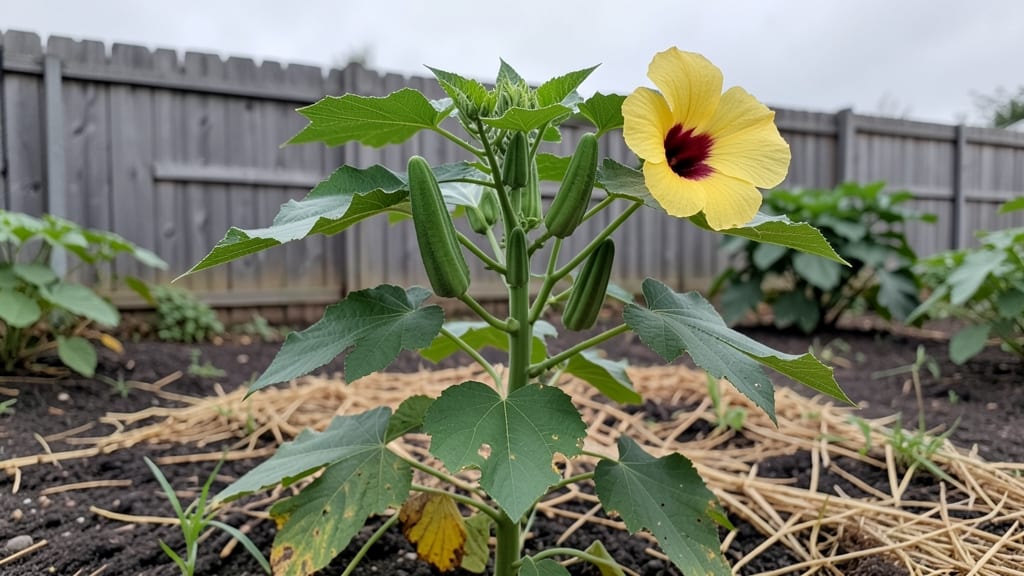
Growing lady fingers flower—the Pacific Northwest's signature foxglove (Digitalis purpurea)—isn’t just about beauty; it’s about resilience. These towering spikes thrive in our damp, cool climate, blooming reliably in just 60 days from seed.
I’ve grown them for years in my Zone 7 garden, and they’ve never failed me, even through late spring frosts. Their striking bell-shaped blooms add vertical drama to borders, while their cold tolerance makes them a standout choice for gardeners who want low-maintenance impact.
The secret to their success lies in patience and the right conditions. Foxglove seeds need stratification—either a cold winter or a quick chilling in the fridge—to break dormancy, but once planted in well-draining soil with partial shade, they’ll establish quickly.
Water consistently but avoid soggy roots, and you’ll see those signature purple, pink, or white spikes emerging by early summer. The trade-off? Their leaves and seeds are toxic, so keep them away from pets and children—a small caution for a big reward.
By midsummer, your garden will be dotted with 4- to 5-foot-tall blooms that hum with pollinators. Pair them with ferns, hostas, or astilbes for a lush, woodland-inspired look, or let them stand alone as dramatic focal points.
They self-seed readily, so you’ll have new volunteers popping up year after year. The best part? Once established, they’re nearly indestructible—perfect for gardeners who want low-maintenance elegance without the fuss.
Whether you’re a beginner or a seasoned gardener, foxglove’s adaptability makes it a must-try. Start seeds indoors in early spring, transplant outdoors after the last frost, and watch your garden transform.
Just remember: gloves are a good idea when handling the plants, and always wash your hands afterward. The payoff—a garden that feels like a fairy tale—is worth it.
📚 In This Guide
- What you need
- Instructions
- Tips and common mistakes
- Wrapping up and next steps
What you need
- ● Lady fingers flower seeds – 20-50 seeds (organic, non-GMO preferred for best results).
- ● Seed-starting mix – 1-2 gallons of sterile, well-draining potting soil (avoid garden soil—it can harbor diseases).
- ● Seed trays or small pots – 2-4 inch pots (biodegradable options work too!).
- ● Grow lights or sunny windowsill – 6-8 hours of indirect light daily (south-facing window or LED grow lights).
- ● Misting bottle – For gentle watering (foxglove seeds need consistent moisture).
- ● Plastic wrap or humidity dome – To retain moisture while seeds germinate.
- ○ Fertilizer (optional but helpful) – A balanced, water-soluble fertilizer (5-10-5 ratio) for seedlings.
- ● Garden bed or large containers – Well-draining soil with partial shade (morning sun, afternoon shade ideal).
- ● Compost or organic matter – 1-2 cups mixed into planting soil for nutrients.
- ○ Mulch (optional) – Shredded bark or straw to retain moisture and suppress weeds.
- ● Gloves – Foxglove contains cardiac glycosides; handle with care!
- ● Patience – Seeds take 10-21 days to germinate (keep soil warm, ~65°F).
- ● Cold tolerance prep – Harden off seedlings before transplanting (acclimate to outdoor temps over 7-10 days).
- ● Space planning – Mature plants reach 2-4 feet tall; space 12-18 inches apart.
Step-by-step guide to growing lady fingers flowers in the Pacific Northwest
Here’s how to cultivate these striking, cold-hardy blooms in just 60 days—perfect for the PNW’s cool climate.
🌱 Step 1: Select the Right Variety and Prepare the Site
Lady Fingers (Digitalis purpurea) thrive in the Pacific Northwest’s mild, moist conditions, but choose a well-draining spot with partial shade to full sun—morning light and afternoon shade prevent scorching. I always test soil pH first; these flowers prefer slightly acidic to neutral soil (6.0-7.0). Amend heavy clay with compost or peat moss to improve drainage, as soggy roots lead to rot.
Space plants 18-24 inches apart to allow airflow, which reduces fungal diseases like powdery mildew. If planting in containers, use 5-gallon pots with drainage holes—lady fingers resent waterlogged feet. I like to add a handful of slow-release fertilizer at planting to give them a nutrient boost without overfeeding.
🌿 Step 2: Plant Seeds or Transplants at the Right Time
For a 60-day bloom, start seeds indoors 8-10 weeks before the last frost (typically early March in the PNW). Press seeds ¼ inch deep into moist seed-starting mix, as they need light to germinate—don’t cover them. Keep the soil consistently damp at 65-70°F until sprouts appear in 10-21 days (some varieties are slower).
If using transplants, harden them off for 7-10 days before moving outdoors. Plant after soil warms to 50°F—cold, wet soil slows root establishment. Water deeply at planting to eliminate air pockets, then mulch with 2-3 inches of straw to retain moisture and suppress weeds. Lady fingers are biennials, so first-year plants focus on roots; you’ll see blooms in their second season.
☀️ Step 3: Maintain Moisture and Light for Strong Growth
Water once weekly, aiming for 1 inch of water per week, but adjust for rain—PNW summers can be unpredictable. Let the top 1-2 inches of soil dry slightly between waterings to prevent root rot. I water in the early morning to reduce fungal risks from prolonged leaf wetness.
Monitor light exposure: if stems stretch toward the sun (a sign of etiolation), move plants to a sunnier spot or supplement with a grow light. Strong stems develop when plants receive 4-6 hours of direct sun daily. Fertilize lightly every 4-6 weeks with a balanced 10-10-10 formula—too much nitrogen encourages leafy growth at the expense of flowers.
✂️ Step 4: Deadhead and Support for Prolonged Blooms
Once flowers fade, deadhead spent blooms by snipping stems just above the first set of leaves. This redirects energy to new buds and extends the flowering season by 3-4 weeks. I also remove any yellowing or diseased leaves immediately—lady fingers are prone to rust fungus in humid PNW summers.
Tall varieties (like ‘Pam’s Choice’) may need stakes or cages to prevent flopping. Install supports at planting to avoid damaging roots later. Harvest seeds from dried seed pods in late summer if you want to save them for next year—just let a few pods mature on the plant.
⏰ Step 5: Overwinter for Next Year’s Blooms
Lady fingers are hardy to USDA Zone 3, but mulch heavily with 4-6 inches of straw or leaves before winter to insulate roots. In mild PNW winters, they may resprout early—remove mulch in late winter to prevent rot. Prune back dead foliage in early spring, leaving 2-3 inches of growth to encourage new shoots.
With proper care, your lady fingers will return stronger each year, offering stunning vertical interest and pollinator-friendly blooms. The key is patience—first-year plants build roots, but second-year displays are worth the wait.
Tips & tricks for perfect lady fingers flower cultivation
Cultivating lady fingers flowers in the Pacific Northwest takes a few strategic adjustments to thrive in our unique climate. These tips will help you maximize your 60-day bloom cycle and avoid common pitfalls that can derail your garden.
Soil Preparation Secret: Beyond the basic soil pH test, I recommend adding a thin layer of perlite or vermiculite to your planting mix when amending heavy clay soils. This improves drainage without altering the slightly acidic to neutral pH range these flowers prefer. In containers, mix in one part perlite to three parts potting soil—this prevents the dreaded waterlogged roots that can kill your plants before they even establish. The key is maintaining that balance between moisture retention and drainage, especially during our unpredictable PNW summers.
Seed Starting Strategy: When starting seeds indoors, I've found that using clear plastic domes or plastic wrap over seed trays creates a mini greenhouse effect that speeds germination. Remove the cover once sprouts appear to prevent fungal issues. For the 65-70°F soil temperature requirement, place your seed trays on a heating mat—this is especially important if your home tends to stay cool. I've had excellent results with seeds germinating in just 7-10 days when using this method, rather than waiting the full 21 days.
Light Management: The 4-6 hours of direct sun requirement can be tricky in shaded PNW gardens. If your plants show signs of etiolation (those telltale stretched stems reaching for the light), supplement with a full-spectrum LED grow light for 12-14 hours daily. Position the light 6-12 inches above the plants and adjust as they grow. I've seen dramatic improvements in stem strength when using this approach, especially for taller varieties like 'Pam's Choice'. Remember, strong stems mean better support for those stunning vertical blooms.
Fertilizer Timing: When applying your balanced 10-10-10 fertilizer every 4-6 weeks, I recommend splitting each application into two smaller doses—apply half when you water, then repeat 7-10 days later. This prevents fertilizer burn while ensuring your plants get consistent nutrition. For the first 60 days, focus on root development rather than flower production by using half-strength fertilizer during the initial growth phase. This sets your plants up for better blooming in their second year.
Pro Tips for Lady Fingers Flower
- Cultivating lady fingers flowers in the Pacific Northwest takes a few strategic adjustments to thrive in our unique climate.
- Soil Preparation Secret: Beyond the basic soil pH test, I recommend adding a thin layer of perlite or vermiculite to your planting mix when amending heavy clay soils.
- Seed Starting Strategy: When starting seeds indoors, I've found that using clear plastic domes or plastic wrap over seed trays creates a mini greenhouse effect that speeds germination.
Frequently asked questions
Got questions about growing lady fingers flower (Digitalis purpurea) in your Pacific Northwest garden? You’re not alone! Here are answers to the most common queries to help you cultivate these striking blooms with confidence.
Can lady fingers flower survive harsh PNW winters?
Yes! While they thrive in cooler climates, lady fingers are biennials, meaning they’ll survive mild winters as dormant rosettes. For extra protection, mulch the base with straw or leaves. If your winters are freezing (below 10°F), treat them as annuals or grow them in containers for overwintering indoors.
How long does it take for lady fingers to bloom after planting?
Patience is key—these beauties take 60–90 days to flower from seed when started indoors. If you direct-sow in early spring, expect blooms in 8–12 weeks (late summer/early fall). For faster results, buy young plants from nurseries and plant them in early spring.
What’s the best companion plant for lady fingers?
Pair them with low-maintenance, shade-tolerant plants like foxgloves, hostas, or ferns to mimic their woodland habitat. Avoid planting near roses or tomatoes, as they compete for nutrients. For a pollinator-friendly garden, add bee balm or lavender nearby!
Why aren’t my lady fingers flowering this year?
Several factors could be at play:
- Overcrowding: Thin seedlings to 12–18 inches apart for better airflow and sunlight.
- Poor soil: Amend with compost—they prefer well-draining, slightly acidic soil (pH 6.0–7.0).
- Too much nitrogen: Skip high-nitrogen fertilizers; opt for a balanced 10-10-10 or phosphorus-rich feed to encourage blooms.
- Late planting: Sow seeds 6–8 weeks before your last frost for optimal growth.
Can I grow lady fingers in containers?
Use 5–7 inch pots with drainage holes and a mix of potting soil and perlite. Place containers in partial shade and water when the top inch of soil feels dry. Just remember: Container-grown plants may bloom slightly later but are easier to move indoors if frost threatens.
Pro Tip:
Deadhead spent blooms to encourage more flowers and prevent self-seeding (unless you want a surprise next year!). Wear gloves when handling—all parts of the plant are toxic if ingested.
Wrapping up and next steps
Growing lady fingers flower in your Pacific Northwest garden is a rewarding journey—packed with beauty, resilience, and quick results! 🌸 With just 60 days, you can transform your outdoor space into a vibrant display of delicate blooms, even in cooler climates.
Whether you’re a seasoned gardener or a beginner, this easy-to-follow guide makes it simple to cultivate these stunning flowers with minimal fuss.
Ready to take the next step? Grab your supplies, mark your calendar, and start planting today! Share your progress with fellow gardeners or experiment with different varieties—your garden (and Instagram feed) will thank you. Happy growing! 🌱