
Propagation
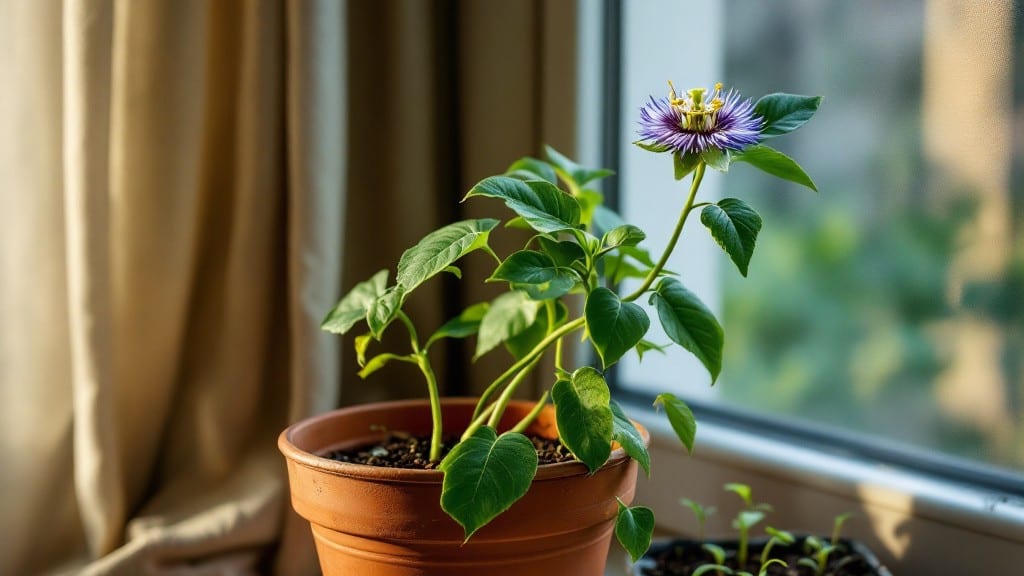
Growing passion flower from seed is one of those gardening adventures that rewards patience with stunning vines and exotic blooms—but only if you crack the germination code. 🌱 I’ve started dozens of these seeds, and the difference between fast, healthy sprouts and weeks of waiting comes down to three little details: warmth, moisture, and light timing.
Most beginners give up after two weeks, but with the right setup, you’ll see those first green hooks breaking through in just 10-14 days.
The secret isn’t complicated: passion flower seeds need consistent bottom heat (like a heat mat set to 75°F) and a light, airy soil mix that drains fast but stays damp. Too much moisture causes mold; too little and the seeds dry out before germinating.
I swear by a 50/50 blend of coco coir and perlite—it’s fluffy enough to let those delicate roots breathe while keeping humidity just right. And here’s the kicker: don’t bury them. Press the seeds just barely into the surface; they need light to germinate, not darkness.
Once those first sprouts appear, you’ll notice something magical: tiny, deep green leaves unfurling like tiny hands reaching for the sky. Within 30 days, you’ll have seedlings ready to transplant, provided you’ve given them bright, indirect light from the start (no harsh midday sun yet!).
The real payoff? These vines grow fast—once established, they’ll climb and flower with exotic, fragrant blooms that hummingbirds adore. But the journey starts with those first few weeks of careful nurturing.
Here’s where most gardeners stumble: overwatering or rushing the transplant. Passion flowers hate soggy roots, so let the top inch of soil dry between waterings, and wait until you’ve got two true leaves before introducing them to their forever home—a sturdy trellis or fence.
The vines will thank you later with foot-long tendrils and vibrant, tropical flowers that turn heads in any garden. Let’s get those seeds sprouting!
📚 In This Guide
- What you need
- Instructions
- Tips and common mistakes
- Wrapping up and next steps
What you need
- ● Passion flower seeds: Fresh, high-quality seeds (preferably from a reputable supplier). Aim for 5–10 seeds to increase your chances of success.
- ● Seed-starting mix: A lightweight, well-draining potting mix (avoid garden soil—it’s too dense!). A 50/50 blend of peat moss and perlite works well.
- ● Containers: Small pots (3–4 inches deep) with drainage holes, or a seed tray with individual cells. 1–2 containers per seed is ideal.
- ● Watering can or spray bottle: A gentle spray bottle helps avoid disturbing seeds during watering.
- ● Plastic wrap or humidity dome: To create a mini greenhouse effect and retain moisture.
- ○ Heat mat (optional but helpful): Passion flower seeds germinate best in warmth (70–85°F). A seedling heat mat speeds up the process.
- ● Grow lights or sunny windowsill: Seedlings need 6–8 hours of light daily once they sprout.
- ● Seed scarification tool: Sandpaper or a knife to lightly nick the seed coat if germination is slow.
- ● Fungicide: A mild solution (like hydrogen peroxide) to prevent mold in humid conditions.
- ● Fertilizer: A balanced, water-soluble fertilizer (diluted to half-strength) for seedlings after 4–6 weeks.
- ● Grow tent or propagator: For extra humidity and control over growing conditions.
- ● Journal or labels: To track seed varieties, planting dates, and growth progress!
Step-by-step instructions for growing passion flower from seed
Here's how to coax those stubborn passionflower seeds into fast, vigorous sprouts—no waiting months for germination.
🌱 Step 1: Stratify Seeds for Faster Germination
Passionflower seeds need a cold, moist period to break dormancy. Place them in a sealed plastic bag with a damp paper towel—just enough moisture to keep it damp, not soaked. I like to fold the towel into a square, sprinkle the seeds across it, then roll it up and tuck it into the bag. Seal tightly and refrigerate for 6-8 weeks at 35-40°F.
Check weekly—if the towel dries out, mist it lightly with water. You'll know stratification worked when tiny white roots appear on the seeds. This cold treatment mimics winter conditions and tricks the seed into thinking spring has arrived.
💧 Step 2: Sow Stratified Seeds in Warm, Moist Soil
Fill small pots with sterile seed-starting mix (never garden soil—it's too dense). Press the mix down gently to create a firm base, then make shallow ¼-inch-deep holes with your finger. Drop 1-2 seeds per pot—passionflowers germinate slowly, so don't crowd them. Cover lightly with a sprinkle of mix.
Water gently until the soil feels damp to the touch, like a wrung-out sponge. Place the pots in a warm spot (70-75°F)—a seedling heat mat works wonders. Cover with a clear plastic dome or plastic wrap to retain humidity. Germination can take 4-8 weeks, so patience is key.
☀️ Step 3: Provide Bright, Indirect Light for Seedlings
The moment you see first true leaves (not the initial seed leaves), remove the dome immediately. Passionflower seedlings need bright, indirect light—direct sun will scorch their delicate stems. A south-facing window with sheer curtain works, but I use a grow light 4-6 inches above the plants for consistent results.
Watch for leggy growth (long, thin stems reaching toward light). This means your seedlings need more intensity. Rotate pots quarter-turn daily so they grow straight. Once seedlings have 3-4 sets of leaves, they're ready for their first fertilizer—use a balanced 10-10-10 diluted to half strength.
🪴 Step 4: Transplant to Larger Containers When Roots Crowd
Passionflowers grow fast once they break dormancy. When roots emerge from drainage holes or the seedling outgrows its pot, it's time to upgrade. Choose 5-6 inch pots with drainage holes—these vines need room to establish before outdoor planting. Fill with well-draining potting mix amended with compost.
Gently remove the seedling, keeping the root ball intact. Place it in the new pot at the same depth it was growing before. Water thoroughly to settle the soil, then place in bright, indirect light for a week to recover. This prevents transplant shock and encourages robust root growth.
⏰ Step 5: Harden Off Before Outdoor Planting
Two weeks before your last frost date, start hardening off seedlings. Place them outside in a sheltered, shaded spot for 1-2 hours the first day. Gradually increase exposure by 1 hour daily, moving to dappled sunlight by day 5. By day 10, they should tolerate full sun for 4-6 hours.
Passionflowers thrive in USDA zones 5-11 but need warm soil to establish. Wait until nighttime temperatures stay above 55°F before planting outdoors. Choose a sunny, trellis-ready spot—these vines grow 10-30 feet annually. Bury the stem halfway to encourage root growth along the buried portion.
Tips & tricks for growing passion flower from seed
These insider tricks will help you skip the months-long wait and get those passionflower seeds sprouting like clockwork.
Stratification Precision: The 6-8 week cold treatment is non-negotiable for breaking dormancy, but here's the secret: use a refrigerator thermometer to confirm your fridge stays between 35-40°F consistently. Some fridges have cold spots—place your seed bag on the middle shelf where it's most stable. I've seen seeds fail to sprout when temps dipped below 35°F, so this isn't a guess-it game.
Soil Science: When selecting your sterile seed-starting mix, look for one labeled "seedling mix" or "organic potting soil" with perlite or vermiculite. The light, airy texture is crucial—passionflower roots need oxygen. I've had the best luck with a mix that's 70% peat moss, 20% perlite, and 10% compost. Avoid anything labeled "garden soil" or "topsoil"—it's too dense and will suffocate your delicate sprouts.
Lighting Strategy: For that critical bright, indirect light phase (Step 3), position your grow light so it's just 4-6 inches above the seedlings. Too high and they'll stretch toward it; too low and you'll scorch them. I use a simple LED grow bulb on a timer for 12 hours daily. Watch for leggy growth—if stems look like they're reaching for the light, you need to lower the light or increase intensity immediately.
Transplant Timing: Don't wait until roots are bursting from drainage holes to upgrade pots—act at the first sign of crowding. Passionflower seedlings establish roots quickly once they start growing, and you want to give them room to spread. I upgrade to 5-6 inch pots when I see roots at the surface or when the seedling outgrows its pot by more than 2 inches. This prevents root binding that can stunt growth.
Pro Tips for Growing Passion Flower From Seed
- These insider tricks will help you skip the months-long wait and get those passionflower seeds sprouting like clockwork.
- Stratification Precision: The 6-8 week cold treatment is non-negotiable for breaking dormancy, but here's the secret: use a refrigerator thermometer to confirm your fridge stays between 35-40°F consistently.
- Soil Science: When selecting your sterile seed-starting mix, look for one labeled "seedling mix" or "organic potting soil" with perlite or vermiculite.
Frequently asked questions
about growing passion flower from seed—because every gardener deserves a little clarity!How long does it take for passion flower seeds to germinate?
Germination can take anywhere from 1 to 6 months—patience is key! Most seeds sprout within 2–3 months if kept in warm, moist conditions (70–80°F). If they haven’t sprouted after 6 months, they may need a cold stratification trick (see our germination tips for details).
Do passion flower seeds need light to germinate?
Nope! Seeds should not be exposed to light during germination—they’ll rot if left dry or too bright. Keep them in a dark, humid environment (like a sealed container with damp paper towels) until tiny sprouts appear. Once they break through, move them to indirect light.
Can I speed up germination with cold treatment?
Passion flower seeds often benefit from stratification—mimicking winter’s chill. Place them in a plastic bag with damp peat moss, then refrigerate for 4–6 weeks before planting. This can cut germination time in half for stubborn seeds!
What if my passion flower seedlings look weak or leggy?
Leggy seedlings mean they’re stretching for light—a classic sign of insufficient brightness. Move them closer to a south-facing window or use a grow light. Once they’ve got 2–3 true leaves, transplant them into soil (but avoid direct sun until hardened off!).
Can I grow passion flower from seed in cold climates?
Yes, but start them indoors 8–10 weeks before your last frost. Passion vines are tropical and hate cold, so treat them like annuals in chilly zones. If you’re in Zone 7 or below, grow them in containers and bring them inside during winter—or plant them in a sheltered microclimate.
What’s the best soil mix for passion flower seedlings?
Use a light, well-draining mix—think 50% potting soil + 50% perlite or coconut coir. Passion flowers despise soggy roots, so avoid heavy garden soil. Add a handful of compost for nutrients, but keep it airy to prevent fungal issues.
Wrapping up and next steps
Growing passion flower from seed is a rewarding journey that combines patience with the joy of nurturing life. With the right germination tricks—like warm, moist conditions and a little creativity—you’ll soon watch those delicate sprouts emerge and thrive. 🌱
Now that you’re armed with the know-how, why not take the next step? Start your seeds today, and in just a few weeks, you’ll be tending to vibrant vines that’ll bring beauty and even edible delights to your garden. Happy growing! 🌸