
Shrubs
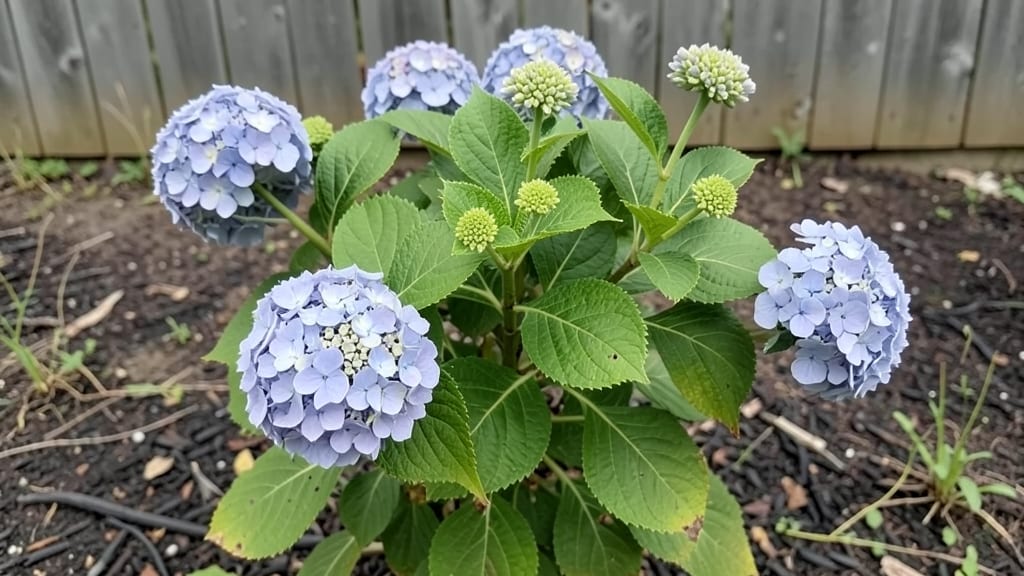
Browse these stunning images of flowering shrubs thriving in the Pacific Northwest, where frost-resistant plants like Pacific dogwood and Oregon grape defy winter’s chill with bold, cheerful hues. 🌸 in cooler climates.
Whether you're designing a cottage garden or a sleek modern landscape, these shrubs deliver year-round interest with minimal fuss.
Each plant in this gallery is chosen for its hardiness, bloom time, and design versatility. Take the vibrant pink camellias that bloom in late winter, perfect for hedges or focal points, or the fragrant rhododendrons that attract pollinators while adding height and texture.
Pair them with evergreens like boxwood for structure, or let them shine solo as statement pieces against a stone wall.
Imagine your garden transformed—layers of color from early spring to late fall, with foliage that stays lush even after frost. These shrubs don’t just survive the PNW’s damp, cool seasons; they thrive, offering a palette of whites, pinks, purples, and blues that brighten even the grayest days.
The best part? Many double as pollinator magnets, turning your yard into a haven for bees and butterflies.
Browse the gallery to see how these frost-lovers fit into different styles, from romantic cottage borders to minimalist modern beds. Each image includes care tips and pairing suggestions, so you can create a cohesive look without the guesswork. Ready to design a garden that blooms boldly all season long?
📚 In This Guide
- What you need
- Instructions
- Tips and common mistakes
- Wrapping up and next steps
What you need
- ● Camera: A DSLR, mirrorless, or high-end smartphone (e.g., iPhone 13+, Sony Xperia 1 IV, or Canon EOS R series).
- ● Lenses: Wide-angle lens (16-35mm) for landscapes and shrub clusters.
- ● Macro lens (60mm-105mm) for close-up details of flowers and buds.
- ○ Optional: Telephoto zoom (70-200mm) for distant shrubs or wildlife in the background.
- ● Tripod: Sturdy, lightweight tripod (e.g., Manfrotto Befree or Joby GorillaPod) for stability in windy PNW conditions.
- ● Remote shutter: Wireless remote or smartphone app (e.g., Canon Camera Connect, Nikon SnapBridge) to avoid camera shake.
- ● Memory cards: High-speed SD cards (32GB–128GB, UHS-II or V90+) for continuous shooting.
- ● Extra batteries: At least 2–3 fully charged batteries (PNW weather drains power fast!).
- ● Cleaning kit: Lens cleaning wipes, microfiber cloth, and compressed air (dust and dew are inevitable!).
- ● Reflectors/diffusers: 5-in-1 reflector or softbox to enhance lighting in shaded areas.
- ● Polarizing filter: Helps reduce glare from wet foliage or reflective surfaces.
- ● Portable LED lights: Small, rechargeable lights (e.g., Godox SL-60W) for early morning/late evening shoots.
- ● Field guide or app: Pacific Northwest Wildflowers (book) or iNaturalist app to identify shrub species.
- ● Weather gear: Waterproof camera bag (e.g., Lowepro ProTactic 350) and rain cover for lenses.
- ● Notebook/sketchpad: For jotting down lighting conditions, locations, or composition ideas.
- ● Knowledge of basic photography: Familiarity with aperture, shutter speed, and ISO settings (or willingness to learn!).
- ● Location scouting: Research frost-resistant shrubs like Rhododendron, Viburnum, or Oregon Grape in PNW parks (e.g., Washington Park in Portland or Discovery Park in Seattle).
- ● Timing: Plan shoots during golden hours (early morning or late afternoon) for soft, flattering light.
- ● Permissions: Check for private property or park restrictions before photographing.
How to photograph flowering shrubs in the Pacific Northwest
Capture the Pacific Northwest's frost-resistant blooms with these pro tips for stunning images.
📸 Step 1: Scout Locations for Best Light and Blooms
Head out during the golden hours—the two hours after sunrise and before sunset—when light is soft and shadows are long. I always check the USDA Plant Hardiness Zone Map to confirm frost-resistant shrubs like Rhododendron, Pieris japonica, or Spiraea are in full bloom. Look for locations with dappled shade or morning sun, as direct midday light can wash out colors.
Focus on shrubs with vibrant blooms and lush foliage. The Pacific Northwest's misty mornings create natural soft focus, but wait for dew to dry slightly to avoid lens flare. Bring a small notebook to sketch lighting angles and bloom patterns—this helps later when you’re framing shots.
☀️ Step 2: Adjust Camera Settings for Shrub Photography
Switch to aperture priority mode (Av/A) and set your aperture to f/8-f/11 for sharp focus across the entire shrub. Use a polarizing filter to deepen blue skies and reduce glare on leaves. I shoot in RAW format to preserve detail for post-processing—critical for capturing the vibrant pinks and purples of PNW blooms.
For close-ups, use a macro lens (100mm or longer) to isolate individual flowers. If you don’t have one, set your camera to manual focus and zoom in carefully. Check your histogram after each shot to ensure you’re not losing detail in highlights or shadows—overcast days in the PNW can trick your camera into underexposing.
🌿 Step 3: Frame for Depth and Texture
Include foreground elements like ferns or moss to add depth to your shots. The Pacific Northwest's lush undergrowth provides natural framing—position yourself so branches or leaves create a soft border around your subject. Shoot from slightly below the shrub to emphasize height and grandeur, a technique called "low-angle shooting."
Look for textures in the foliage and bark—some Rhododendron varieties have fuzzy leaves, while Mahonia has spiky, leathery foliage. Capture both close-ups of individual flowers and wide shots of the entire shrub to tell a complete story. I always take a few test shots from different angles before committing to a composition.
⏰ Step 4: Time Shots for Optimal Bloom Conditions
Visit your chosen shrubs on overcast days for even lighting, but also plan for sunny mornings to capture backlit blooms. The Pacific Northwest's frequent mist can add a dreamy quality to images, but avoid shooting in heavy rain—water droplets can obscure details. Early spring blooms like Camellia often thrive in cooler temps, so check forecasts for 50-60°F days with minimal wind.
Return to the same location at different times of day to see how light changes the mood of your shots. I’ve found that late afternoon light often brings out the deepest colors in Heather and Azalea blooms. Use a tripod if shooting in low light to avoid blurry images—PNW’s unpredictable weather can shift quickly.
🖼️ Step 5: Edit for Pacific Northwest Aesthetics
In post-processing, enhance colors subtly—PNW blooms are already vibrant, but a slight boost in saturation can make them pop. I use Lightroom’s "Vibrance" slider instead of saturation to avoid overdoing it. Add a slight vignette to draw focus to the center of the image, mimicking the natural framing of PNW forests.
Preserve the natural textures of bark and leaves—avoid over-smoothing. A cool tone adjustment (blue-green hues) can evoke the region’s misty atmosphere. Export images at high resolution (300ppi) for printing or sharing—PNW gardeners will appreciate the detail in your captures.
Tips & tricks for perfect flowering shrub photography
These pro-level insights will help you elevate your Pacific Northwest bloom photography from good to breathtaking.
Lighting Mastery: In Step 1, when you're scouting locations, pay special attention to how the morning mist interacts with your subject. The golden hours are perfect, but the first hour after sunrise often captures the most dramatic mist effects on blooms like Pieris japonica. I've found that waiting just 10-15 minutes after dew dries completely eliminates lens flare while preserving that dreamy softness.
Camera Technique: For Step 2's aperture settings, remember that f/8-f/11 gives you maximum depth of field, but don't be afraid to experiment with f/5.6 for close-ups of Rhododendron blooms. The trade-off is shallower focus, but you'll get that beautiful bokeh effect that makes flowers pop against their background. Always check your histogram after each shot—PNW's overcast days can fool your camera into underexposing vibrant colors.
Composition Secrets: When framing in Step 3, look for natural leading lines created by branches or pathways that draw the viewer's eye toward your subject. I often position myself slightly to the side of the shrub rather than directly in front, which creates more interesting compositions. For Mahonia with its spiky foliage, I'll sometimes shoot through the leaves to create a natural frame around the flowers.
Weather Wisdom: The 50-60°F temperature range mentioned in Step 4 is ideal for most PNW blooms, but don't let light rain deter you. A light mist actually enhances the ethereal quality of images, especially for Heather and Azalea. Just avoid heavy rain—water droplets can obscure details and create lens flare. I always carry a small umbrella (not for me, for my equipment!) when shooting in the PNW's unpredictable weather.
Pro Tips for Images Of Flowering Shrubs
- These pro-level insights will help you elevate your Pacific Northwest bloom photography from good to breathtaking.
- Lighting Mastery: In Step 1, when you're scouting locations, pay special attention to how the morning mist interacts with your subject.
- Camera Technique: For Step 2's aperture settings, remember that f/8-f/11 gives you maximum depth of field, but don't be afraid to experiment with f/5.6 for close-ups of Rhododendron blooms.
Frequently asked questions
Got questions about images of flowering shrubs in the Pacific Northwest? You’re not alone! Here are answers to the most common queries—from care tips to seasonal secrets.
What are the best flowering shrubs for the PNW’s cold winters?
The Pacific Northwest’s frost-resistant favorites include Pieris japonica (andromeda), Viburnum spp. (like V. plicatum), and Spiraea japonica. These thrive in zones 5–8, blooming early to mid-spring before summer heat sets in. Look for images of flowering shrubs with thick, woody stems—they’re your best bet for durability!
When is the peak blooming season for these shrubs?
Most PNW flowering shrubs burst into color between April and June, with some late bloomers (like Hydrangea paniculata) stretching into July. Early spring (March) brings Hamamelis (witch hazel) and Cornus (dogwood), while fall-winter varieties (e.g., Mahonia) offer late-season interest. Pro tip: Capture images of flowering shrubs in morning light for the most vibrant hues!
How do I keep my flowering shrubs healthy in rainy PNW climates?
Overwatering is the #1 enemy! Ensure well-draining soil (amend with compost) and plant on a slight mound. Mulch (2–3 inches) to regulate moisture and protect roots. Prune in late winter/early spring (before new growth) to encourage dense blooms. Images of flowering shrubs with lush foliage often hide pests—check undersides of leaves for mites or aphids.
Can I use pruned branches for floral arrangements?
Many PNW shrubs (like Weigela or Deutzia) produce long, sturdy stems perfect for bouquets. Cut branches just as buds open for longer vase life. Avoid over-pruning—remove no more than 1/3 of the plant annually. For images of flowering shrubs in arrangements, pair with native greenery (e.g., Rhododendron leaves) for a cohesive look.
What if my shrub isn’t blooming? Troubleshooting tips!
Lack of flowers often stems from:
- Over-fertilizing with high nitrogen (promotes leaves, not blooms). Use a balanced 10-10-10 or bloom-specific fertilizer.
- Poor sunlight: Most flowering shrubs need 6+ hours of sun. Move or prune nearby trees.
- Aging wood: Some shrubs (like Hydrangea) bloom on old wood—prune after flowering.
- Stress: Check for drought, pests, or root damage. Adjust care and monitor.
For inspiration, browse images of flowering shrubs in your area to spot thriving examples!
Wrapping up and next steps
From vibrant azaleas to hardy rhododendrons, the Pacific Northwest’s frost-resistant flowering shrubs bring unmatched beauty and resilience to any garden. These stunning blooms not only thrive in cooler climates but also inspire creativity—whether you’re a seasoned gardener or just starting your green thumb journey. 🌸
Ready to transform your outdoor space? Start by browsing our curated gallery of flowering shrubs to find your perfect match, then sketch a simple layout or consult a local nursery for expert advice.
Every bloom you plant is a step toward a lush, colorful oasis that stands the test of time!