
Flowers
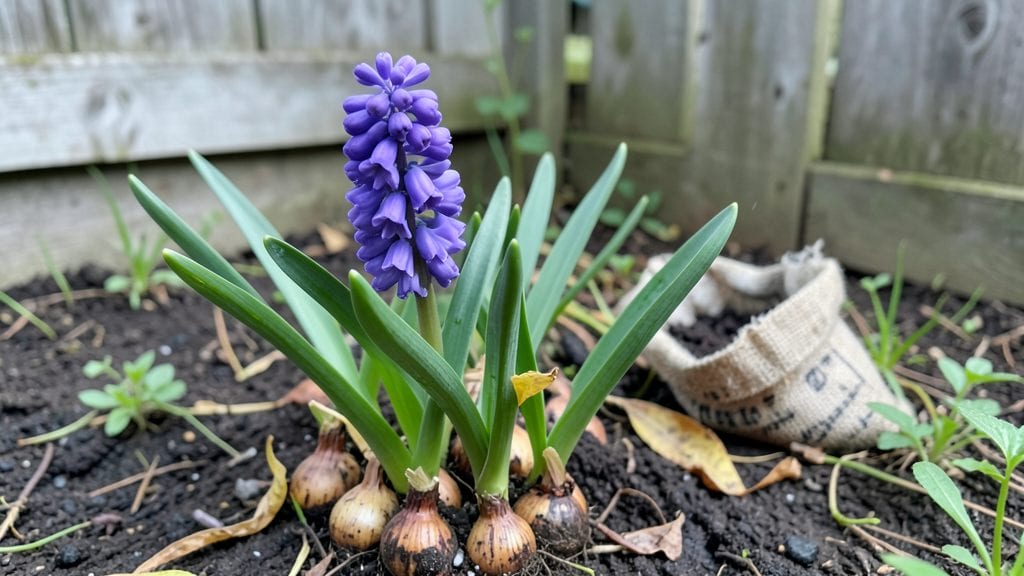
Planting hyacinth flower bulbs in the Pacific Northwest means bold purple, pink, and white blooms that punch through winter’s chill like nature’s own confetti. 🌿 The key isn’t timing—it’s frost-proofing them before the ground freezes, so they wake up strong in spring.
I’ve learned that bulbs here need a little extra care: deeper planting, sharper drainage, and a winter mulch that feels like a cozy blanket.
You’ll need well-draining soil, a sunny spot (6+ hours of light), and bulbs planted 6 inches deep—that’s the secret to avoiding rot in our damp winters.
Most people overlook the fall prep: break up heavy clay, mix in compost, and add a handful of sand if your soil feels like wet cement. The payoff? Clusters of fragrant blooms that outshine store-bought bouquets.
Watering’s easy once they’re in: once after planting, then again when shoots appear in spring. No fuss, no guesswork—just let the rain do the work after that. The real magic happens in late winter, when those first green tips break through, signaling that your bulbs survived the cold.
By April, you’ll have neighborhood-stopping displays that last for weeks.
Pro tip: Plant in groups of 10+ bulbs for maximum impact, and save a few blooms to dry for next year’s garden. Even in our rainy climate, hyacinths thrive if you nail these basics. Ready to turn your yard into a springtime explosion of color?
📚 In This Guide
- What you need
- Instructions
- Tips and common mistakes
- Wrapping up and next steps
What you need
- ● Hyacinth bulbs: Choose certified disease-free bulbs (10–20 bulbs per planting area, depending on desired coverage). Opt for hardy varieties like 'Anna Marie' or 'Woodstock' for PNW resilience.
- ● Well-draining soil: Mix 1 part garden soil with 1 part compost and 1 part perlite or coarse sand (5–10 gallons per 10 sq ft).
- ● Planting location: A sunny to partially shaded spot (6+ hours of sunlight daily). Avoid low-lying areas prone to frost pockets.
- ● Mulch: 2–3 inches of straw or shredded leaves (cover after planting to insulate bulbs).
- ● Hand trowel or bulb planter (for precise digging).
- ● Garden fork or spade (to loosen soil).
- ● Measuring tape or ruler (to space bulbs 4–6 inches apart).
- ● Watering can or hose with gentle spray (avoid overwatering!).
- ○ Garden gloves (optional but recommended for comfort).
- ● Planting window: Fall (October–November)—bulbs need 6–8 weeks of cold to bloom. Avoid planting after first hard frost.
- ● Soil temperature: Ideal for planting is 40–50°F.
- ● Frost protection: If early frosts hit, cover bulbs with mulch or burlap temporarily.
- ● 🌡️ Test your soil—PNW clay soil? Amend with compost to improve drainage.
- ● ✨ Add bone meal (1 tbsp per bulb) at planting for extra bloom power.
- ● 🔥 Label your bulbs—hyacinth varieties vary in height/color; track them to plan future displays!
Step-by-Step instructions for planting hyacinth flower bulbs in the Pacific Northwest
Here's how I get reliable blooms year after year in our rainy, cool climate.
🌱 Step 1: Choose the Right Bulbs and Planting Location
Select large, firm bulbs (at least 5-6 inches in circumference) from a trusted supplier—bigger bulbs produce more flowers. I always look for ones labeled "hardy to Zone 5" or lower, since PNW winters can push Zone 7 borders. Plant in a location with full sun to partial shade—morning sun with afternoon shade works best in hotter inland areas.
Hyacinths thrive in well-draining soil. If your garden has heavy clay, amend with 2-3 inches of compost mixed into the top 6 inches of soil. Avoid low spots where water pools—these bulbs rot easily when soggy. I mark my planting spots with small stakes to remember where they go, since the foliage disappears by summer.
🌿 Step 2: Plant at the Correct Depth and Spacing
Plant bulbs in late fall (October to November in most of the PNW) when soil temperatures drop below 60°F. Dig holes 6-8 inches deep—about 3 times the bulb's height. Space bulbs 4-6 inches apart in rows 8-10 inches apart for best air circulation. I use a bulb planter for clean holes, but a trowel works fine too.
Place one bulb in each hole with the pointed end facing up. Cover with soil and water gently but thoroughly. The key here is firm but not compacted soil—tap the soil lightly around each bulb to eliminate air pockets. Overcrowding leads to small flowers, so don't be tempted to squeeze in extra bulbs.
☀️ Step 3: Mulch and Prepare for Winter
After planting, apply a 2-3 inch layer of mulch (I use shredded bark or straw) to protect bulbs from freezing and thawing cycles. This is especially important in our wet winters—mulch keeps soil temperatures stable and prevents rot. Leave the mulch until spring, removing it only after the foliage yellows completely.
Don't fertilize at planting time—hyacinths need time to establish roots before feeding. I make a note in my garden journal to add a low-nitrogen bulb fertilizer in early spring when shoots emerge. Water lightly once more after mulching, then let nature take over until spring.
⏰ Step 4: Care for Spring Growth and Blooms
When green shoots appear in late winter (usually February-March in the PNW), remove the mulch and water sparingly—just enough to keep the soil slightly moist. Too much water now dilutes nutrients and weakens stems. I watch for the first 2-3 inch tall shoots as my signal to start regular watering (about 1 inch per week).
Hyacinths need 6+ hours of sunlight daily for strong blooms. If yours are in partial shade, you'll get fewer flowers. Once buds form, increase watering to 1.5 inches per week—this supports the heavy flower spikes. Let the foliage die back naturally after blooming; don't cut it until it turns completely brown.
🌱 Step 5: Maintain Bulbs for Future Seasons
After flowers fade, allow the foliage to remain until it yellows completely (about 6-8 weeks). This stores energy for next year's blooms. I resist the urge to cut back early—hyacinths need that full growing season to replenish. Once foliage dies back, you can remove it and add a light layer of compost around the base.
In the PNW, hyacinths often naturalize and multiply. If you see new bulbs forming around the parent bulb, leave them—they'll produce flowers in 2-3 years. I divide crowded clumps every 3-4 years in early fall, replanting the largest bulbs for best results. The smaller ones can be planted deeper or given a year to grow before flowering.
Tips & tricks for perfect hyacinth flower planting in the Pacific Northwest
These tried-and-true tips will help you avoid common pitfalls and get the most stunning blooms from your hyacinths.
Bulb Selection: Look for bulbs that feel heavy for their size—this indicates they're full of stored energy. I always give the bulbs a gentle squeeze; if they feel soft or hollow, they won't produce strong blooms. Store them in a cool, dark place (like a garage) until planting time to maintain their vigor. Remember, those 5-6 inch bulbs are your ticket to bigger, showier flowers!
Soil Preparation: In Step 1, when amending heavy clay soil with 2-3 inches of compost, don't just scratch it in—mix it thoroughly through the top 6 inches of soil. I use a garden fork to loosen the clay first, then work in the compost. This creates the perfect drainage while improving soil structure. For container growing, use a mix of potting soil and perlite (50/50 ratio) to ensure excellent drainage.
Planting Timing: The 60°F soil temperature guideline in Step 2 is crucial—it ensures bulbs get cold enough to vernalize (a process that triggers flowering). If you're unsure about soil temps, check the weather forecast for the first hard frost date and plant about 4-6 weeks before that date. In the PNW, this usually falls between late October and early November. Planting too early can cause premature sprouting.
Winter Protection: For extra insurance against our wet winters, consider adding a thin layer of landscape fabric between the mulch and soil. This prevents rot while still allowing water to penetrate. I've found that in particularly soggy areas, this extra layer makes all the difference between bulbs that rot and ones that thrive. Remove it in early spring before shoots emerge.
Pro Tips for Hyacinth Flower Bulbs
- These tried-and-true tips will help you avoid common pitfalls and get the most stunning blooms from your hyacinths.
- Bulb Selection: Look for bulbs that feel heavy for their size—this indicates they're full of stored energy.
- Soil Preparation: In Step 1, when amending heavy clay soil with 2-3 inches of compost, don't just scratch it in—mix it thoroughly through the top 6 inches of soil.
Frequently asked questions
Got questions about growing hyacinth flower bulbs in the Pacific Northwest?
You’re not alone! Here are answers to the most common concerns—from timing to troubleshooting—so you can plant with confidence.
When is the best time to plant hyacinth bulbs in the PNW?
Plant hyacinth bulbs in late fall (October–November), once soil temps drop below 60°F but before hard frost. This mimics their natural winter dormancy cycle. In the PNW’s mild maritime climate, aim for 6–8 weeks before the first frost—early enough for roots to establish but late enough to avoid premature sprouting.
Can hyacinth bulbs survive PNW winters without extra protection?
Hyacinths are hardy to USDA Zone 4, making them perfect for the PNW’s frost. Plant them 6 inches deep in well-draining soil, and they’ll thrive through winter. Mulch lightly (1–2 inches) after planting to insulate roots, but avoid heavy mulch that could cause rot.
What if my hyacinth bulbs don’t bloom the first year?
Don’t worry—first-year blooms are rare! Hyacinths need 10–12 weeks of cold dormancy to trigger flowering. If planted correctly, they’ll reward you with fragrant spring blooms the following year. For faster results, choose pre-chilled bulbs (labeled “ready to plant”) from nurseries.
Are there low-maintenance alternatives to hyacinths for PNW gardens?
Yes! If you love fragrant, early bloomers, try:
- Daffodils (Narcissus): Tougher than hyacinths, deer-resistant, and Zone 3 hardy.
- Crocuses: Bloom even earlier (late winter) and naturalize beautifully.
- Snowdrops (Galanthus): Thrives in shade and blooms under snow!
Why are my hyacinth leaves turning yellow after flowering?
Yellowing leaves after blooming are normal—the bulb is redirecting energy to next year’s flowers! Don’t cut leaves until they brown (6–8 weeks post-bloom). If yellowing happens before flowering or looks mushy, your bulbs may be overwatered or rotting. Ensure soil drains well and plant in sunny spots (hyacinths need 6+ hours of light daily).
Wrapping up and next steps
Growing hyacinth flower bulbs in the Pacific Northwest is not just possible—it’s a rewarding way to bring vibrant color and fragrance to your garden, even in cooler climates! 🌸 With the right preparation, well-drained soil, and a little patience, these frost-resistant beauties will thrive and return year after year.
Whether you’re a seasoned gardener or just starting, your efforts will soon be rewarded with stunning blooms that brighten up spring.
Ready to take the next step? Start by selecting your bulbs and mark your calendar for fall planting—your future garden will thank you! 🌱