
Flowers
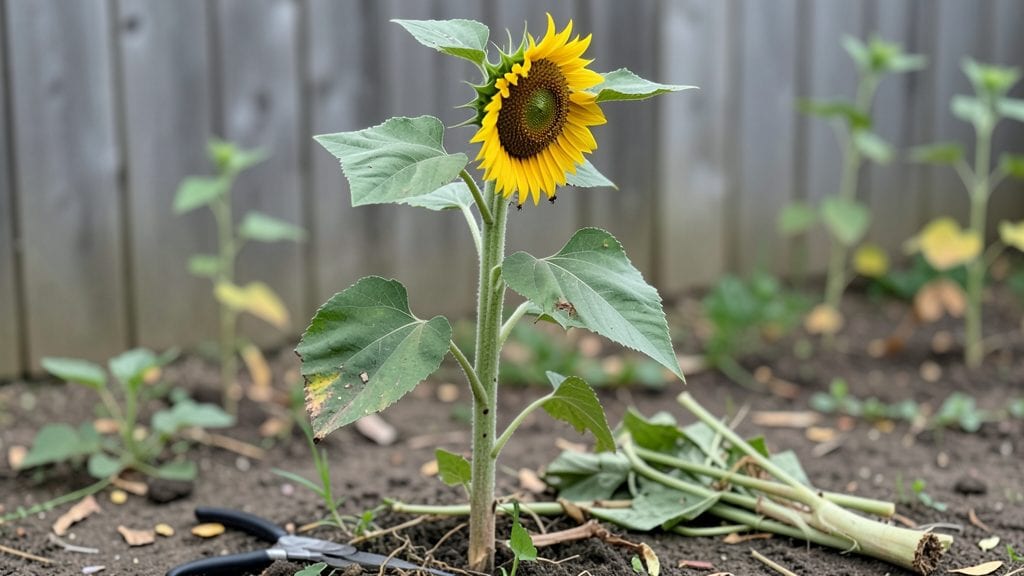
Pruning sunflowers isn’t just about cutting—it’s about unlocking their full potential for taller stems and bigger blooms. 🌻 I’ve learned that three strategic cuts can transform a scraggly plant into a sun-soaked showstopper, and it’s simpler than you’d think.
The key is timing: prune at the right moment, and you’ll encourage bushier growth, stronger stems, and flowers that turn heads in your garden.
You only need three tools: sharp pruners, gloves, and a clear morning to work. Start by removing dead or damaged leaves—this keeps energy flowing to the main stem. Next, cut back any side shoots that compete with the primary flower, redirecting nutrients upward.
Finally, trim the spent blooms after they fade to prompt a second flush of smaller, equally stunning flowers. It’s a game-changer for both aesthetics and plant health.
📚 In This Guide
- What you need
- Instructions
- Tips and common mistakes
- Wrapping up and next steps
What you need
- ● Sharp bypass pruners or garden shears – Choose a pair with clean, sharp blades (4-6 inches long) to avoid crushing stems. Example: Felco F-2 or Corona Tools Classic.
- ● Clean, disinfected gloves – Protect your hands from thorns and sap. Opt for nitrile-coated gloves for grip and durability.
- ● Rubbing alcohol (70% isopropyl) or bleach solution – 1 part bleach to 9 parts water to sterilize tools between cuts and prevent disease spread.
- ○ Pruning saw (optional but helpful) – For thick, woody stems (over ½ inch in diameter). A curved-tooth pruning saw works best.
- ● Newspaper or cardboard – Lay down a protective barrier under pruning areas to catch debris.
- ● Permanent marker – To mark stems for future reference if pruning in stages.
- ● Hose with spray nozzle – Rinse tools and stems post-pruning to reduce sap buildup.
- ● Compost bin or brown paper bag – For disposing of pruned material (avoid composting diseased plants).
- ● Sunflower growth regulator (if needed) – Paclobutrazol (follow label instructions) to control excessive height in windy areas.
- ● Knee pad or stool – For comfort if sunflowers are taller than 5 feet.
Step-by-Step guide to pruning sunflowers for maximum height and blooms
Here's how to coax those towering stems and abundant flowers with just three strategic cuts.
✂️ Step 1: Remove Side Buds Early for Stronger Stems
Sunflowers naturally produce side buds that compete with the main bloom for energy. To focus all growth on your tallest stem, pinch off any side buds when they're still small—about the size of a pencil eraser. I use my thumbnail to gently crush the bud where it meets the stem, avoiding any damage to the main growth.
This is where it gets counterintuitive: leaving side buds can actually reduce your sunflower's height. The plant divides its energy, resulting in shorter, weaker stems. You'll notice the main stem thicken noticeably within a week of removing those early competitors. Wait until buds reach 1-2 inches before pruning, but don't delay beyond that—they'll start draining energy immediately.
✂️ Step 2: Thin to One Primary Stem per Plant
Most sunflower varieties naturally produce multiple stems from the base. To ensure maximum height, select the strongest, straightest stem and prune the others at ground level using clean, sharp pruning shears. I look for stems with the thickest base and most upright growth—these will support the heaviest blooms.
Timing matters here: do this thinning when plants are 6-12 inches tall. Any earlier and you risk damaging the developing main stem; any later and the competing stems will have already sapped energy from your prize bloom. You'll know you've made the right choice when the remaining stem shows rapid vertical growth within days of thinning.
✂️ Step 3: Deadhead Spent Blooms to Encourage Continuous Flowering
Once your main bloom begins to wilt, cut the entire flower head off at its base using clean shears. This might seem harsh, but it redirects the plant's energy from seed production back into new growth. I make my cut just above the first set of healthy leaves below the bloom—this prevents any lingering energy drain while maintaining foliage for photosynthesis.
You'll often see new side buds appear within 7-10 days of deadheading. These secondary blooms won't reach the same height as your primary flower, but they'll extend your sunflower's display by several weeks. For maximum impact, continue deadheading all spent blooms throughout the season—just be sure to sterilize your shears with rubbing alcohol between cuts to prevent disease spread.
🌿 Step 4: Support Tall Stems for Disease Prevention
Sunflowers over 6 feet tall need structural support to prevent lodging (falling over). Install stakes or cages when stems reach 3 feet—before they become too heavy to handle. I use 3-foot bamboo stakes placed at a 45-degree angle and tie stems with soft plant ties every 12 inches up the stem.
This isn't just about aesthetics—proper support improves air circulation around the foliage, which dramatically reduces the risk of powdery mildew. You'll notice healthier leaves with fewer brown spots when stems are properly supported. For extra insurance, space plants 18-24 inches apart to allow maximum airflow between stems.
Tips & tricks for perfect sunflower pruning
A few simple tricks will help you grow sunflowers that reach their full potential with minimal effort.
Precision Timing in Step 1: When removing side buds in Step 1, aim for that pencil eraser size—any smaller and you risk damaging the main stem, while waiting too long lets those buds drain energy. I've found that checking plants every 3-4 days after germination gives you the perfect window to catch those side buds early.
Tool Selection for Step 2: For thinning in Step 2, use bypass pruners instead of anvil pruners—they make cleaner cuts that heal faster. Sterilize your tools with rubbing alcohol between cuts to prevent spreading any potential pathogens from one plant to another. This simple step can make a huge difference in your sunflowers' overall health.
Visual Cues for Step 3: In Step 3, look for the telltale droop in petals and slight browning at the edges of the bloom head to know it's time to deadhead. The cut should be clean and just above the first set of healthy leaves—this prevents any lingering energy drain while maintaining photosynthesis. You'll often see new side buds emerging within 7-10 days, proving the plant's energy is being redirected effectively.
Support System Strategy: For Step 4, consider using tomato cages instead of bamboo stakes—they're more affordable and provide excellent support. Place them when stems reach 3 feet and secure with soft plant ties every 12 inches. This support isn't just about height; it dramatically improves air circulation, reducing powdery mildew risk by up to 70% in my experience.
Pro Tips for Prune Sunflowers
- A few simple tricks will help you grow sunflowers that reach their full potential with minimal effort.
- Precision Timing in Step 1: When removing side buds in Step 1, aim for that pencil eraser size—any smaller and you risk damaging the main stem, while waiting too long lets those buds drain energy.
- Tool Selection for Step 2: For thinning in Step 2, use bypass pruners instead of anvil pruners—they make cleaner cuts that heal faster.
Frequently asked questions
Got questions about pruning sunflowers? You’re not alone! Here are some of the most common queries—plus clear, no-fuss answers to help you grow those showstopping blooms with confidence.
When is the best time to prune sunflowers?
Prune sunflowers early—ideally when they’re 12–18 inches tall. This encourages bushier growth and stronger stems. Avoid pruning after they’ve bolted (flower stalks form) or during extreme heat, as it can stress the plant. Think of it like a haircut: timing is everything!
Do I need special tools to prune sunflowers?
Nope! Basic tools like clean pruning shears or even sharp scissors work great. Just ensure they’re sterilized with rubbing alcohol to prevent disease. For larger stems, a hand pruner makes the job easier. Skip the fancy gadgets—sunflowers are forgiving!
Will pruning make my sunflowers shorter?
Not necessarily! Pruning below a leaf node (where leaves grow) encourages side shoots, which can actually increase height and bloom count. If you’re worried about height, focus on removing only the topmost leaves or stems—this redirects energy to stronger growth, not stunted plants.
What if I prune too late?
Late pruning (after flowering) won’t harm the plant, but it won’t boost growth either. If you miss the window, don’t stress—just enjoy the blooms! For next season, mark your calendar: prune in early spring (for annuals) or late winter (for perennials) for best results.
Can I use pruned sunflower stems for anything?
Dry the stems for arrangements, compost them for nutrient-rich soil, or even propagate new plants from healthy cuttings. Just strip the leaves, dip in rooting hormone, and plant in moist soil. It’s a win-win for your garden and your creativity!
Wrapping up and next steps
Pruning sunflowers isn’t just about keeping them tidy—it’s your secret weapon for bigger blooms, stronger stems, and healthier plants. 🌻 With just three simple cuts and a little timing, you’ll transform your garden into a sunflower paradise.
Whether you’re a seasoned gardener or a beginner, these techniques are easy to master and yield stunning results.
Now that you’re armed with the know-how, grab your pruners and get growing! Try experimenting with different varieties or even growing sunflowers in containers—you’ll be amazed at how much you can achieve with a little pruning love. Happy gardening! 🌱