Aphids
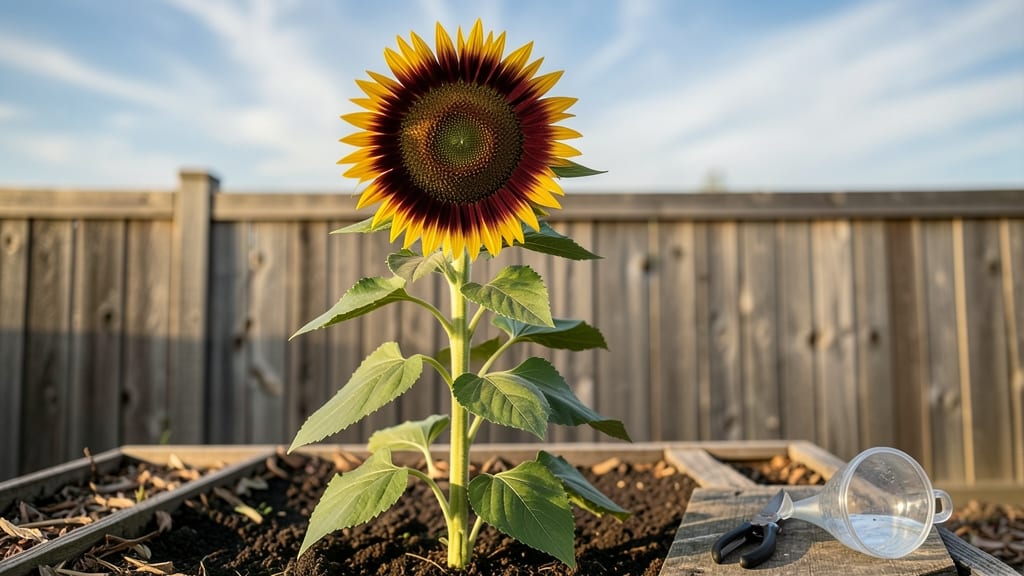
Bi-colored sunflowers turn heads with their bold, two-tone blooms that look like nature’s own abstract art. 🌻 I’ll never forget the first time I saw one—its deep burgundy petals fading into golden centers made my whole garden feel like a living painting.
These sunflowers aren’t just pretty; they’re tough, too, often resisting aphids better than their single-hued cousins.
Their striking patterns make them the star of any flower bed, but they also play well with others. Pair them with lavender for contrast or dusty miller for texture, and watch how their height (up to 6 feet) creates drama in borders or containers.
The bi-color effect works especially well in modern or cottage-style gardens, where their unexpected hues add visual intrigue.
You’ll love how these sunflowers draw pollinators like bees and butterflies while standing strong against common pests. Their bold presence transforms even a small space into a focal point—whether planted in clusters or as single statement pieces.
The best part? Their beauty lasts from summer through fall, giving you long-season interest.
For extra impact, try mixing varieties like ‘Moulin Rouge’ (red-yellow) with ‘Autumn Beauty’ (orange-brown) for a gradient effect. Or use their dried blooms in winter arrangements—they hold their color and shape beautifully. Ready to make your garden unforgettable?
📚 In This Guide
- What you need
- Instructions
- Tips and common mistakes
- Wrapping up and next steps
What you need
- ● Sunflower seeds: Choose a bi-colored variety like ‘Moulin Rouge’ or ‘Autumn Beauty’ (10–20 seeds per plant, ~50–100 seeds total for a small garden).
- ● Well-draining potting soil: 1–2 bags (10–20 lbs each) of organic garden soil or a seed-starting mix.
- ● Containers or garden bed: For seedlings: 3–4" deep pots (6–10 per seedling) or biodegradable peat pots.
- ● For mature plants: Full sun spot (6+ hours/day) in a garden bed or large containers (12"+ depth).
- ● Watering can or hose: With a gentle spray nozzle for seedlings.
- ● Fertilizer: Balanced organic fertilizer (10-10-10) or compost (1 tbsp per plant at planting).
- ○ Stakes or trellis (optional but helpful): 3–4 ft tall for tall varieties (e.g., ‘Russian Giant’).
- ● Gloves: A pair to protect your hands while planting.
- ● Trowel: Small hand trowel for transplanting seedlings.
- ○ Spray bottle: For misting seeds during germination (optional but useful).
- ● Patience: Sunflowers germinate in 7–14 days—resist the urge to overwater!
- ● Neem oil or insecticidal soap: (For aphid prevention—see aphid-resistant tips below!)
- ● Mulch: Straw or shredded leaves to retain moisture.
- ● Grow lights: If starting indoors (12–16 hours of light/day).
- ● Bird netting: To protect seeds from squirrels or birds.
- ● Journal or markers: To label varieties and track growth!
Step-by-step instructions for growing bi-colored sunflowers
Here’s how to grow sunflowers with bold two-tone blooms that stand tall and resist pests naturally.
🌱 Step 1: Choose the Right Variety and Planting Spot
Bi-colored sunflowers like 'Moulin Rouge' or 'Autumn Beauty' thrive in full sun with at least 6-8 hours of direct light daily. I always pick a spot sheltered from strong winds—sunflowers can reach 5-6 feet tall and need support. Test your soil’s drainage by pressing a handful; if it stays clumped, amend with compost to loosen it.
Sunflowers grow best in well-draining soil with a pH between 6.0 and 7.0. You’ll know you’ve got the right conditions when the soil feels slightly moist but crumbles easily when squeezed. Avoid low-lying areas where water pools, as soggy roots invite rot. If your soil is heavy clay, mix in 1 part perlite to 3 parts soil before planting.
🌱 Step 2: Plant Seeds at the Right Depth and Spacing
Sow seeds ½ inch deep and 6 inches apart in rows 18-24 inches apart to give roots room to spread. I like to plant 2-3 seeds per hole and thin later—it’s easier than trying to space tiny seeds perfectly by hand. Press the soil gently around each seed to ensure good contact, then water lightly to settle the soil without disturbing the seeds.
Wait until soil temperatures reach at least 55°F before planting, as cold soil slows germination. You’ll see sprouts in 7-14 days, depending on warmth. If nighttime temps drop below 50°F, cover seedlings with a lightweight row cover until they’re established.
💧 Step 3: Water Deeply and Support as They Grow
Water seedlings at the base 1 inch per week, letting the top inch of soil dry between waterings. Overhead watering can spread disease, so I use a soaker hose or water at the soil line. As stems reach 12 inches tall, add stakes or cages to prevent flopping—sunflowers grow top-heavy fast.
Fertilize lightly with a balanced 10-10-10 formula when seedlings are 4-6 inches tall, but avoid heavy nitrogen—it promotes leafy growth over blooms. You’ll know you’re on track when stems are sturdy and leaves are vibrant green without yellowing. Pinch off any side buds that form early to encourage one strong central bloom.
☀️ Step 4: Protect and Enjoy the Stunning Blooms
Bi-colored sunflowers attract pollinators and deter aphids with their strong stems. If pests appear, spray with a mix of 1 tablespoon mild dish soap per gallon of water—it’s gentle but effective. Deadhead spent blooms to encourage more flowers, and harvest seeds when the back of the flower turns yellow and the seeds rattle inside.
Cut stems at a 45-degree angle just above a leaf node for long-lasting bouquets. The blooms last 5-7 days in water, but the real magic is watching them grow from tiny sprouts to towering works of art. With proper care, your sunflowers will reach their full height and color potential by mid-summer.
Tips & tricks for growing stunning bi-colored sunflowers
Growing sunflowers with vibrant two-tone blooms takes a little extra attention to detail, but these simple tricks will help you achieve those striking heights and beautiful colors without the common pitfalls.
Location is Everything: While the instructions mention full sun, I can't stress enough how critical this is for bi-colored sunflowers. The more direct sunlight your plants receive—especially those crucial 6-8 hours daily—the more vivid their color contrast will be. I've found that southern exposures with afternoon sun work best for the boldest two-tone effects. If you're in a shady area, consider using reflective surfaces like white walls or mirrors to bounce extra light onto your plants.
Soil Prep Secret: The instructions mention testing soil drainage and amending with compost, but here's what nobody tells you—bi-colored varieties actually prefer slightly richer soil than their single-color cousins. Mix in an extra handful of compost per planting hole, and consider adding a sprinkle of bone meal (about 1 tablespoon per plant) at planting time. This gives them the extra nutrients they need to develop those vibrant two-toned patterns. Just don't overdo it—they still need well-draining soil to prevent rot.
Germination Timing: Waiting until soil reaches 55°F is crucial, but here's my pro tip: check soil temperature in the afternoon when it's warmest. Early morning temps can be misleadingly cool. If you're planting in spring and temperatures fluctuate, consider using a soil thermometer for accuracy. I've also found that planting in late afternoon gives seeds a warmer start to their germination process, which can shave a day or two off that 7-14 day window mentioned in the instructions.
Pest Prevention: The dish soap spray mentioned for aphids is fantastic, but I've had even better results with a preventive approach. Once your seedlings reach 4-6 inches tall (when you'd normally fertilize), mix 1 tablespoon of neem oil with the dish soap solution. This combination creates a natural barrier that deters pests before they become a problem. Just be sure to apply it in the early morning so it has time to dry before evening dew forms.
Pro Tips for Bi Colored Sunflowers
- Growing sunflowers with vibrant two-tone blooms takes a little extra attention to detail, but these simple tricks wil...
- Location is Everything: While the instructions mention full sun, I can't stress enough how critical this is for bi-co...
- Soil Prep Secret: The instructions mention testing soil drainage and amending with compost, but here's what nobody te...
Frequently asked questions
Got questions about growing or caring for bi-colored sunflowers? You’re not alone!
Here are answers to the most common queries—from troubleshooting to timing—to help you cultivate these stunning, aphid-resistant beauties with confidence.
Are bi-colored sunflowers harder to grow than regular sunflowers?
Not at all! Bi-colored sunflowers (like Helianthus annuus varieties with striped or two-toned petals) thrive under the same conditions as classic sunflowers. They love full sun (6+ hours daily), well-draining soil, and consistent watering. The key difference? Their unique genetics make them slightly more sensitive to overwatering, so let the top inch of soil dry out between waterings. Start seeds indoors 4–6 weeks before your last frost for best results.
How long does it take for bi-colored sunflowers to bloom?
From seed to bloom, expect 8–12 weeks, depending on the variety. Dwarf types (like ‘Moulin Rouge’) may flower in as little as 60 days, while giant varieties (e.g., ‘Russian Giant’) can take up to 120 days. Pro tip: Plant seeds early in spring or late summer for fall blooms—just ensure nighttime temps stay above 50°F (10°C) to avoid stunted growth.
Are bi-colored sunflowers truly aphid-resistant?
While no plant is 100% immune, bi-colored sunflowers (especially heirloom or open-pollinated varieties) are less appealing to aphids than hybrid or uniform-colored types. Their unique petal patterns can disrupt aphids’ feeding cues. For extra protection, spray with neem oil or introduce ladybugs—nature’s pest patrol! Monitor undersides of leaves for early signs of infestation.
Can I grow bi-colored sunflowers from store-bought seeds?
Store-bought sunflower seeds (like those from grocery stores) are often hybrids bred for uniformity, so they won’t produce bi-colored blooms. For true striped or two-toned flowers, seek out heirloom or open-pollinated seeds from specialty nurseries or seed banks. Brands like Baker Creek Heirloom Seeds or Seed Savers Exchange offer stunning varieties like ‘Teddy Bear’ or ‘Autumn Beauty.’
Why are my bi-colored sunflowers’ petals fading or turning brown?
Fading or brown petals usually signal overwatering, fungal issues, or nutrient deficiencies. Check these fixes:
- Watering: Reduce frequency—sunflowers hate soggy roots.
- Fungus: Improve airflow by spacing plants 12–24 inches apart. Treat with copper fungicide if needed.
- Nutrients: Yellowing leaves? Add a balanced fertilizer (10-10-10) at planting and mid-growth.
If only the tips brown, it’s likely heat stress—provide afternoon shade in extreme heat.
Wrapping up and next steps
Bi-colored sunflowers aren’t just a feast for the eyes—they’re a practical powerhouse for gardeners! Their striking beauty, aphid-resistant traits, and easy cultivation make them a must-have for any plot. Whether you’re a seasoned gardener or just starting out, these sunflowers offer low-maintenance charm with high rewards.
Ready to transform your garden? Grab your seeds, follow the steps, and watch your space bloom with vibrant, resilient sunflowers! 🌻✨ Recap the essentials or dive into planting today!