
Planting
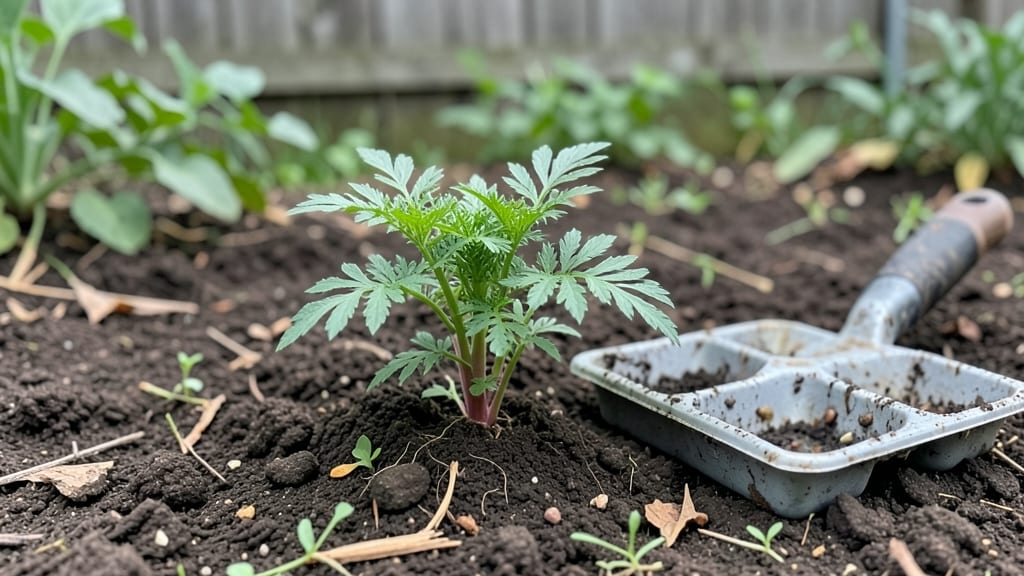
Planting flower seeds transforms a barren patch into a riot of color—if you get the timing and technique right. I’ve turned more than a few sad, sparse rows into lush, blooming gardens by mastering just three key steps: soil prep, seed depth, and gentle watering.
The secret isn’t fancy tools or rare seeds; it’s understanding what each flower actually needs to break through the soil.
Start with loose, well-draining soil—no clumps bigger than a pencil eraser—and mix in compost for nutrients. Tiny seeds like snapdragons need barely a sprinkle of coverage (just enough to block light), while larger seeds like marigolds can sit a quarter-inch deep.
Water lightly but consistently, keeping the soil damp like a wrung-out sponge, not soggy. Most seeds sprout within 7 to 21 days if conditions are perfect—and they will be, once you know the tricks.
By the time those first green shoots appear, you’ll be hooked on the process. Imagine plucking petals from your own zinnias for summer bouquets or watching phlox return year after year.
The payoff comes in layers: instant gratification from early blooms and long-term rewards from perennials that multiply effortlessly. Even my black thumb can’t kill these if I follow the rules.
Whether you’re filling window boxes or restoring a wildflower meadow, these steps adapt to any space. The only mistake you’ll make is waiting to start—so grab those seed packets and let’s get growing.
📚 In This Guide
- What you need
- Instructions
- Tips and common mistakes
- Wrapping up and next steps
What you need
- ● Flower seeds: Choose seeds suited to your climate (check the packet for specifics). Pro tip: Start with easy varieties like marigolds, sunflowers, or zinnias!
- ○ Seed-starting trays or pots: 2–4 inch deep containers with drainage holes (or a seedling flat). Optional: Biodegradable pots for transplanting.
- ● Seed-starting mix: Lightweight, sterile potting soil (avoid garden soil—it’s too dense!). Look for: "seed-starting mix" or "soilless mix."
- ● Watering can or spray bottle: A gentle spray attachment keeps seeds from washing away.
- ● Plastic wrap or humidity dome: To retain moisture while seeds germinate.
- ● Grow lights or sunny windowsill: Seeds need 6–8 hours of light daily (a south-facing window or LED grow light works best).
- ● Plant labels & pencil: Mark trays with seed types and planting dates to avoid mix-ups!
- ● Seedling heat mat ($10–$20): Speeds up germination for slow starters.
- ● Fine-mist spray bottle: For precise watering.
- ● Tweezers: Helps place tiny seeds without crushing them.
- ● Fertilizer (balanced, water-soluble): Dilute to half-strength for seedlings.
- ● Pruners or scissors: For trimming leggy seedlings later.
Step-by-Step instructions for planting flower seeds
Here's how I've learned to plant flower seeds for reliable, show-stopping blooms—no guesswork involved.
Prepare Your Planting Site or Containers
Choose a location with at least 6 hours of sunlight daily for most flowers—check the seed packet for specific light needs. If planting in the ground, loosen the soil to a depth of 6-12 inches with a garden fork or tiller. Remove any rocks or debris that could hinder root growth. For containers, use the 4-inch pots you've prepared, filling them with 2 gallons of seed-starting mix per pot.
I like to add a ¼-inch layer of compost to the top of the soil mix before planting. This gives seeds a nutrient boost right where they need it most. Press down lightly with your fingers to create a firm, even surface—this helps seeds make good contact with the soil and prevents them from washing away during watering.
Plant Seeds at the Correct Depth
Follow the depth guidelines on the seed packet, but remember this general rule: plant seeds at a depth equal to 2-3 times their diameter. Tiny seeds like petunias go in just ⅛ inch deep, while larger seeds like marigolds need ½ inch of coverage. Use your finger or a small stick to create individual holes—don't just sprinkle seeds randomly, or you'll end up with overcrowded seedlings.
I tap the seed packet gently to release one seed at a time into each hole. Planting too many seeds in one spot leads to weak, crowded seedlings that compete for resources. Cover each seed with soil, then lightly press the surrounding earth to settle everything in place. This ensures good seed-to-soil contact for consistent germination.
Water Gently and Maintain Moisture
Use a spray bottle or fine-mist setting on your watering can to dampen the soil surface without disturbing the seeds. The goal is to keep the soil consistently moist but not soggy—think of a wrung-out sponge. Overwatering now can cause seeds to rot before they even sprout, while underwatering prevents them from absorbing moisture to germinate.
I place the containers or marked planting area under a clear plastic dome or sheet to create a mini greenhouse effect. This traps warmth and humidity, which speeds up germination. Check daily and water again if the soil surface feels dry to the touch. Most flower seeds germinate within 7-21 days, depending on the variety and temperature.
Provide Optimal Growing Conditions
Once seeds sprout, remove any plastic covering immediately to prevent damping-off disease—a fungal problem that causes seedlings to collapse. Place your containers in a spot with bright, indirect light for the first week, then gradually introduce them to direct sunlight. If growing outdoors, choose a sheltered location until seedlings develop their first true leaves (the second set after the initial cotyledons).
I keep the soil temperature around 65-75°F for consistent growth—this is especially important for heat-sensitive varieties. Thin seedlings to 2-3 inches apart when they reach 2 inches tall, using small scissors to snip unwanted plants at soil level. This prevents overcrowding and gives remaining plants room to develop strong root systems.
Transplant or Continue Care
When seedlings show 4-6 true leaves and are about 3-4 inches tall, they're ready for their final planting location. If you started them indoors, harden them off by placing them outside for 1-2 hours daily, gradually increasing their outdoor time over 7-10 days. For direct-sown seeds, simply ensure they have enough space as they grow—most flowers need 6-12 inches between plants at maturity.
After transplanting, water deeply to help roots establish, then maintain 1 inch of water per week, adjusting for rain. I mulch around plants with 1 inch of organic mulch to retain moisture and suppress weeds. Watch for first blooms in 6-12 weeks, depending on the flower type—this is your reward for patience and care!
Tips & tricks for perfect flower seed planting
These simple tricks will help you avoid common mistakes and get the most vibrant blooms from your flower seeds.
Soil Preparation Secret: Before adding your compost layer in Step 1, mix in a handful of perlite or coarse sand into your seed-starting mix. This improves drainage and prevents waterlogging, which can cause seeds to rot. I've found this especially helpful for containers where water tends to pool at the bottom.
Seed Spacing Strategy: In Step 2, when creating planting holes, make them just slightly larger than your seed diameter—this prevents crushing delicate seeds. For tiny seeds like petunias, I use the tip of a pencil to create precise holes. This careful spacing also makes thinning seedlings much easier later, as they'll already have their own space to grow.
Germination Environment: The 65-75°F soil temperature mentioned in Step 4 is ideal, but if your home runs cooler, place containers on a heating mat set to 70°F. This creates consistent warmth without overheating. For outdoor plantings, use black plastic mulch to absorb sunlight and raise soil temperature naturally—especially helpful for cold-start gardens.
Transplanting Timing: When hardening off seedlings in Step 5, I gradually increase outdoor time by 30 minutes each day rather than the full 1-2 hours jump. This slower transition helps seedlings adjust to wind and sunlight changes without going into shock. Watch for wilting as your guide—if leaves droop, they're not ready for more sun yet.
Pro Tips for Plant Flower Seeds
- These simple tricks will help you avoid common mistakes and get the most vibrant blooms from your flower seeds.
- Soil Preparation Secret: Before adding your compost layer in Step 1, mix in a handful of perlite or coarse sand into your seed-starting mix.
- Seed Spacing Strategy: In Step 2, when creating planting holes, make them just slightly larger than your seed diameter—this prevents crushing delicate seeds.
Frequently asked questions
Got questions about planting flower seeds? You’re not alone! Here are answers to the most common queries to help you grow confidently.
How deep should I plant flower seeds?
Most flower seeds need to be planted twice as deep as their width. Tiny seeds (like petunias) should barely be covered, while larger seeds (like marigolds) can go deeper. Check the seed packet for specifics—it’s your best guide!
When is the best time to plant flower seeds?
Timing depends on your climate and flower type. Cool-season flowers (like pansies) thrive in early spring or fall, while warm-season blooms (like zinnias) wait until soil is at least 60°F. Always follow the seed packet’s instructions for best results.
How often should I water newly planted seeds?
Keep soil consistently moist (not soggy!) until seeds sprout. Water gently from above to avoid displacing seeds, and use a spray bottle for delicate varieties. Once sprouted, reduce frequency but keep soil damp—overwatering is a common pitfall!
What if my seeds don’t sprout?
Don’t panic! Seeds may need light, warmth, or patience. Try these fixes:
- Check moisture—soil should feel like a damp sponge.
- Ensure proper light (some need darkness to germinate).
- Test seed viability by soaking a few in water for 24 hours.
- Wait longer—some seeds (like poppies) take 2+ weeks.
Can I plant flower seeds in containers instead of a garden?
Containers are great for small spaces or picky climates. Use well-draining soil, ensure pots have drainage holes, and choose compact varieties (like nasturtiums or pansies). Just match container size to root depth—6-inch pots work for most annuals!
Wrapping up and next steps
Planting flower seeds is a rewarding journey that brings bursts of color and life to your space—and you’ve got this! 🌸 By following the right steps—from choosing quality seeds and prepping soil to nurturing with patience—you’ll soon enjoy a thriving garden.
Start small, experiment with varieties, and let your green thumb grow with every seed you sow!
Ready to dive deeper? Pick your favorite flowers, grab your tools, and get planting! Or, if you’re new, check out our pro tips for extra success. Happy gardening! 🌱