
Pests
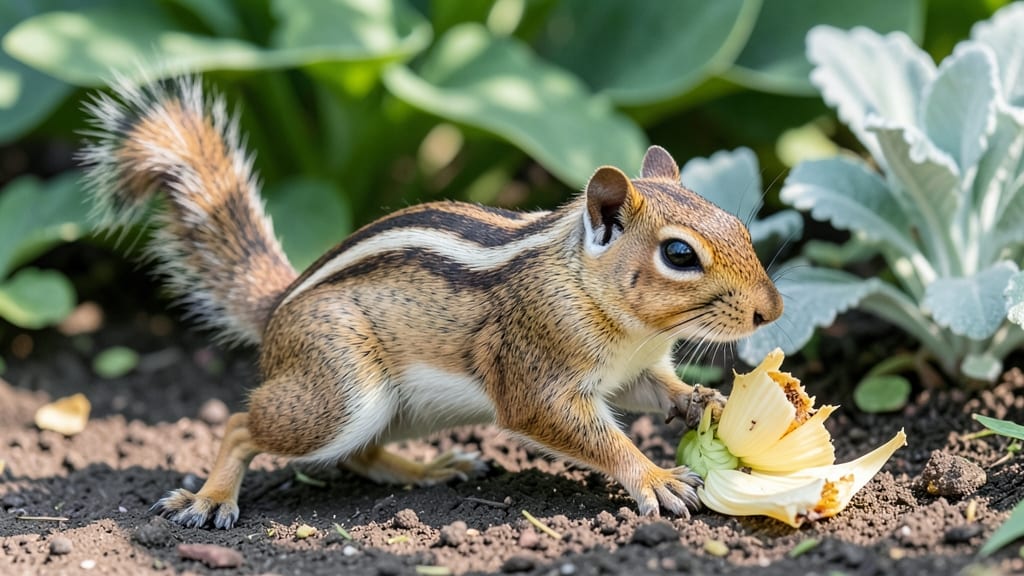
Learn how to keep squirrels from eating your flowers before they turn your tulips into a buffet. I’ve lost count of the spring mornings I woke up to chewed petals and empty bulbs—until I discovered these humane deterrents that actually work without harming wildlife.
The key isn’t scaring them off (they’ll just find another garden) but making your space less appealing than the woods next door.
Most solutions focus on repellents or barriers, but the real game-changer is habitat tweaks. Squirrels dig for bulbs like tulips and daffodils because they’re easy snacks, so I’ll show you how to plant smarter, use natural deterrents, and even redirect their energy toward less destructive snacks.
No traps, no poisons—just clever gardening.
By the end, you’ll have a flower bed that squirrels ignore while still attracting pollinators. Think fragrant lavender left untouched, vibrant peonies standing tall, and bulbs that survive the winter to bloom again. The best part? These methods protect local wildlife while keeping your garden intact.
Whether you’re dealing with a single nuisance or a full-blown squirrel invasion, these strategies adapt to any yard size or flower type. Let’s get started—your garden (and those bulbs) will thank you.
📚 In This Guide
- What you need
- Instructions
- Tips and common mistakes
- Wrapping up and next steps
What you need
- ● Physical barriers: 1–2 rolls of hardware cloth (1/4" mesh, 4' x 10' roll) – covers raised beds or vulnerable plants.
- ● Chicken wire (1/2" mesh, 4' x 10' roll) – lightweight option for smaller gardens.
- ● Burlap sacks or landscape fabric (5' x 10' sheets) – wraps stems or secures around pots.
- ● Repellents (natural or commercial): Hot sauce (1 tbsp cayenne pepper + 1 quart water) – spray on leaves (reapply after rain).
- ● Peppermint oil (10–15 drops per quart of water) – squirrels hate the scent!
- ● Commercial repellent (e.g., Squirrel Stopper or Bobby’s Liquid Fence) – follow label instructions.
- ● Deterrents: Reflective objects (old CDs, aluminum pie pans, or scare tape) – hang near flower beds.
- ● Motion-activated sprinkler (e.g., Orbit Enforcer) – startles squirrels without harm.
- ● Predator decoys (plastic owls or snakes) – move them weekly to stay effective.
- ● Scissors or wire cutters – for trimming barriers.
- ● Spray bottle (16 oz) – for DIY repellent mixes.
- ● Staple gun + staples – to secure fabric/cloth.
- ○ T-posts or stakes (optional) – for anchoring barriers.
- ○ Gloves (optional) – if handling cayenne or peppermint oil.
- ● Compost or mulch – distracts squirrels with food sources away from flowers.
- ● Bird feeders – place them far from gardens to redirect squirrel activity.
- ● Plant squirrel-resistant flowers (e.g., lilies, marigolds, or snapdragons) as a buffer.
Step-by-Step guide to humane squirrel deterrents for flower gardens
Here’s how I’ve kept my flower beds thriving while keeping squirrels at bay—no harm, just clever tactics.
🌱 Step 1: Assess Your Garden’s Vulnerability
Squirrels target flowers that are easy to reach and high in protein or sugar. Start by identifying which plants they’re most drawn to—often annuals like petunias, pansies, or tender perennials like hostas. I mark problem areas with a flag so I can focus deterrents where they’re needed most.
Observe their behavior patterns. Do they strike at dawn, dusk, or midday? Squirrels are most active during these times, so timing your deterrents matters. If you notice them digging near bulbs or climbing fences, those are your weak points. Addressing these first saves time and frustration later.
🪴 Step 2: Install Physical Barriers Strategically
Use chicken wire or hardware cloth (with ¼-inch mesh or smaller) to create a barrier around vulnerable plants. Bend it into a low cylinder, about 12 inches tall, and bury the bottom 2-3 inches into the soil to deter digging. For climbing squirrels, drape it loosely over trellises or fences—they’ll avoid the discomfort without feeling trapped.
For container gardens, place plastic plant saucers upside down over pots. Squirrels can’t balance on the smooth surface, and the slight elevation keeps them from reaching in. I also wrap tree trunks with aluminum foil—the noise and texture confuse them, making them less likely to climb.
☀️ Step 3: Use Motion-Activated Deterrents
A motion-activated sprinkler (like the Orbit Enforcer) is one of the most effective tools I’ve used. Set it to 5-10 second bursts when triggered—squirrels hate the surprise water spray but aren’t harmed. Place units near problem areas, ensuring they cover a 10-15 foot radius. Test it yourself to confirm the spray pattern doesn’t damage your flowers.
For a lower-tech option, hang old CDs or aluminum pie pans from strings near flower beds. The reflective surfaces and noise startle squirrels when they move through the area. I tie them to stakes at head height so they catch the light and create movement that squirrels perceive as a threat.
💧 Step 4: Apply Natural Repellents
Squirrels dislike strong scents, so I mix hot pepper sauce, garlic, and cayenne pepper into a spray (1 tablespoon of each per quart of water). Shake well and spray lightly on leaves and soil around plants—avoid oversaturating, as this can harm flowers. Reapply every 3-5 days or after rain. The capsaicin in peppers irritates their noses and mouths without harming them.
Another trick? Plant squirrel-repelling herbs like mint, lavender, or rosemary near your flowers. Squirrels avoid these strong-scented plants, and they add beauty to your garden. Just be mindful—some herbs can spread aggressively, so contain them in pots if needed.
✂️ Step 5: Monitor and Adjust Your Approach
Check your deterrents weekly to ensure they’re still effective. Replace worn-out chicken wire, refill repellent sprays, and reposition motion sensors if squirrels find a new access point. I keep a journal to track which methods work best in my garden—some years, squirrels ignore barriers but avoid pepper spray, while other years, they adapt to repellents but hate the motion sprinkler.
If you notice squirrels becoming bolder, rotate your tactics. For example, switch from pepper spray to a commercial squirrel repellent (like Bobbex) for a few weeks, then reintroduce physical barriers. Consistency is key—squirrels learn quickly, so mix up your approach to stay ahead of them.
Tips & tricks for effective squirrel deterrents
These practical strategies will help you maintain a squirrel-free garden without harming these clever critters.
Barrier Placement: When installing your 12-inch tall chicken wire barriers, bury the bottom 2-3 inches at a slight angle—this prevents squirrels from digging underneath. For container gardens, use plastic plant saucers upside down as they create an unexpected surface that squirrels avoid. I've found that placing barriers slightly away from plant stems (about 2 inches) gives plants room to grow while still deterring squirrels.
Repellent Application: For the pepper spray mixture, I recommend adding a few drops of dish soap to help the solution stick to leaves and soil. This ensures the repellent lasts longer between applications. When spraying, focus on the leaves and soil surface rather than oversaturating—you want to irritate their senses without harming your plants. Reapply every 3-5 days or after rain to maintain effectiveness.
Motion Deterrent Strategy: Position your motion-activated sprinklers so they cover overlapping zones—squirrels are clever and may find ways around single units. I've had the best results with two sprinklers placed about 10 feet apart, creating a buffer zone that squirrels avoid. For the lower-tech CD option, hang them at slightly different heights to create unpredictable movement patterns that confuse squirrels.
Monitoring System: Keep a simple journal noting which deterrents work best in different seasons. I've discovered that squirrels become more persistent in late summer when food is scarce, so I increase barrier coverage during this time. The weekly check mentioned in Step 5 is crucial—it helps you catch problems before they become major issues and allows you to adjust your approach before squirrels adapt to your current methods.
Pro Tips for Keep Squirrels From Eating Flowers
- These practical strategies will help you maintain a squirrel-free garden without harming these clever critters.
- Barrier Placement: When installing your 12-inch tall chicken wire barriers, bury the bottom 2-3 inches at a slight angle—this prevents squirrels from digging underneath.
- Repellent Application: For the pepper spray mixture, I recommend adding a few drops of dish soap to help the solution stick to leaves and soil.
Frequently asked questions
Got questions about squirrel-proofing your garden? You’re not alone! Here are some of the most common concerns—and straightforward answers—to help you protect your blooms without harming these busy little critters.
What’s the fastest way to stop squirrels from eating my flowers right now?
For an immediate fix, try physical barriers like chicken wire or mesh over vulnerable plants. Spraying hot pepper wax (mix cayenne pepper + water + soap) on leaves also deters them fast. Just reapply after rain!
Do squirrels get used to deterrents over time?
Yes! Squirrels are smart and may adapt to one method (like sprays or noise). Rotate deterrents seasonally—swap pepper sprays for motion-activated sprinklers in summer, or use reflective tape in fall. Consistency is key!
Are there squirrel-safe flowers I can plant to distract them?
Squirrels love sunflowers, corn, or even watermelon more than your prized roses. Plant a sacrificial garden 10+ feet away to lure them elsewhere. Just avoid tulips or daffodils—they’ll dig them up too!
What if squirrels keep coming back after I’ve tried everything?
Check for hidden food sources—pet food, fallen fruit, or even birdseed. Remove these, and secure trash cans with bungee cords. If they’re nesting nearby, humane relocation (contact local wildlife rehabbers) may be needed.
Are commercial squirrel repellents worth the money?
Some work, but many contain harsh chemicals that can harm plants or pets. Opt for pet-safe sprays (like predator urine) or ultrasonic devices. DIY mixes (e.g., garlic + water) are often just as effective—and cheaper!
Still stumped? Drop your specific challenge in the comments—we’ve got more tricks up our sleeves!
Wrapping up and next steps
Keeping squirrels from feasting on your flowers doesn’t have to be a battle—just a smart, humane strategy! 🌸 By combining physical barriers, natural repellents, and environmental tweaks, you can protect your garden while keeping these busy critters happy elsewhere.
Start small, experiment with what works best for your space, and don’t forget to consistency is key—squirrels are clever, but persistence pays off!
Ready to reclaim your garden? Pick one method from this guide and test it this week! Your flowers (and your sanity) will thank you. 🌱✨