
Flowers
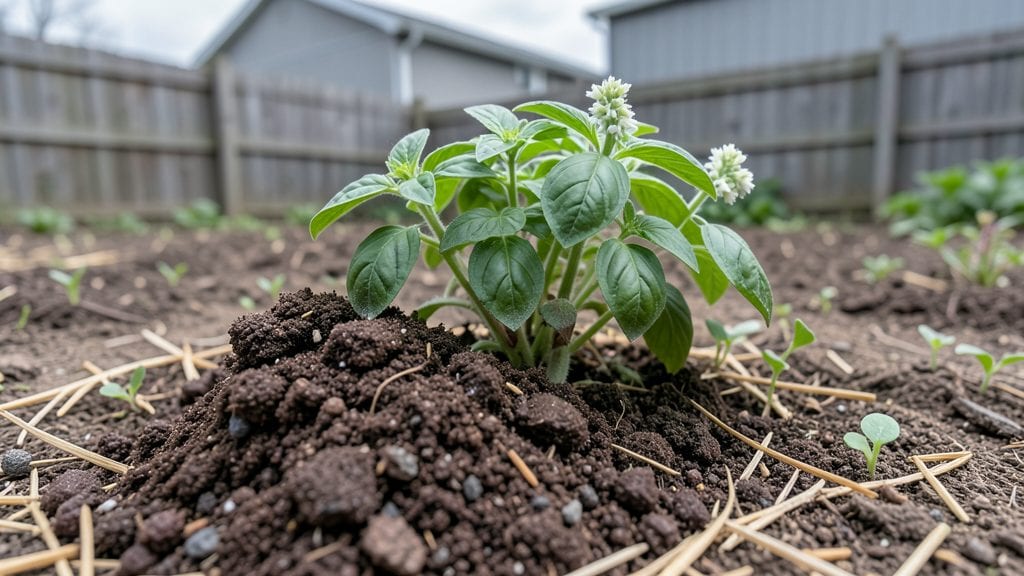
My flower beds used to look like a cat’s personal playground—until I discovered these non-toxic barriers that work in hours, not weeks. 🌿 The key is combining visual deterrents (like reflective tape or prickly mulch) with scents cats hate (citrus peels or commercial repellents).
No more clawed stems or trampled blooms.
You’ll need just a few supplies: 1-2 gallons of mulch, a spray bottle for natural repellents, and maybe some chicken wire if your cats are determined diggers. The best part? These methods keep your plants—and your cats—completely safe. No harsh chemicals, just smart solutions that actually stop the scratching.
Within a week, you’ll see fresh growth pushing through, petals staying intact, and your flower beds looking like the showstopper they should be. The cats move on to less appealing turf (or their own scratching posts), and you get to enjoy your garden without the guilt of toxic sprays.
Works for any outdoor space, from small window boxes to full garden beds. The secret is consistency—reapply deterrents every few weeks, and your flowers will thank you with vibrant blooms all season long.
📚 In This Guide
- What you need
- Instructions
- Tips and common mistakes
- Wrapping up and next steps
What you need
- ● Physical Barriers: Chicken wire (12-gauge, 2-ft tall) – enough to cover the perimeter of your flower bed
- ● Plastic spikes or prickers (non-toxic, 6-8 inches tall) – 1-2 per square foot of bed
- ● Burlap sacks or landscape fabric – cut to fit your flower bed dimensions
- ● Scent-Based Deterrents: Citrus peels (orange, lemon, or grapefruit) – fresh or dried
- ● Coffee grounds – 1-2 cups per section
- ● Vinegar (white vinegar, undiluted) – 1-2 cups for spraying
- ● Essential oils (citrus, eucalyptus, or peppermint) – 5-10 drops per spray bottle
- ● Natural Repellents: Fresh herbs (rosemary, lavender, or mint) – small pots or clippings
- ● Diatomaceous earth (food-grade) – 1-2 cups per section
- ● Prickly plants (like Ornithogalum umbellatum or Euphorbia) – transplant or scatter seeds
- ● Spray bottle (16 oz) – for mixing vinegar or essential oil solutions
- ● Gloves (gardening or work gloves) – to protect your hands from prickly materials
- ● Stakes or small flags – to secure barriers in place
- ● Mulch (pine straw or cedar chips) – adds a natural, aromatic layer
- ● Motion-activated sprinkler (battery-operated) – for extra deterrence 🌧️
Step-by-Step instructions for creating non-toxic cat barriers in flower beds
Here's the no-fuss method I've used to protect flower beds while keeping kitties safe and happy.
🪴 Step 1: Choose Physical Barriers That Work Instantly
Start with chicken wire or hardware cloth (at least 12 inches tall) to create a physical barrier cats can't dig under. I like to bend the wire into a U-shape and bury the bottom 3-4 inches deep—this prevents them from tunneling underneath. For a more decorative look, use ornamental iron fencing (just ensure the spacing is no wider than 2 inches so cats can't squeeze through).
If your flower bed has narrow gaps, fill them with gravel or crushed stone—cats dislike the texture under their paws. I've found that 1-2 inches of gravel along the bed's edge is enough to deter most cats without harming plants. The key is to make the area uncomfortable for them while keeping it accessible for you.
🌿 Step 2: Install Natural Deterrents That Cats Hate
Next, sprinkle citrus peels or coffee grounds around the perimeter of the flower bed. Cats despise the smell, and it's completely safe for plants. I like to use dried orange or lemon peels because they last longer and can be refreshed every 5-7 days. For a stronger effect, mix in crushed eggshells—the sharp edges deter digging without harming the soil.
Another trick is to plant cat-repelling herbs like lavender, rosemary, or thyme along the bed's edge. These not only keep cats away but also add beauty to your garden. Just make sure the herbs are at least 12 inches away from the main flower bed so they don't compete for nutrients.
💧 Step 3: Apply Motion-Activated Deterrents for Extra Protection
Set up motion-activated sprinklers (like the ones designed for gardens) to startle cats with a sudden spray of water. These are non-toxic, reusable, and highly effective—most cats learn to avoid the area after just a few encounters. I place mine 6-8 inches away from the flower bed's edge so the spray covers the entire perimeter without wetting the plants.
If sprinklers aren't an option, try aluminum pie pans or wind chimes near the bed. The noise and movement alone often scare cats away. I've seen cats avoid areas with even a single pie pan—they're just that sensitive to change. Just make sure the objects are secured tightly so they don't become projectiles in windy conditions.
☀️ Step 4: Maintain and Refresh Deterrents Regularly
Check your barriers every 3-5 days to ensure they're still intact. Cats are persistent, so if they find a weak spot, they'll exploit it. Replace worn-out citrus peels or coffee grounds and refill gravel or crushed stone as needed. I keep a small bucket of fresh deterrents nearby to make quick replacements easy.
For physical barriers, inspect for gaps or damage after heavy rain or wind. If you notice any bends in the wire or loose sections, reinforce them immediately. A well-maintained barrier is the best way to keep your flower beds cat-free long-term. With consistent upkeep, you'll see results within a week or two.
Tips & tricks for perfect cat deterrent barriers in flower beds
A few key strategies will help you create a cat-proof garden that actually works the first time—and keeps working.
Barrier Depth Matters: When burying your chicken wire or hardware cloth, don't skimp on the 3-4 inches depth. I learned this the hard way after watching my neighbor's cat tunnel under a barrier buried only 2 inches. The deeper you bury, the harder it is for cats to dig through. For extra security, especially with determined cats, consider doubling the depth to 6 inches in high-risk areas.
Herb Placement Precision: Those cat-repelling herbs like lavender and rosemary need strategic placement. While Step 2 mentions keeping them 12 inches away, I've found that planting them in a staggered pattern along the perimeter creates a stronger psychological barrier. Cats are more likely to avoid areas where they can't easily navigate around the scent. Plus, the visual contrast makes your garden look intentionally designed as a cat-free zone.
Sprinkler Placement Strategy: The 6-8 inches distance for motion-activated sprinklers is perfect, but here's the secret: position them so they cover the most likely entry points. Cats often approach gardens from specific directions, so observe where they tend to linger and place sprinklers there first. I also recommend testing the spray pattern before installation—some models have uneven coverage that might leave gaps.
Maintenance Shortcuts: Instead of checking barriers every 3-5 days, I've found a simple routine works better: set a reminder for every Monday and Thursday. This consistent schedule prevents deterrents from wearing out completely between checks. Keep a small bag of fresh citrus peels and coffee grounds in your gardening shed so replacements are always handy. For physical barriers, I keep a roll of heavy-duty zip ties handy to quickly reinforce any loose sections.
Pro Tips for Cat Deterrent For Flower Beds
- A few key strategies will help you create a cat-proof garden that actually works the first time—and keeps working.
- Barrier Depth Matters: When burying your chicken wire or hardware cloth, don't skimp on the 3-4 inches depth.
- Herb Placement Precision: Those cat-repelling herbs like lavender and rosemary need strategic placement.
Frequently asked questions
Got questions about keeping your flower beds cat-free?
You’re not alone! Here are some common concerns—and practical answers—to help you protect your plants without harming your feline friends.
What’s the fastest way to see results with a cat deterrent?
Most deterrents, like motion-activated sprinklers or prickly mulch, can show results in just a few days. However, consistency is key—cats are creatures of habit, so combine deterrents (e.g., scent + texture) for faster success.
Are there non-toxic options for cats with sensitive stomachs?
Skip citrus peels (toxic if ingested) and opt for pet-safe alternatives like:
- Vinegar-soaked fabric strips (cats hate the smell!)
- Plastic spikes or chicken wire (physical barriers)
- Commercial deterrent sprays labeled "cat-safe"
How long do I need to keep deterrents in place?
Start with 4–6 weeks to break the cat’s routine. Once they’ve learned to avoid the area, you can reduce frequency—but leave deterrents up seasonally (e.g., spring/summer when flowers bloom).
What’s the most budget-friendly deterrent?
DIY solutions win here! Try:
- Coffee grounds (sprinkle around edges—cats dislike the scent)
- Aluminum pie pans (bury shallowly—they hate the noise)
- Dried citrus peels (non-toxic if sealed in mesh bags)
My cat ignores deterrents—what now?
If they’re undeterred, layer defenses:
- Combine scent (vinegar) + texture (spikes) + visual (reflective tape)
- Try a catnip-free alternative like silvervine (cats find it repulsive!)
- Consult a vet to rule out medical issues (e.g., compulsive digging).
Wrapping up and next steps
Protecting your flower beds from curious cats doesn’t have to be a battle—just a smart, non-toxic strategy! 🌿 With the right deterrents like citrus peels, prickly barriers, or motion-activated sprinklers, you can create a safe haven for your plants while keeping your feline friends happy elsewhere.
Start small, test what works best in your garden, and enjoy the peace of mind (and blooms!) that come with it.
Ready to take action? Pick one method today and give your flower beds the defense they deserve!