
Propagation
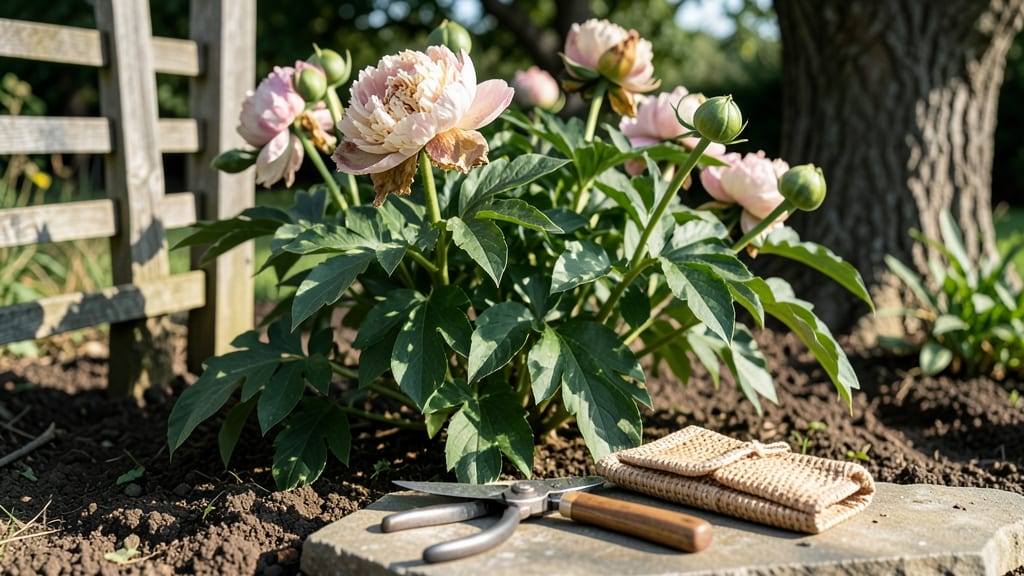
Getting peony seeds from flowers is a backyard experiment that rewards patience with rare, heirloom blooms—though I’ll warn you upfront, it’s not the fastest way to grow peonies. Most gardeners divide mature plants instead, but seed-grown peonies develop unique colors and forms that cuttings can’t match.
The catch? Those fluffy seed pods need stratification—a cold trick to break dormancy—before they’ll sprout. I’ve tried this three times, and the third batch finally broke through after six months in the fridge.
The process starts in late summer when those round seed pods turn from green to brown and split open. Collect them before they scatter seeds everywhere, then let them dry completely in a paper bag for a week.
After that, the real waiting game begins: store the seeds in a sealed container with damp sand or peat moss, then refrigerate for 120–180 days to mimic winter. This cold treatment mimics the natural cycle peony seeds rely on to germinate—skip it, and you’ll be disappointed by stubbornly empty soil.
What you’ll end up with, if all goes right, are delicate seedlings that take 2–3 years to bloom—but the first flowers will be worth the wait. Imagine a peony in a shade of pink or yellow you’ve never seen before, or a double bloom so dramatic it stops neighbors mid-conversation.
The trade-off? Seedlings grow slower than divisions, and not every seed will germinate. Still, for the adventurous gardener, there’s no other way to discover what peonies might become.
If you’re serious about peonies, I’d recommend saving seed collection for a side project—grow a few from seed while you divide established plants for reliable blooms next season. That way, you get the best of both worlds: immediate gratification from divisions and the thrill of a long-term experiment with seeds.
The stratification method works for other perennials too, like delphiniums or columbines, so you’ll have a new trick for your gardening toolkit.
📚 In This Guide
- What you need
- Instructions
- Tips and common mistakes
- Wrapping up and next steps
What you need
- ● Mature peony flowers: Choose fully bloomed, healthy peony flowers (preferably Paeonia lactiflora or Paeonia officinalis for best results). You’ll need at least 5-10 flowers to yield viable seeds.
- ● Small container or bowl: A shallow dish or container (e.g., 6-inch ceramic or plastic bowl) to collect seeds and debris.
- ● Tweezers or fine-tipped scissors: For gently extracting seeds from the flower heads without damaging them.
- ● Paper towels or coffee filters: To dry seeds and separate them from excess plant material.
- ● Plastic bag (resealable): A quart-sized zip-top bag for seed stratification (label it with the date!).
- ● Moistened peat moss or coconut coir: 1 cup of damp (not soggy) medium for stratification. Mix with 1 part water to 2 parts peat moss.
- ● Refrigerator or cold frame: A space to maintain temperatures between 35–45°F (2–7°C) for 3–6 months.
- ● Planting pots or seed trays: Small 2–3 inch pots or trays with drainage holes for sowing stratified seeds.
- ● Well-draining potting mix: A blend of 50% peat moss, 30% perlite, and 20% compost.
- ● Spray bottle: For lightly misting seeds and soil to keep them moist.
- ● Seed germination mat: To provide bottom heat (70–75°F / 21–24°C) after stratification for faster sprouting.
- ● Humidity dome or plastic wrap: To create a mini greenhouse effect while seeds germinate.
- ● Grow lights: If sowing indoors and natural light is limited (peony seeds need 12–16 hours of light/day).
- ● Journal or labels: To track seed varieties, stratification dates, and germination progress.
- ○ Fungicide (optional): A mild solution like neem oil or hydrogen peroxide (3%) to prevent mold during stratification.
How to extract and stratify peony seeds for successful germination
Peonies grow from seed, but their germination requires patience and the right timing—here's how to break dormancy and coax those seeds to sprout.
Harvest Ripe Seeds From Mature Peony Flowers
Wait until the peony seed pods turn from green to a papery brown, which typically happens in late fall after the blooms have fully faded. The pods will split open on their own, revealing small, dark seeds inside. Collect them immediately—delaying harvest lets seeds scatter or dry out.
Gently pry open any unopened pods with your fingers, then remove the seeds by hand. Avoid shaking them out, as the delicate seed coats can crack. Place the seeds in a paper envelope and label them with the harvest date—this helps track stratification progress.
Perform Cold Stratification to Break Dormancy
Peony seeds require 3-4 months of cold stratification to mimic winter conditions and trigger germination. Mix the seeds with a moistened potting mix (not garden soil) in a sealed plastic bag. Store the bag in your refrigerator's crisp drawer (around 35-40°F), where it stays consistently cold but not freezing.
Check the bag monthly to ensure the mix remains damp but not soggy. If you notice mold or a foul smell, discard the seeds and start fresh—this indicates too much moisture. The stratification period is critical; skipping it results in seeds that either fail to sprout or grow weakly.
Sow Stratified Seeds in a Controlled Environment
After stratification, sow the seeds ¼ inch deep in a well-draining potting mix in small pots or a seed tray. Keep the soil lightly moist but never waterlogged—peony seeds rot quickly if overwatered. Place the pots in a bright, indirect light area (like a north-facing window) and maintain 65-70°F temperatures.
Germination can take 4-8 weeks, so be patient. You’ll know it’s working when the first true leaves appear—these will look like tiny, rounded cotyledons. Avoid disturbing the seedlings once they emerge; peonies are sensitive to root disruption.
Transplant Seedlings to a Permanent Garden Spot
Once seedlings develop 3-4 true leaves (usually in late spring), they’re ready for transplanting. Choose a sunny, well-draining location with 6+ hours of direct sunlight daily. Peonies hate soggy roots, so amend heavy soil with compost to improve drainage.
Dig a hole twice as wide as the seedling’s root ball but only as deep as the container. Gently remove the seedling, place it in the hole, and backfill with soil, pressing lightly to eliminate air pockets. Water deeply to settle the soil and encourage root establishment.
Provide Long-Term Care for Young Peony Plants
Peony seedlings grow slowly at first, so avoid fertilizing during their first year—too much nitrogen promotes leafy growth at the expense of root development. Instead, focus on consistent watering (about 1 inch per week) and mulching with 2-3 inches of organic mulch to retain moisture and regulate soil temperature.
By their second year, you’ll see stronger growth and the first buds forming. It takes 3-5 years for peonies grown from seed to bloom, but the wait is worth it for the vibrant, fragrant flowers that follow. Mark their location well—they’ll reward your patience for decades.
Tips & tricks for perfect peony seed germination
These subtle but crucial details make all the difference between a failed attempt and thriving peony seedlings.
Timing is Everything in Step 1: Harvest those seed pods precisely when they turn papery brown—any earlier and they're still green and unripe; any later and they'll split open naturally, scattering seeds. I've learned this the hard way after watching seeds disappear overnight. Work on a dry day to prevent moisture from causing the pods to split prematurely.
Stratification Secrets: The 3-4 months of cold stratification at 35-40°F is non-negotiable for peony seeds. I store mine in a plastic bag with a tiny air pocket at the top to prevent condensation buildup, which can lead to mold. Place a damp paper towel inside the bag to maintain moisture without making it soggy—this mimics natural winter conditions perfectly.
Sowing Precision in Step 3: When planting those ¼-inch-deep seeds, use a fine-tip tool or your finger to create individual holes—crowding them leads to competition for nutrients and stunted growth. I label each pot with the sowing date and variety if I'm growing multiple types, which helps track germination progress and expected bloom times.
Lighting Strategy: That bright, indirect light requirement in Step 3 is critical. I place my seed trays on a north-facing windowsill where they get soft morning light but avoid harsh afternoon sun that can scorch delicate seedlings. If natural light is limited, supplement with a grow light kept 6 inches above the pots for 12-14 hours daily.
Pro Tips for Get Peony Seeds From Flower
- These subtle but crucial details make all the difference between a failed attempt and thriving peony seedlings.
- Timing is Everything in Step 1: Harvest those seed pods precisely when they turn papery brown—any earlier and they're still green and unripe; any later and they'll split open naturally, scattering seeds.
- Stratification Secrets: The 3-4 months of cold stratification at 35-40°F is non-negotiable for peony seeds.
Frequently asked questions
Got questions about harvesting and germinating peony seeds? You’re not alone—this process can be tricky! Below, we’ve answered the most common questions to help you navigate the journey from flower to new peony plants with confidence.
How do I know when peony seeds are fully ripe and ready to harvest?
Peony seeds are ready when the seed pods turn brown and papery, usually 4–6 weeks after flowering. Gently squeeze the pod—if it opens easily, the seeds inside are mature. Harvest them on a dry day to prevent mold. Pro tip: Wear gloves; peony seed pods can be prickly!
Why do peony seeds need stratification, and how long should I wait?
Peony seeds require cold stratification (40–50°F for 3–6 months) to break dormancy. This mimics winter conditions, tricking seeds into germinating. Plant them in fall or refrigerate in a damp paper towel for 3 months before sowing. Patience is key—rushing can lead to rot!
Can I grow peony seeds indoors, or do they need to be planted outside?
Yes! Start seeds indoors in pots with well-draining soil (mix in perlite) under grow lights. Keep soil moist but not soggy. Once seedlings sprout (spring), harden them off before transplanting outdoors after the last frost. Warning: Peonies hate transplant shock—give them time to establish roots!
What if my peony seeds won’t germinate? Troubleshooting tips?
Try these fixes:
- Check moisture: Seeds need consistent dampness (not wet). Use a spray bottle.
- Verify stratification: Ensure seeds got enough cold time (3+ months).
- Test seed viability: Soak a few in water—sinkers are good; floaters may be dead.
- Adjust light: Seeds need bright indirect light (no direct sun).
Are peony seeds true to the parent plant’s color?
Nope! Peony seeds are unpredictable—seedlings may bloom in wildly different colors or forms. For consistent traits, propagate via division or grafting. Save seeds for fun hybrids or donate extras to fellow gardeners!
Wrapping up and next steps
Growing peonies from seed is a rewarding journey that blends patience with the joy of nurturing life! By mastering stratification and following the right steps—from collecting mature seeds to cold therapy—you’ll unlock the potential for stunning blooms in your garden. 🌱
Ready to take the next step? Start small with a few seeds in a controlled environment, and soon you’ll be sharing your green thumb success with fellow plant enthusiasts. Happy gardening!