
Flowers
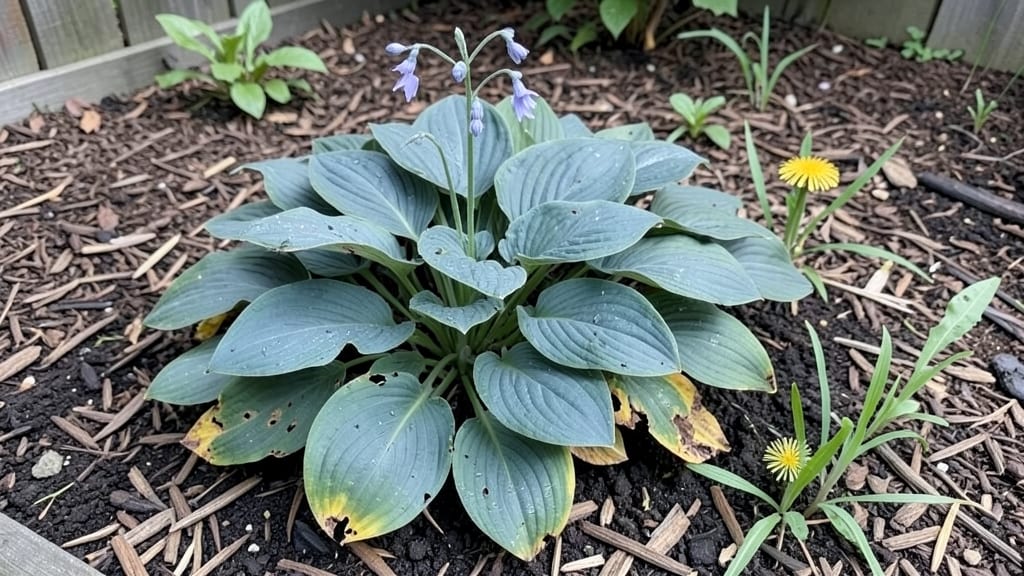
A hosta flower bed transforms shady corners into lush, low-maintenance paradises where every leaf feels like a velvet invitation. 🌿 I’ve designed mine around bold foliage pairings—think deep blue hostas with chartreuse astilbes or golden variegated varieties next to ferns—that thrive without constant pruning.
The secret lies in layering textures: tall grasses for movement, ground covers to fill gaps, and seasonal bloomers like hellebores or bleeding hearts that keep interest alive even when hostas nap in winter.
Start with your shadiest spot—hostas adore dappled light to full shade—and group them by size, placing the largest varieties at the back. Mix in perennials that love the same conditions: lungwort for delicate foliage, Japanese forest grass for airy height, or coral bells for pops of color.
Mulch heavily with shredded bark to suppress weeds and retain moisture, cutting back only the most ragged growth in early spring. This bed stays vibrant with almost no summer fuss.
By summer, your design becomes a textured tapestry: hosta leaves glisten like polished jade, astilbes sway in the breeze, and hellebores nod their delicate blooms. Even in winter, the structure remains—dried grasses add movement, and hosta crowns peek through snow like hidden treasures.
The best part? You’ll spend more time admiring than pruning, with a garden that feels alive year-round.
Works for any shade garden, from city courtyards to woodland edges. Let’s build yours—one layered plant at a time.
📚 In This Guide
- What you need
- Instructions
- Tips and common mistakes
- Wrapping up and next steps
What you need
- ● Hosta plants: Choose 10-20 varieties (e.g., Hosta plantaginea, Hosta sieboldiana) based on size, color, and texture preferences.
- ● High-quality garden soil: 5-10 cubic yards (depending on bed size) with 50% organic matter (compost, peat moss, or well-rotted manure).
- ● Mulch: 2-3 inches of shredded bark or pine needles to retain moisture and suppress weeds.
- ● Garden gloves: A pair of durable, breathable gloves (e.g., Wolfe Growers or Fiskars).
- ● Pruners: Bypass pruners for clean cuts (e.g., Felco F-2).
- ● Garden trowel or spade: For digging and transplanting.
- ● Watering can or hose with a gentle spray nozzle: Hostas love consistent moisture!
- ● Slow-release fertilizer: 10-10-10 or organic options like composted cow manure (apply once yearly).
- ● Decorative stones or edging: For a polished look (e.g., flagstone or metal garden edging).
- ● Ground cover plants: Ferns, ajuga, or heuchera to fill gaps and add texture.
- ● Landscape fabric: To reduce weeds before mulching (lay under mulch, not soil).
- ● Garden kneeler: For comfort while planting.
- ● String lights or solar-powered stakes: For a magical evening glow.
Step-by-step guide to creating a thriving hosta flower bed
Hostas bring year-round beauty with their bold foliage and occasional blooms—here's how to design and maintain one that stays lush with minimal effort.
🪴 Step 1: Choose the Perfect Location and Prepare the Soil
Hostas thrive in partial to full shade, making them perfect for shady garden spots. I always pick a location with 4-6 hours of morning sun at most—too much afternoon sun scorches their leaves. Test the soil by digging a 6-inch deep hole; if it's hard or rocky, amend it with 3 inches of compost mixed into the top 12 inches of soil.
Hostas prefer moist, well-draining soil with a pH between 6.5 and 7.5. If your soil drains poorly, add 1 inch of coarse sand or perlite to improve aeration. I like to spread a 2-inch layer of mulch (like shredded bark) over the bed after planting—this keeps roots cool and retains moisture without smothering the plants.
🌱 Step 2: Select and Plant Hostas for Year-Round Interest
For a 4-person flower bed, I recommend planting 9-12 hostas of varying heights and colors. Mix tall varieties (24-36 inches) like 'Blue Angel' with medium (12-18 inches) like 'Halcyon' and low-growing (6-12 inches) like 'Francee' for texture. Space them 18-24 inches apart—closer for smaller varieties, wider for larger ones.
Dig holes twice as wide as the root ball and deeper by 1 inch to encourage root spread. Gently remove the plant from its container, loosen the roots if they're circling, and place it in the hole so the crown sits just below soil level. Backfill with soil, firm lightly, and water deeply to settle everything. I avoid planting in extreme heat—early spring or fall is ideal.
☀️ Step 3: Water and Mulch for Healthy Growth
Water newly planted hostas deeply every 2-3 days until they establish roots (4-6 weeks). You'll know they're settled when the soil stays moist 2 inches down between waterings. After establishment, water once a week unless it rains, aiming for 1 inch of water per week—hostas hate soggy roots but tolerate dry spells better than many plants.
Spread 2-3 inches of mulch around each plant, keeping it 2 inches away from stems to prevent rot. I use shredded hardwood mulch because it breaks down slowly and improves soil as it decomposes. Refresh the mulch layer in early spring to maintain its thickness and suppress weeds naturally.
✂️ Step 4: Prune and Maintain for Year-Round Beauty
Hostas need minimal pruning—just remove dead or yellowed leaves in early spring before new growth starts. Cut them back to the crown (the base of the plant) with clean, sharp shears. I also trim overly long flower stalks after blooming to redirect energy into foliage, but this is optional unless the stalks look unsightly.
Divide hostas every 3-4 years in early spring or fall if they crowd their neighbors. Dig up the plant, separate the clumps with a sharp knife, and replant the healthiest divisions. This keeps your bed looking fresh and prevents pests that thrive in overcrowded conditions. Fertilize lightly in early spring with a balanced 10-10-10 fertilizer—hostas aren't heavy feeders, so too much causes weak growth.
🌿 Step 5: Protect and Enjoy Year-Round Interest
Hostas are deer-resistant but may attract slugs in damp climates. I place copper tape barriers around the bed in early summer to deter them. In winter, the dried leaves provide natural insulation, so I only remove them in late winter when new shoots appear. This protects the crowns from freezing and thawing cycles.
Add companion plants like ferns, astilbes, or heucheras to fill gaps and extend the bed's appeal. These shade-loving plants thrive in the same conditions and create a layered, textured look. Step back and admire your work—hostas reward patience with bold foliage, occasional blooms, and a serene garden corner that needs almost no upkeep.
Tips & tricks for perfect hosta flower beds
These simple strategies will help you create a thriving hosta display that stays vibrant with almost no effort.
Sunlight Secret: That 4-6 hours of morning sun is key—hostas can handle shade all day, but morning light prevents leaf scorch. If your spot gets afternoon sun, consider adding taller hostas like 'Blue Angel' at the back to create natural shade for smaller varieties in front. I've seen hostas in full shade thrive, but they'll grow more slowly.
Soil Prep Pro Tip: When testing your 6-inch deep soil hole, look for signs of compaction. If the soil feels hard or dense, mix in that 3 inches of compost AND add a handful of coarse sand or perlite to improve drainage. Hostas hate soggy roots but love moisture—this combo gives them both. For clay-heavy soil, I recommend adding perlite to help break up the compacted texture.
Planting Strategy: The 18-24 inch spacing might seem generous, but trust me—hostas spread over time. Planting them slightly wider than recommended now saves you from dividing plants sooner. For a 4-person bed, I arrange them in a staggered pattern: tall in back, medium in middle, and low-growing varieties in front. This creates layers and prevents any one plant from being overshadowed.
Watering Wisdom: Those first 4-6 weeks are critical for root establishment. I use a rain gauge to track my weekly inch of water—it's amazing how much difference precise measurement makes. For container hostas, water when the top inch of soil feels dry. And here's a trick: water in the morning so the leaves have time to dry before evening, preventing fungal issues.
Pro Tips for Hosta Flower Bed
- These simple strategies will help you create a thriving hosta display that stays vibrant with almost no effort.
- Sunlight Secret: That 4-6 hours of morning sun is key—hostas can handle shade all day, but morning light prevents leaf scorch.
- Soil Prep Pro Tip: When testing your 6-inch deep soil hole, look for signs of compaction.
Frequently asked questions
Got questions about creating and maintaining a stunning hosta flower bed? You’re not alone! Here are answers to the most common queries—from planting tips to troubleshooting—so you can enjoy year-round lushness with ease.
How do I choose the best hostas for a shade garden?
Opt for Hosta plantaginea (fragrant blooms), Hosta lancifolia (arching leaves), or Hosta sieboldiana (giant varieties) for shade tolerance. Look for thick, glossy foliage—these traits signal hardiness. Pro tip: Mix textures (narrow vs. broad leaves) for visual interest!
When is the ideal time to plant hostas?
Plant in early spring (after last frost) or early fall (6 weeks before first frost). Avoid extreme heat—hostas despise wilting! For containers, plant anytime soil isn’t frozen. Bonus: Divide mature clumps in spring for free plants.
Why are my hosta leaves turning yellow or spotted?
Yellow leaves often mean overwatering or nutrient deficiency (add compost!). Spots? Likely slugs or fungus (try diatomaceous earth or copper tape). Prevent slugs: Mulch with cedar chips—they hate the scent!
Can hostas thrive in partial sun?
Yes! Most hostas tolerate morning sun + afternoon shade. Avoid harsh afternoon rays (leaves scorch). For sunnier spots, pick Hosta ‘Halcyon’ or ‘Francee’—they handle light better. Test your spot: If it’s dry by noon, add shade.
What’s a low-maintenance alternative to hostas?
Try heuchera (coral bells) for bold foliage, astilbe (feathery plumes), or ferns (like Matteuccia struthiopteris). All love shade, need minimal pruning, and deter pests. Win-win: Pair with hostas for layered texture!
Still stumped? Drop your hosta woes in the comments—we’re happy to help!
Wrapping up and next steps
Creating a hosta flower bed is a rewarding way to add year-round lushness to your garden with minimal upkeep! 🌿 These shade-loving plants thrive with just a little care, offering vibrant foliage and even delicate blooms in summer.
Whether you're a seasoned gardener or a beginner, a hosta bed is a low-maintenance, high-impact project that will keep your outdoor space vibrant and serene.
Ready to transform your space? Start by picking your favorite varieties, prepping the soil, and planting with confidence. Your dream hosta oasis is just a few steps away—happy gardening! 🌱