Flowers
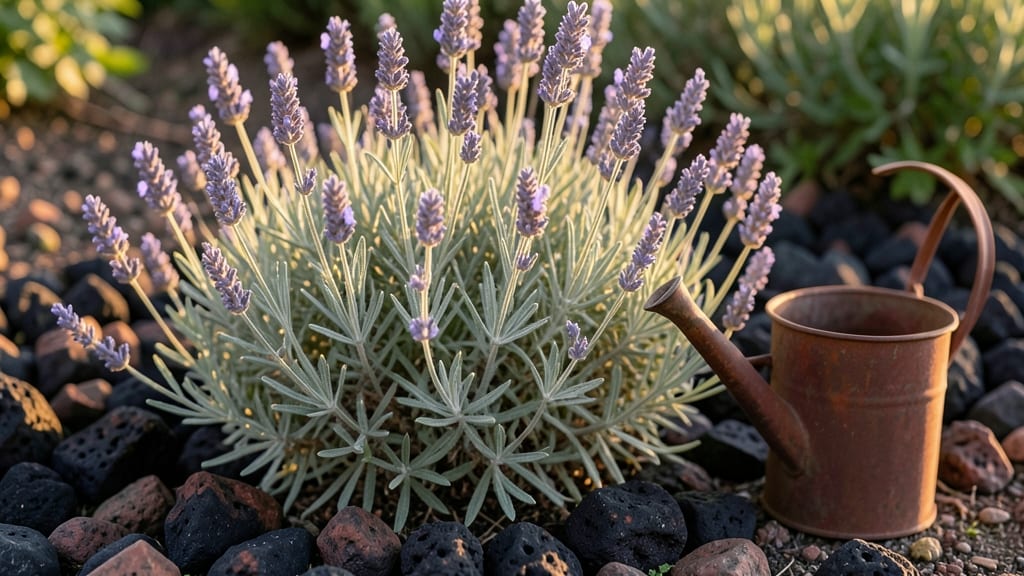
Transform your yard with a lava rock flower bed that looks like a desert oasis but requires almost no maintenance. 🌵 The sharp contrast of black volcanic rock against vibrant blooms creates a striking visual that stays stunning year-round, even in hot, dry climates.
This isn’t just about looks—lava rock improves drainage, reduces weeds, and keeps soil temperatures stable, making it perfect for drought-tolerant plants like succulents, agave, and lavender. The rocks also reflect sunlight, protecting delicate roots from overheating while giving your garden that bold, modern desert vibe.
You’ll end up with a bed that needs watering half as often as traditional gardens, stays weed-free naturally, and becomes the focal point of your outdoor space. The right plant choices mean you’ll have color from spring through fall, with evergreen texture in winter.
Works in full sun or partial shade, and adapts to containers or large in-ground beds. Whether you’re going for a sleek minimalist look or a wild, natural desert feel, this design delivers drama with minimal effort.
📚 In This Guide
- What you need
- Instructions
- Tips and common mistakes
- Wrapping up and next steps
What you need
- ● Lava rock: 1–2 cubic yards (depending on bed size; ½"–1" diameter for texture and drainage).
- ● Drainage fabric: 1 roll (landscape fabric, 3–4 ft wide) to prevent soil mixing with rocks.
- ● Gravel or crushed stone: 1–2 bags (½"–1" size) for a base layer (½" depth).
- ● Soil: 1–2 bags of cactus/succulent mix or well-draining potting soil (avoid clay-heavy blends).
- ● Drought-tolerant plants: 5–10 succulents (e.g., sedum, echeveria, or agave).
- ● 3–5 perennials (e.g., lavender, yarrow, or Russian sage).
- ● 1–2 annuals (e.g., blanket flower or desert marigold) for pops of color.
- ○ Mulch (optional but recommended): 1 bag of decorative gravel (e.g., white pebbles or black lava chips) for contrast.
- ● Garden tools: Shovel or spade.
- ● Rake (for leveling).
- ● Wheelbarrow (for moving rocks/soil).
- ● Garden gloves (to protect your hands!).
- ● Measuring tape and stakes (to mark bed outlines).
- ● Watering can or hose with a gentle nozzle (lava rock beds need minimal water!).
- ● Pruning shears (for shaping plants).
- ○ Optional: Edging material (metal or plastic) for clean lines.
- ● Solar-powered landscape lights (to highlight your bed at night!).
Step-by-Step instructions for creating a striking lava rock flower bed
Here's how to craft a bold, drought-resistant landscape feature that demands attention while requiring minimal upkeep.
🪴 Step 1: Prepare the Base and Install Edging
Start by marking your bed's dimensions with landscape spray paint, keeping in mind the 4-foot width will provide ample planting space while maintaining a dramatic look. Remove all existing vegetation and top 6 inches of soil to create a clean slate. I like to use a landscape fabric (heavyweight, 3-ounce) to suppress weeds—lay it down before adding lava rock to prevent future invasions.
Install flexible metal or plastic edging along the perimeter to contain the lava rock and plants. Drive stakes every 2 feet to secure it firmly. The edging should stand 2-3 inches tall above the finished bed level to prevent rock spillage while allowing water to drain properly. This is the foundation that will keep your design crisp and intentional.
💧 Step 2: Layer the Lava Rock for Proper Drainage
Spread a 2-inch base layer of #57 lava rock (the largest size) across the prepared area. This creates essential drainage while maintaining the bed's height. Use a rake to distribute it evenly, leaving no gaps larger than 1 inch between rocks. The larger stones at the bottom prevent compaction and allow water to flow freely through the bed.
Next, add a 3-inch layer of #14 lava rock (medium-sized) on top of the base layer. This creates visual texture while still allowing water penetration. I like to arrange the medium rocks in a slightly staggered pattern—this mimics natural rock formations and gives the bed a more organic, intentional look. Press down lightly to settle the rocks without compacting the layers below.
☀️ Step 3: Amend Soil and Plant Drought-Tolerant Specimens
Fill the remaining space with a cactus and succulent soil mix (or regular potting soil amended with 20% perlite for extra drainage). This lightweight mix prevents root rot while supporting plants that thrive in arid conditions. I like to create 3-4 planting pockets per 4-foot section, each 6-8 inches deep and 12 inches wide—this gives roots room to establish without overcrowding.
Choose plants that complement the rock's dramatic texture: sedum for cascading color, agave for bold structure, or lavender for fragrant contrast. Space them 12-18 inches apart to allow for mature growth. Water immediately after planting to settle the soil around roots, but avoid soaking—you want the lava rock to stay dry to prevent erosion.
✂️ Step 4: Mulch and Finalize the Design
Spread a 1-inch layer of #89 lava rock (smallest size) over the soil surface to complete the look. This top layer suppresses weeds, retains moisture near plant roots, and adds the final textural contrast. Use a fine-mesh screen to sift the small rocks evenly—this prevents clumping and creates a polished finish.
Add 3-4 accent plants in 6-inch pots at strategic points for immediate impact. I often place a spherical rosemary or orange-flowered ice plant near the center to draw the eye. Water lightly after planting, then reduce irrigation to once every 2-3 weeks—the lava rock's heat-retaining properties will help establish your plants without overwatering.
Tips & tricks for perfect lava rock flower bed design
Creating a stunning lava rock flower bed is all about the details that make it both functional and visually striking. Here are my go-to strategies for achieving that desert-inspired look with minimal maintenance.
Rock Layering Strategy: For that authentic desert aesthetic in Step 2, I recommend adding a 1-inch layer of #34 lava rock between your #57 and #14 layers. This creates subtle textural transitions that mimic natural rock formations. When arranging the #14 lava rock, leave small gaps (about ½ inch) between larger rocks to create natural-looking voids where you can tuck in smaller plants later. This technique prevents a uniform, artificial look while maintaining proper drainage.
Soil Preparation Secret: In Step 3, when amending your soil with 20% perlite, I've found that adding 10% coarse sand (like horticultural-grade sand) creates even better drainage without compromising nutrient retention. Mix this thoroughly before planting—it prevents compaction and mimics the mineral-rich desert soils that drought-tolerant plants thrive in. This small adjustment makes all the difference for plants like agave and sedum that hate soggy roots.
Plant Placement Psychology: For that "wow" factor in Step 4, I strategically place my 3-4 accent plants using the "rule of thirds" principle. Position one focal plant near each corner of the 4-foot section, with the remaining plant centered. This creates visual balance while drawing the eye through the entire bed. For height variation, I always plant the tallest specimen (like agave) at the back of the bed, even if it's not perfectly centered—it creates that natural, slightly wild look that lava rock beds excel at.
Long-Term Maintenance Hack: To keep your bed looking pristine with minimal effort, I've developed a seasonal maintenance routine. After the initial planting, I apply a pre-emergent herbicide specifically designed for rock gardens in early spring, then repeat in early fall. This single step eliminates 90% of weed pressure while allowing your drought-tolerant plants to thrive. The lava rock's natural heat helps break down any weeds that do appear, so you'll spend less than 10 minutes per month on upkeep—trust me, this is a game-changer for busy gardeners.
Pro Tips for Lava Rock Flower Bed
- Creating a stunning lava rock flower bed is all about the details that make it both functional and visually striking.
- Rock Layering Strategy: For that authentic desert aesthetic in Step 2, I recommend adding a 1-inch layer of #34 lava rock between your #57 and #14 layers.
- Soil Preparation Secret: In Step 3, when amending your soil with 20% perlite, I've found that adding 10% coarse sand (like horticultural-grade sand) creates even better drainage without compromising nutrient retention.
Frequently asked questions
Got questions about creating a stunning lava rock flower bed?
You’re not alone! Here are answers to the most common queries to help you design a showstopping desert-inspired garden with ease.
How do I choose the right lava rock size for my flower bed?
The ideal size depends on your design goals. Smaller pebbles (½–1 inch) create a fine, textured look perfect for ground cover or edging, while larger rocks (1.5–3 inches) add bold drama and work well for focal points. Mix sizes for a natural, layered effect—just avoid anything sharp that could harm plant roots!
When is the best time to install a lava rock flower bed?
Spring or early fall are the best times to install your lava rock bed. Spring lets plants establish roots before summer heat, while fall avoids competition with summer weeds. Avoid winter in cold climates—frost can damage tender plants. Pro tip: Prepare the bed in advance (remove weeds, level soil) to save time during planting season!
Can I use lava rock in a flower bed with delicate or shallow-rooted plants?
Yes, but with caution! Lava rock is porous and drains quickly, which can dry out shallow-rooted plants like succulents, impatiens, or ferns. Solution: Mix in 3–4 inches of organic mulch (like bark or compost) under the rocks to retain moisture. For delicate flowers, opt for larger gaps between rocks to prevent root suffocation.
Is lava rock more expensive than regular gravel or mulch?
Cost varies by region, but lava rock is typically mid-range—more expensive than basic gravel but often cheaper than premium mulch like cedar chips. Bulk purchases (50+ lbs) slash costs, and its long-term durability (won’t decompose like mulch) can save money over time. Check local landscaping suppliers for deals!
How do I keep weeds from growing through the lava rock?
Weeds are the nemesis of lava rock beds! Prevent them with:
- Landscape fabric (punctured for plants) under the rocks to block weed seeds.
- Pre-emergent herbicide applied to bare soil before adding rocks.
- Regular maintenance: Pull weeds early and top-dress with fresh rocks as they sink.
For a low-maintenance look, pair rocks with ground covers like creeping thyme or clover that outcompete weeds naturally.
What are some creative ways to style a lava rock flower bed?
Get inspired with these trends:
- Monochromatic drama: Use black lava rock with silver-blue flowers (like statice or lamb’s ear) for a moody vibe.
- Desert oasis: Add sculptural cacti or agave surrounded by white or terracotta pots.
- Modern minimalism: Pair rocks with clean lines (like steel edging) and structural plants (e.g., ornamental grasses).
- Fire pit accent: Place lava rock around a small fire feature for an evening focal point.
Pro tip: Lighting (solar-powered path lights or spotlights) makes the texture glow at night!
Wrapping up and next steps
Creating a lava rock flower bed is a fantastic way to add bold texture and year-round color to your outdoor space—while keeping maintenance low! 🌵✨ With the right mix of volcanic rock, drought-tolerant plants, and smart design, you’ll craft a striking desert-inspired oasis that thrives with minimal fuss.
Whether you’re a seasoned gardener or a beginner, this project is both rewarding and eye-catching.
Ready to transform your yard? Start small—pick a sunny corner, gather your supplies, and dive in! And if you’re feeling inspired, why not expand your design to other areas of your garden? Your future lava rock paradise awaits! 🌸🔥