
Container Gardens
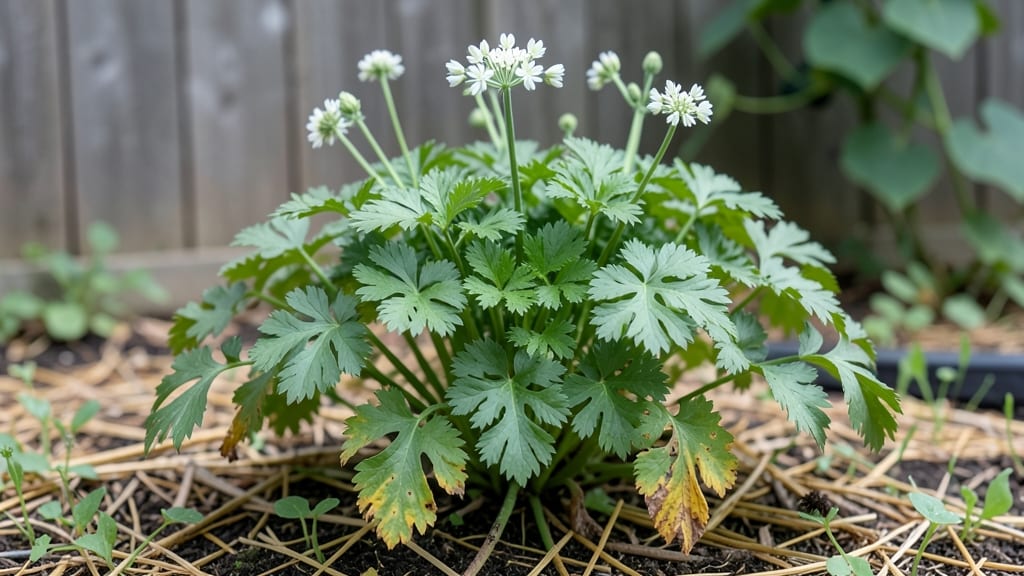
Growing cilantro flowering happens faster than you’d expect—sometimes in just 3-4 weeks—and it turns your leafy green harvest into a seed stalk bonanza. 🌱 I’ve learned the hard way that bolting isn’t just a nuisance; it’s a plant survival trick. that leaves gardeners scrambling for fresh leaves.
The good news? With the right approach, you can delay flowering long enough to enjoy weeks of harvestable stems before the plant decides it’s time to go to seed.
Here’s the secret: cilantro bolts when stressed—whether from heat, drought, or poor soil. I’ve found that keeping plants cool, consistently moist, and in partial shade buys you extra time. A 5-gallon container with well-draining potting mix and a morning sun/afternoon shade spot works wonders, especially in hot climates.
The key is mimicking cilantro’s natural preference for cooler weather, even if your summer refuses to cooperate.
When you do harvest, cut stems just above the soil line—not the top leaves—to encourage bushier regrowth. This method gives you 3-4 harvests before flowering becomes inevitable. The flavor stays bright and fresh, too, because bolting doesn’t just kill the leaves—it turns them bitter.
Think of it as a race against time, but one you can win with the right techniques.
For those who want cilantro flowers (yes, they’re edible!), let a few stalks go to seed and save them for homemade coriander—the spice version of cilantro. The rest? Keep harvesting aggressively to delay bolting as long as possible.
Either way, you’ll end up with either more leaves or more seeds, depending on your goal. Let’s get growing!
📚 In This Guide
- What you need
- Instructions
- Tips and common mistakes
- Wrapping up and next steps
What you need
- ● Cilantro seeds: 1 packet (about 100-200 seeds) – Opt for heirloom varieties like Santo or Calypso for slower bolting.
- ● Container: 1-2 medium-sized pots (10-12 inches deep) with drainage holes – Cilantro has shallow roots but needs room to spread.
- ● High-quality potting soil: 1 bag (sterile, well-draining mix) – Avoid garden soil to prevent compaction.
- ● Organic compost: 1 cup – Boosts nutrients and moisture retention.
- ● Slow-release fertilizer: 1 tbsp (balanced 10-10-10 or organic option like fish emulsion).
- ● Watering can or spray bottle: For gentle hydration (avoid soggy soil!).
- ● Gloves: 1 pair (to protect hands from prickly stems).
- ● Pruning shears: Small pair for harvesting leaves.
- ○ Shade cloth (optional): Lightweight fabric for hot climates – covers 30-50% to delay bolting.
- ○ Grow lights (optional): LED bulb for indoor setups – 12-14 hours of light daily.
- ○ Mulch (optional): Straw or shredded leaves to retain moisture.
- ● Sunlight: 4-6 hours of partial sun daily (morning sun is ideal).
- ● Temperature: Ideal range: 50–75°F (10–24°C). Avoid heatwaves!
- ● Consistency: Regular watering (keep soil moist but not waterlogged).
How to prevent cilantro from flowering prematurely
Here’s the method I’ve used for years to keep cilantro leafy and productive—no more bitter surprises.
🌱 Step 1: Choose the Right Variety for Your Climate
Not all cilantro behaves the same. Heat-sensitive varieties like ‘Santo’ bolt quickly in warm weather, while slower-bolting types like ‘Calypso’ tolerate slightly higher temperatures. If you live in a hot region, opt for slow-bolting or bolt-resistant strains—they’re worth the extra cost. I always check seed packets for days-to-maturity, aiming for those labeled under 60 days in my zone.
Bolting triggers are heat and long daylight hours. In cooler climates, cilantro thrives through spring and fall, but summer’s 75°F+ temperatures push it to flower within weeks. If you’re growing in summer, focus on shade tolerance and frequent harvesting to delay bolting.
☀️ Step 2: Provide Optimal Light and Temperature
Cilantro needs 4-6 hours of direct sun daily, but too much heat accelerates bolting. Place pots near a window with morning sun and afternoon shade, or use a grow light for 12-14 hours daily to mimic cooler growing conditions. I’ve found that keeping soil temps below 70°F delays flowering—mulch with straw to insulate roots from heat spikes.
Watch for leggy growth as a sign of insufficient light. If stems stretch toward the window, move the plant closer or add a grow light. Leggy cilantro is already stressed and more likely to bolt. The goal is compact, dark-green leaves—those are your indicators of healthy, slow-growing plants.
💧 Step 3: Master Watering for Consistent Growth
Cilantro hates drying out but despises soggy soil even more. Water when the top inch of soil feels dry, using lukewarm water to avoid shocking roots. I water deeply but infrequently—about once every 2-3 days—to encourage strong root development. Overwatering weakens plants, making them more susceptible to bolting.
Consistency is key. Fluctuations in moisture stress the plant, triggering early flowering. If your cilantro starts to yellow at the edges, it’s either underwatered or overwatered. Adjust your schedule until leaves stay vibrant and crisp. A self-watering pot helps maintain steady moisture without guesswork.
✂️ Step 4: Harvest Strategically to Delay Bolting
This is where the magic happens. Harvest outer leaves first, cutting just above a leaf pair to encourage bushier growth. I snip 1-2 inches at a time, leaving the center intact. Frequent harvesting prevents the plant from sensing it’s mature enough to flower. Aim to harvest every 1-2 weeks—this keeps cilantro productive for months.
If you see flower buds forming, act fast. Snip them off immediately—they’ll turn bitter before you know it. I check plants daily during warm weather. The moment you see a white or yellow flower stalk, cut it at the base. This redirects the plant’s energy back into leaf production, buying you more time.
🌿 Step 5: Extend the Season with Successive Plantings
Instead of one big harvest, plant cilantro every 2-3 weeks for a continuous supply. In spring, sow seeds directly in the garden, and in fall, start a second batch as temperatures drop. I’ve grown cilantro year-round in containers by using shade cloth in summer and moving pots indoors during winter’s mild spells.
Rotate planting locations to avoid soil-borne diseases that weaken plants. If your first batch bolts quickly, try a different spot with richer soil or amend with compost. The key is to stay ahead of the heat—cilantro’s natural lifecycle is tied to cooler weather, so work with that rhythm.
Tips & tricks for preventing cilantro from flowering prematurely
Here's what I've learned after years of battling bolting cilantro—these tricks keep your plants leafy and productive for months.
Variety Selection Matters: In Step 1, when choosing seeds, pay close attention to the days-to-maturity label. Varieties marked under 60 days are your best bet for cooler climates, but for hot summers, look for bolt-resistant strains like 'Calypso' that can handle slightly warmer conditions. I've found that seed packet descriptions often mention bolting resistance—this is your first line of defense against early flowering. The right variety can extend your harvest window by 3-4 weeks in challenging climates.
Light Management is Critical: The 4-6 hours of direct sun in Step 2 is a starting point, but don't stop there. If your cilantro starts stretching toward the light (a sign of legginess), it's already stressed. Move your plants closer to the window or add a grow light for 12-14 hours daily to mimic cooler growing conditions. I've seen plants recover from legginess when given proper light, but once they bolt, there's no turning back. The key is to keep soil temperatures below 70°F—mulch with straw to create a cooler root zone, especially in containers that heat up quickly.
Harvesting Technique Makes All the Difference: In Step 4, when you're harvesting, focus on the outer leaves and cut just above a leaf pair. This might seem counterintuitive, but it encourages bushier growth by stimulating new leaf production from the center. I check my plants daily during warm weather and snip off any flower buds immediately—they'll turn bitter within days. The moment you see those white or yellow flower stalks, cut them at the base to redirect the plant's energy back into leaf production. This simple act can give you 2-3 more weeks of harvest.
Season Extension Strategies: Don't let one bolting batch ruin your season. In Step 5, plant new seeds every 2-3 weeks for continuous harvests. For summer growing, use shade cloth to block intense afternoon sun and move containers indoors during heatwaves. I've grown cilantro year-round in containers by combining shade cloth with grow lights—this mimics the cooler conditions cilantro prefers. Rotate planting locations annually to prevent soil-borne diseases that weaken plants and make them more susceptible to bolting.
Pro Tips for Growing Cilantro Flowering
- Here's what I've learned after years of battling bolting cilantro—these tricks keep your plants leafy and productive for months.
- Variety Selection Matters: In Step 1, when choosing seeds, pay close attention to the days-to-maturity label.
- Light Management is Critical: The 4-6 hours of direct sun in Step 2 is a starting point, but don't stop there.
Frequently asked questions
Got questions about cilantro flowering and bolting?
You’re not alone—this is a common challenge for home gardeners. Below, we’ve answered the most pressing questions to help you keep your cilantro thriving and leafy for longer harvests.
Why does cilantro flower so quickly?
Cilantro bolts (flows to seed) fast due to genetics and environmental triggers like heat or long daylight. Most varieties bolt within 4–6 weeks in warm weather. To delay flowering, plant in cool seasons (spring/fall) or use shade cloth to keep temps below 75°F.
Can I still use cilantro after it flowers?
Yes! While the leaves may taste slightly bitter, the flowers and seeds (coriander) are edible and add unique flavors. Harvest flowers for garnishes or save seeds to dry for spice blends. Just avoid over-fertilizing—it speeds up bolting.
How can I prevent cilantro from flowering?
There’s no foolproof way to stop bolting, but these tips help delay it:
- Plant in partial shade (4–6 hours of sun max).
- Use self-blanching varieties like ‘Calypso’ or ‘Slow Bolt.’
- Avoid overwatering—keep soil consistently moist but not soggy.
- Harvest outer leaves frequently to encourage bushier growth.
What can I plant instead of cilantro if it keeps bolting?
If cilantro proves too finicky, try these heat-tolerant alternatives:
- Mexican coriander (cilantro’s cousin) – More bolt-resistant.
- Parsley – Slower to bolt and hardier.
- Dill – Thrives in heat but attracts pollinators.
- Basil – Heat-loving and great for containers.
For a cilantro-like flavor, swap in fresh parsley or chives in recipes!
Is flowering bad for cilantro’s flavor?
Not necessarily! While young leaves are milder, mature leaves and flowers can add earthy, citrusy notes to dishes like soups, salsas, or pestos. If bitterness is an issue, harvest in the morning (when flavors are freshest) or use younger leaves from the plant’s base.
Pro tip: Save seeds from your healthiest cilantro plants—next year, you might grow a bolting-resistant strain tailored to your climate!
Wrapping up and next steps
Growing cilantro can be a rewarding experience—just remember that bolting is natural, and with the right timing and care, you can enjoy fresh, flavorful leaves before those pretty white flowers appear! 🌱 Whether you’re harvesting leaves early or saving seeds for next season, your efforts will pay off in delicious meals and vibrant greens.
Ready to take your cilantro game to the next level? Experiment with different varieties or try growing cilantro indoors for a year-round supply. Happy gardening! 🌿