
Flowers
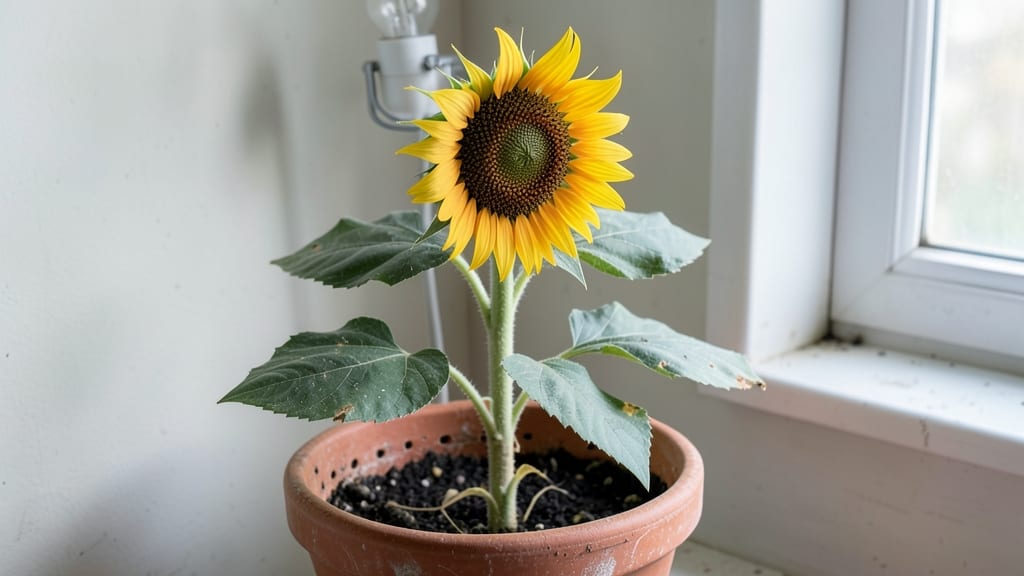
Growing sunflowers indoors feels like cheating gravity—those towering stems reaching for light when all you have is a windowsill. 🌻 I've turned my kitchen into a sunflower greenhouse using nothing fancier than a grow light and a repurposed bucket, and the results are shockingly lush.
The trick isn't expensive gear but understanding how sunflowers really grow when cooped up inside.
You'll need a sturdy container (at least 10 inches deep), well-draining soil mix, and a light source that mimics summer sun—12-16 hours daily of bright light. Sunflowers are forgiving but finicky about leggy growth, so I use a 12-inch grow bulb on a timer instead of natural light.
The first few weeks are critical: too little light means weak stems that flop like overcooked pasta.
By month three, you'll have a 6-foot-tall sunflower pushing through your ceiling fan, its velvety petals glowing like a spotlight. The real magic happens when you see bees (yes, indoor bees!) investigating the blooms—proof your plant is thriving.
Just watch for spider mites hiding in dry soil and rotate the pot weekly so it doesn't lean like a drunk sailor.
Works in apartments, sunrooms, or even basements with proper light. The only rule? Don't skimp on support—those stems get heavy. Here's how to keep them standing tall indoors without the outdoor drama.
📚 In This Guide
- What you need
- Instructions
- Tips and common mistakes
- Wrapping up and next steps
What you need
- ● Sunflower seeds: Choose a compact or dwarf variety (e.g., 'Teddy Bear' or 'Moulin Rouge') for indoor growth. Buy 3–5 seeds (one per pot works best).
- ● Containers: Use 5–7 inch diameter pots with drainage holes (or a self-watering planter for beginners).
- ● High-quality potting mix: A well-draining, seed-starting mix (avoid garden soil—it’s too dense!).
- ● Grow lights: A full-spectrum LED grow light (12–16 inches above plants) or a south-facing window (if sunny for 6+ hours/day).
- ● Watering can or spray bottle: Gentle watering prevents seed rot.
- ● Fertilizer: A balanced, water-soluble fertilizer (5-5-5 or 10-10-10) or fish emulsion for organic growth.
- ● Support: A small stake or bamboo stick (6–12 inches tall) to prevent toppling as it grows.
- ● Humidity dome: Keeps seeds cozy while sprouting (use a plastic bag with holes or a clear lid).
- ● Thermometer/hygrometer: Monitor temps (ideal: 70–75°F) and humidity (aim for 40–60%).
- ● Trellis or hanging planter: For tall varieties, use a wall-mounted trellis or macramé hanger.
- ● Slow-release fertilizer pellets: Mix into soil for 3–4 weeks of nourishment.
- ● Decorative pots: Upgrade to cute, larger containers once seedlings sprout!
Step-by-step instructions for growing sunflowers indoors
Here's the straightforward method I've perfected for coaxing sunflowers to thrive indoors—no greenhouse required.
🌱 Step 1: Select the Right Variety and Prep the Seed
Choose a dwarf or medium-height variety like 'Teddy Bear' or 'Moulin Rouge'—they handle indoor conditions better than giants. Soak the seed overnight in lukewarm water to soften the outer shell, which speeds germination. I like to place the seed in a small mesh bag and let it soak for 12 hours while I prep everything else.
After soaking, gently rub the seed between your fingers to remove the softened outer layer. This isn't necessary but helps the root push through faster. Plant the seed ½ inch deep in a 6-inch diameter pot—deeper planting can delay germination because the seedling has to work harder to reach light.
🪴 Step 2: Use the Right Soil and Container Setup
Fill your pot with well-draining potting mix (never garden soil—it compacts and suffocates roots). I blend my own mix using 50% potting soil, 30% perlite, and 20% compost for extra nutrients. The perlite prevents waterlogging, which is critical indoors where airflow is limited.
Press the soil down lightly around the seed to ensure good contact. Water gently until the soil feels evenly moist to the touch but not soggy. Place the pot in a warm spot (70-75°F)—a seedling heat mat works wonders if your home runs cooler. Cover the pot with a plastic bag or clear lid to retain humidity, but leave it slightly ajar to prevent mold.
☀️ Step 3: Provide Strategic Light Exposure
Sunflowers need bright, direct light for 12-14 hours daily—a south-facing window is ideal, but most homes can't deliver enough intensity. Supplement with a full-spectrum LED grow light positioned 4-6 inches above the plant. I keep mine on a timer to mimic natural daylight cycles.
Rotate the pot a quarter turn every 2-3 days so the stem grows straight toward the light source. You'll notice the seedling bending toward the light within a week—that's normal, but consistent rotation prevents it from becoming permanently lopsided. If the stem grows leggy (thin and pale), it’s a sign the light is too far away.
💧 Step 4: Water and Fertilize for Strong Growth
Water when the top inch of soil feels dry to the touch, usually every 3-4 days depending on humidity. Overwatering is the fastest way to kill a sunflower—roots rot quickly in stagnant soil. I use a self-watering pot to maintain consistent moisture without drowning the plant.
Start fertilizing with a balanced liquid fertilizer (10-10-10) once the first true leaves appear (not the initial seed leaves). Dilute to half-strength and apply every 2 weeks. Sunflowers are heavy feeders, but too much fertilizer can burn delicate roots. Always water before fertilizing to prevent salt buildup.
✂️ Step 5: Prune and Support as the Plant Matures
Once the stem reaches 12-18 inches tall, install a sturdy stake or trellis to support the weight. Tie the stem loosely with soft garden twine every 6 inches—tightening too much restricts growth. If the plant starts to flop, adjust the support immediately before the stem bends permanently.
Remove any side buds that form below the main flower head to direct energy toward the primary bloom. Pinch off spent blooms as they fade to encourage a second flush of flowers. By the time the flower opens, you’ll have a 6-8 foot tall indoor sunflower—proof that even low-light spaces can grow giants.
Tips & tricks for growing sunflowers indoors
Let me share the hard-won wisdom from years of watching sunflower seedlings either thrive or wilt indoors—these tricks will help you avoid the common pitfalls that turn hopeful gardeners into frustrated plant parents.
Germination Secret: That 12-hour soak for your seed isn't just about speed—it's about breaking dormancy. I've found that placing the mesh bag with the seed in a glass of lukewarm water makes it easier to monitor progress. If you notice the water getting cloudy after just a few hours, that's a good sign the seed is actively absorbing moisture. For extra insurance, place the bag in a warm spot (like on top of your fridge) during those 12 hours—warmth accelerates germination without cooking the seed.
Soil Science: The 50-30-20 soil mix ratio I recommend creates the perfect balance for sunflowers, but here's what each component actually does: The perlite prevents compaction (critical indoors where airflow is limited), while the compost provides that initial nutrient boost. Pro tip: After planting, gently press the soil around the seed to eliminate air pockets—this ensures consistent contact between the seed and moisture, which is especially important in the early stages when roots are tiny.
Light Strategy: Those crucial 12-14 hours of light aren't just about duration—they're about intensity. If your sunflower starts looking leggy (thin stems, pale leaves) after a week, it's begging for more light. Move it closer to your grow light or window, but don't increase the time yet. The key is maintaining that 4-6 inch distance from the light source—any farther and you'll be fighting weak stems all season. I've seen sunflowers grow 2 inches taller in just 48 hours after adjusting their light position!
Watering Wisdom: The "top inch dry" rule works, but here's how to apply it practically: Stick your finger about an inch into the soil. If it feels dry at that depth, water until you see moisture at the bottom of the pot. The self-watering pot recommendation isn't just about convenience—it helps maintain that critical moisture balance. Too much water creates anaerobic conditions that rot roots; too little stresses the plant and stunts growth. I've lost count of how many sunflowers I've killed by overwatering during their first week!
Pro Tips for Grow A Sunflower Indoors
- Let me share the hard-won wisdom from years of watching sunflower seedlings either thrive or wilt indoors—these tricks will help you avoid the common pitfalls that turn hopeful gardeners into frustrated plant parents.
- Germination Secret: That 12-hour soak for your seed isn't just about speed—it's about breaking dormancy.
Frequently asked questions
Got questions about growing sunflowers indoors? You’re not alone! Here are some of the most common concerns—and their easy solutions.
Can sunflowers really grow indoors, or will they just get leggy?
Sunflowers can thrive indoors with the right light—like a south-facing window or a grow light 12+ inches away. Without enough light, they’ll stretch toward the source (leggy growth), but with proper care, you’ll get sturdy stems and even blooms! Start with dwarf varieties (like ‘Teddy Bear’) for better success.
How long does it take for an indoor sunflower to bloom?
Indoor sunflowers typically bloom in 8–12 weeks, depending on the variety and light conditions. Dwarf types may flower faster (6–8 weeks), while taller varieties need more time. Keep an eye on your plant’s progress—if growth slows, it might need more light or nutrients!
What’s the best indoor light setup for sunflowers?
A full-spectrum LED grow light (12–16 hours daily) is ideal, especially in low-light spaces. Place it 6–12 inches above the plant and adjust as it grows. South-facing windows work too, but supplement with a timer-based light in winter to mimic sunlight. Avoid fluorescent bulbs—they’re too weak!
Why are my sunflower leaves turning yellow?
Yellow leaves usually mean overwatering or nutrient deficiencies. Let the top inch of soil dry out between waterings, and fertilize every 2–4 weeks with a balanced liquid fertilizer. Check for pests (like spider mites) too—they can stress plants. If only older leaves yellow, it’s normal aging; new growth should stay green.
Are there sunflower alternatives for tiny spaces?
Yes! Try mini sunflowers (like ‘Moulin Rouge’ or ‘Sunspot’) or other compact flowers like gerbera daisies or marigolds. Even herbs like basil or vegetables like cherry tomatoes thrive indoors with similar light needs. Just match the container size to the plant’s mature height!
Wrapping up and next steps
Growing a sunflower indoors is a rewarding journey that brings nature’s joy right into your home—without needing a sprawling garden! 🌻 With the right light tricks, patience, and care, you’ll watch those vibrant blooms reach for the sky.
Whether you’re a beginner or a seasoned plant parent, your sunflower’s success is just a few steps away.
Ready to take the next step? Start small:
- Pick your favorite sunflower variety (compact or tall!) and gather your supplies.
- Plant your seed and place it near a sunny window or under a grow light.
- Monitor its progress and adjust care as it grows—soon, you’ll have a stunning indoor sunflower to admire!
Now, go ahead and watch that seedling grow—your green thumb is about to shine! 🌱