Transplanting
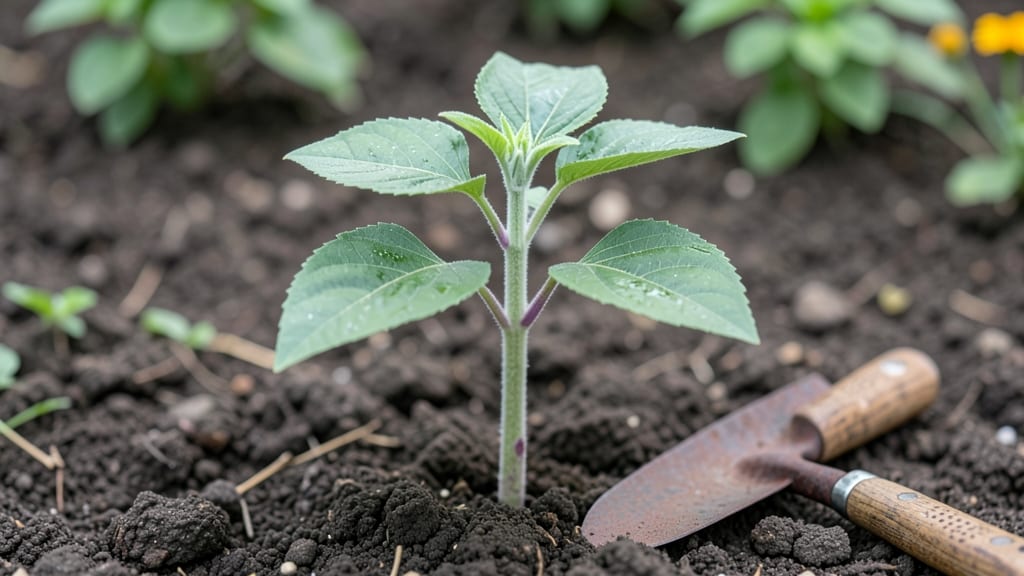
Caring for sunflower seedlings turns those first fuzzy sprouts into towering giants in just three weeks—but only if you nail the early stages. I’ve watched tiny seedlings stretch toward the sky only to flop over from a single missed watering or too much shade.
The key is consistency: light, water, and space in perfect balance, or you’ll end up with leggy, weak stalks that never reach their potential.
Sunflowers start their lives as delicate little things that need bright light from day one—even before they’re transplanted. A sunny windowsill or grow light keeps them sturdy, while too little light makes them stretch like overcooked noodles.
Use a small pot with drainage holes, and water gently at the soil level to avoid drowning those shallow roots. Overwatering is the #1 way to kill seedlings before they even get interesting.
By week three, your seedlings should be 3-4 inches tall with strong stems and a few true leaves. That’s when you’ll know you’ve done it right: no yellowing, no wilting, just steady growth.
The real magic happens when you transplant them into the garden, where they’ll shoot up 2-3 feet in a single month—if you’ve given them the strong start they need.
Here’s where most people trip up: spacing too close or fertilizing too early. Give them room to breathe (12-18 inches apart), and hold off on fertilizer until they’ve got a few leaves.
Sunflowers are forgiving, but only if you respect their early needs. Let’s get those sprouts thriving before they turn into giants.
📚 In This Guide
- What you need
- Instructions
- Tips and common mistakes
- Wrapping up and next steps
What you need
- ● Sunflower seeds: 10–20 seeds (choose a variety like Mammoth or Autumn Beauty for best results).
- ● Seed-starting trays or small pots: 2–4 inch deep (biodegradable or plastic).
- ● Seed-starting mix: 1 bag (sterile, well-draining potting soil with perlite or vermiculite).
- ● Watering can or spray bottle: With a fine mist nozzle (to avoid disturbing seeds).
- ● Grow lights or sunny windowsill: 6–8 hours of light daily (south-facing window or LED grow lights).
- ○ Heat mat (optional but helpful): For faster germination (70–75°F is ideal).
- ● Plastic wrap or humidity dome: To retain moisture while seeds germinate.
- ● Fertilizer: Balanced liquid fertilizer (5-5-5 or 10-10-10, diluted to half-strength).
- ● Scissors or knife: For transplanting seedlings later.
- ● Seedling labels: To track varieties and planting dates.
- ● Tweezers: For delicate seed handling (especially small seeds).
- ● Fungicide: Preemptive spray to prevent damping-off disease.
- ● Garden journal: To log growth progress and adjustments.
- ● Compost or worm castings: For nutrient-rich soil amendments.
Step-by-Step instructions for caring for sunflower seedlings
Here's how to transform fragile sprouts into sturdy, sun-loving giants in just three weeks.
Provide Consistent Moisture Without Overwatering
Sunflower seedlings need their soil to stay evenly moist but never soggy. Water gently whenever the top inch of soil feels dry to the touch—this usually means about every 2-3 days for young plants. I use a watering can with a fine rose attachment to avoid disturbing the delicate stems. Overwatering causes damping-off, a fungal disease that collapses stems overnight.
Check soil moisture in the morning before watering. If condensation forms on the soil surface, wait another day. Sunflowers have surprisingly deep roots even as seedlings, so they prefer deep watering sessions rather than frequent shallow ones. Water at the base rather than overhead to prevent fungal spores from splashing onto the leaves.
Position in Bright, Indirect Light Immediately
Seedlings need 12-14 hours of bright light daily to prevent leggy growth. Place them within 12 inches of a south-facing window or under a grow light. I've seen seedlings stretch toward weak light sources, creating weak stems that can't support the eventual flower head. If you notice stems growing taller than 6 inches before developing true leaves, your light source is too far away.
Rotate the containers a quarter turn daily so plants grow straight rather than leaning. Sunflowers are phototropic—they grow toward light sources—but this habit becomes problematic when they start competing for space. Watch for the first true leaves (the second set after the initial seed leaves) to appear within 7-10 days after sprouting.
Thin Seedlings to Prevent Competition
When seedlings reach 2-3 inches tall and have developed their first true leaves, thin to 1 plant every 6 inches for optimal growth. I use clean scissors to snip unwanted seedlings at soil level rather than pulling, which can damage roots of remaining plants. Keep the strongest seedling—look for the one with the thickest stem and most vibrant leaves.
Thinning might seem cruel, but crowded seedlings compete for nutrients and light, resulting in weak, spindly plants that can't support heavy flower heads. After thinning, water deeply to help remaining plants recover. You'll notice within 3-5 days that the kept seedlings perk up and begin growing more vigorously.
Fertilize Lightly for Strong Stem Development
Once seedlings have 4-6 true leaves, begin fertilizing with a balanced 10-10-10 or 20-20-20 fertilizer diluted to half strength. I mix 1 tablespoon of fertilizer per gallon of water and apply it every 2 weeks. Sunflowers are heavy feeders, but young seedlings don't need much—too much fertilizer can burn tender roots. Always water plants thoroughly before and after fertilizing.
Watch for signs of nutrient deficiency: yellowing leaves (nitrogen deficiency) or purple stems (phosphorus deficiency). If you notice these, adjust your fertilizer blend accordingly. Sunflowers need consistent nutrients to develop strong stems capable of supporting their eventual height. I've found that organic options like fish emulsion work well too—just follow package instructions for dilution.
Prepare for Transplanting in 3 Weeks
After 3 weeks of care, your seedlings should be 12-18 inches tall with several sets of true leaves. This is the perfect time to transplant them outdoors. Harden off seedlings by placing them outside in a sheltered spot for 2 hours the first day, gradually increasing to full sun exposure over 5-7 days. I always transplant on a cloudy day to reduce transplant shock.
Choose a location with full sun exposure (6+ hours daily) and well-draining soil. Dig holes slightly deeper than the seedling's root ball and space plants 18-24 inches apart for larger varieties. Water deeply after transplanting to help roots establish. You'll know your seedlings are thriving when they begin growing 2-3 inches per week and developing their characteristic rough, hairy stems.
Tips & tricks for perfect sunflower seedling care
Here's what I've learned from years of growing sunflowers—these little details make all the difference between healthy seedlings and sad, leggy failures.
Soil Moisture Secret: In Step 1, when checking soil moisture, press your finger about an inch deep—this is where the roots are actively growing. If the soil feels damp but not wet, that's perfect. I've ruined seedlings by watering on a schedule instead of checking moisture; sunflowers need consistency, not a rigid timetable. After watering, always check the bottom of the pot—if water collects there, your seedlings are at risk for root rot.
Light Position Strategy: For Step 2, if you don't have a south-facing window, a simple grow light works wonders. Place it just 6 inches above the seedlings and keep it on for 12-14 hours daily. I've seen seedlings grow toward a light source so aggressively they topple over—rotate those containers daily to prevent this. The goal is straight, sturdy stems that can support those massive flower heads later.
Thinning Technique: When thinning in Step 3, don't just pull seedlings—use clean scissors to snip at soil level. This prevents disturbing the roots of your kept plants. I always keep the seedling with the thickest stem and most vibrant leaves, even if it's not the tallest. That extra thickness means a stronger plant capable of supporting a heavy flower head later. After thinning, give the remaining plants a good drink to help them recover.
Fertilizer Timing: In Step 4, that first fertilization should happen when you see 4-6 true leaves—not before. I've made the mistake of fertilizing too early, which can burn tender roots. Use a spray bottle for the diluted fertilizer to avoid over-saturating the soil. And here's a pro tip: if you notice yellowing leaves, it's often a sign of overwatering rather than nitrogen deficiency—check your watering habits first.
Pro Tips for Care For Sunflower Seedlings
- Here's what I've learned from years of growing sunflowers—these little details make all the difference between health...
- Soil Moisture Secret: In Step 1, when checking soil moisture, press your finger about an inch deep—this is where the ...
- Light Position Strategy: For Step 2, if you don't have a south-facing window, a simple grow light works wonders. Plac...
Frequently asked questions
Got questions about nurturing your sunflower seedlings? You’re not alone—these golden beauties need just the right touch! Here are answers to the most common concerns to keep your seedlings strong and growing.
How often should I water sunflower seedlings?
Water gently every 2–3 days (or daily if soil feels dry). Overwatering can drown roots, while underwatering stunts growth. Use a spray bottle or small watering can to keep soil consistently moist but not soggy. Aim for the base—avoid wetting leaves to prevent fungal issues.
When is the best time to transplant sunflower seedlings outdoors?
Wait until after the last frost and soil temps reach at least 50°F (10°C). Seedlings should be 4–6 inches tall with 2–3 true leaves. Transplant in the early morning on a cloudy day to reduce transplant shock. Harden off seedlings 5–7 days before moving them outside.
What should I do if my sunflower seedlings look wilted or yellow?
Yellowing leaves often signal overwatering or nutrient deficiency. Check soil moisture first—let it dry slightly between waterings. If leaves are pale, fertilize with a balanced 10-10-10 mix. Pests like aphids can also cause wilting; spray with neem oil if needed.
Can I grow sunflowers from store-bought seeds, or do I need special seeds?
Store-bought sunflower seeds (unsalted, raw) work great for seedlings. Just soak them overnight to speed up germination. For best results, choose heirloom or hybrid varieties labeled for your climate. Avoid roasted or salted seeds—they won’t sprout.
How do I protect seedlings from extreme heat or cold?
Sunflowers love warmth but can bolt (flower too early) in heatwaves. Use shade cloth (30–50%) if temps exceed 90°F (32°C). For cold snaps (<40°F/4°C), cover seedlings with a lightweight row cover or move pots indoors temporarily. Avoid plastic—it traps moisture and can cause rot.
Still stumped? Drop your question in the comments—we’re happy to help your sunflowers reach for the sky!
Wrapping up and next steps
Caring for sunflower seedlings is all about patience, consistency, and a little sunshine! 🌱 With the right balance of water, light, and space, your tiny sprouts will soon reach for the sky—literally.
Remember, every gardener starts somewhere, so don’t stress over the occasional setback; even the tallest sunflowers began as delicate seeds.
Now that you’re armed with the know-how, it’s time to watch them grow. Grab your gardening gloves, step outside, and give those seedlings the love they deserve—your future sunflower giants will thank you! 🌻