
Flowers
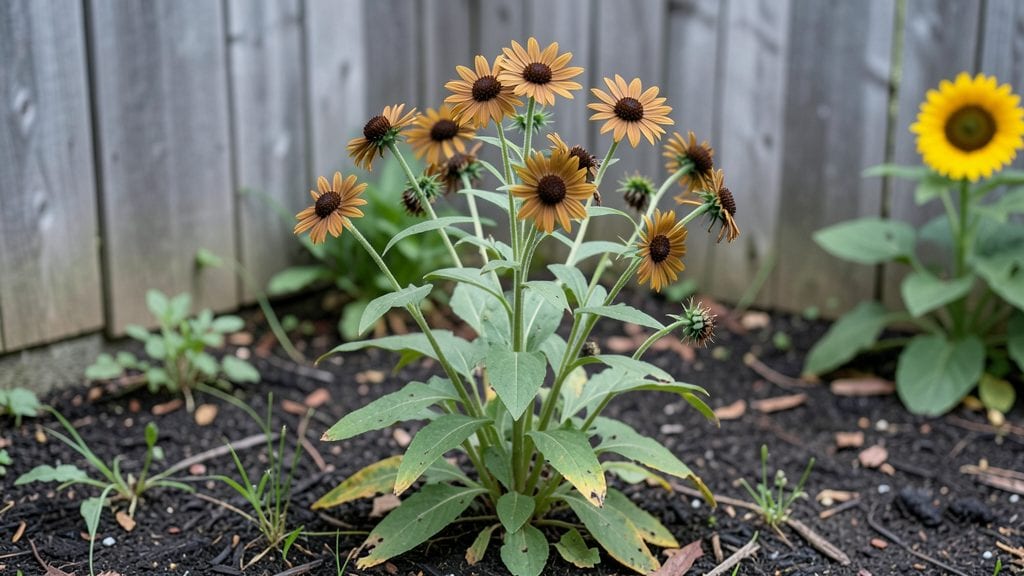
Gold-colored flowers bring instant sunshine to any garden—even in shady spots where most blooms struggle. 🌻 I’ve designed shade gardens where these sun-kissed stunners steal the show, pairing bold foliage with delicate blooms that glow like candlelight.
The secret? Choosing varieties that tolerate partial shade while still delivering that warm, golden hue.
Think coreopsis with its daisy-like cheerfulness or black-eyed Susans that thrive in dappled light. Marigolds add a pop of citrusy brightness, while golden ragwort brings a wild, textured contrast. These plants aren’t just pretty—they’re tough, often drought-tolerant, and perfect for borders, containers, or as focal points in mixed beds.
By the time summer rolls around, your garden will hum with golden accents that catch the light at every angle. Pair them with deep greens or purples to make them pop, and watch how they transform even the shadiest corners into sunlit havens.
The best part? They require minimal fuss—just consistent moisture and occasional deadheading to keep the blooms coming.
Whether you’re filling a small pot or revamping a shady flower bed, these gold-colored gems deliver year after year. Let’s bring that radiant glow to your outdoor space without needing a single ray of direct sunlight.
📚 In This Guide
- What you need
- Instructions
- Tips and common mistakes
- Wrapping up and next steps
What you need
- ● Gold-colored flowers: Choose shade-tolerant varieties like Hellebores, Caladiums, or Golden Ragwort (check local nurseries or online seed shops). Pro tip: Opt for 1-2 plants per 12-inch space for optimal airflow.
- ○ High-quality potting soil: 1 bag (1-2 cubic feet) of well-draining, peat-based mix (e.g., Miracle-Gro or FoxFarm Ocean Forest). Optional: Add 1 part perlite per 3 parts soil for extra aeration.
- ● Containers or garden bed: Containers: 5-10 gallon pots with drainage holes (terracotta or fabric pots work best).
- ● Garden bed: A 6-inch-deep, partially shaded spot (dappled sunlight or ≤4 hours of direct sun/day).
- ● Hand trowel or small garden spade for planting.
- ● Watering can or hose with a gentle spray nozzle (avoid overwatering!).
- ● Organic mulch: 2-3 inches of shredded bark or straw to retain moisture and suppress weeds.
- ○ Fertilizer (optional): Slow-release balanced fertilizer (10-10-10) or compost tea for a natural boost.
- ● Gloves (to protect your hands from soil or thorns, like on Ragwort).
- ● 🌡️ Test your soil: Use a pH test kit (ideal range: 6.0-7.0 for most gold flowers). Adjust with lime or sulfur if needed.
- ● ✨ Lighting hack: If your shade is too dark, place a reflective surface (like a mirror) nearby to bounce indirect light.
- ● 💧 Watering schedule: Keep soil consistently moist but not soggy—gold flowers hate "wet feet."
How to create a stunning gold-colored flower display in partial shade
Here's my foolproof method for selecting and arranging golden blooms that glow even without full sun.
🌿 Step 1: Select the Right Gold-Colored Varieties for Shade
Not all golden flowers tolerate shade equally. I focus on shade-tolerant species like Hellebore (Lenten Rose), Japanese Anemone, Golden Ragwort, and Shade-Loving Coreopsis. These thrive in 3-6 hours of dappled light and maintain their vibrant color without bleaching.
Look for cultivars labeled "golden" or "amber" specifically for shade—regular sun-loving gold flowers like Black-Eyed Susans will fade to green. I always check the plant tag for "part shade" or "partial sun" labels before purchasing. These varieties will reward you with buttery yellow blooms that glow even on cloudy days.
🪴 Step 2: Prepare the Planting Area with Rich, Moist Soil
Gold-colored flowers in shade need well-draining but moisture-retentive soil with a pH between 6.0-7.0. I amend native soil with 3 inches of compost and 1 inch of perlite to improve aeration. For containers, use a mix of 50% potting soil, 30% peat moss, and 20% coarse sand.
Test soil moisture before planting—it should feel like a damp sponge when squeezed. Overly sandy soil will dry out roots too quickly, while clay soil suffocates them. I always plant in early spring or fall when temperatures are mild (50-75°F) to reduce transplant shock in shade-loving varieties.
☀️ Step 3: Position Plants for Maximum Golden Impact
Arrange your gold flowers in odd-numbered groupings of 3, 5, or 7 for visual impact. Place taller varieties like Japanese Anemone (up to 5 feet) at the back, medium-height Golden Ragwort (2-3 feet) in the middle, and Hellebore (1-2 feet) in the front. This creates a cascading golden effect that draws the eye.
Space plants 18-24 inches apart to allow airflow and prevent fungal issues common in shaded gardens. I always plant them slightly deeper than their nursery pots to encourage strong root establishment. Mulch with 2-3 inches of shredded bark to maintain even moisture and suppress weeds.
💧 Step 4: Water and Fertilize for Vibrant Golden Blooms
Water deeply twice weekly until the top 2 inches of soil feel moist. Gold flowers in shade need consistent moisture to maintain their rich color—let them dry out completely, and they'll revert to pale yellow. I use a slow-release fertilizer with a 10-10-10 ratio in early spring and again after flowering.
For extra vibrancy, I add a liquid iron supplement every 4 weeks during the growing season. Iron deficiency causes yellowing between veins, which can make gold flowers appear washed out. Always water before fertilizing to prevent root burn in shade-loving varieties.
✂️ Step 5: Prune and Maintain for Season-Long Color
Deadhead spent blooms immediately to encourage continuous flowering. For Hellebore, I remove only the flower stalk after it fades—never cut the foliage, as it stores energy for next year's blooms. Japanese Anemone benefits from a late-winter pruning to remove dead stems before new growth appears.
In late fall, cut back all foliage to 2 inches above ground level and apply a 3-inch layer of mulch to protect roots during winter. I always wear gloves when handling Golden Ragwort—its sap can irritate skin. With proper care, these shade-loving gold flowers will reward you with season-after-season color without needing full sun.
Tips & tricks for perfect gold-colored flower displays in shade
Here's what nobody tells you about creating golden blooms that truly shine—even when the sun doesn't cooperate.
Selection Tip: In Step 1, when choosing your shade-tolerant varieties, pay special attention to the underside of leaves. If they're pale or yellowish, the plant isn't getting enough light—even if it's labeled "part shade." I've learned this the hard way after buying plants that faded to dull green within weeks. Look for plants with vibrant green foliage on both sides, not just the top.
Soil Science: The soil mix in Step 2 is where the magic happens for maintaining that golden hue. I always add a handful of worm castings to the compost-perlite mix—worm castings contain natural iron and trace minerals that prevent the yellowing between veins that can make gold flowers appear washed out. Think of it as a natural liquid iron supplement right in the soil.
Design Strategy: For Step 3's odd-numbered groupings, I recommend starting with 5 plants as your base rather than 3. Five creates a more substantial visual impact while still feeling natural. Place your tallest variety (Japanese Anemone) slightly off-center—this creates a more dynamic focal point than perfect symmetry. The human eye naturally follows asymmetrical arrangements in garden design.
Watering Wisdom: When following the twice-weekly watering in Step 4, I've found that morning watering is critical for shade gardens. Watering in the late afternoon can leave foliage damp overnight, increasing the risk of fungal diseases that thrive in shaded, humid conditions. Aim for deep watering that penetrates at least 6 inches into the soil—this encourages roots to grow deeper, making your gold flowers more drought-tolerant once established.
Pro Tips for Gold Colored Flowers
- Here's what nobody tells you about creating golden blooms that truly shine—even when the sun doesn't cooperate.
- Selection Tip: In Step 1, when choosing your shade-tolerant varieties, pay special attention to the underside of leaves.
- Soil Science: The soil mix in Step 2 is where the magic happens for maintaining that golden hue.
Frequently asked questions
Got questions about growing or caring for gold-colored flowers in shady spots? You’re not alone! Here are some of the most common queries—and their easy answers—to help your garden shine like a sunbeam, even in the shade.
Which gold-colored flowers thrive best in shade?
Not all gold flowers crave sunlight! Hosta ‘Golden Tiara’, Ligularia dentata ‘Desdemona’, and Heuchera ‘Palace Purple’ (with golden foliage) are top picks. For blooms, try Impatiens ‘Goldfish’ or Calathea ‘Rattlesnake’—both love dappled light and burst with golden hues. Always check the plant tag for light requirements!
How long does it take for gold-colored flowers to show their color?
Patience pays off! Foliage plants like Hosta or Heuchera may take 4–6 weeks to reveal their golden tones after planting. Blooming varieties like Impatiens can show color in 6–8 weeks, but cooler temps or low light might slow them down. Give them time—they’re worth the wait!
Why are my gold flowers losing their color?
If your golden blooms or leaves are fading, it’s often due to:
- Too much sun: Some shade-lovers scorch in direct light.
- Nutrient deficiency: Yellowing? Try a balanced fertilizer with iron.
- Overwatering: Root rot can dull colors—let soil dry slightly between waterings.
Are there any gold-colored flowers that attract pollinators?
While many gold flowers are foliage-focused, Solidago ‘Golden Fleece’ (goldenrod) and Rudbeckia ‘Goldsturm’ (black-eyed Susan) thrive in partial shade and draw bees, butterflies, and hummingbirds. For shade gardens, Impatiens ‘Goldfish’ also lures pollinators with its cheerful blooms.
Where’s the best place to buy gold-colored shade plants?
Start with local nurseries—they often carry region-specific varieties. Online retailers like Burt’s Seed & Garden or Etsy (for rare finds) are great too. Pro tip: Check reviews for shade tolerance—some “gold” plants are sun-lovers in disguise!
Can I grow gold-colored flowers in containers?
Yes! Containers are perfect for shade-loving gold stars like Heuchera or Fuchsia ‘Golden Light’. Use well-draining soil and a pot with drainage holes. For blooms, Impatiens or Begonias thrive in hanging baskets. Just keep them consistently moist—containers dry out faster!
Still stumped? Drop a comment below—we’re happy to help your shade garden glow!
Wrapping up and next steps
Gold-colored flowers aren’t just a sunshine splash for your garden—they’re a game-changer for shaded spots, bringing warmth and elegance where others might struggle. From Hellebores to Ligularia, these sun-kissed stunners prove that shade gardens can be just as vibrant (and low-maintenance!) as their sun-drenched counterparts. 🌿✨
Ready to transform your gloomy corners? Start small—pick one or two gold beauties to test your soil and light conditions, then expand as you see what thrives. Before you know it, your garden will be the talk of the neighborhood!
Next step: Grab your gardening gloves and check back to our materials guide for planting tips tailored to your space.