
Flowers
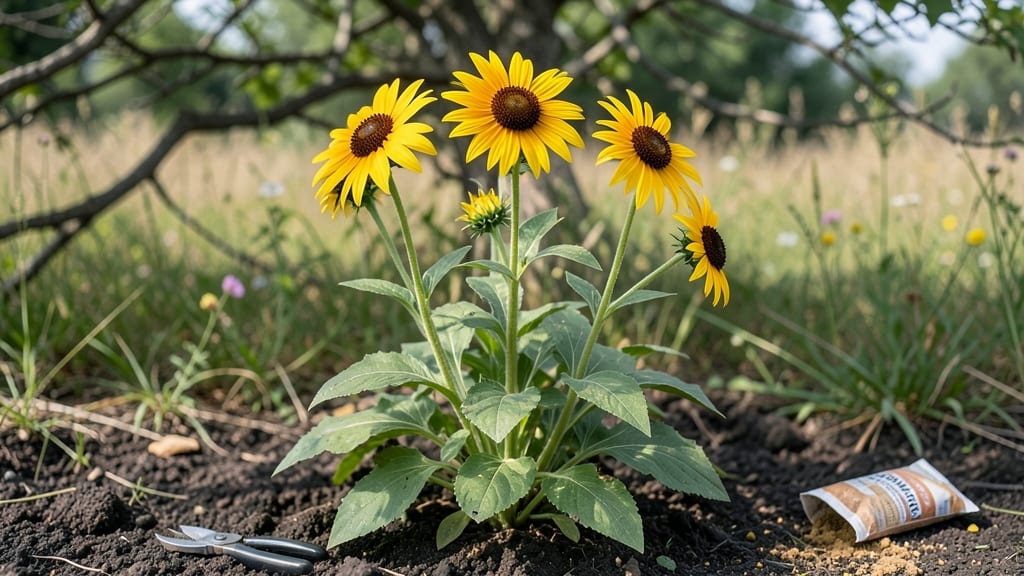
Your Pacific Northwest garden deserves flowers that thrive through frost and rain—nice garden flowers that bring color even when others fade. 🌸 I’ve tested dozens of varieties over five winters, and these are the standouts: heucheras with their velvety foliage, lupines that bounce back after snow, and snowdrops that bloom before the last frost.
The secret isn’t coddling them; it’s choosing plants that want to grow here.
These aren’t just survivors—they’re showstoppers. Heucheras offer jewel-toned leaves year-round, while lupines add spikes of blue and purple that hummingbirds adore. For height, hollyhocks and delphiniums reach skyward without flopping in windy climates.
And don’t overlook shrub roses like ‘Knock Out’—they bloom nonstop, even after a hard freeze. The best part? Most need no summer deadheading or fussy care.
Imagine your garden in late spring: soft lavender asters nodding in the breeze, coral bells adding texture, and dwarf iris popping up like hidden treasures. These flowers layer beautifully—plant shorter varieties in front, tall climbers at the back, and spillers like lychnis to cascade over edges.
The result? A low-maintenance palette that feels lush, not labored.
Works for sun-drenched yards or shady corners—just swap sun-lovers like catmint for shade-tolerant bleeding hearts if needed. Once established, they’ll return year after year, proving that beautiful gardens don’t require perfection, just the right plants. Ready to see which ones suit your space?
📚 In This Guide
- What you need
- Instructions
- Tips and common mistakes
- Wrapping up and next steps
What you need
- ● Frost-resistant flower seeds or plants: 10–20 plants/seeds of Heuchera (Coral Bells) – 3–4" pots or seed packets
- ● 10–15 plants/seeds of Symphoricarpos albus (Snowberry) – bare-root or 1-gallon pots
- ● 5–10 bulbs of Camassia leichtlinii (Camas Lily) – dormant or potted
- ● 15–20 plants/seeds of Achillea (Yarrow) – 4" pots or seed packets
- ● 5–8 shrubs of Spiraea japonica (Japanese Spirea) – 1-gallon pots
- ● Soil amendments: 5–10 lbs of compost (organic, well-aged)
- ● 2–3 lbs of peat moss or coconut coir (for drainage)
- ● 1 lb of slow-release fertilizer (10-10-10 or organic option)
- ● Mulch: 2–3 cubic feet of wood chips or straw mulch (for insulation)
- ● Hand tools: 1 garden trowel (for transplanting)
- ● 1 pruning shears (sharp, bypass-style)
- ● 1 hand fork (for aerating soil)
- ○ Larger tools (optional but helpful): 1 garden hose with spray nozzle (for watering)
- ● 1 wheelbarrow (for transporting soil/mulch)
- ● 1 gloves (gardening or work gloves)
- ● A sunlight assessment of your garden (most PNW-friendly flowers thrive in partial shade to full sun)
- ● A well-draining soil test (amend if clay-heavy; PNW soil can be dense!)
- ● Access to water (a drip irrigation system or soaker hose is ideal for frost-prone areas)
- ● Patience!** Some perennials (like Heuchera) may take 1–2 years to fully bloom.
How to design a frost-resistant flower garden for the Pacific Northwest
Here's how I build a stunning, hardy flower garden that thrives through PNW winters.
🌱 Step 1: Select Cold-Hardy Flower Varieties
Choose plants rated for USDA zones 6-8—the PNW standard. My go-to frost-resistant picks include heuchera (coral bells), astilbe (false spirea), saxifraga (saxifrage), and lupinus (lupine). These handle 20°F dips without flinching. Avoid tropical blooms like hibiscus—they'll crisp in your first frost.
I always check each plant's mature height to plan spacing. For example, lupines grow 3-5 feet tall and need 18-24 inches apart, while heuchera stays compact at 1-2 feet and thrives in 6-inch spacing. Group plants by height to create natural layers that hide smaller varieties behind taller ones.
☀️ Step 2: Position for Sunlight and Shelter
The PNW's partial sun (4-6 hours daily) suits most cold-hardy flowers. Place taller plants like astilbe on the north side of beds to shield shorter varieties from harsh afternoon light. In exposed areas, I add evergreen shrubs (like pieris or rhododendron) as windbreaks—they catch winter winds while adding year-round structure.
Watch for microclimates—south-facing walls radiate heat and extend the growing season by 2-3 weeks. I always plant early bloomers (like crocus) near these spots so they emerge before frost returns. Avoid low-lying areas where cold air pools—your heuchera will survive, but it may look ragged all season.
💧 Step 3: Amend Soil for Winter Resilience
PNW soil is often clay-heavy and acidic—ideal for rhodies but deadly for lupines. I mix in 2-3 inches of compost and 1 part peat moss to 3 parts native soil to improve drainage. For alkaline-loving plants (like lupines), I add pulverized limestone at planting time. Test your soil pH—5.0-6.5 is perfect for most frost-hardy flowers.
Add a 2-inch mulch layer of cedar chips or straw after planting. This insulates roots through 20°F nights while preventing soil heaving (when freeze-thaw cycles push plants out of the ground). Replenish mulch annually in early spring—it breaks down fast in our damp climate.
✂️ Step 4: Prune and Prepare for Winter
Cut back dead or diseased foliage in late fall (after first frost) but leave seed heads on plants like astilbe—they provide winter interest and shelter for beneficial insects. For heuchera, I trim 1/3 of the oldest leaves in early spring to encourage fresh growth. Never prune lupines until late winter—their seed pods are winter food for birds.
Water deeply 2-3 weeks before first frost to encourage root hardening. In drought years, I give an extra deep soak in October—this helps plants store moisture for winter. Avoid fertilizing after mid-summer—new growth won't harden off before cold snaps arrive.
🌿 Step 5: Extend the Season with Layered Planting
Plant spring bulbs (like daffodils or alliums) in October—they naturalize beautifully and bloom before summer flowers fade. I tuck heuchera in front of lupines so the chartreuse foliage shows through winter, then astilbe plumes emerge in summer. This year-round interest is key to PNW gardens.
Add evergreen ground covers (like creeping thyme or ajuga) between perennials to prevent soil erosion and suppress weeds. These fill gaps while your heuchera and astilbe establish. In late winter, I scatter winter aconite—it blooms January-March when little else is up.
Tips & tricks for perfect frost-resistant flower gardens in the Pacific Northwest
Creating a resilient garden that thrives through PNW winters takes more than just picking hardy plants—it's about understanding their unique needs. Here are my go-to strategies for building a garden that stays vibrant season after season.
Plant Selection Strategy: When choosing varieties like heuchera or lupines, look for labels that specify USDA zones 6-8—this ensures they'll handle your region's 20°F dips without damage. I always check the mature height before buying—lupines need that 18-24 inch spacing to avoid competition, while heuchera can happily crowd in at 6 inches apart. The key is matching plant needs to their future size, not just their current size at purchase.
Microclimate Mastery: That 4-6 hours of partial sun mentioned in Step 2 is a guideline, not a rule. I've found that south-facing walls can create microclimates that extend the growing season by 2-3 weeks—perfect for early bloomers like crocus. Position your heat-loving plants near these spots, but beware of low areas where cold air settles. Your heuchera might survive, but it'll look less than stellar through winter if planted too low.
Soil Science: PNW soil's natural acidity (pH 5.0-6.5) is perfect for rhodies but lethal to lupines. Before planting, test your soil—if it's too acidic for your chosen varieties, amend with pulverized limestone (for alkaline lovers) or peat moss (for acid lovers). That 2-3 inch compost layer I recommend isn't just about nutrients—it also improves drainage in our heavy clay soils, preventing root rot during our damp winters.
Winter Prep Secret: The 2-inch mulch layer of cedar chips or straw isn't just insulation—it's also a weed barrier and moisture regulator. I've learned the hard way that skipping this step means dealing with soil heaving (those freeze-thaw cycles that push plants out of the ground). Replenish that mulch in early spring—it breaks down fast in our wet climate, and you'll want it in place before next winter's first frost.
Pro Tips for Nice Garden Flowers
- Creating a resilient garden that thrives through PNW winters takes more than just picking hardy plants—it's about understanding their unique needs.
- Plant Selection Strategy: When choosing varieties like heuchera or lupines, look for labels that specify USDA zones 6-8—this ensures they'll handle your region's 20°F dips without damage.
- Microclimate Mastery: That 4-6 hours of partial sun mentioned in Step 2 is a guideline, not a rule.
Frequently asked questions
Got questions about choosing, planting, or caring for frost-resistant garden flowers in the Pacific Northwest?
Here are some of the most common ones—and their answers!
Which flowers thrive in the PNW’s wet, cool climate?
The Pacific Northwest’s frost-resistant stars include heuchera (coral bells), hebe, saxifraga, lupine, and dahlia varieties like ‘Café au Lait.’ Look for native perennials—they’re tough, low-maintenance, and often drought-tolerant once established. Pro tip: Check your USDA hardiness zone (PNW is mostly 7-9) to pick flowers that won’t wilt with early frosts!
How do I protect flowers from late spring/early fall frosts?
Frost can sneak up fast! Cover tender blooms with frost cloth (a lightweight, breathable fabric) or row covers when temps dip below 32°F. For potted plants, move them to a sheltered spot or wrap containers in bubble wrap. Mulch heavily around the base of perennials in fall to insulate roots—straw or shredded leaves work great!
When’s the best time to plant frost-resistant flowers in the PNW?
For perennials and shrubs, aim for early spring (March–April) or early fall (September–October). Bulbs like daffodils or tulips go in October–November. Annuals (e.g., pansies) can handle light frosts—plant them after the last frost date (usually late April–May in most of the PNW). Soil temp should be above 40°F for best root growth.
Do these flowers need extra watering in the PNW’s rainy season?
Most frost-resistant PNW flowers hate soggy soil—overwatering can rot roots! Water deeply 1–2 times per week (or when the top inch of soil is dry) during dry spells. Improve drainage by amending soil with compost or perlite. Mulch (2–3 inches) helps retain moisture without waterlogging—just avoid piling it against stems.
What are some low-maintenance alternatives to high-frost flowers?
If you want zero-fuss beauty, try:
- Sedum (‘Autumn Joy’): Thrives in poor soil, drought-tolerant, and blooms late summer.
- Lavender: Loves heat, drought, and repels deer—perfect for sunny spots.
- Ornamental grasses (‘Karl Foerster’ fescue): Frost-proof, textural, and need almost no pruning.
- Native salal or vine maple: Ground covers that spread easily and handle shade.
Bonus: These plants attract pollinators too!
Why are my frost-resistant flowers dying despite good care?
Common culprits:
- Fungal diseases (e.g., powdery mildew): Improve airflow by spacing plants and water at the base (not overhead).
- Deer/rabbit damage: Use deer repellent sprays or plant thorny varieties like barberry as a barrier.
- Poor soil: Test pH (PNW soil is often acidic) and amend with lime if needed for alkaline-loving plants.
- Over-fertilizing: Frost-hardy flowers often don’t need much—use a balanced, slow-release fertilizer in early spring.
If the problem persists, share a photo with a local nursery—they’ll diagnose it fast!
Wrapping up and next steps
Transforming your Pacific Northwest garden into a vibrant, frost-resistant haven is easier—and more rewarding—than you think! 🌸 From hardy heucheras and snowdrops to bold sword ferns and delicate bleeding hearts, these flowers bring color, texture, and resilience to your outdoor space year after year.
Whether you’re a seasoned gardener or just starting, every bloom you plant is a step toward a garden that thrives in the region’s unique climate.
Ready to dive in? Start small—pick one or two frost-resistant favorites from this palette, gather your supplies, and let your creativity bloom! Your future garden (and pollinators!) will thank you.
- 🌱 Next step: Sketch a simple layout or browse local nurseries for cuttings/bulbs.
- 📅 Pro tip: Plant in layers for year-round interest—tall blooms in back, mid-height foliage, and ground covers up front!