
Neem Oil
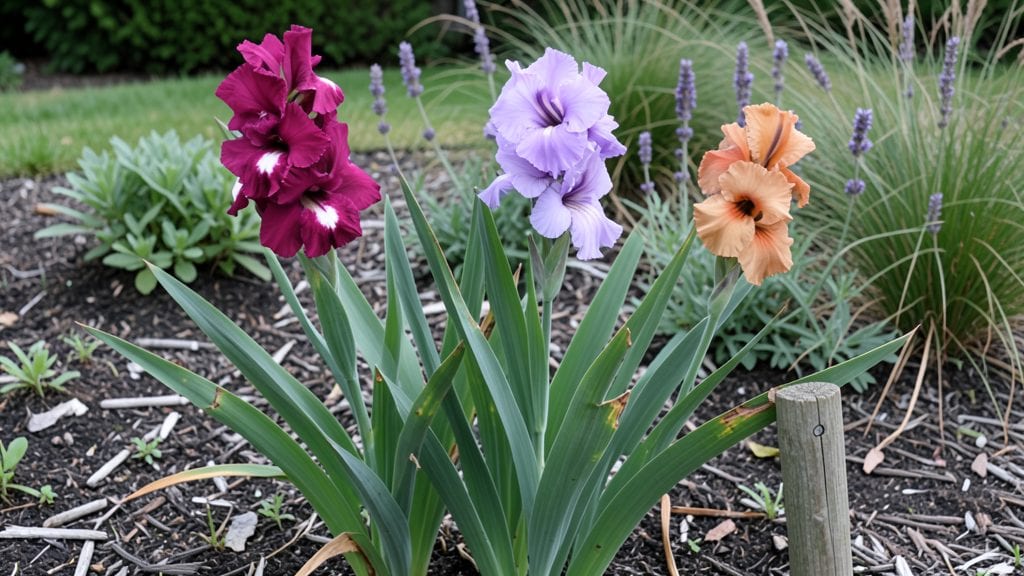
Growing a gladiolus large flowered mix feels like cultivating living fireworks—each spike promises bold, velvety blooms that turn heads in 60 days. I remember my first try: impatiently digging up clumps too early, only to watch them flop like overcooked noodles.
The secret? Timing, patience, and knowing when to let those sword-like leaves do their work underground.
You’ll need full sun (at least 6-8 hours daily), loose, well-draining soil with a dash of compost, and a spot where those towering stems won’t get knocked over.
Plant corms in spring after the last frost, spacing them 6 inches apart and 4-6 inches deep—deeper in hot climates to keep them cool. Water deeply once a week, letting the soil dry slightly between soakings, and watch those spikes emerge like green exclamation marks.
By midsummer, you’ll be rewarded with 18-inch-tall stalks bursting with blooms in every color imaginable—deep reds, sunny yellows, even lavender. Cut stems for arrangements when the lower buds just open, and leave a few to seed for next year’s free plants.
The key to repeat success? Divide congested clumps every 3-4 years and store corms in a cool, dry place over winter.
Troubleshooting is easy once you know the signs: yellowing leaves mean overwatering, while floppy stems signal too little support. Slugs and thrips are the usual culprits—spray neem oil at the first sign of chewed edges. With these basics, you’ll go from nervous beginner to gladiolus whisperer in no time.
📚 In This Guide
- What you need
- Instructions
- Tips and common mistakes
- Wrapping up and next steps
What you need
- ● Gladiolus Large Flowered Mix Corms: Quantity: 10–20 corms (for a full, dramatic display; adjust based on space). Size: Medium to large (1.5–3 inches in diameter for robust blooms).
- ● Well-draining potting mix or garden soil: Type: Loamy soil with organic matter (amend with compost if needed). pH: 6.0–7.0 (slightly acidic to neutral).
- ● Sunlight: Full sun (6+ hours/day)—critical for vibrant blooms!
- ● Water: Consistent moisture (avoid waterlogging).
- ● Fertilizer: Balanced 10-10-10 or 20-20-20 (apply at planting and mid-growth). Phosphorus-rich fertilizer (e.g., bone meal) to encourage blooming.
- ● Garden trowel or shovel (for planting corms 4–6 inches deep).
- ● Garden stakes or cages (to support tall stems; 3–4 ft stakes per 5–6 corms).
- ● Mulch (straw or shredded leaves) (to retain moisture and regulate soil temp).
- ○ Slow-release fertilizer tablets (optional for low-maintenance growth).
- ● Neem oil or fungicide (preventative for thrips or botrytis; 1 tsp/gallon water).
- ● Decorative garden flags or labels (to track varieties and planting dates!).
Step-by-Step instructions for growing gladiolus large flowered mix
Here's how I grow showstopping gladiolus blooms every season—no guesswork, just bold stems and vibrant flowers.
🌱 Step 1: Select and Prepare Healthy Corms
Choose firm, plump corms that weigh about 2-3 ounces each—these produce the largest blooms. Discard any that feel soft, shriveled, or have mold. I soak mine in a 10% bleach solution (1 part bleach to 9 parts water) for 10 minutes to prevent rot. Rinse thoroughly afterward, then let them dry completely in a shady spot for 24 hours. This step is critical—damp corms rot in the ground.
Gladiolus corms have a pointed end and a flat base. The pointed end always faces up when planting—this ensures straight stems. I like to make a small nick on the top side of the corm with a sterilized knife to help me remember orientation later. Store them in a cool, dry place until planting time.
☀️ Step 2: Plant Corms in Well-Draining Soil
Gladiolus thrive in full sun (6+ hours daily) with rich, well-draining soil. Work in 2-3 inches of compost into the planting area before setting corms. I plant mine 4-6 inches deep, with the pointed end up, and space them 6 inches apart in rows. This depth keeps them stable and prevents toppling in wind or rain.
For 4 plants, you'll need a 12-inch square of garden space. If your soil drains poorly, mix in sand or perlite to improve aeration. After planting, water deeply to settle the soil around the corms. Avoid overwatering—they hate soggy roots. A light mulch of straw or shredded leaves helps retain moisture without smothering the emerging shoots.
💧 Step 3: Water and Fertilize for Strong Growth
Keep the soil evenly moist but never waterlogged until 6 inches of stem appear. At this stage, I switch to deep watering once a week, soaking the root zone to 8 inches deep. Gladiolus are heavy feeders—apply a balanced fertilizer (10-10-10) at planting, then again when shoots reach 6 inches, and a final time when buds form. I use ½ teaspoon per corm each time.
Watch for yellowing lower leaves—this signals overwatering or nitrogen excess. If you see this, reduce water slightly and switch to a low-nitrogen fertilizer (like 5-10-10) to encourage flowering. The key is consistency: gladiolus respond best to steady care, not sporadic bursts of water or fertilizer.
✂️ Step 4: Support Stems and Deadhead for Longer Blooms
When stems reach 12-18 inches tall, insert sturdy stakes or supports into the ground beside each plant. Tie the main stem loosely to the stake with soft plant ties—gladiolus stems are brittle and snap easily in wind. I avoid tight ties, which can restrict growth as the stems thicken.
Deadhead spent blooms immediately by snipping the flower stalk just above the next lower bud. This redirects the plant’s energy into developing new blooms rather than seeding. For 4 plants, you’ll have 10-15 blooms per season if you deadhead regularly. Stop fertilizing after the first flush of flowers to encourage dormancy later in the season.
⏰ Step 5: Harvest and Store Corms for Next Season
After the first frost blackens the foliage, cut stems back to 2 inches above the corm. Gently dig up the corms using a fork, being careful not to pierce them. Let them dry in a shady, well-ventilated area for 2-3 weeks. This curing process prepares them for storage.
Store corms in a cool (40-50°F), dry place in paper bags or mesh sacks—never plastic, which traps moisture and causes rot. Label each bag with the variety and year. With proper storage, they’ll last 2-3 years, though I replant mine annually for the freshest blooms. The 60-day growth cycle makes them perfect for staggered planting and continuous summer color.
Tips & tricks for growing gladiolus large flowered mix
Here's what I've learned over years of growing these dramatic blooms—simple adjustments that make all the difference between average stems and showstopping displays.
Selection Matters: In Step 1, when choosing your 2-3 ounce corms, look for ones with a smooth, unblemished surface and firm weight. I've found that corms with a slight sheen often have better moisture content and produce more vigorous growth. The bleach soak for 10 minutes isn't optional—it's your first line of defense against fungal diseases that can ruin your entire crop before it even emerges. After rinsing, I spread them on a wire rack in shade for that 24-hour drying period, which prevents the dreaded "corm rot" that so many gardeners encounter.
Planting Depth and Orientation: The 4-6 inch planting depth in Step 2 is crucial for stability, but don't just eyeball it—use a measuring tape to ensure consistency. I've seen stems flop dramatically when planted too shallow, especially in windy conditions. That small nick I make on the top side of each corm isn't just a trick—it's a visual reminder that the pointed end must face up. When planting, I arrange them in neat rows with the nick facing outward, creating a uniform planting pattern that makes future care much easier.
Fertilizer Timing is Everything: The three fertilizer applications in Step 3—at planting, when shoots reach 6 inches, and when buds form—are non-negotiable for large blooms. I measure out exactly ½ teaspoon of 10-10-10 fertilizer per corm using a small spoon, then mix it into the soil around each plant. The key is consistency: gladiolus respond poorly to sporadic feeding. When I see yellowing lower leaves, I immediately switch to a low-nitrogen 5-10-10 fertilizer to shift the plant's energy toward flowering rather than leaf production.
Support System Strategy: In Step 4, when stems reach 12-18 inches, I use bamboo stakes that are at least 3 feet tall—taller than the expected flower height—to prevent bending. The soft plant ties should be loose enough to allow stem growth but tight enough to prevent swaying. I've learned this the hard way: tight ties can actually restrict the stem's natural thickening process, leading to weak stems that snap easily. For extra stability in windy areas, I've started using a lightweight garden twine to loosely bind multiple stems together.
Pro Tips for Gladiolus Large Flowered Mix
- Here's what I've learned over years of growing these dramatic blooms—simple adjustments that make all the difference between average stems and showstopping displays.
- Selection Matters: In Step 1, when choosing your 2-3 ounce corms, look for ones with a smooth, unblemished surface and firm weight.
- Planting Depth and Orientation: The 4-6 inch planting depth in Step 2 is crucial for stability, but don't just eyeball it—use a measuring tape to ensure consistency.
Frequently asked questions
Got questions about growing Gladiolus Large Flowered Mix?
You’re not alone! Here are the most common ones—plus quick, practical answers to help you cultivate show-stopping blooms with ease.
When is the best time to plant Gladiolus Large Flowered Mix?
For spring blooms, plant corms (bulbs) in early spring (2–3 weeks before the last frost). For summer/fall color, plant in late spring to early summer (6–8 weeks before your first fall frost). Avoid planting too early—they need warm soil to thrive! Pro tip: Use a soil thermometer (60°F+ is ideal).
How deep and how far apart should I plant the corms?
Plant corms 4–6 inches deep (twice as deep as their height) and 6 inches apart in rows. Space rows 12–18 inches apart for full, dramatic stems. Use well-draining soil—soggy roots = sad blooms. Bonus: Mix in compost for extra nutrients!
Why aren’t my Gladiolus blooming, even though the leaves look healthy?
Common culprits:
- Not enough sunlight (they need 6+ hours of direct sun daily).
- Overcrowding (thin plants if stems are weak).
- Nutrient deficiency (feed with balanced fertilizer every 4–6 weeks).
- Old corms (replace corms every 2–3 years for best blooms).
Can I grow Gladiolus in containers, or do they need a garden bed?
Yes! Use large containers (12+ inches deep) with drainage holes. Plant 3–5 corms per pot and use a lightweight potting mix. Containers dry out faster—water deeply when the top inch of soil feels dry. Container hack: Add perlite to improve drainage.
How do I overwinter Gladiolus corms, or do I need to dig them up?
In cold climates (Zone 7 and below), dig up corms after frost kills foliage, trim leaves, and store in a cool, dry place (40–50°F) until spring. In mild climates (Zone 8+), mulch heavily (4–6 inches) to protect them. Pro move: Label corms to track varieties!
What’s the secret to extra-long stems for cutting?
Start with healthy corms and stake tall varieties early (use soft ties to avoid damaging stems). Deadhead spent blooms to encourage more flowers. For longer stems, fertilize with high-phosphorus food (like 10-20-10) when buds form. Cutting tip: Harvest in the morning for the freshest bouquets!
Wrapping up and next steps
Transforming your garden into a vibrant canvas of gladiolus large flowered mix is easier—and more rewarding—than you think! With the right soil, sunlight, and a little patience, you’ll enjoy bold, dramatic blooms in just 60 days.
Whether you’re a seasoned gardener or a curious beginner, these stunning flowers bring effortless elegance to any space.
Ready to take the next step? Grab your seeds or bulbs, mark your calendar, and start planting today! Your future garden will thank you—literally, with a burst of color that’ll make neighbors take notice. 🌸✨