
Flowers
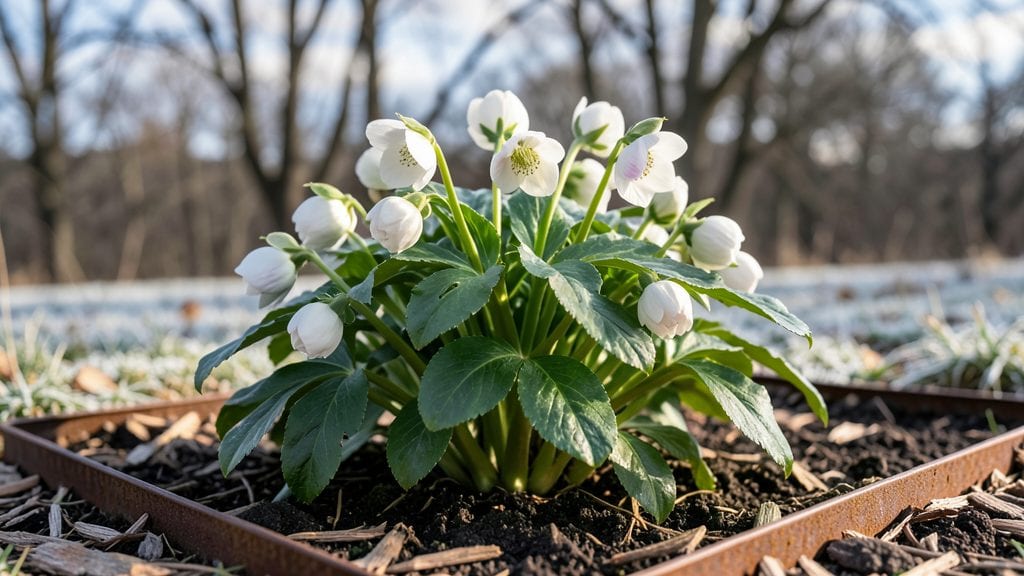
Flowers that regrow each year are the secret to a garden that comes back stronger every spring—no replanting, no starting from scratch. 🌸 I’ve learned the hard way that perennials like coneflowers and lavender don’t just survive winter; they thrive, returning with bold blooms and lush foliage year after year.
The key isn’t luck—it’s understanding their natural rhythms and giving them the right conditions to bounce back.
These hardy plants need three things to regrow reliably: well-draining soil, 6+ hours of sunlight, and minimal fuss once established. Unlike annuals that need replanting, perennials store energy underground, so they wake up ready to grow.
My black-eyed Susans, for example, push through snow in early spring and bloom for months without extra care.
You’ll end up with a garden that feels like a well-kept secret—vibrant, low-maintenance, and full of flowers that return like old friends. The first year might take a little patience, but by year two, you’ll have a self-sustaining display that outshines any annual bed.
Let’s get those roots established for a lifetime of blooms.
Works for sunny borders, cottage gardens, or even containers—just match the plant to the spot. Once you see how easy it is to grow perennials, you’ll wonder why you ever planted anything else. Here’s how to set them up for success from day one.
📚 In This Guide
- What you need
- Instructions
- Tips and common mistakes
- Wrapping up and next steps
What you need
- ● Perennial flower seeds or plants: Choose from easy-to-grow perennials like coneflowers, black-eyed Susans, or daylilies. Buy 3–5 plants/seeds per variety for a fuller look.
- ● Well-draining potting soil: 1–2 bags (5–10 lbs each), depending on pot size. Opt for a mix with compost (20–30%) for nutrients.
- ● Containers or garden beds: Containers: 5–10-gallon pots with drainage holes (1 per plant). Terracotta or fabric pots work best.
- ● Garden beds: A 6-inch-deep plot with loose, fertile soil (amend with 2–3 inches of mulch to retain moisture).
- ● Watering can or hose: A 1-gallon watering can with a rose nozzle for precision, or a soaker hose for garden beds.
- ● Fertilizer: A balanced, slow-release granular fertilizer (10-10-10 ratio) or organic compost tea (apply every 4–6 weeks during growing season).
- ● Hand trowel (for transplanting seedlings).
- ● Pruning shears (to trim dead foliage in fall).
- ● pH testing kit (to ensure soil pH is 6.0–7.0; perennials thrive in this range!).
- ● Mulch (straw or shredded bark) (2–3 inches) to protect roots and suppress weeds.
- ● Garden gloves (to keep hands clean while handling soil or thorny plants like roses).
- ● Sunlight: 6+ hours of direct sun daily (check your perennial’s light needs—some tolerate shade!).
- ● Climate zone: Select perennials suited to your USDA Hardiness Zone (e.g., lavender for zones 5–9, hostas for zones 3–8).
- ● Patience: Some perennials take 1–2 years to fully establish and bloom!
How to select and establish perennial flowers for reliable year-after-year blooms
Here's how I choose and plant perennials that return stronger every season with almost no extra work.
🌱 Step 1: Choose Perennials for Your Climate Zone
First, match plants to your USDA Hardiness Zone—this determines which perennials will reliably survive winter. I always check the cold hardiness rating on plant tags, aiming for varieties that thrive 5-10°F colder than your zone's minimum. For example, in Zone 6, I select perennials rated Zone 5 or hardier.
Look for low-maintenance perennials like coneflowers, black-eyed Susans, or daylilies—they spread naturally and return reliably. Avoid tender perennials that die back to the ground in winter unless you're in a frost-free climate. The key is selecting plants that self-sustain with minimal intervention.
🪴 Step 2: Prepare the Planting Site for Long-Term Success
Perennials thrive in well-draining soil with 6+ hours of sunlight daily, but specific needs vary. I test soil pH (most perennials prefer 6.0-7.0) and amend with compost to improve fertility without heavy chemicals. For heavy clay, I mix in sand or perlite to prevent root rot.
Dig planting holes twice as wide as the root ball but only as deep. Loosen the roots slightly if they're circling—this encourages outward growth. Space plants according to their mature size (check tags), leaving 12-36 inches between clumps for airflow and expansion.
☀️ Step 3: Plant and Water for Immediate Establishment
Place the perennial in the hole, backfill with native soil (no amendments), and press gently to remove air pockets. Water deeply until the soil is 2-3 inches moist—this encourages deep root growth. I mulch with 2-3 inches of organic mulch (like shredded bark) to retain moisture and suppress weeds.
For the first 2-3 weeks, keep soil consistently moist (not soggy) to help roots establish. Overwatering now causes rot, while underwatering stresses new plants. After that, reduce watering to once weekly unless your region experiences drought.
✂️ Step 4: Prune and Feed for Next Year's Growth
In early spring, cut back dead foliage to 1-2 inches above ground level, but leave healthy stems that show green. I fertilize lightly with balanced 10-10-10 in spring and again after blooming to replenish nutrients. Over-fertilizing leads to weak stems and fewer flowers.
Deadhead spent blooms regularly to redirect energy into root and stem growth rather than seed production. For clumping perennials, divide every 3-5 years in early spring to rejuvenate growth. This prevents overcrowding and ensures vibrant blooms for years.
⏰ Step 5: Overwinter for Stronger Returns
In fall, reduce watering as temperatures drop, but keep soil slightly moist until the ground freezes. For tender perennials in colder zones, I add extra mulch (4-6 inches) to insulate roots. Most hardy perennials need no winter protection, but a thick layer of leaves or straw helps in extreme cold.
Spring is the real test—healthy perennials push through snow with new shoots by early April in my zone. If you see no regrowth by late April, the plant likely died over winter, and you'll need to replace it. Properly established perennials, though, return stronger each year with minimal effort.
Tips & tricks for perfect perennial flowers
These pro tips will help you transform your garden into a low-maintenance perennial paradise that thrives year after year.
Climate Zone Intelligence: Don't just pick perennials based on looks—check their cold hardiness rating and match them to your USDA zone. I always select varieties rated 5-10°F colder than my zone's minimum. For example, in Zone 6, I choose Zone 5 plants to ensure they survive harsh winters. This simple check prevents years of disappointment with winter-killed plants.
Soil Prep Secrets: Most gardeners overlook soil preparation, but this is where success begins. For heavy clay soil, I mix in sand or perlite to improve drainage—this prevents root rot that can kill perennials before they establish. Test your soil pH too; most perennials prefer 6.0-7.0. If yours is off, amend with lime (to raise pH) or sulfur (to lower it) before planting.
Watering Wisdom: The first 2-3 weeks are critical for root establishment. Water deeply until the soil is 2-3 inches moist, but avoid soggy conditions that cause rot. After that, reduce to once weekly unless you're in drought conditions. I always mulch with 2-3 inches of organic mulch to lock in moisture and suppress weeds—this saves me hours of maintenance each season.
Division Strategy: For clumping perennials like daylilies or hostas, I divide every 3-5 years in early spring. This rejuvenates growth and prevents overcrowding. Simply dig up the plant, separate the clumps with a sharp knife, and replant the healthiest sections. You'll end up with more plants for free! This technique keeps your perennials flowering vigorously for decades.
Pro Tips for Flowers That Regrow Each Year
- These pro tips will help you transform your garden into a low-maintenance perennial paradise that thrives year after year.
- Climate Zone Intelligence: Don't just pick perennials based on looks—check their cold hardiness rating and match them to your USDA zone.
- Soil Prep Secrets: Most gardeners overlook soil preparation, but this is where success begins.
Frequently asked questions
Got questions about keeping your garden blooming year after year? Here are some of the most common inquiries about flowers that regrow each year—plus quick, practical answers to help you succeed!
How do I know if a flower is truly perennial?
Look for hardy plants labeled as "perennial" at nurseries or in seed packets. Check your USDA Hardiness Zone—if the plant’s recommended zone matches yours, it’ll likely return yearly. Pro tip: Some "perennials" (like sweet peas) are actually annuals in warm climates, so always verify!
When is the best time to plant perennial flowers?
For spring-bloomers (e.g., peonies, daffodils), plant in early fall (6–8 weeks before frost). For summer/fall bloomers (e.g., coneflowers, black-eyed Susans), plant in spring after the last frost. Evergreens (like lavender) can go in any season—just water well!
Why did my perennial flowers disappear after the first year?
Don’t panic! Perennials often go dormant in winter. If they’re not returning by spring, check for:
- Pests (slugs, deer, or rabbits)
- Frost damage (mulch helps!)
- Underwatering (deep roots need consistent moisture)
- Poor soil (amend with compost if needed)
Can I grow perennials in containers or small gardens?
Choose compact perennials like ajuga, heuchera, or dwarf coneflowers. Use well-draining potting mix and containers with drainage holes. Pro tip: Move pots to sheltered spots in winter if temps drop below their zone tolerance.
What’s the easiest perennial for beginners?
Start with low-maintenance superstars:
- Daylilies (tough, drought-resistant, blooms all summer)
- Black-eyed Susan (vibrant, attracts pollinators)
- Lamium (shade-loving, spreads easily)
- Catmint (deer-resistant, fragrant)
How do I extend the blooming season for perennials?
Try these tricks:
- Deadhead spent blooms regularly to encourage new flowers.
- Water deeply during dry spells (perennials hate drought stress!).
- Fertilize lightly in early spring with slow-release fertilizer.
- Prune strategically—cut back after blooming for most perennials (except spring bloomers like bleeding hearts).
Wrapping up and next steps
Discovering the world of perennial flowers is like unlocking a garden of effortless beauty—nature’s way of gifting you color and charm year after year! 🌸 From hardy peonies to resilient daylilies, these plants prove that minimal maintenance can yield maximum rewards.
Whether you’re a seasoned gardener or just starting, there’s no better time to embrace these low-maintenance blooms.
Ready to transform your space? Start small—pick one or two perennials that thrive in your climate, plant them with care, and watch your garden flourish with zero guilt. Happy gardening! 🌱