
Flowers
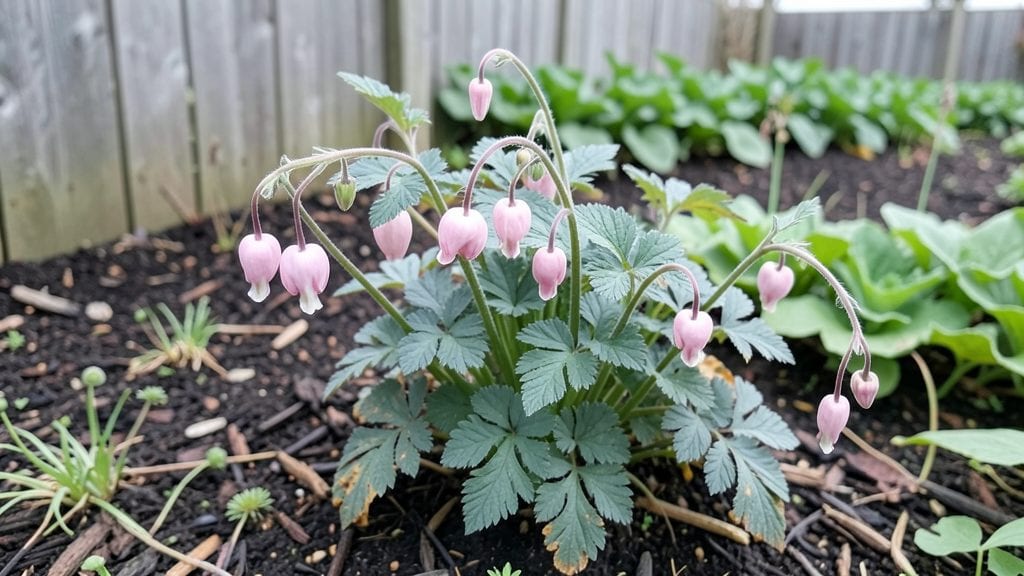
Heart-shaped flowers don’t just look like love—they are love in bloom. 💚 Whether you're crafting a romantic garden border or a whimsical container display, these unique blooms bring a touch of Valentine’s magic to every season.
I’ve designed gardens where these delicate shapes become the stars, surrounded by foliage that makes them pop even more.
The best part? You don’t need a sprawling yard to make it work. Dicentra spectabilis (bleeding heart) thrives in partial shade, while Calceolaria and Lobelia cardinalis add vibrant pops of color in containers or along pathways.
Pair them with ferns for texture or roses for classic romance, and you’ve got an arrangement that feels like a fairy tale.
Imagine walking through a garden where every bloom whispers "I love you" without saying a word. These flowers stay fresh longer than you’d expect, with some varieties reblooming all season.
The secret is simple: keep the soil moist but not soggy, and give them the right light—most prefer dappled shade over harsh sun.
Perfect for weddings, anniversary gardens, or just because love should bloom everywhere. Let’s turn your space into a living love letter—one heart-shaped petal at a time.
📚 In This Guide
- What you need
- Instructions
- Tips and common mistakes
- Wrapping up and next steps
What you need
- ● Floral wire: 22- or 24-gauge (10–15 feet total). Pro tip: Copper or green wire blends seamlessly!
- ● Artificial or fresh flowers: Choose small blooms like pinks, roses, or carnations (6–10 stems, depending on size).
- ● Scissors or floral shears: Sharp, clean cuts are key for precision.
- ● Floral tape or rubber bands: To secure stems and wire without damage.
- ● Cardboard or foam base: A small square (4x4 inches) for stability.
- ● Hot glue gun & glue sticks: For attaching the base to your display.
- ● Ribbon or lace: For a whimsical touch—wrap around stems or the base.
- ● Paint or chalk: To customize your cardboard/foam base (e.g., gold accents for elegance!).
- ● Wire cutters: For cleaner snips than scissors.
- ● Floral preservative: If using fresh flowers, extend their life with a spray or soak.
How to create a year-round heart-shaped flower garden
Here’s how to design a romantic garden filled with heart-shaped blooms that thrive across seasons.
🌱 Step 1: Select Heart-Shaped Flowers for Seasonal Interest
Heart-shaped blooms like love-in-a-mist (Nigella) and heartsease (Viola) offer delicate charm, while four o’clocks (Mirabilis jalapa) deliver bold evening displays. For year-round color, pair spring’s heartleaf philodendron with summer’s heartleaf hibiscus and fall’s heart-shaped maple leaves. I always choose at least three varieties—one for each season—to ensure continuous blooms.
Check each plant’s USDA hardiness zone and sunlight needs before buying. For example, love-in-a-mist thrives in zones 3-9 with full sun, while heartleaf philodendron prefers zones 10-11 and partial shade. Mix sun-lovers with shade-tolerant varieties to create a balanced, low-maintenance design.
☀️ Step 2: Plan Layout for Maximum Visual Impact
Arrange heart-shaped flowers in odd-numbered clusters (3, 5, or 7 plants) to create natural focal points. Place taller varieties like hibiscus at the back and shorter blooms like heartsease in front. I like to weave climbing heartleaf vines along trellises or fences for vertical drama.
Leave 12-18 inches between plants to allow airflow and prevent disease. For a romantic centerpiece, group three heart-shaped flowers together in a 6-inch-deep hole, then repeat every 2-3 feet along garden beds. If using containers, plant one per 10-inch pot to avoid root competition.
💧 Step 3: Plant and Water for Healthy Growth
Dig holes twice as wide as the root ball but only as deep as the container. Gently remove plants from pots and loosen roots if they’re circling. Place each plant in its hole, then backfill with soil, pressing lightly to eliminate air pockets. Water deeply until soil is evenly moist but not soggy.
Heart-shaped flowers like consistent moisture but hate soggy roots. Water once weekly during dry spells, aiming for 1 inch of water per week. Mulch with 2-3 inches of shredded bark to retain moisture and suppress weeds. Check soil 1 inch below the surface—if it’s dry, water again.
✂️ Step 4: Prune and Maintain for Continuous Blooms
Deadhead spent blooms weekly to encourage new growth. For love-in-a-mist, snip faded seed pods before they turn brown. With heartleaf hibiscus, trim back leggy stems in early spring to promote bushier growth. I also fertilize every 6 weeks with a balanced 10-10-10 formula during the growing season.
Watch for pests like aphids on tender new growth. Spray affected plants with neem oil or a soapy water solution (1 tsp mild soap per quart of water). In fall, cut back woody stems to 6 inches tall and mulch heavily to protect roots from winter frost.
🪴 Step 5: Extend the Season with Containers and Cut Flowers
Move tender heart-shaped plants like heartleaf philodendron indoors before frost. Place them near bright, indirect light and reduce watering to every 10-14 days. For a year-round display, grow heart-shaped flowers in containers and rotate them seasonally.
Harvest blooms in the morning for longer vase life. Trim stems at a 45-degree angle and place them in lukewarm water with a flower food packet. Change water every 2-3 days to keep arrangements fresh. This simple trick keeps cut heart-shaped flowers vibrant for up to 10 days.
Tips & tricks for perfect heart-shaped flower arrangements
A few simple strategies will help you create a garden that stays vibrant and romantic all year long.
Seasonal Plant Pairing: To maintain continuous blooms, I always select plants that cover all four seasons. For example, pair spring's heartleaf philodendron with summer's heartleaf hibiscus, then add fall's heart-shaped maple leaves for color. Don't forget to include love-in-a-mist and heartsease—their delicate blooms create that signature romantic look. I like to create a simple chart mapping each plant's bloom period to ensure no gaps.
Layout Design Secret: The key to visual impact is odd-numbered groupings—always arrange your heart-shaped flowers in clusters of 3, 5, or 7 plants. This creates natural focal points that draw the eye. Place taller varieties like hibiscus at the back and shorter blooms like heartsease in front. For vertical interest, weave climbing heartleaf vines along trellises or fences. This technique makes even small spaces feel dramatic.
Planting Precision: When planting, dig holes that are twice as wide as the root ball but only as deep as the container. This prevents root damage while allowing proper soil contact. I always loosen any circling roots before placing plants in their holes—this encourages outward growth rather than root binding. After planting, press the soil lightly to eliminate air pockets, which helps establish strong root systems immediately.
Year-Round Maintenance: For continuous blooms, deadhead spent flowers weekly—this simple step encourages new growth. With love-in-a-mist, snip faded seed pods before they turn brown. For hibiscus, trim back leggy stems in early spring to promote bushier growth. I fertilize every 6 weeks during the growing season with a balanced 10-10-10 formula, but reduce to every 8 weeks in fall to prepare plants for winter. This consistent care keeps your garden looking fresh throughout the year.
Pro Tips for Flowers Shaped Like Hearts
- A few simple strategies will help you create a garden that stays vibrant and romantic all year long.
- Seasonal Plant Pairing: To maintain continuous blooms, I always select plants that cover all four seasons.
- Layout Design Secret: The key to visual impact is odd-numbered groupings—always arrange your heart-shaped flowers in clusters of 3, 5, or 7 plants.
Frequently asked questions
Got questions about growing or gifting heart-shaped flowers? Here are some of the most common queries—and their answers—to help you create lasting love in your garden or someone’s life!
What are the easiest flowers to grow in heart shapes?
Some of the easiest heart-shaped blooms include love-in-a-mist (Nigella), four o’clocks (Mirabilis jalapa), and heartsease (Viola tricolor). For year-round blooms, opt for hearts-a-flutter (Dicentra spectabilis) or heartleaf philodendron (if you’re growing foliage). These thrive in well-drained soil and partial shade!
When is the best time to plant heart-shaped flowers?
Timing depends on your climate! For annuals like four o’clocks, plant after the last frost in spring. Perennials like hearts-a-flutter can be planted in early spring or fall. In warmer zones, fall planting gives roots time to establish before winter. Always check your local frost dates for best results.
Can I grow heart-shaped flowers in containers?
Many heart-shaped flowers—like hearts-a-flutter or hearts-ease—thrive in containers with well-draining potting mix. Choose pots at least 12 inches deep for perennials. Just ensure they get the right light (partial shade for most) and water regularly. Pro tip: Add a slow-release fertilizer to keep blooms vibrant!
How do I make heart-shaped flowers last longer as cut blooms?
To extend their vase life, trim stems at an angle and place them in warm water with a floral preservative. Avoid direct sunlight and change the water every 2-3 days. For delicate blooms like hearts-ease, remove lower leaves to prevent bacterial growth. A splash of sugar or bleach (1 tsp each) can also help!
What’s the best way to gift heart-shaped flowers?
Pair them with a handwritten note or a small keepsake for extra sentiment! For a romantic touch, arrange them in a clear vase so the heart shapes are visible from all angles. Alternatively, press hearts-ease or love-in-a-mist seeds into bookmarks or framed art. Bonus: Include care instructions so the recipient can grow their own!
Wrapping up and next steps
From whimsical heart-shaped roses to delicate love-in-a-mist, these floral centerpieces prove that romance blooms in every season!
Whether you’re crafting a handmade gift or designing a dreamy garden, these heart-shaped flowers add a touch of magic. Now’s your chance to bring that love to life—start small with a single pot or go all out with a full garden oasis!
💡 Next step: Pick your favorite heart-shaped blooms, gather your tools, and let your creativity grow! Share your designs with us—we’d love to see your romantic garden in action. 🌸