
Pruning
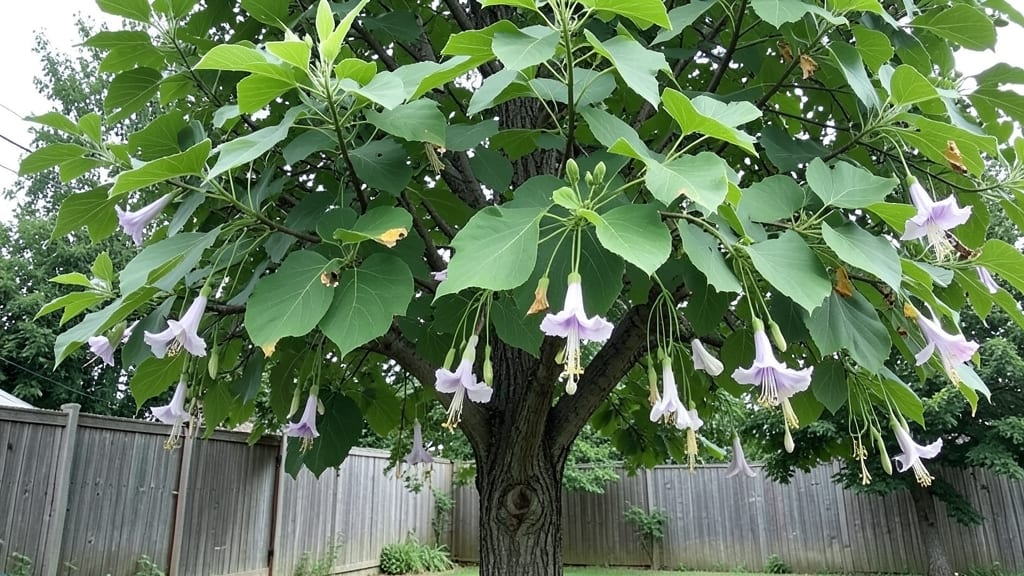
Your yard could become a hummingbird hotspot with year-round trumpet tree blooms—but only if you nail the first few steps. 🌿 I planted mine in late spring, and by summer, the bright orange flowers were drawing hummingbirds I’d never seen before.
The key isn’t just the tree itself, but matching it to your climate and sunlight.
Trumpet trees thrive in full sun and well-draining soil, but they’re surprisingly adaptable. They handle heat, drought, and even urban pollution once established—perfect for city gardens or rural landscapes.
Just avoid soggy soil, and they’ll reward you with 6-foot-tall vines covered in trumpet-shaped blooms from spring through fall (and sometimes winter in warm zones).
You’ll spend less time fussing over this tree than most ornamentals. Water deeply once a week after planting, then let it fend for itself. The real work comes in pruning—cutting back dead wood in late winter keeps it healthy and bushy—but even that’s simpler than you’d think.
Hummingbirds will do the rest of the work for you.
Works in zones 7 through 10, though younger trees need winter protection in cooler areas. Start with a young plant, and you’ll have a living hummingbird feeder in just a few seasons. Ready to transform your space?
📚 In This Guide
- What you need
- Instructions
- Tips and common mistakes
- Wrapping up and next steps
What you need
- ● Flowering trumpet tree (Campsis radicans or Campsis grandiflora) – Choose between the native C. radicans (hardy to USDA zones 4-9) or the more tropical C. grandiflora (zones 7-10). Start with a 1-gallon container seedling or a 3-5 year old transplant for faster blooms.
- ● Well-draining potting mix – A blend of 60% garden soil, 30% compost, and 10% perlite or sand (for container plants). For in-ground planting, amend native soil with compost and a slow-release fertilizer (10-10-10).
- ● Mulch – 2-3 inches of organic mulch (wood chips, shredded bark, or pine straw) to retain moisture and suppress weeds.
- ● Garden trowel or shovel – For digging holes (aim for 2-3 times wider than the root ball and slightly shallower than the container).
- ● Pruning shears or loppers – Bypass pruners (for clean cuts) and loppers (for thicker branches). Sterilize with rubbing alcohol between cuts.
- ● Gloves – Heavy-duty gardening gloves (to protect from thorns and sap).
- ● Watering can or hose with nozzle – A soaker hose is ideal for deep watering.
- ● Measuring tape – To ensure proper spacing (10-15 feet apart for mature trees).
- ● Epsom salt – 1 tablespoon per gallon of water (monthly during blooming season for magnesium boost).
- ● Hummingbird feeder – Place near the tree to attract pollinators and encourage visits.
- ● Stake and ties – For young trees in windy areas (use biodegradable ties).
- ● Fungicide (copper-based) – Preventative spray if your area is prone to powdery mildew.
Step-by-Step instructions for planting and caring for a flowering trumpet tree
Here's how to establish your hummingbird magnet with vibrant, long-lasting blooms.
🌱 Step 1: Choose the Perfect Planting Location
Flowering trumpet trees thrive in full sun—at least 6-8 hours daily—so pick a spot that gets morning sunlight and afternoon shade in hotter climates. I always test the site by observing how long sunlight lingers; if shadows appear before noon, supplement with a nearby structure for afternoon shade. The tree's deep roots need well-draining soil, so avoid low spots where water pools.
Dig a hole twice as wide as the root ball but only as deep. This encourages roots to spread horizontally rather than settling too low. If your soil is heavy clay, mix in 2-3 inches of compost into the bottom of the hole to improve drainage. The tree's tropical origins mean it dislikes soggy roots, so prioritize this step.
☀️ Step 2: Plant at the Right Time and Depth
Spring is ideal—plant after the last frost when soil warms to 65°F or above. Handle the root ball gently; if it's root-bound, tease the edges with your fingers to encourage outward growth. Place the tree so the top of the root ball sits 1-2 inches above ground level—this prevents water from pooling around the stem.
Backfill with native soil, tamping lightly every 6 inches to remove air pockets. Water deeply right after planting to settle the soil and eliminate gaps. I like to add a 2-inch layer of mulch (keeping it away from the trunk) to retain moisture and regulate soil temperature. This step is critical for establishing strong roots quickly.
💧 Step 3: Water Deeply and Establish a Routine
For the first 2-3 weeks, water every 2-3 days until the top 6 inches of soil feels moist. You'll know it's right when water drains through the bottom—no puddles, just even dampness. Overwatering is the biggest mistake; the tree's thick leaves store water, so it's drought-tolerant once established.
After the initial phase, water once a week unless your area experiences extreme heat or drought. Check soil moisture by pushing a finger 2 inches deep—if it's dry, water thoroughly. The tree's glossy leaves will tell you if it's thirsty: drooping or curling means it needs water, but don't overcompensate.
✂️ Step 4: Prune for Shape and Bloom Encouragement
Prune in late winter or early spring before new growth appears. Remove any dead, diseased, or crossing branches first—this keeps air circulating and prevents fungal issues. The flowering trumpet tree blooms on new wood, so pruning stimulates fresh growth and more flowers. I cut back 1/3 of the oldest stems each year to encourage a bushier shape.
Shape the tree by trimming just above a leaf node or outward-facing bud. Avoid heavy pruning in summer—it can stress the tree and reduce fall blooms. If you notice leggy growth, it's a sign of insufficient light or over-fertilizing. The goal is a balanced, open canopy that lets sunlight reach all branches for even flowering.
🌿 Step 5: Fertilize and Protect for Year-Round Blooms
Feed in early spring with a balanced, slow-release fertilizer (10-10-10 ratio). Sprinkle ½ cup around the drip line, then water deeply to activate it. Avoid high-nitrogen fertilizers—they promote leafy growth at the expense of flowers. I also add a handful of bone meal in fall to support root development and next year's blooms.
Protect young trees from strong winds, which can damage delicate flowers. If your area gets harsh winters, wrap the trunk with burlap or use a tree guard to prevent frost cracks. Once established, the tree handles cold down to 15°F, but young specimens need extra care. The reward? Stunning, fragrant blooms from spring through fall, with occasional winter flowers in mild climates.
Tips & tricks for perfect flowering trumpet tree care
A few simple strategies will help you grow a thriving, blooming trumpet tree that attracts hummingbirds all season.
Sunlight Strategy: In Step 1, when selecting your planting location, pay attention to how sunlight shifts throughout the day. Use a garden stake to mark the sunniest spot in your yard during the warmest part of the day. This ensures your tree gets that critical 6-8 hours of sunlight even as seasons change. If you notice shadows creeping in during summer afternoons, consider planting near a south-facing wall or fence that can reflect additional light.
Soil Preparation Secret: For Step 1's soil preparation, if your native soil is particularly dense, I recommend mixing in 50% compost by volume rather than just the suggested 2-3 inches. This creates a looser, more oxygen-rich environment that tropical roots adore. You can also add a handful of perlite or coarse sand to improve drainage—this is especially helpful if you're in an area with heavy clay soil. The goal is to mimic the tree's natural, well-draining tropical habitat.
Planting Depth Visual: When planting in Step 2, use a reference point to ensure the root ball sits 1-2 inches above ground level. I like to use a small stake or even a pencil to mark the top of the root ball before lowering it into the hole. This simple trick prevents the common mistake of burying the trunk too deeply, which can lead to rot. Remember, the tree's roots need room to spread horizontally, not settle deeper.
Watering Watch: During the critical 2-3 week watering phase in Step 3, I've found that using a moisture meter or even a simple wooden skewer works better than guessing. Push it 2 inches deep—if it comes out clean, water again. This method prevents both underwatering and overwatering, which are the two biggest killers of young trumpet trees. The tree's thick leaves actually store water, so once established, it becomes surprisingly drought-tolerant.
Pro Tips for Flowering Trumpet Tree
- A few simple strategies will help you grow a thriving, blooming trumpet tree that attracts hummingbirds all season.
- Sunlight Strategy: In Step 1, when selecting your planting location, pay attention to how sunlight shifts throughout the day.
- Soil Preparation Secret: For Step 1's soil preparation, if your native soil is particularly dense, I recommend mixing in 50% compost by volume rather than just the suggested 2-3 inches.
Frequently asked questions
Got questions about growing and caring for your flowering trumpet tree? You’re not alone—this stunning plant has a few quirks! Below, we’ve answered the most common queries to help you keep your hummingbird magnet thriving.
How fast does a flowering trumpet tree grow?
A flowering trumpet tree (Campsis radicans) grows moderately fast, typically adding 3 to 5 feet per year under ideal conditions. With proper sunlight (6+ hours daily) and well-draining soil, it can reach 20 to 30 feet tall in 10 years. Pro tip: Prune in late winter to control size and encourage bushier blooms!
When is the best time to plant a flowering trumpet tree?
The ideal planting window is early spring or fall (3–4 weeks before the first frost). This gives roots time to establish before extreme heat or cold. Avoid planting in summer’s peak heat—young trees can struggle with transplant shock. Bonus: Mulch heavily to retain moisture!
Why aren’t my hummingbirds visiting my trumpet tree?
Hummingbirds love trumpet trees—but if they’re skipping yours, check these fixes:
- Timing: Blooms peak in late spring to summer; if it’s winter, they’re dormant.
- Nectar supply: Ensure flowers are fully open (closed buds = no nectar yet).
- Competition: Other nectar sources (like bee balm) nearby might distract them.
- Pesticides: Avoid chemicals—hummingbirds are sensitive to them!
How and when should I prune my flowering trumpet tree?
Prune in late winter or early spring (before new growth starts) to:
- Remove dead or crossing branches for airflow.
- Shape the tree by cutting back overly long stems to encourage bushiness.
- Avoid heavy pruning—this tree blooms on new wood, so don’t trim back more than 1/3 of the plant.
What are some low-maintenance alternatives to the flowering trumpet tree?
If you want hummingbird-friendly, easy-care plants with similar blooms, try:
- Butterfly Bush (Buddleia): Drought-tolerant, attracts pollinators, and blooms all summer.
- Coral Honeysuckle (Lonicera sempervirens): Vine with tubular red flowers; thrives in partial shade.
- Salvia (Salvia spp.): Heat-loving, deer-resistant, and hummingbird magnets.
- Firebush (Hamelia patens): Tropical vibe, year-round blooms in warm climates.
Wrapping up and next steps
The flowering trumpet tree is a stunning, low-maintenance addition to any garden, offering year-round blooms and a haven for hummingbirds. With the right care—like strategic pruning and proper sunlight—you’ll enjoy its vibrant flowers and lush foliage for decades. Now that you’re armed with the knowledge, why not plant one today?
🌱 Next Steps:
- Pick your spot and prepare the soil.
- Choose a healthy sapling or seedling from a trusted nursery.
- Follow your pruning schedule to keep it thriving!